China has initiated a groundbreaking experiment by sending synthetic embryos to its Tiangong space station, marking a significant step in space research. This unique study aims to investigate how the early stages of human development are influenced by microgravity, an area that remains largely unexplored. The experiment aligns with the broader efforts of both China and the United States to expand human presence beyond Earth, including plans for lunar bases and extended stays in space.
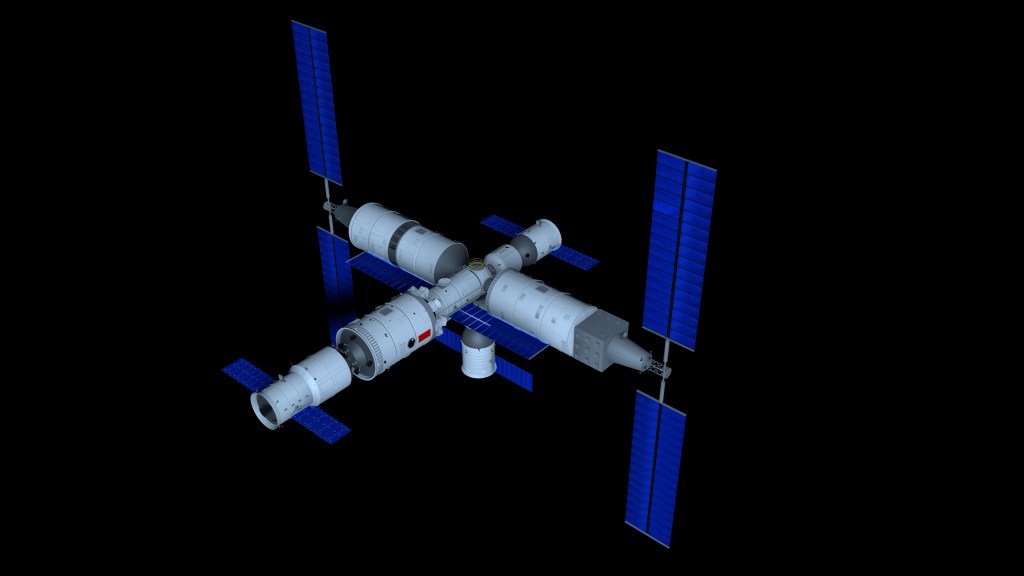
The synthetic embryos were transported to China’s first permanently crewed orbital station, which has been operational in low Earth orbit since 2021. This initiative highlights the growing interest in understanding the biological impacts of space environments on human life, especially as long-term missions become more feasible.
Why China Is Conducting the Experiment

Chinese researchers emphasize that this study is crucial for understanding how human cells and developmental systems function in space. Such knowledge could be vital if astronauts are ever required to live for extended periods on the moon or Mars. The project leader, Yu Leqian from the Chinese Academy of Sciences’ Institute of Zoology, clarified that the samples are not viable human embryos.
“This is not a real human embryo and does not have the ability to develop into an individual,” Yu stated. Instead, the material is described as a synthetic embryo model that replicates some features of early development without the potential to become a human being. Yu explained that the experiment could serve as a valuable tool for studying early human development.
Experiment Taking Place on Tiangong Space Station
The samples were placed inside an experimental module aboard Tiangong by Chinese astronauts currently stationed on the space station. Scientists are also conducting parallel studies on identical samples on Earth to compare how development occurs under different gravity conditions.
According to Yu, the space-based experiment is progressing smoothly. “We hope that by comparing the development of space and ground samples, we can identify the factors affecting early human embryonic growth in the space environment,” he said. The experiment is expected to last five days before the samples are frozen in orbit and returned to Earth for further analysis.
Why the Research Matters
Space environments are known to impact the human body significantly, including bone density loss, muscle atrophy, and changes to the immune system. However, there is limited understanding of how microgravity might affect reproduction or the earliest stages of human biological development. As countries and private companies plan for long-term lunar settlements and future Mars missions, determining whether human development can occur safely in space is becoming increasingly important.
This research also reflects the shift in space exploration from short-term missions to permanent infrastructure and long-duration habitation. The focus is now on building sustainable human presence beyond Earth, which requires comprehensive scientific studies.
NASA’s Moon Base Plan
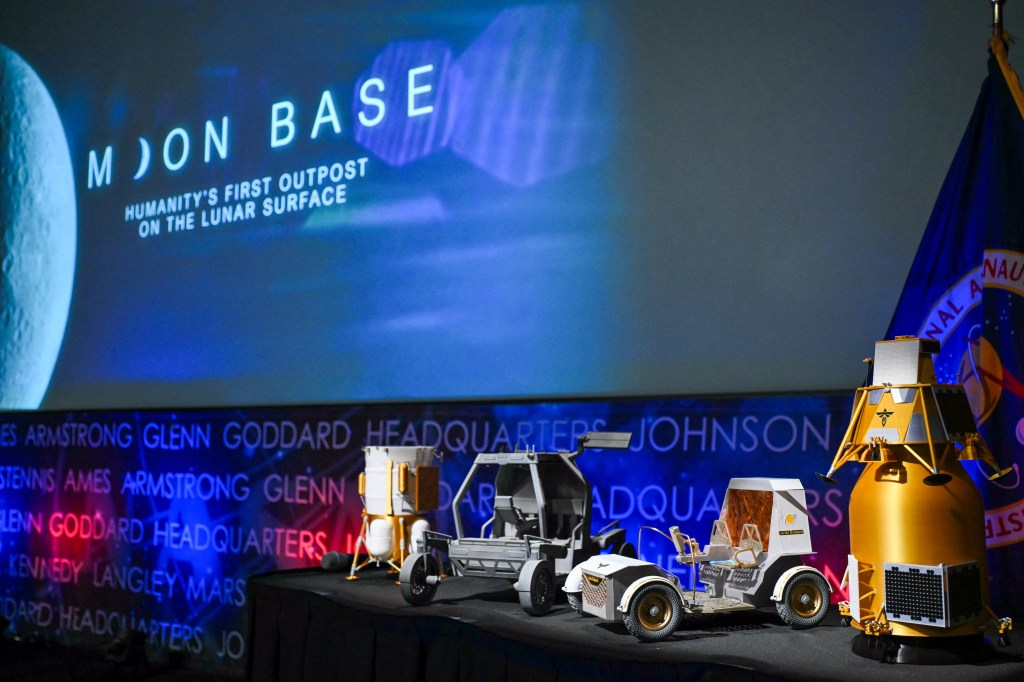
China’s experiment coincides with NASA’s advancements in its long-term lunar strategy, aimed at establishing a permanent human presence on the moon. Recently, NASA unveiled a phased plan that includes robotic exploration missions, infrastructure deployment, and eventually a continuously staffed lunar base.
From 2029 onwards, the agency plans up to 25 missions to the lunar South Pole, carrying rovers, communications systems, drones, and scientific equipment. Between 2029 and 2032, NASA intends to move toward semi-permanent habitation with larger power systems, upgraded mobility vehicles, and early living modules. Starting in 2032, the agency envisions a permanently staffed moon base supported by long-term habitats, pressurized rovers, and operational nuclear surface power systems.
US-China Space Competition Intensifies
The latest experiment underscores the growing strategic competition between the U.S. and China in space exploration. Both nations are investing heavily in technologies that enable long-duration space operations while seeking leadership in lunar exploration and future off-world infrastructure. Analysts suggest that the next phase of the space race is not just about exploration but also about who can establish the most sustainable presence beyond Earth.