New Marine Species Discovery
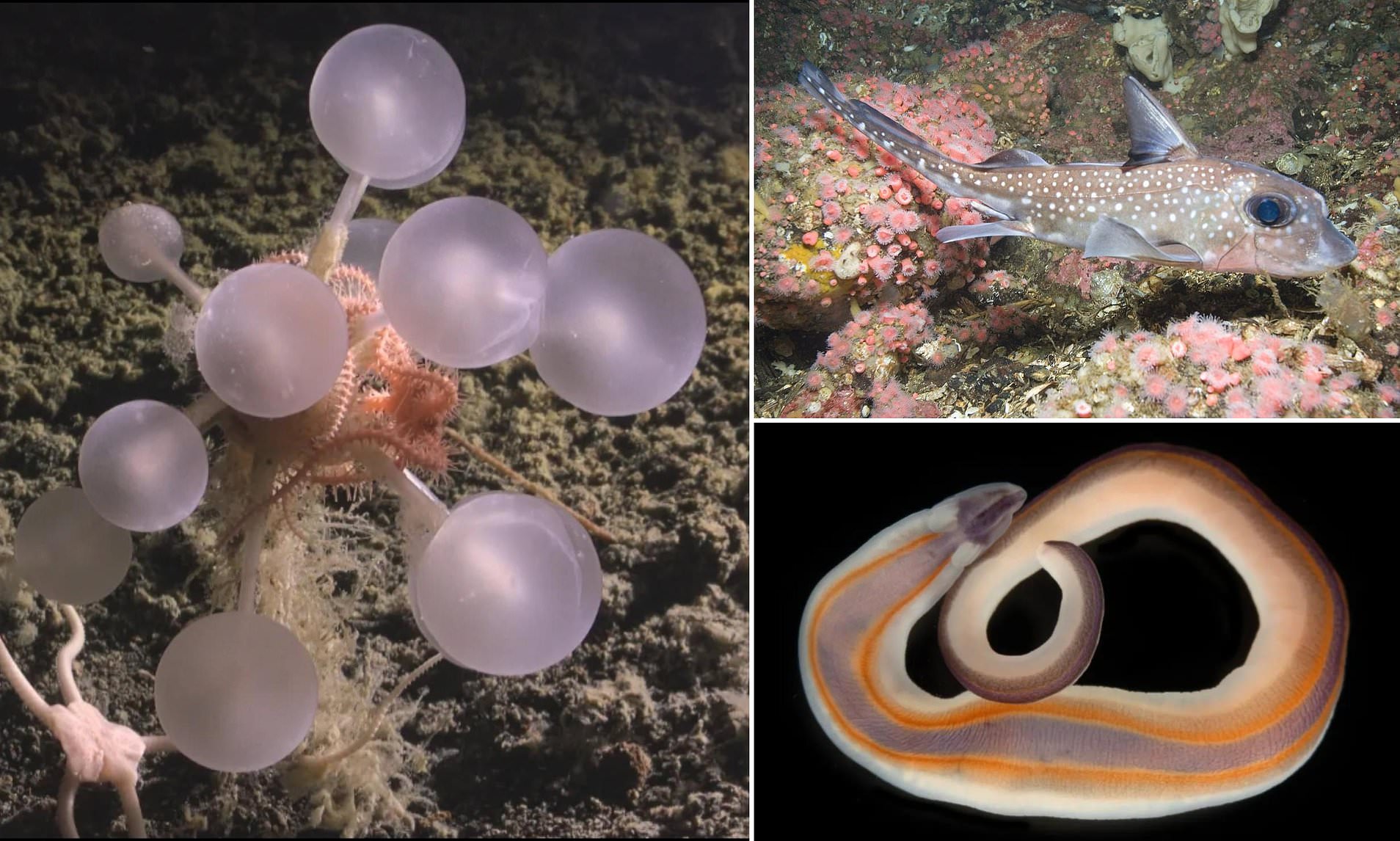
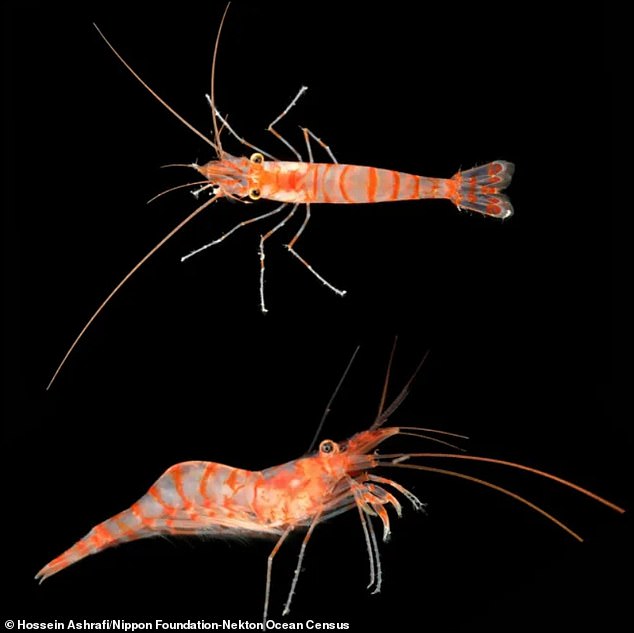
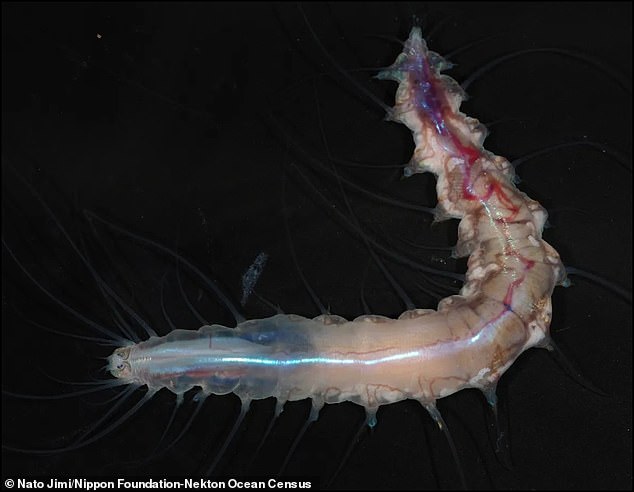
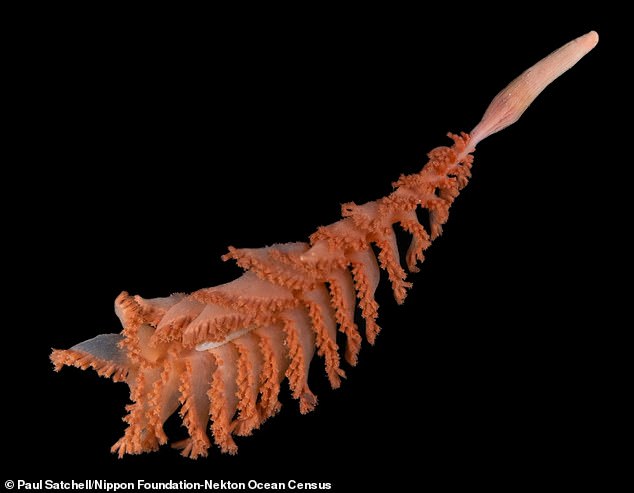
Over the past year, scientists have uncovered more than 1,000 new marine species, revealing a fascinating array of creatures that challenge our understanding of ocean life. From carnivorous sponges with velcro-like hooks to translucent ‘ghost sharks’ and unusual worms living inside glass sponges, these discoveries highlight the incredible diversity of life beneath the waves.
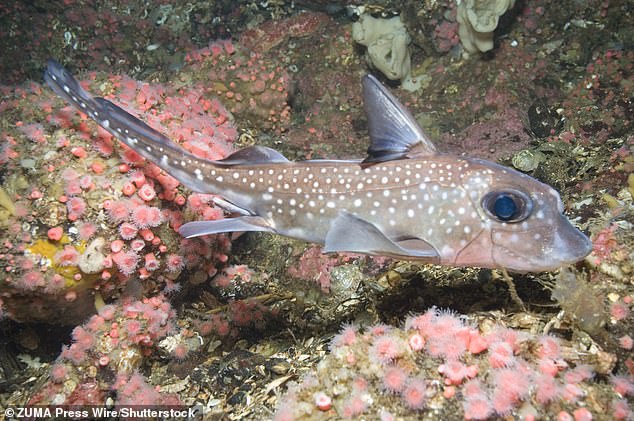
One of the most intriguing finds is a type of chimaera, commonly known as a ‘ghost shark’. These unique creatures were discovered over 800 meters below the surface in the Australian Coral Sea marine park. Chimaeras are often described as looking like they’ve been sewn together from parts of other fish, reminiscent of the mythical Greek beast that combined elements of a lion, goat, and dragon.
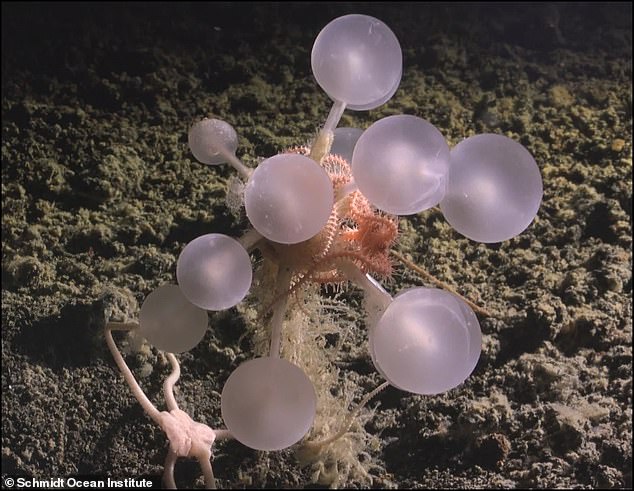
Another remarkable discovery is a ‘death ball’ sponge found deep within the waters of the South Sandwich Islands, an isolated chain of 11 volcanic islands in the sub-Antarctic South Atlantic. This sponge, located at a depth of 3,601 meters, uses velcro-like hooks to capture tiny crustaceans, which it then slowly digests.
Among the more unusual finds was a ‘glass castle worm’, which lives in a symbiotic relationship with a glass sponge. This worm nests itself within the translucent skeleton of the sponge, which was found 791 meters below the surface.
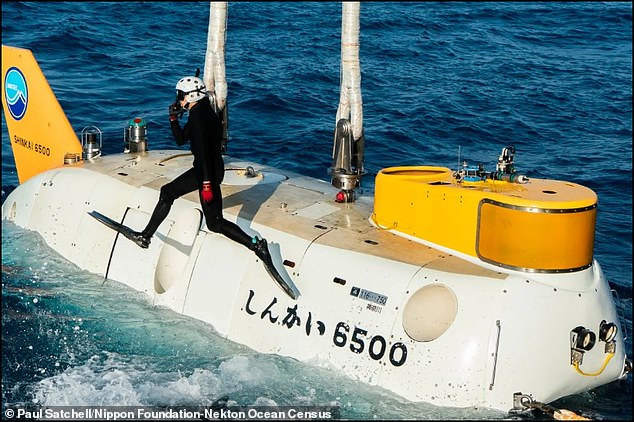
The discoveries were made by researchers supported by the Nippon Foundation, Japan’s largest philanthropic organisation, and the Oxford-based charity Nekton. These findings are part of the Ocean Census, an international initiative aimed at identifying new marine life.
Scientists estimate that there could be up to two million species living in the planet’s oceans, which cover 70% of Earth. However, only 240,000 species have been officially recognized so far.
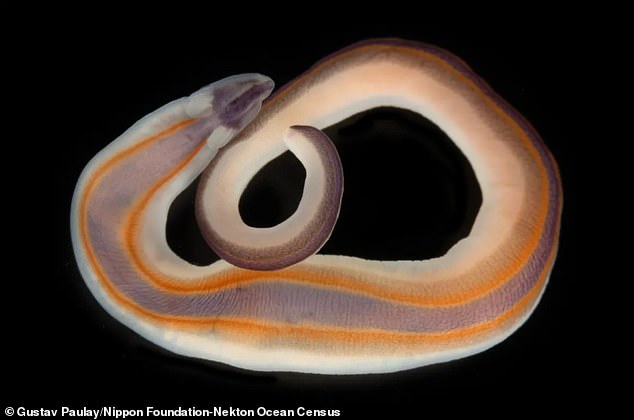
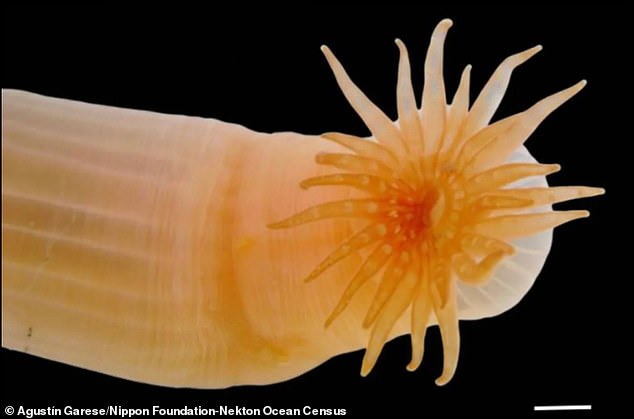
Programme director Oliver Steeds emphasized the significance of these discoveries, stating that the 1,121 new species identified in the last year reveal how much remains unknown about our planet. “We spend billions searching for life on Mars or going to the dark side of the moon,” he said. “Discovering the majority of life on our own planet, in our own ocean, costs a fraction of that. The question is not whether we can afford to do this. It is whether we can afford not to.”
These findings underscore the importance of continued exploration and research into our oceans. With each new discovery, we gain a deeper understanding of the complex ecosystems that exist beneath the surface. As technology advances and more areas of the ocean are explored, it is likely that many more species will be uncovered in the coming years.
The mysteries of the deep sea continue to captivate scientists and the public alike. From the strange and beautiful to the bizarre and terrifying, the ocean remains one of the last great frontiers of exploration. As we learn more about the creatures that inhabit these depths, we also gain insight into the health of our planet and the need for conservation efforts to protect these fragile environments.