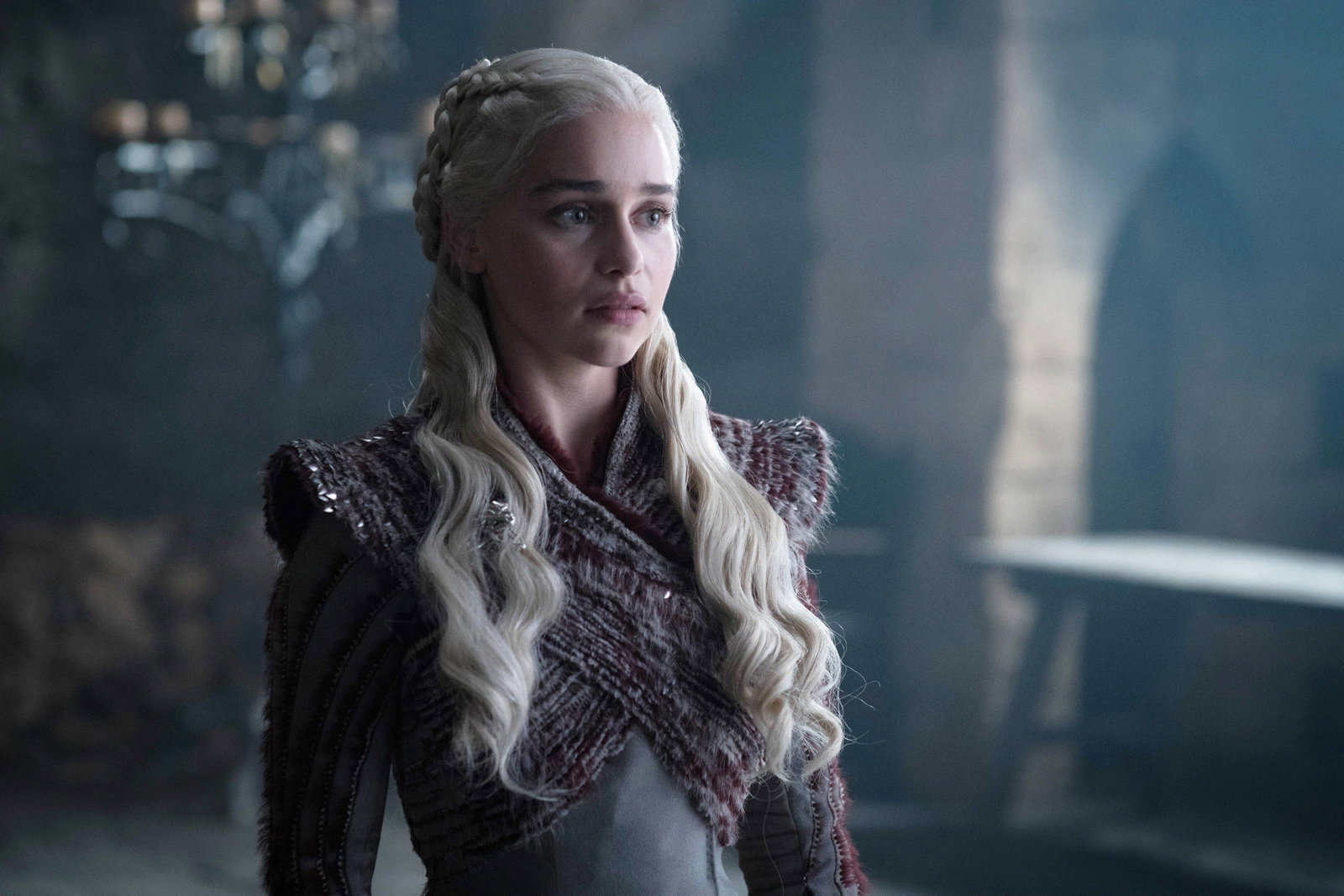
Emilia Clarke rose to global fame as Daenerys Targaryen in Game of Thrones, the Mother of Dragons with ice-blond braids and fire-breathing power. Her portrayal of the character made her an icon, but when she ventured into other franchises such as Secret Invasion, Solo: A Star Wars Story, and Terminator Genisys, her roles did not resonate with audiences. These projects were often criticized as forgettable missteps in her career.
Now, Emilia Clarke has spoken openly about these challenges, explaining why some of her work outside of Game of Thrones did not feel personal to her.
Emilia Clarke says franchise failures were never personal
In a recent interview with Variety, Emilia Clarke was candid about the lukewarm reception to her work beyond Game of Thrones. She joked about Secret Invasion, saying:
“I don’t think no one liked that show, guys. I’m sorry!”
She extended this honesty to Star Wars and Terminator, admitting that those projects did not meet expectations. Clarke explained that she entered already established universes where creative direction and audience expectations were set long before she joined.
“When they don’t work out, it’s not personal,” she said, highlighting how actors often inherit both the strengths and flaws of long-running franchises. For her, these roles were professional choices rather than personal statements.
The outcomes of Solo: A Star Wars Story and Terminator Genisys reinforced this perspective. Both films struggled with critics, and Secret Invasion failed to leave a lasting impact on the MCU. Instead of internalizing the criticism, Clarke has shifted toward projects where she has more creative involvement, including producing and exploring smaller, character-driven stories that give her greater satisfaction.
But this sense of detachment didn’t start after Game of Thrones. It was shaped during the show itself.
Emilia Clarke had no control over Daenerys’ fate in Game of Thrones
Emilia Clarke has also shared her experience on Game of Thrones, confirming that she had no creative control over Daenerys Targaryen’s arc. While she brought the character to life through her performance, the writing and ultimate fate were entirely in the hands of the showrunners. When asked if she would change Daenerys’ ending, her answer was a firm no.
She revealed that creators David Benioff and D. B. Weiss were meticulous about sticking to the script. Even small deviations in dialogue were corrected, leaving little room for improvisation. Clarke approached this by fully committing to the material, ensuring every decision felt emotionally authentic on screen.
Despite the divisive finale, Clarke now looks back on the experience with gratitude. The role transformed her career and made her a household name, even if the ending sparked widespread debate. She has since expressed that she no longer feels defined by the character, choosing instead to move forward with projects that align more closely with her creative instincts.
Moving Forward with Creative Control
Clarke’s journey highlights the challenges of working within large franchises, where creative control is often limited. However, her focus has shifted toward projects where she can have more influence, allowing her to explore stories that resonate more personally with her.
This shift has led her to take on roles that emphasize character development and storytelling, rather than just being part of a larger universe. By prioritizing creative satisfaction, she continues to evolve as an actress and producer, carving out a new path beyond the shadow of Daenerys Targaryen.
Conclusion
Emilia Clarke’s reflections on her career offer insight into the complexities of working in the entertainment industry. From the highs of Game of Thrones to the challenges of franchise projects, she has navigated her journey with honesty and resilience. As she continues to explore new opportunities, her story serves as a reminder of the importance of creative control and personal expression in the world of film and television.