Midwives Warn Against Being ‘Too Kind’ in Maternity Care
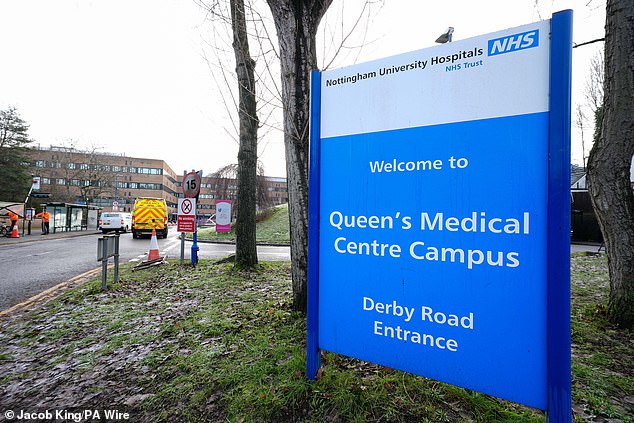
A midwife working at an NHS trust currently under investigation for one of the largest maternity care scandals in British history has urged colleagues to avoid being overly kind to patients. The Nottingham University Hospitals NHS Trust (NUH) is facing scrutiny following a damning inquiry into the treatment of 2,500 families between 2012 and 2025. During this time, dozens of babies died or suffered serious injuries at hospitals run by the trust.
The BBC’s Panorama programme recently spoke with ten midwives who worked at the trust and examined previously unreported documents for an episode set to air tonight. These documents revealed troubling practices that have raised serious concerns about the standard of care provided.
One particularly shocking discovery was a 2018 resignation letter from a senior midwife. The letter detailed how some staff advised pregnant women who arrived at the hospital worried they were going into labour to go home with the instruction: “Don’t be too kind, she’ll keep coming back.” This advice was reportedly given to women who had already shown signs of early labour.
The same letter also mentioned the use of a code on a whiteboard next to the names of heavily pregnant women. The code, “FOH,” was written for those staff wanted to discharge from the maternity unit. The “F” stood for a swear word, while the “O” and “H” together meant “off home.”
Ockenden Inquiry Examines Maternity Failures
The independent inquiry led by midwife Donna Ockenden has been investigating stillbirths, neonatal deaths, maternal deaths, and cases of injured babies and mothers at NUH. The trust operates City Hospital and Queen’s Medical Centre, and the findings are expected to be published on 24 June.
Sarah Hawkins, whose daughter Harriet was stillborn in 2016 after her concerns were ignored by staff, described the FOH whiteboard remarks as “upsetting to hear.” She questioned how such comments could be made in a profession that is supposed to be caring.
Common themes in the poor outcomes at Nottingham include a strong determination to keep women at home for as long as possible before giving birth, along with a lack of training and equipment. One midwife told Panorama that as neonatal deaths became increasingly common, staff became “desensitised” to what was happening.
Racist Behaviour and Institutional Culture
Ms Ockenden has also uncovered numerous examples of racist behaviour within the trust, including staff mimicking accents. She noted that the trust seemed to believe it had a unique way of operating, thinking it was superior to other NHS trusts.
Last June, Nottinghamshire Police announced an investigation into corporate manslaughter at NUH. Anthony May, the chief executive of the trust since 2022, acknowledged that the trust had “failed” patients and their families and let down staff. He also admitted that the Ockenden review was “helping us improve.”
In a statement released ahead of the Panorama broadcast, Mr May said: “We are learning from our mistakes, we are improving the safety of our care, we are listening to our mothers, and we are talking with our staff. I can see improvements, and I do believe that we now have safer, kinder and better-led maternity services.”
Regulatory Improvements
A recent report from the Care Quality Commission improved the trust’s rating from “inadequate” to “requires improvement.” While this marks a step forward, the road to full recovery remains long and challenging for the affected families and staff.
The ongoing inquiry and the efforts to address systemic failures highlight the urgent need for change in maternity care across the UK. As the findings from the Ockenden review come to light, the focus will remain on ensuring that no family faces the same tragedies that have occurred at NUH.