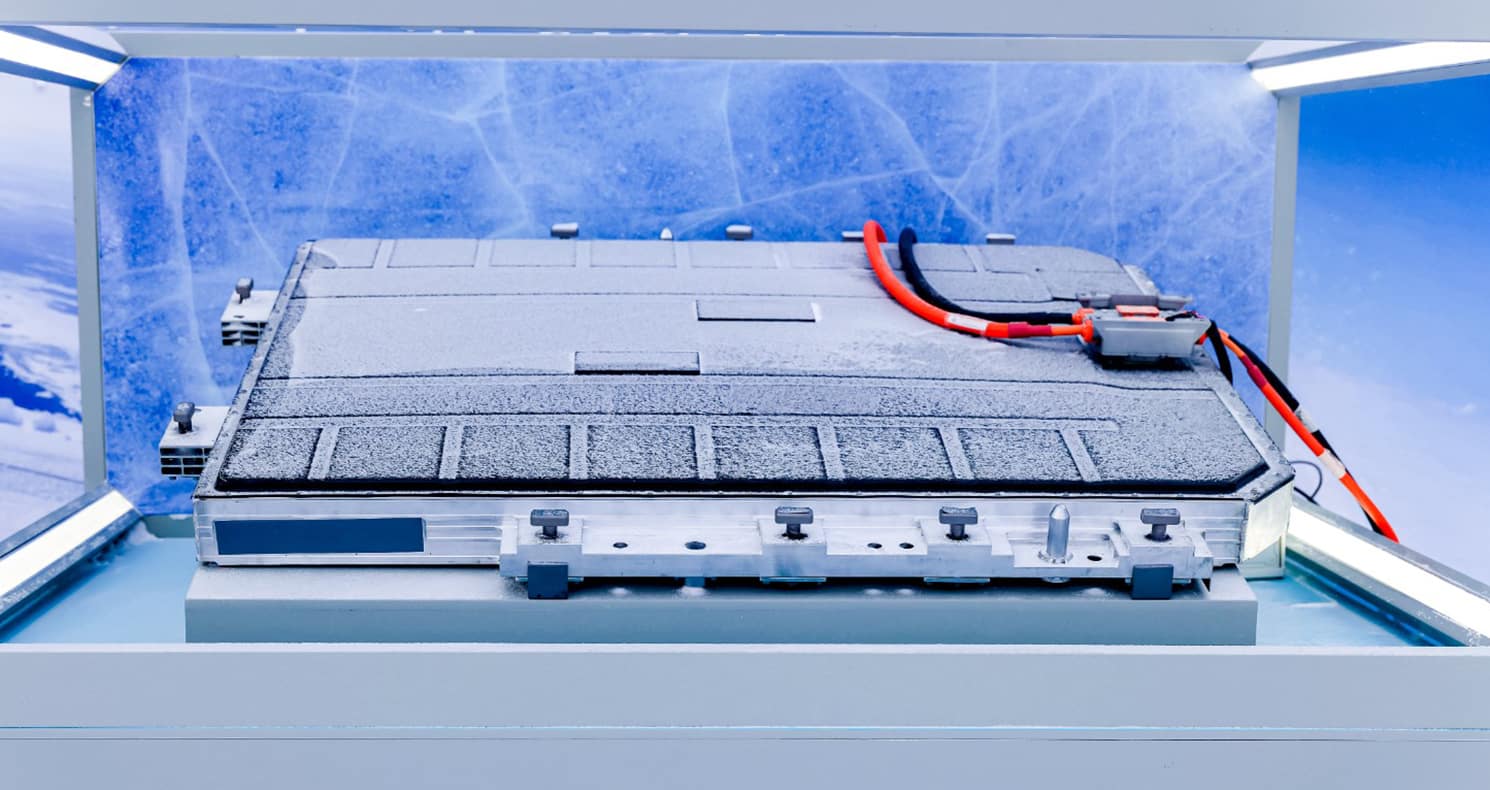
The world’s largest battery manufacturer is taking a significant step forward with an innovative technology that could reshape the electric vehicle (EV) landscape. China’s Contemporary Amperex Technology Co., Limited (CATL), which supplies batteries to a wide range of global automakers, is set to begin mass production of sodium-ion batteries this year, as reported by Chinese media.
Sodium-ion batteries are gaining attention for their potential to reduce the cost of electric vehicles. Unlike traditional lithium-ion batteries, they replace expensive lithium with sodium, a more abundant and cheaper material. This shift could significantly lower the price of EVs and ease supply chain pressures associated with lithium mining and refining.
Major Battery Breakthrough Confirmed
While solid-state batteries have been a hot topic in recent years, sodium-ion technology may offer a more immediate breakthrough for electric vehicles. This innovation could elevate models such as the 2026 BYD Atto 3, Hyundai Elexio, and Kia EV5 to new levels of affordability and efficiency.
CATL, a key supplier to brands like BMW, Hyundai, Tesla, and Xpeng, is developing sodium-ion batteries tailored for small cars. These batteries are not only cost-effective but also safer than conventional lithium-ion options. They are less prone to catching fire and perform better in extreme low temperatures, with reduced energy loss compared to other battery chemistries.
However, sodium-ion batteries currently have lower energy density than traditional lithium-ion cells. Recent advancements, though, have brought them closer to the performance of Lithium-Ferro-Phosphate (LFP) cells, which are popularized by BYD.
New Cut-Price Battery Could Be a Game Changer
CATL is preparing a series of these new sodium-ion batteries for both electric vehicles and grid-level storage. The company aims to produce batteries capable of delivering a driving range of up to 600km. This development follows reports of similar sodium-ion cell technologies being developed by Chinese automaker BAIC (Beijing Automotive Industry Corporation).
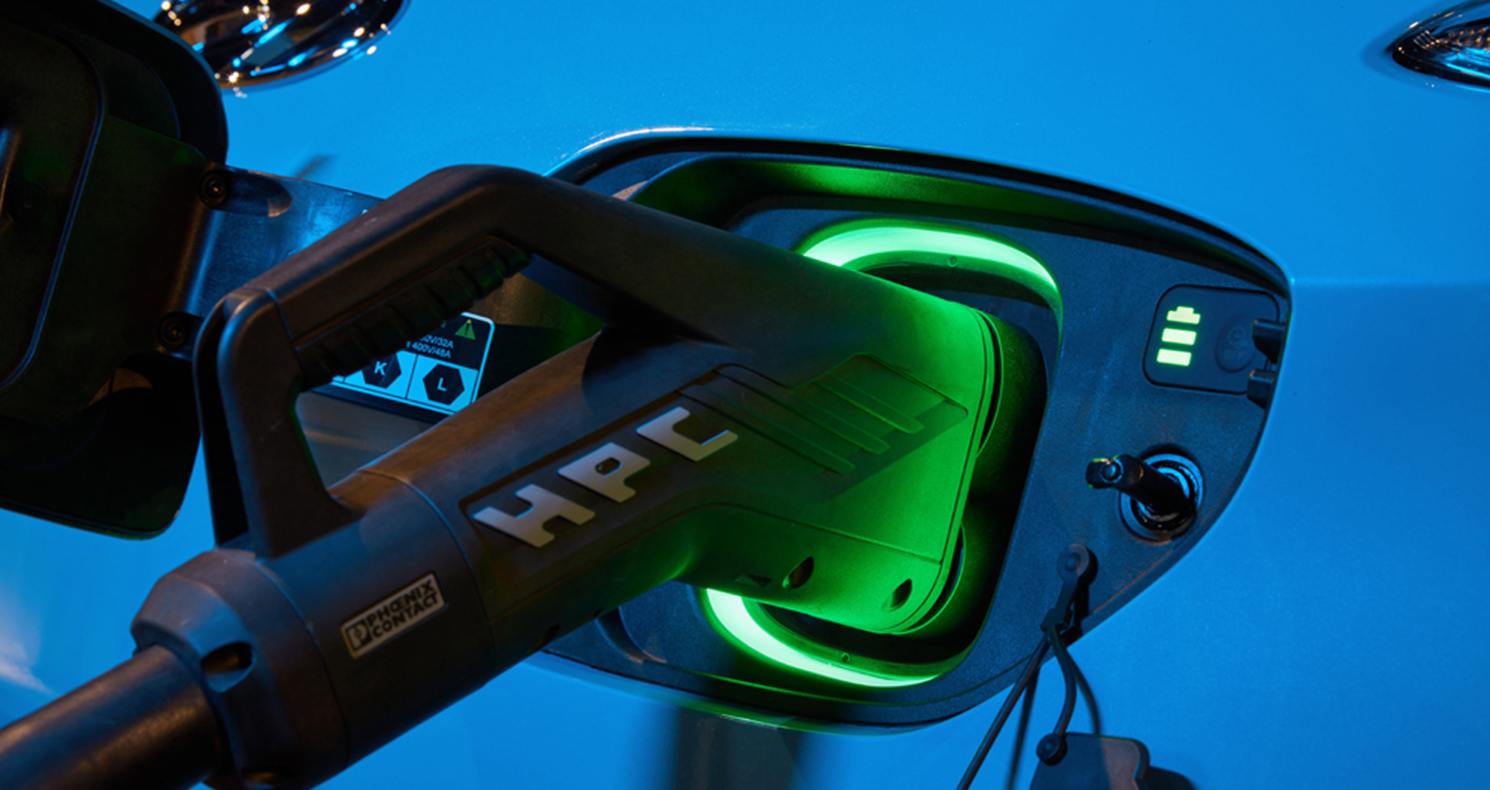
BAIC claims its latest sodium-ion battery can be fully charged in just 11 minutes. Testing has shown that it can absorb 200% of its capacity without increasing the risk of fire or explosion. While BAIC does not currently sell vehicles directly in Australia, the recently launched Hyundai Elexio was developed and built in collaboration with BAIC through a joint venture called Beijing Hyundai.
Other Innovations on the Horizon
In addition to sodium-ion batteries, CATL is exploring another promising technology: lithium-air batteries. These batteries use lithium as the anode and oxygen from the air as the cathode. This unique design allows the lithium metal to react with oxygen gas to generate electricity, resulting in a smaller and lighter battery. They are also claimed to be extremely energy dense.
Despite these advantages, lithium-air batteries face significant challenges. Safety, production, and scalability issues mean there is no clear timeline for when or if these batteries will become commercially viable.