A Coastline-Wide Effort to Count Dolphins
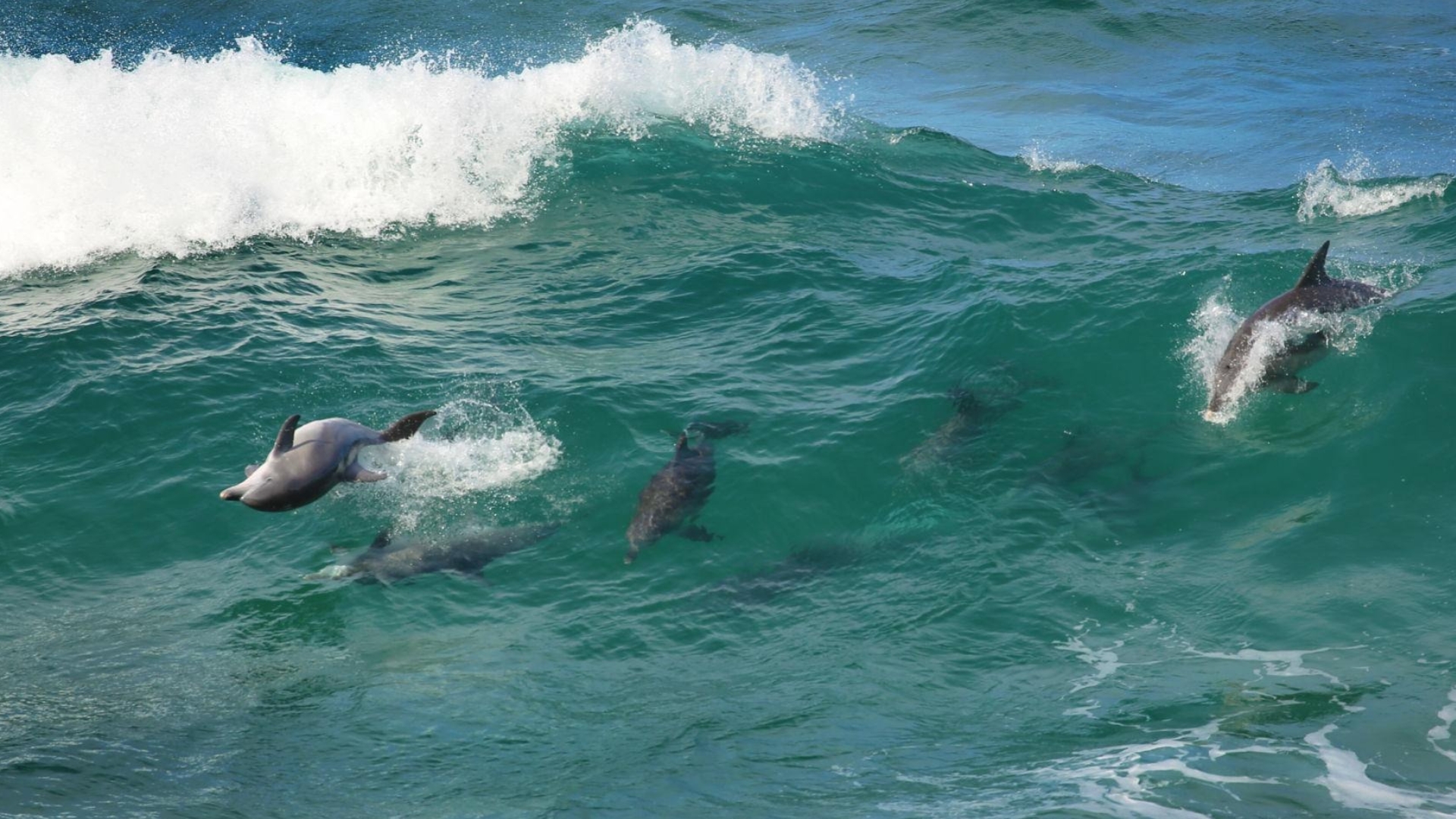
Dolphins are among Australia’s most recognizable marine animals, yet scientists still face challenges when it comes to understanding exactly how many inhabit the country’s vast coastal waters.
To help answer that question, researchers in New South Wales have launched a large-scale dolphin census that relies not only on scientists but also on members of the public.
The initiative encourages citizen scientists, boaters, coastal residents, and wildlife enthusiasts to record dolphin sightings, creating a valuable database that can help researchers better understand where dolphins live, how they move, and whether populations are changing over time.
The project demonstrates how public participation is becoming an increasingly important tool in wildlife conservation.
Why Counting Dolphins Is Difficult
Monitoring marine mammals presents unique challenges.
Unlike land animals, dolphins spend much of their lives beneath the surface, often appearing only briefly before diving again. They can travel long distances, move between habitats, and inhabit areas that are difficult for researchers to access regularly.
As a result, obtaining accurate population estimates can be expensive and time-consuming.
Traditional surveys often involve aircraft, research vessels, photography, and specialist observation teams. While effective, these methods cannot cover every stretch of coastline at all times.
Citizen science programs help fill some of those gaps.
Citizen Scientists Are Playing a Growing Role
The idea behind citizen science is straightforward: involve members of the public in collecting data that can support scientific research.
In recent years, volunteers have helped track everything from birds and butterflies to whales, sharks, and sea turtles.
For dolphin monitoring, participants can contribute valuable information by reporting sightings, recording locations, noting group sizes, and documenting behavior.
When large numbers of people participate, researchers can gather far more information than would otherwise be possible through traditional surveys alone.
Dolphins Are Important Indicators of Ocean Health
Scientists often view dolphins as important indicators of marine ecosystem health.
As top predators, they occupy a high position in the food chain and can reflect changes occurring throughout the broader environment.
Factors such as pollution, declining fish populations, habitat degradation, and climate-related changes can all influence dolphin populations and behavior.
By monitoring dolphins over long periods, researchers can gain insights into the condition of coastal ecosystems as a whole.
New South Wales Supports Several Dolphin Species
Australia’s coastal waters are home to a variety of dolphin species.
Bottlenose dolphins are among the most commonly observed, but several other species also occur in Australian waters depending on location and habitat.
Different populations may have distinct behaviors, social structures, and habitat preferences.
Understanding these differences is important because conservation measures that work well in one area may not be suitable elsewhere.
Long-term monitoring helps researchers identify trends and potential threats before they become serious conservation concerns.
The Value of Long-Term Data
One dolphin sighting on its own provides only a snapshot in time.
However, thousands of sightings collected over months and years can reveal patterns that would otherwise remain hidden.
Researchers can identify important feeding grounds, breeding areas, seasonal movements, and population changes. They can also assess how dolphins respond to increasing coastal development, vessel traffic, environmental changes, and other human activities.
The more information available, the better equipped conservationists are to make informed decisions.
Public Engagement Benefits Conservation
Citizen science projects offer another important benefit: they help people connect with wildlife.
Individuals who participate in monitoring programs often gain a deeper understanding of local ecosystems and become more engaged in conservation efforts.
This increased awareness can support broader environmental initiatives and encourage communities to take an active interest in protecting natural resources.
For marine species that spend much of their lives out of sight, fostering public interest can be particularly valuable.
Why This Story Matters
The New South Wales dolphin census is about more than simply counting animals.
It represents a growing recognition that effective conservation often depends on collaboration between scientists and the public. By combining professional research with community participation, projects like this can generate data on a scale that would otherwise be difficult to achieve.
For dolphins, the information gathered may help guide future conservation efforts and improve understanding of how marine populations are responding to environmental change.
And for the people taking part, it offers an opportunity to contribute directly to the protection of some of Australia’s most beloved marine mammals, one sighting at a time.