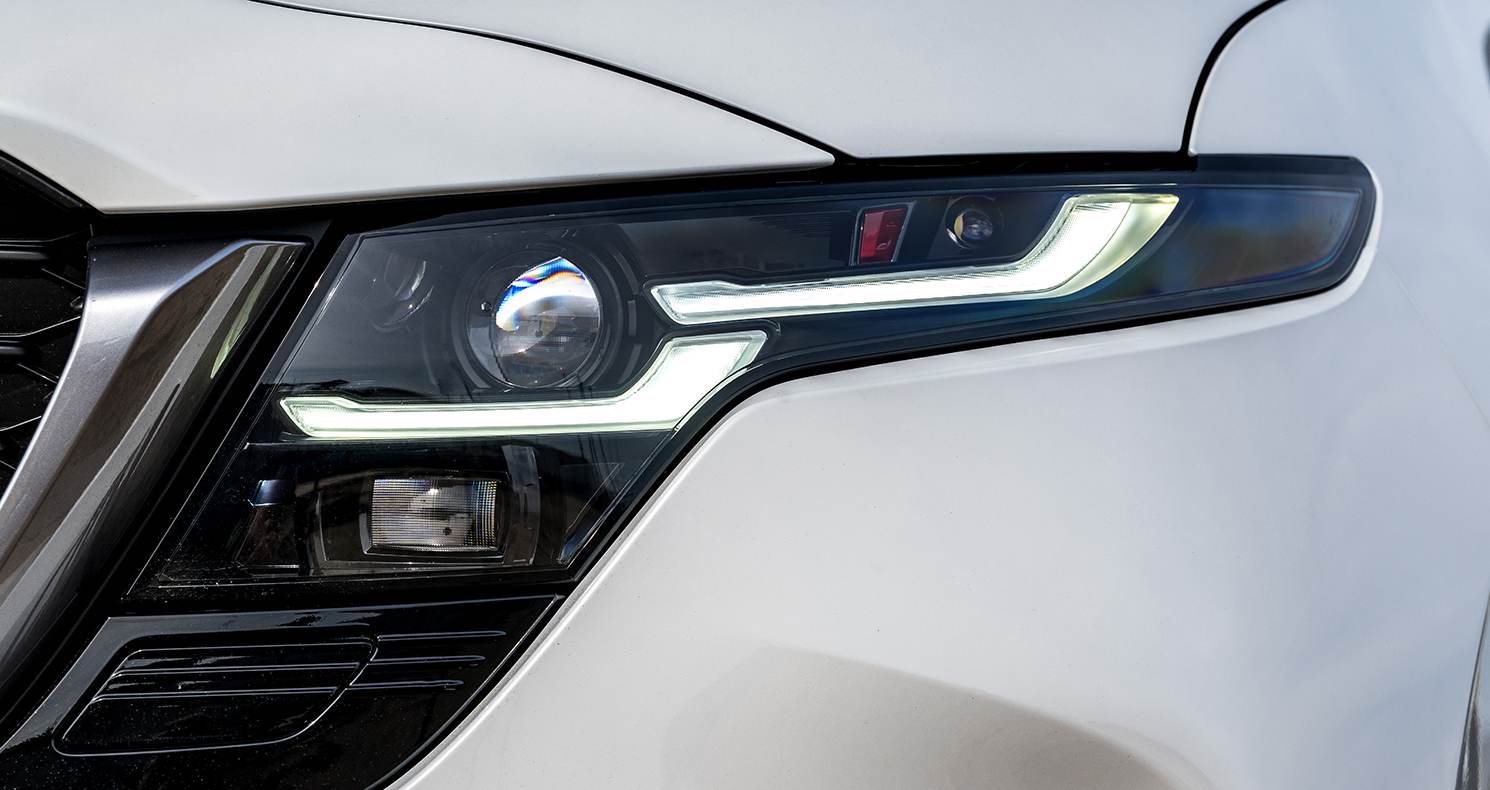
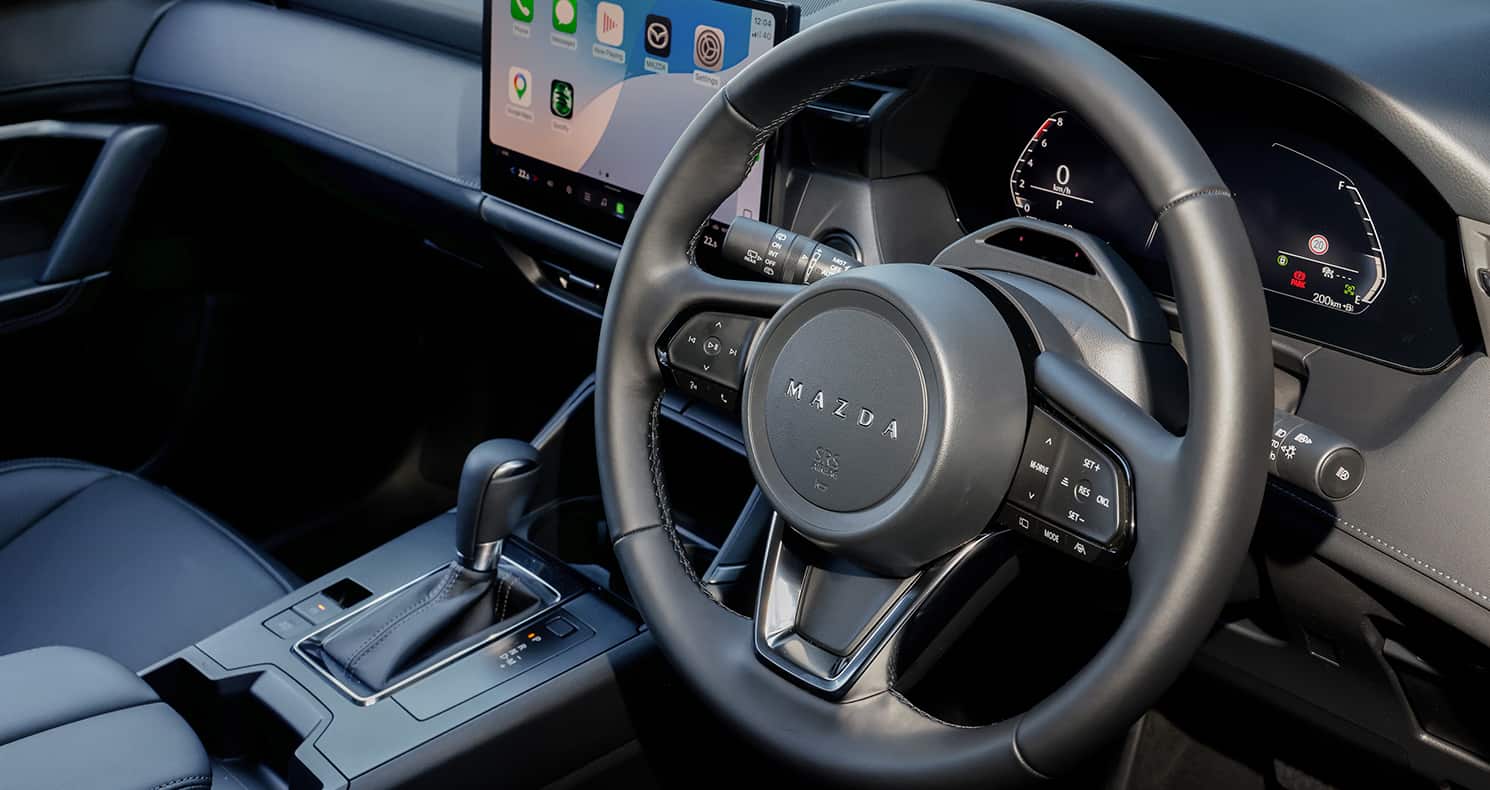
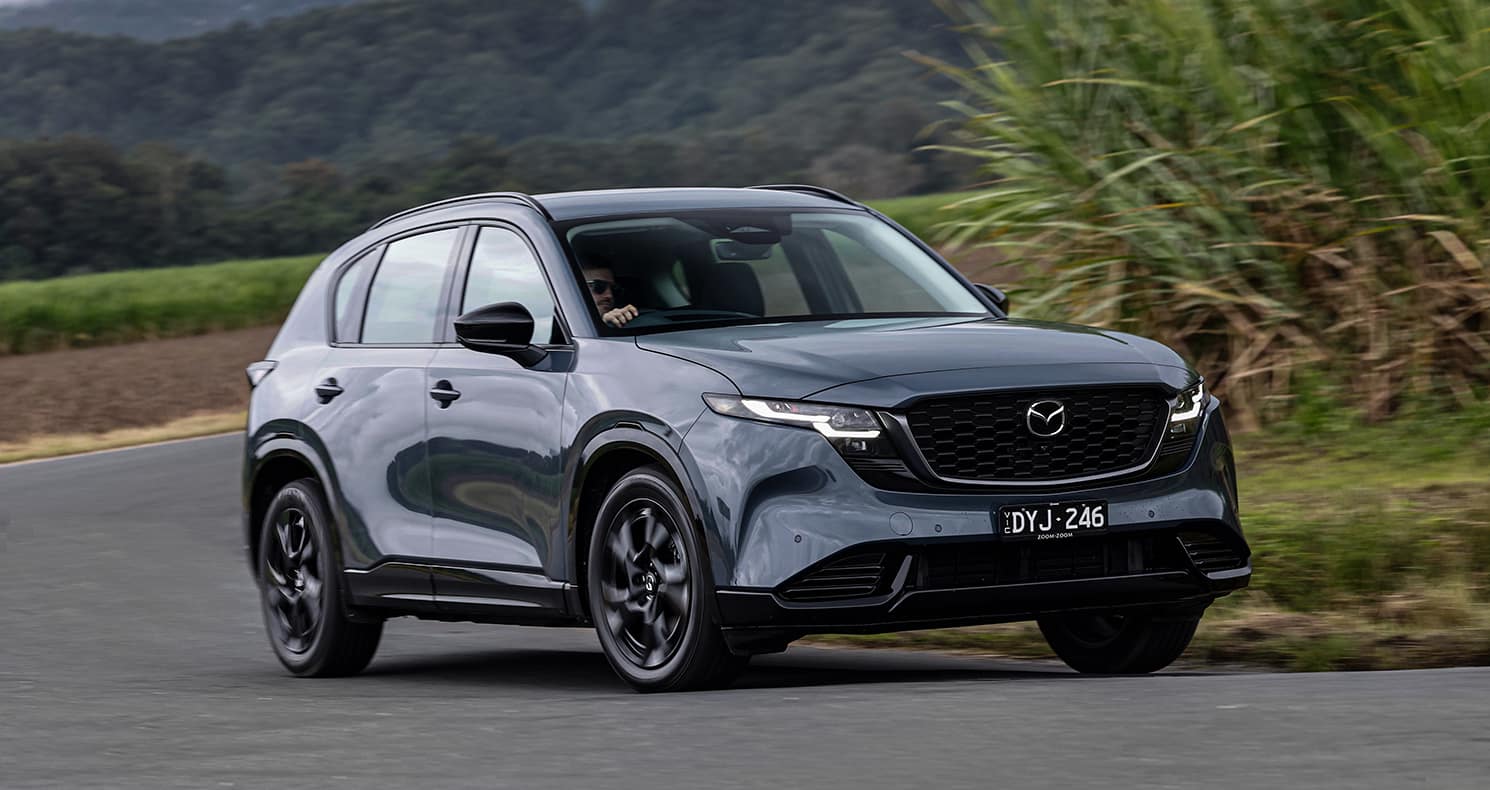
Mazda is preparing a hybrid-led onslaught with a difference, starting with its most popular model in the world, the CX-5.
The all-new, in-house-developed 2.5-litre SkyActiv-Z petrol-electric hybrid technology will be unveiled sometime later next year, ahead of an Australian launch in 2028, and will supplant the current, G25 2.5-litre naturally-aspirated four-cylinder petrol/all-wheel drive (AWD) powertrain, democratising the technology for the masses.
Mazda has already signalled the high performance/low consumption dual capabilities of this Euro-7 emissions-meeting hybrid.
・Mazda CX-5 2026 review: Australian first drive
This means it could potentially replace two powertrains that have already been retired in the new KM-series CX-5: the G35 2.5-litre turbo-petrol internal combustion engine (ICE) flagship, as well as the slow-selling D22 2.2-litre turbo-diesel that was dropped in 2023.
But we now understand that the SkyActiv-Z’s thermal-efficiency and ultra-lean combustion breakthroughs suggest that it may not need to rely as much on heavy electrification tech like batteries, motors and inverters.
It could end up being a lighter, simpler and more cost-effective solution to a traditional hybrid set-up like Toyota’s.
This may allow for multiple versions and applications for the SkyActiv-Z tech, including one that could fill in for the discontinued G20 2.0-litre front-wheel drive powertrain in the 2028 CX-5 line-up as the series opener. That honour currently resides with the new G25 Pure AWD from $39,990 before on-road costs.
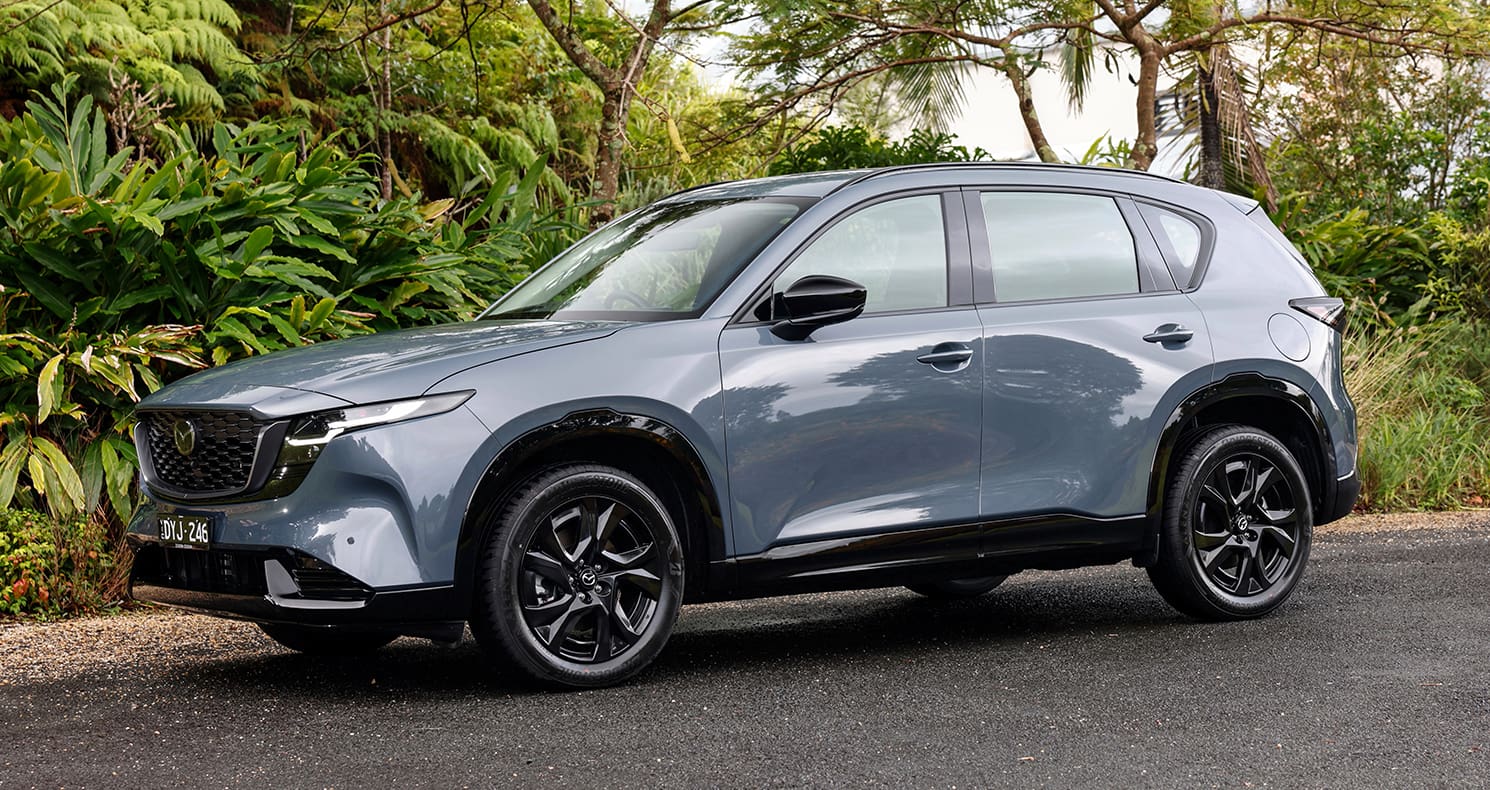
According to Mazda Australia Managing Director Vinesh Bhindi the intention is to make the CX-5 hybrid as competitive as it can be in the market so there will be no limitations placed in terms of accessibility or reach.
“We haven’t locked down any specifications on front-wheel or all-wheel drive,” he explained to CarsGuide.
“But I can confirm that we will have a more broad offering, as opposed to limiting (hybrid) to either the mid or high series (grades).
“We will have a broad offering of the hybrid technology.”
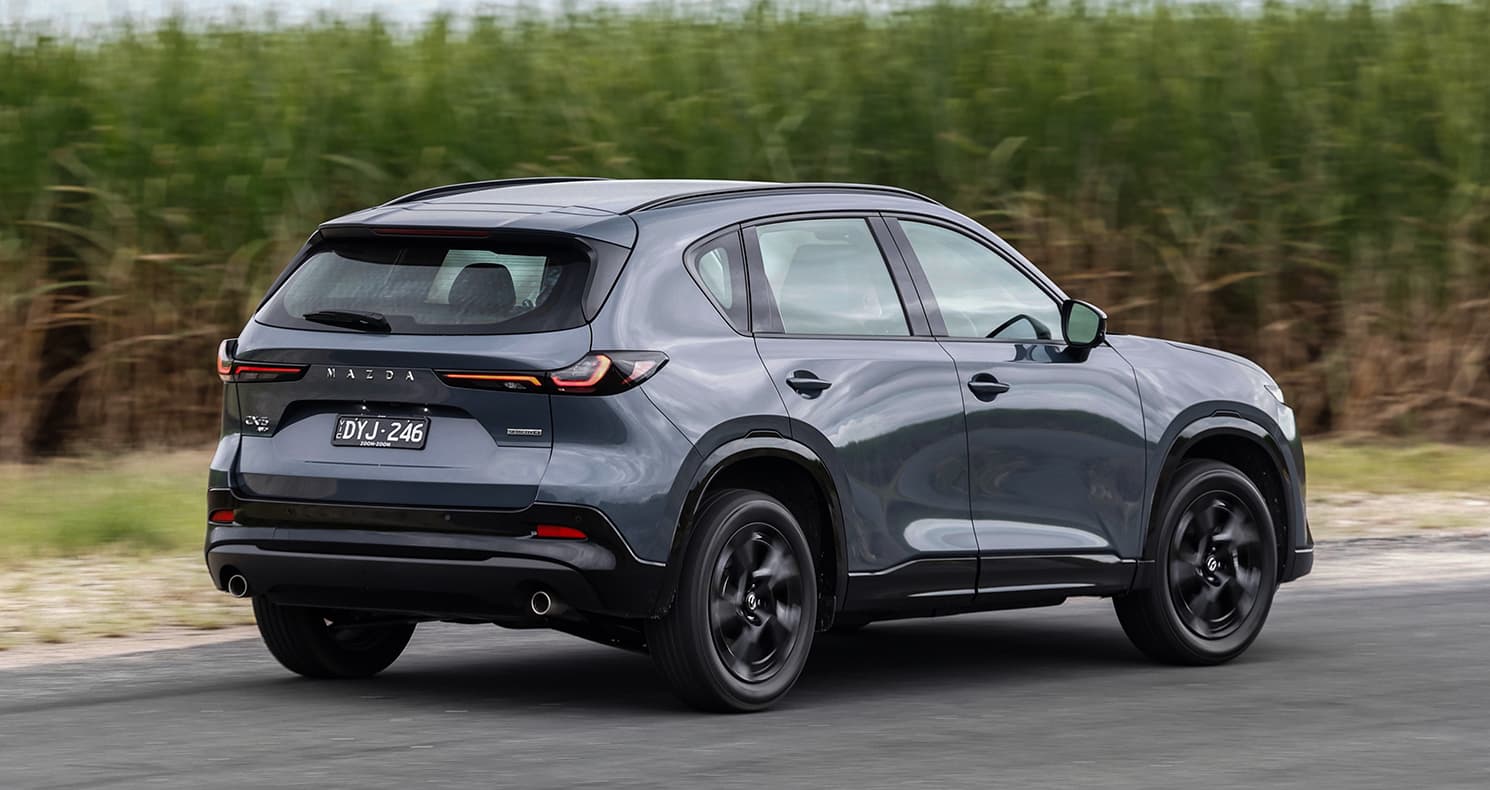
Whether the SkyActiv-Z hybrids render the remaining G25 2.5-litre unit obsolete remains to be seen.
Given this has been the mainstay engine of the earlier CX-5 generations since 2013 in Australia (accounting for nearly 60 per cent of total volume last year), it will likely enjoy a stay of execution for some time yet to come.
This is despite the big four-cylinder petrol engine’s advancing years and comparatively high emissions and the potential penalties that Mazda Australia will face keeping it on sale here due to the increasingly-stringent New Vehicle Efficiency Standard (NVES).
“But, alongside (the coming CX-5 hybrids), we think there will be a market for ICE for a long period yet,” Bhindi added. “Pure ICE.
“And the way we’re looking at it is, when you look at Mazda’s portfolio of what we offer and will offer in the medium SUV segment, we will cater for the three categories of customers that I think will generally be available in the marketplace.
“There will be a category that will say, ‘what’s the most efficient?’ And that’ll be battery electric vehicle (EV), and our CX-6e will be a very compelling option in the marketplace.
“On the other side, we will have CX-5 ICE along with the hybrid, and then we also will have CX-60, which is offered in four powertrains – a 2.5L petrol, the inline six-cylinder diesel, inline six-cylinder petrol, and the plug-in hybrid electric vehicle (PHEV).”
Bhindi believes offering a wide spectrum of choice gives Mazda the unique opportunity to tailor the sort of hybrids that will work best for the CX-5.
“The reason why we have asked the program team to design something different to what’s available in the marketplace with a hybrid,” he explained.
“Because we have that broad coverage, and we want something that will be… special for Mazda customers, and that takes time and resources for the engineers to work out.”
While Mazda Motor Corporation CX-5 Program Manager, Koichiro Yamaguchi, declined to divulge specific details about the hybrid, he did reiterate how on-brand it will be.
“We want to make sure that our hybrid system delivers excellent performance elements, but we want to make sure that this is a very uniquely Mazda signature hybrid system that you will enjoy driving,” he told CarsGuide via an interpreter.
“It should be a fun-to-drive hybrid.”
With a back catalogue that includes the RX-8 rotary grand-touring sports car, wildly-successful second-generation (BL-series) 3/Axela small car and well-received CX-30 small SUV, the hybrid is in good hands with the 34-year Mazda veteran.
“The SkyActiv-Z engine will match the technology of the gasoline engines… and at low revs-per-minute driving situations an electric system will strongly support this engine, and make sure that the fuel economy of this engine will satisfy customer expectations,” Yamaguchi-san said.
“And we’re also pursuing Mazda’s unique signature driving fun, as that is something we are sticking to.”
Asked if SkyActiv-Z will be a traditional series-parallel hybrid set-up like Toyota’s, more of a range-extender EV set-up as per the Nissan e-Power hybrid, or an in-between arrangement like Honda’s e:HEV, Yamaguchi said it will be its own thing.
“Our system will be similar to none of those,” he revealed.
“We are trying to get similar characteristics to the series-parallel system. But we are also aiming to offer a hybrid that has a driver-focused feeling, with an instant connection that is very good for the driver.”