Courtroom exhibits reveal that Elon Musk once proposed the name “Freemind” for OpenAI, intending it as a philosophical contrast to Google’s AI initiatives.
In correspondence with Sam Altman, Musk described the name as a deliberate counterpoint to Google’s DeepMind AI lab. Altman, however, was not entirely convinced and suggested alternatives such as “Axon” or names tied to Alan Turing.
Newly disclosed courtroom documents in the high-profile legal battle between Elon Musk and Sam Altman highlight how OpenAI nearly adopted a different name—one that was meant as a subtle jab at an AI competitor.
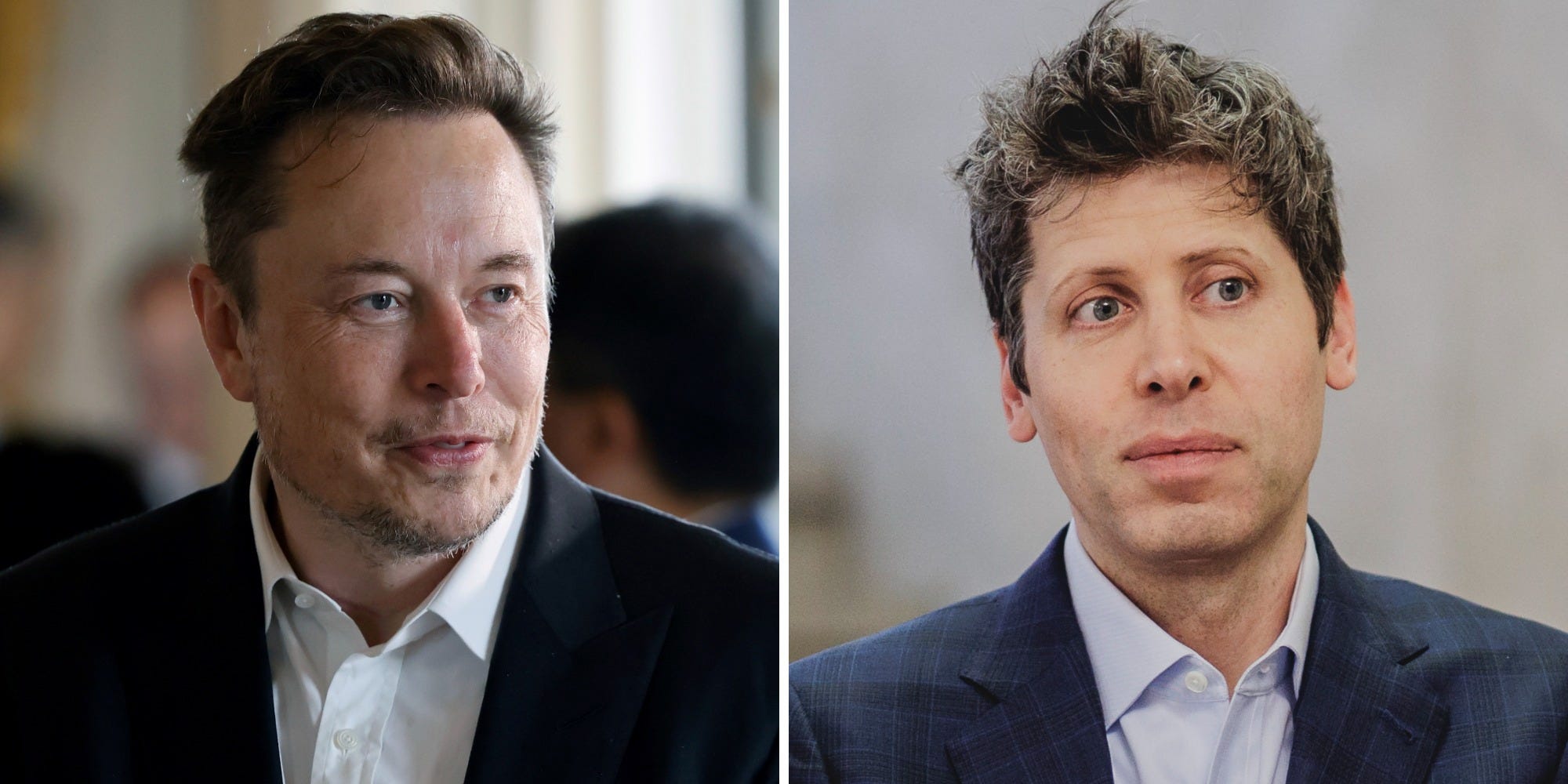
Musk and Altman, along with other co-founders, established OpenAI in December 2015 as a nonprofit artificial intelligence research laboratory. A November 2015 email exchange between the two reveals how Musk proposed naming the company “Freemind.” He framed the name as “partly an intentional philosophical counter” to Google’s DeepMind.
“Least bad name I have thought of so far is Freemind. Conveys the sense that we are trying to create digital intelligence that will be freely available to all — the opposite of Deepmind’s one-ring-to-rule-them-all approach,” Musk wrote to Altman, according to trial exhibits submitted by Musk’s legal team.
Altman was not entirely sold on the idea, noting that the name was “a little too close to Deepmind.” He suggested alternatives such as “freethink” or “freemerge.”
The OpenAI CEO said his “best idea” for a name so far was “Axon.” In response, Musk acknowledged that Axon was a viable option, though he noted that it “slightly sounds like Google Brain or, more generally, that we think digital intelligence consists of brain emulation.”
“Pretty much all names suck in the beginning though,” Musk wrote. “Given several choices, I tend to favor names that convey the mission of the company and hopefully have a positive impact on recruitment.”
Altman later told Musk that he was “warming up fast” to the idea of Freemind. “It definitely conveys the right spirit. Also thinking about names related to Turing somehow,” Altman wrote, referencing famed computer scientist Alan Turing, who developed a test in the 1950s to determine whether a machine could pass as human.
Musk responded, “Something Turing-related that doesn’t sound too ominous might be good. Want to avoid the Turing Test association though, as that sounds too much like we are replacing humans.”
The high-stakes federal civil trial in Musk’s lawsuit against OpenAI and Altman over the company’s shift to a for-profit entity began on Tuesday with opening arguments in an Oakland, California, courtroom.
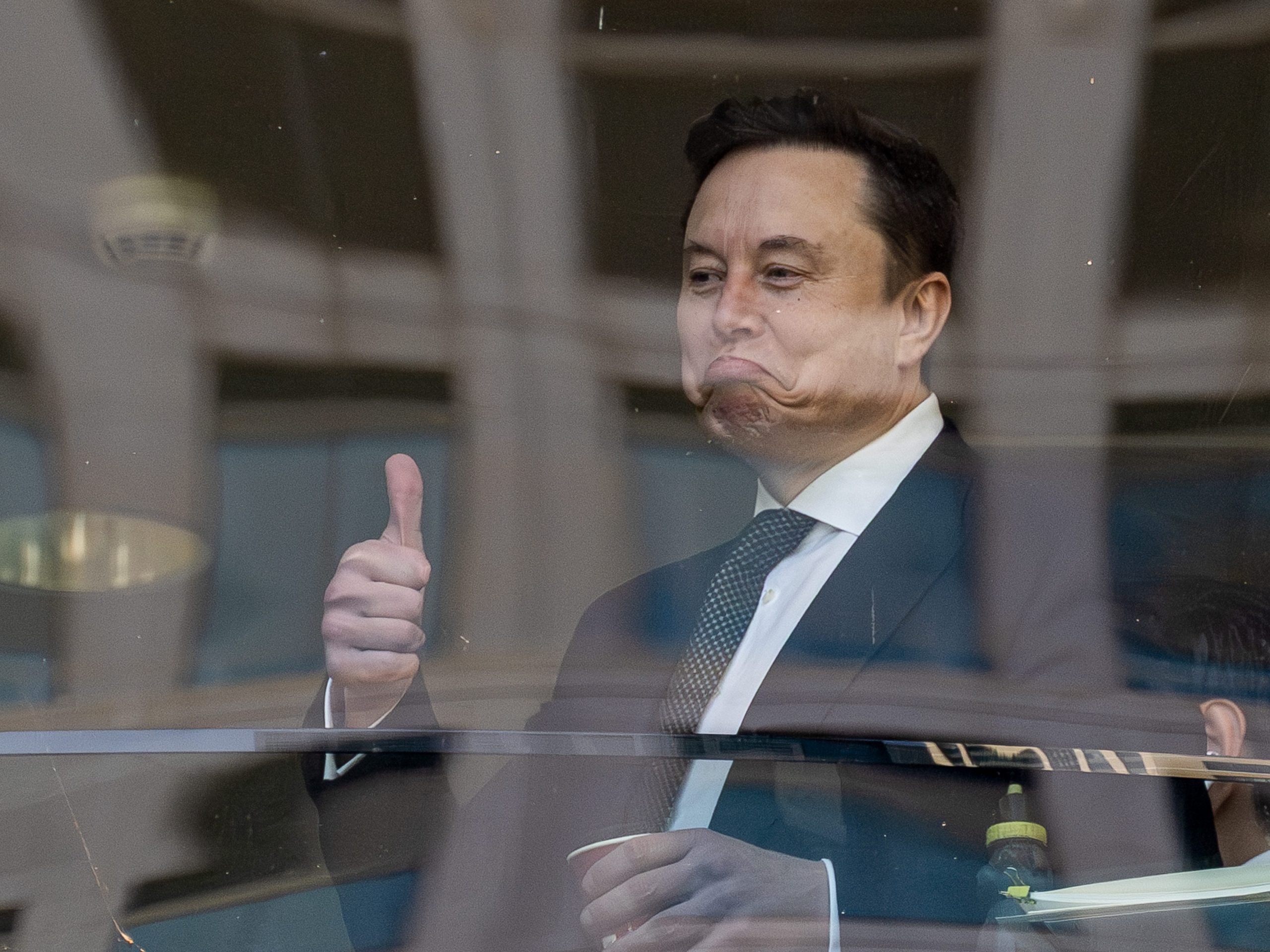
Musk, the world’s richest person, was called as the first witness on Tuesday by his attorneys and continued his testimony on Wednesday.
During questioning by his lead trial attorney, Steven Molo, Musk spoke about his concerns regarding AI and what led him to co-found OpenAI.
“I thought it was extremely important to have a counterbalance to Google,” Musk testified. “Google did not seem to care about AI safety at that time.”
Google did not immediately respond to a request for comment by Business Insider on Wednesday.
If you enjoyed this story, be sure to follow Business Insider on MSN.