
Gold-Focused Drilling Begins at Yttria in Leonora North
GoldArc Resources (ASX:GA8) has initiated a new 11,000m aircore drilling program at the Yttria prospect, located within its Leonora North project in Western Australia. This marks a significant shift in focus from the site’s previous rare earth elements (REE) exploration to a more targeted gold investigation.
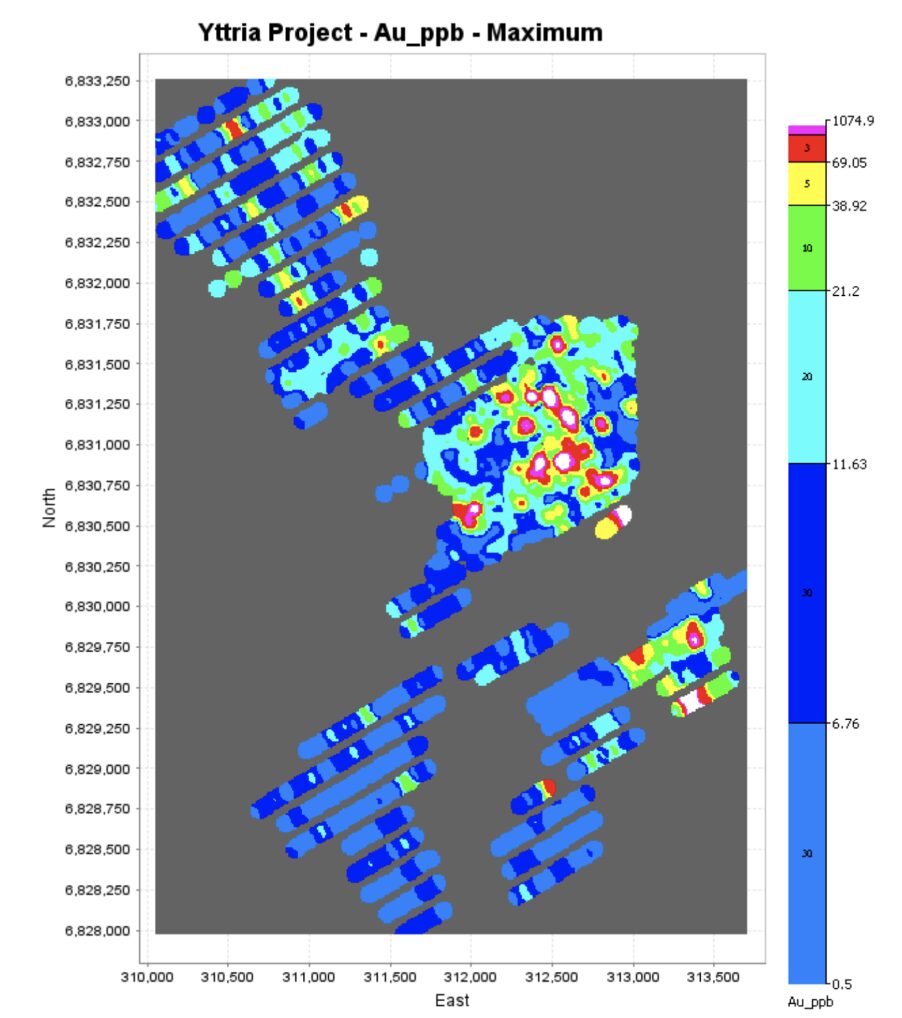
Yttria was initially explored for REEs such as yttrium and scandium, but recent findings have revealed a potential gold system that spans at least 4km. The discovery has positioned Yttria as a key priority for the company, highlighting a new opportunity in the Eastern Goldfields region.
The drilling campaign is focused on gold anomalies identified during earlier vertical vacuum and RC drilling efforts, which were originally conducted with an REE-centric approach. These anomalies are now being systematically tested for their gold potential.
Key Geological Findings
Managing Director Paul Stephen highlighted the significance of the geological data collected at Yttria. “Yttria has been sitting in our portfolio as a former REE asset, but the geochemistry was telling a very different story focused on gold,” he said.
Stephen explained that the presence of multiple parallel anomalies over 4km of strike, along with the association of arsenic and tellurium with gold, is a strong indicator of a gold system. These anomalies also coincide with magnetic lows, which are interpreted as structural corridors—characteristic features of orogenic gold systems.
“This 11,000m aircore program is our first systematic test of that gold potential, in a belt hosting several active and emerging gold operations,” Stephen added.
Historical Data and Future Potential
Yttria currently holds a JORC mineral resource estimate for REEs of 15Mt at 490ppm TREO. However, a comprehensive review of historical REE data has uncovered extensive gold anomalies that extend over 4km of strike length.
These anomalies are consistently linked to arsenic and tellurium, both of which are well-known pathfinder elements for orogenic and structurally hosted gold systems. Their presence, combined with magnetic lows, aligns with the structural features observed in major gold deposits in the Leonora district.
Notable examples include the Gwalia deposit, now owned by Genesis Minerals, as well as Tower Hill, Harbour Lights, King of the Hills, and Darlot-Centenary. These deposits underscore the potential of the region for high-grade gold discoveries.
Next Steps and Strategic Focus
The current aircore drilling program is designed to test each of the defined gold anomalies along their full strike extent. This will provide GoldArc with its first drill-hole dataset specifically targeting gold at Yttria.
“We look forward to bringing results to market as they come in,” Stephen said.
In addition to the drilling program, GoldArc has decided to relinquish 10 non-core tenements to streamline its exploration efforts. This strategic move aims to focus expenditure on higher-priority projects while reducing holding and compliance costs.
Conclusion
The shift in focus at Yttria represents a pivotal moment for GoldArc Resources. With the identification of a large-scale gold system and the ongoing drilling program, the company is well-positioned to unlock new value in the Leonora district. As results from the aircore program become available, the potential for further discoveries could significantly enhance the company’s exploration portfolio.