The Strategic Importance of Cislunar Space
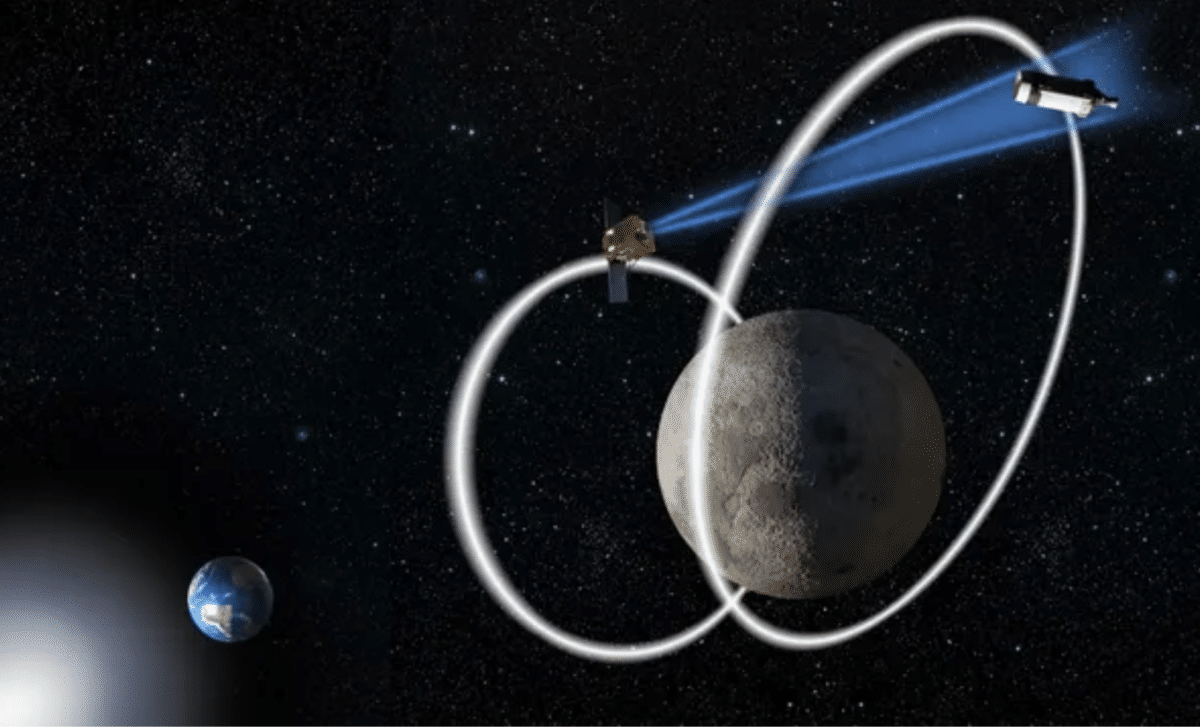
Cislunar space, the region between Earth and the Moon, is no longer just a vast expanse of empty space. It is becoming a critical area for space exploration and economic activity. Despite its immense size, spacecraft cannot move freely in all directions. Instead, they must follow specific paths dictated by orbital mechanics. These routes pass through key locations such as Lagrange points and stable transfer corridors, which means that traffic becomes concentrated in predictable zones.
This concentration of movement has significant implications. As NASA’s Artemis program aims to establish a long-term human presence on the Moon, and private companies plan industrial activities, these routes will become increasingly busy. The transportation of crews, equipment, and raw materials will depend on reliable access through these narrow pathways. This growing importance is reflected in policy decisions on Earth, with the United States Space Force assessing the strategic value of cislunar space.
A Warning from Earth’s Geopolitics
Recent events on Earth highlight how geography can shape global stability. Marc Feldman, executive director of the Center for the Study of Space Crime, Piracy and Governance, noted that “In parallel, Iran has blocked the Strait of Hormuz, causing global energy markets to spike and everyone to notice, yet again, how vulnerable we are to accidents of geography.” He added, “Sometimes, a pair of events contains a warning, if you are able to see it.”
The comparison between maritime chokepoints and space routes is not just symbolic. “Just as the Strait of Hormuz is a narrow waterway, cislunar space, though seemingly large, actually contains a few unique and exclusive points of transit through which all lunar travel must pass,” said Feldman. These bottlenecks could, in theory, be monitored or controlled, creating risks similar to those seen in global shipping lanes.
As more countries and companies invest in lunar missions, dependence on these routes will increase. A disruption at a single key point could delay missions, interrupt supply chains, and affect industries on Earth. Over time, the economic consequences could resemble those triggered by the closure of major shipping routes, where even short interruptions can send shockwaves through global markets.
The Enormous Economic Stakes of the Lunar Future
The long-term value of cislunar space depends on future development. Peter Garretson, speaking to Space.com, explained, “It depends on if your valuation is only current value or includes future value. By analogy, are you asking about this year revenues or expectation of future revenues expressed in Net Present Value?” He added, “Obviously any current commercial value of the moon is tiny, but at the same time, the expectation of future value is gargantuan, both in market and strategic value.”
This future value is tied to ambitious plans for lunar industry and space-based infrastructure. Concepts include using resources from the Moon to build large structures in orbit, such as solar power stations and data centers. Because it requires less energy to launch materials from the Moon than from Earth, it could become a major source for constructing space infrastructure.
As these systems expand, entire sectors could depend on lunar supply chains. Data centers, energy production, and manufacturing facilities in orbit may rely on a steady flow of materials through cislunar space. This would transform the region into a vital economic corridor, where disruptions could have global consequences.
Could a Lunar Blockade Become Reality?
The idea of a blockade in space remains theoretical, but experts consider it possible under certain conditions. Garretson responded, “Certainly. At some future point, could such interdiction have a serious impact on the global economy? Maybe.” Data centers and other advanced systems could increase reliance on uninterrupted access, making any disruption more significant.
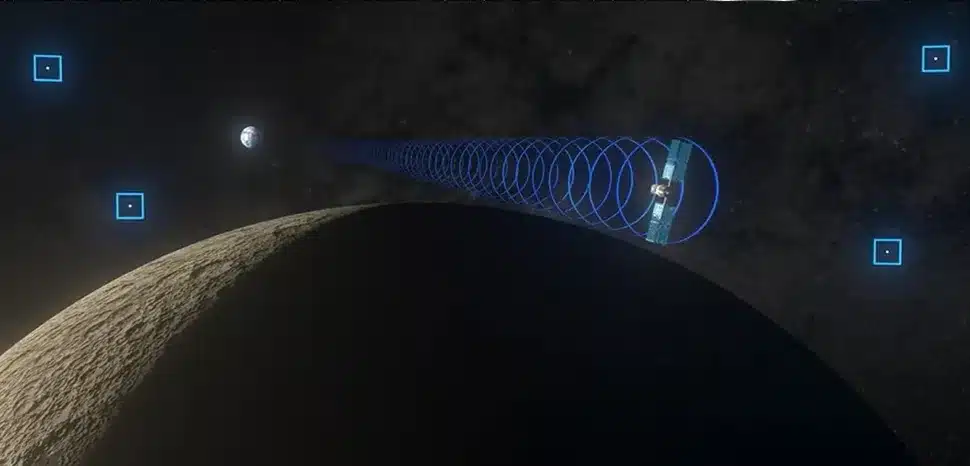
A blockade in space would not necessarily involve physical barriers. It could take the form of interference with navigation systems, disruption of communications, or control over critical orbital positions. As technology advances, these methods may become more feasible for both governments and private actors.
As human activity expands beyond Earth, the same strategic pressures that shape global politics are likely to follow. Cislunar space may evolve into a region where access and control carry enormous weight, linking the future of space exploration directly to economic stability on Earth.