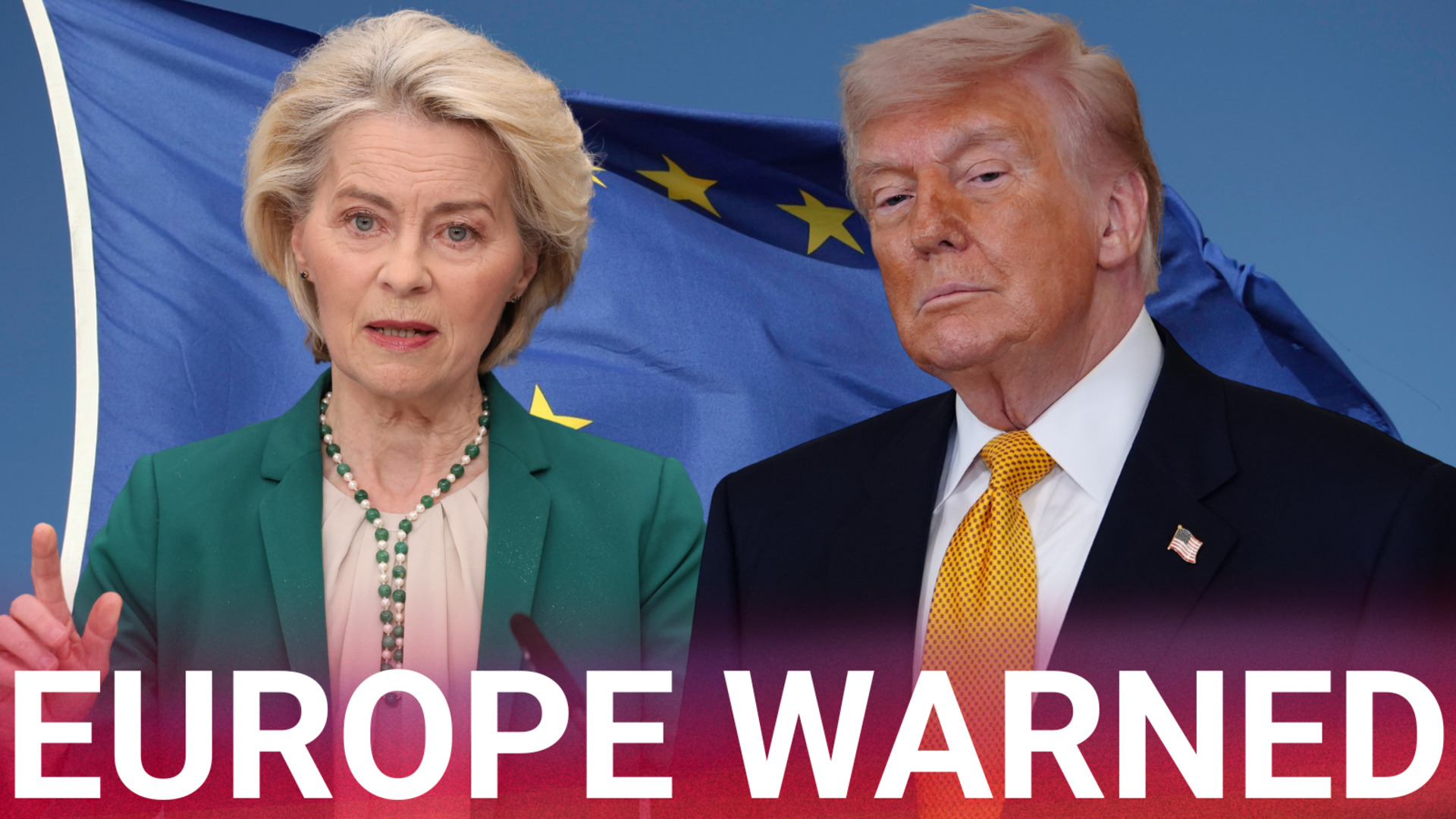
US President Trump Pressures EU on Trade Deal
US President Donald Trump has intensified pressure on the European Union to “fulfil” its trade deal, warning that failure to do so could result in higher tariffs. This move comes as part of ongoing discussions between the US and EU regarding their recent trade agreement.
Recent Developments in US-EU Relations
On Thursday, President Trump shared a post on Truth Social, highlighting a positive conversation with European Commission President Ursula von der Leyen. He described the call as “great,” indicating a level of satisfaction with the dialogue. During their discussion, the two leaders addressed several key issues, including the critical matter of Iran’s access to nuclear weapons and the terms of the EU-US trade deal finalized last year.
Tariff Threats and Negotiations
Earlier in the week, Trump had threatened to raise tariffs on EU-made vehicles from 15 per cent to 25 per cent. This increase was initially set to take effect this week, creating concern among EU officials about potential economic repercussions. However, following the meeting between Trump and von der Leyen, the president agreed to delay the tariff hike until July 4. This decision provides additional time for negotiations and allows both parties to explore possible compromises.
Implications for the Trade Deal
The postponement of the tariff increase is seen as a strategic move by Trump to encourage further dialogue with the EU. By extending the deadline, he aims to create an environment conducive to reaching a more favorable agreement. This approach reflects his broader strategy of using trade policies as leverage in international relations.
Key Points from the Meeting
- Positive Dialogue: The meeting between Trump and von der Leyen was characterized as productive and constructive.
- Focus on Iran: A significant portion of the discussion centered on ensuring that Iran does not gain access to nuclear weapons.
- Trade Agreement: The EU-US trade deal from last year was a central topic, with both leaders emphasizing the importance of fulfilling its terms.
Ongoing Challenges and Future Steps
Despite the positive developments, challenges remain in achieving a comprehensive trade agreement. The EU is likely to push for more favorable terms, while the US seeks to protect its domestic industries. The upcoming months will be crucial in determining the outcome of these negotiations.
Conclusion
The recent interactions between US President Donald Trump and European Commission President Ursula von der Leyen highlight the complex nature of international trade relations. While the postponement of the tariff increase offers a temporary reprieve, it also underscores the need for continued dialogue and cooperation between the US and the EU. As both sides work towards a mutually beneficial agreement, the focus will remain on addressing key concerns and ensuring long-term economic stability.