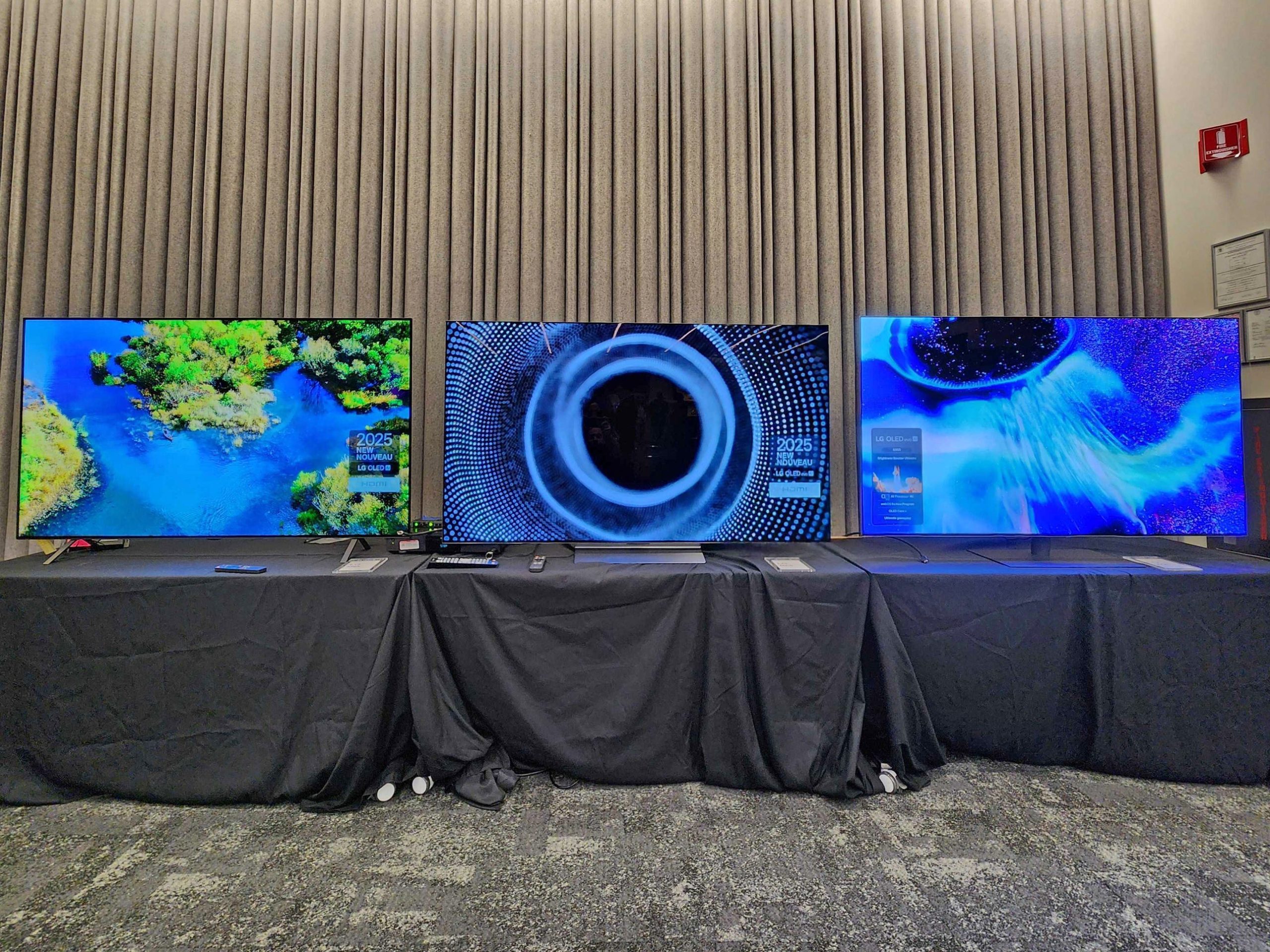
Best LG TVs for 2026: A Comprehensive Guide
LG is well known for its OLED TVs, which routinely deliver some of the best picture quality on the market. That said, not every LG display is created equal. I review TVs year-round, so I know exactly what separates a good display from a mediocre one. To make shopping easier, I’ve rounded up the best LG TVs you can buy right now, with picks for different budgets.
The LG C5 OLED is my top choice for most people. It’s a midrange model that balances price and performance beautifully, delivering great picture quality without the higher cost of LG’s flagship sets. But if you’re building a serious home theater and want an even better image, the LG G5 OLED is my upgrade pick. It’s one of the most impressive-looking TVs I’ve tested, offering a brighter picture than the C5.
LG also offers cheaper TVs that use basic LED backlights, but they’re generally beaten by alternatives from other companies. Based on my extensive testing across TV brands, LG really stands apart with its OLED models, which is why I’ve focused on OLEDs in this guide.
Our Top Picks for the Best LG TVs
Best Overall:
LG C5 OLED 4K TV – See at Amazon
Best High-End:
LG G5 OLED 4K TV – See at Amazon
Best Budget OLED:
LG B5 OLED 4K TV – See at Walmart
Best Overall
The C5 is the best LG TV for overall value. It balances price and performance better than any other model in the brand’s lineup. It’s also available in many sizes, ranging from 42 to 83 inches.
The C5 delivers pixel-perfect contrast and deep black levels thanks to its WOLED panel. Other panel types are prone to uneven brightness, which can lead to elevated black levels and halos around bright objects. But the C5 is completely free from any backlight inconsistencies. It boasts an infinite contrast ratio, resulting in exceptional image quality with inky shadows that disappear into a dark room. You can learn more about OLED technology in our OLED vs. QLED comparison.
Peak brightness is good, though not as high as pricier models. Our reviewer measured a max of around 1,174 nits, which is enough to deliver solid impact in specular highlights (such as explosions) when watching high-dynamic-range (HDR) content. The C5 can produce a wide range of colors, but very bright colors aren’t as vibrant as they are on some competing Samsung OLED TVs.
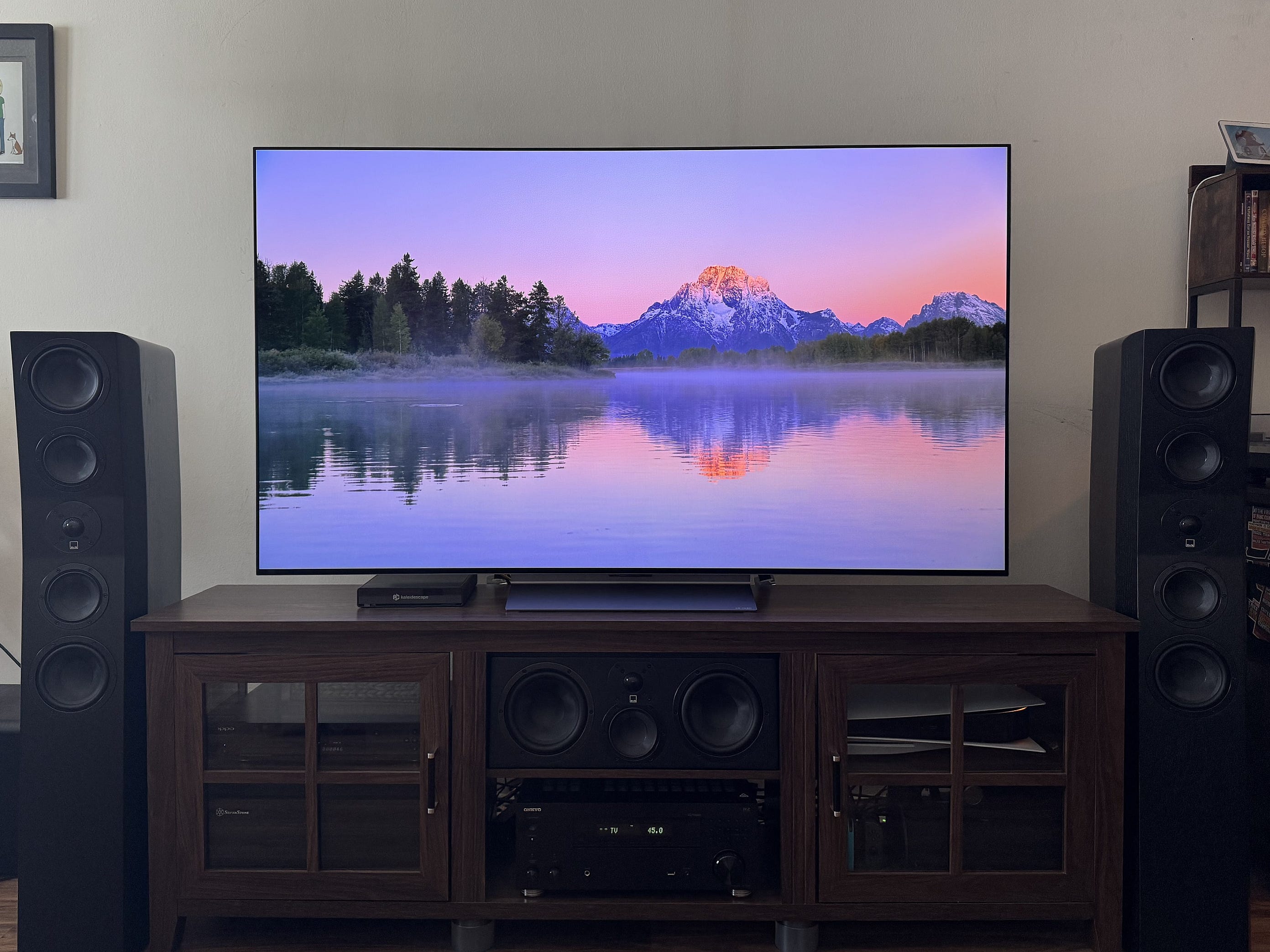
The C5 offers wide viewing angles, so contrast and colors shift only slightly when viewed from off-center positions. This makes the C5 a great choice for rooms where you can’t always sit directly in front of the TV.
It’s also a good gaming TV thanks to its 144Hz refresh rate, which provides smooth motion. However, some TVs can support a higher 165Hz refresh rate, which could be beneficial for dedicated PC gamers.
Note:
A 2026 version of this TV, the C6, is also available. The new model is very similar, except for the 77- and 83-inch sizes. Those larger sizes use a noticeably brighter screen. You can learn more in my LG 2026 OLED TV roundup. While it’s in stock at a lower price, the C5 is the better value for most needs.
Read our full LG C5 4K TV review.
Check out our guides to all of the best 4K TVs and best smart TVs.
Best High-End
LG’s G5 is pricey, but it’s one of the best premium OLEDs I’ve reviewed. Most will be satisfied with the cheaper C Series, but the G5 is the best LG TV for home theater fans willing to splurge on industry-leading image quality.
The G5 has a much brighter screen than cheaper LG OLEDs. It achieves this boost in performance by using a more advanced OLED panel that LG calls “Tandem” or “four-stack” OLED. I measured a peak brightness of around 2,400 nits using an industry-standard 10% test pattern. That’s one of the highest readings I’ve ever recorded on an OLED TV, enabling the G5 to deliver exceptional HDR performance that surpasses dimmer models like the C5.
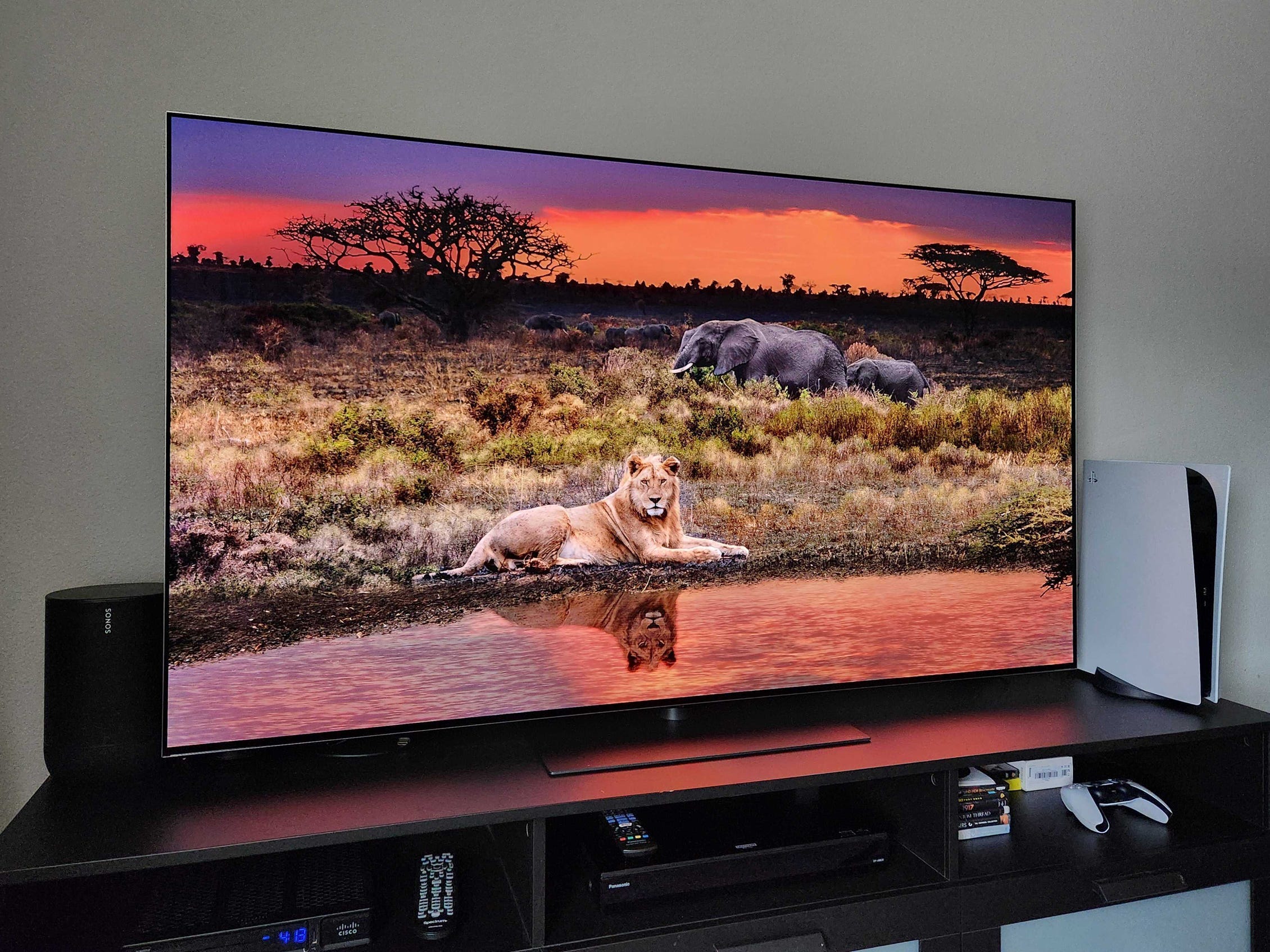
The G5’s higher brightness is impressive, but it only matters when watching certain content. Many modern movies and TV shows are mastered at a peak of 1,000 nits. Since the step-down C5 can handle 1,000 nits, that kind of material won’t look much different on the G5 than it would on the C5. But studios are producing a growing number of HDR titles with higher luminance, and these kinds of videos absolutely stun on the G5.
For instance, “Mad Max: Fury Road” and “Aquaman” are both mastered for brightness well beyond 1,000 nits, allowing the G5 to unleash its full potential. “Fury Road,” in particular, is packed with intense explosions and shimmering reflections that pop from the screen. Meanwhile, “Aquaman” is full of vivid colors that carry bold saturation. Both of these titles look noticeably more impactful on the G5 than they would on the C5.
The G5 also outpaces LG’s C- and B-Series in refresh rate. Cheaper sets typically max out at 120Hz or 144Hz, but the G5 can handle up to a 4K/165Hz signal when paired with a gaming PC. This allows it to display smoother motion, provided your PC can render high frame rates, and helps cement it as one of the best gaming TVs.
The G5’s handsome “Gallery” design is also worth noting. This allows it to be hung flush on a wall with its included mount. That said, the TV does not come with a traditional pedestal stand, so you’ll need to buy one separately if you don’t want to mount it. The G5 is sold in 55-, 65-, 77-, 83-, and 97-inch sizes. However, the 97-inch model doesn’t use a four-stack OLED panel, so it can’t get as bright as the smaller models.
Note:
A new 2026 edition of this set, the G6, is now available. I got an early look at the G6, and it offers better reflection handling and improved processing. That said, it costs about $1,000 more than the G5 currently sells for. Big enthusiasts may want to consider paying extra for the G6, but most people are better off saving with the G5.
Read our full LG G5 4K TV review.
Check out our guides to all of the best TVs, best OLED TVs, and best TVs for picture quality.
Best Budget OLED
LG’s B5 is about as close to budget-friendly as OLED TVs get. It’s still pricey compared to entry-level LED displays, but the B5 is one of the most affordable OLED models available.
The B5 delivers the same pixel-level contrast, wide viewing angles, and deep black levels as pricier OLED TVs. However, the B5 does have some drawbacks compared to LG’s step-up OLEDs. Most notably, its brightness and refresh rate can’t match those of its pricier siblings.
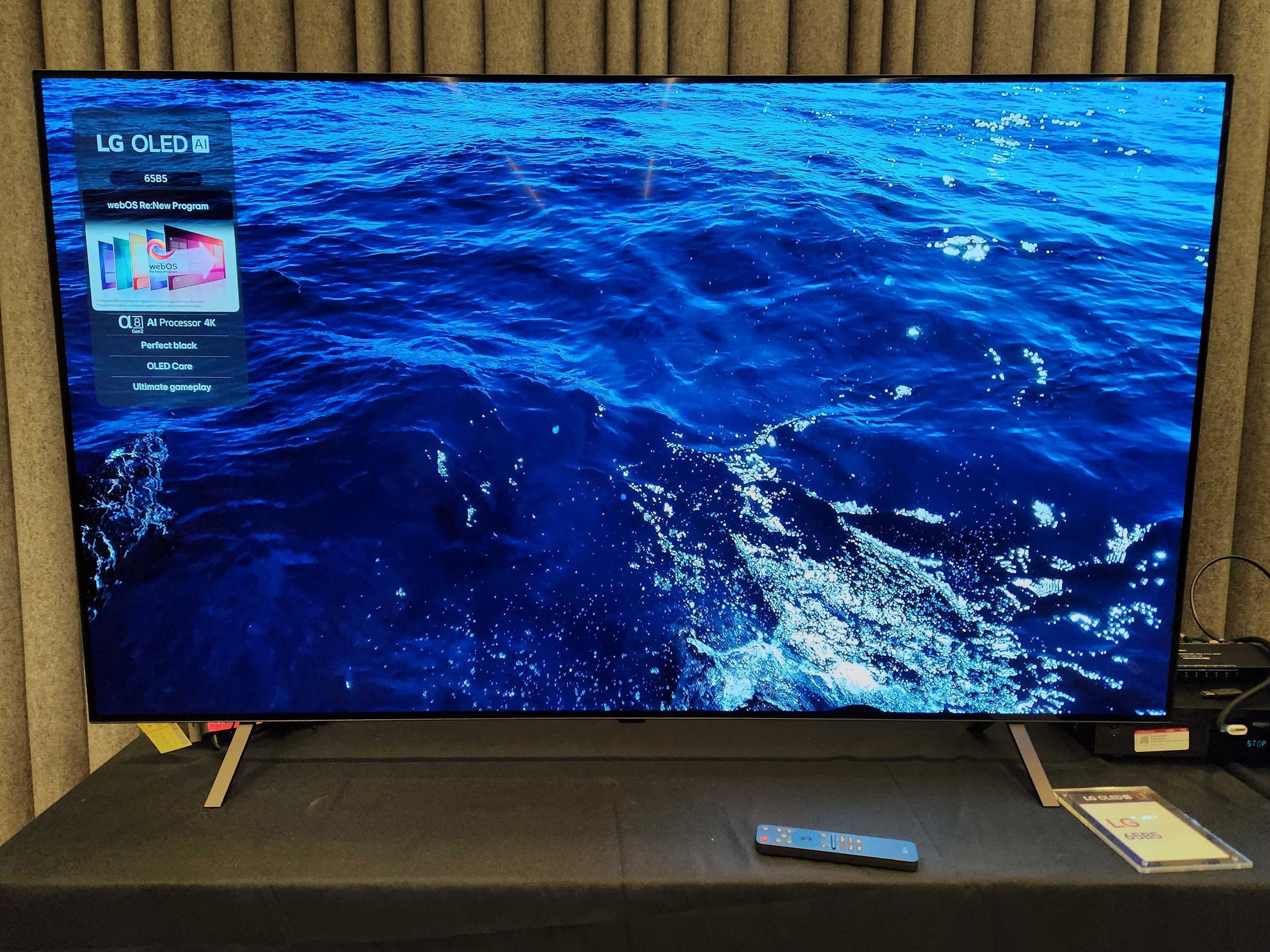
The B5 is dimmer than other OLEDs, with a peak brightness of around 700 nits. That’s a respectable number, but it’s under the 1,000 nit standard that a lot of HDR material is designed for. This means that some high-dynamic-range content may appear dimmer on the B5 than the filmmakers intended. Likewise, the TV’s lower brightness means it’s less effective at overcoming reflections in rooms with a lot of ambient light.
The TV’s refresh rate maxes out at 120Hz, which is solid, but not on par with LG’s step-up models. The C5 and G5 can support 144Hz and 165Hz, respectively. A 120Hz refresh rate is still high enough to unlock the smoothest gameplay modes on a PS5, Xbox, or Switch 2, but PC gaming enthusiasts may want to spend extra to get a TV with a higher refresh rate.
But even with those shortcomings, the B5 still offers better picture quality than any of LG’s non-OLED TV models. Its contrast control and precise black levels result in better overall image performance than all of the brand’s QNED, Mini LED, and standard LED displays. The B5 is available in 48-, 55-, 65-, 77-, and 83-inch sizes.
Check out our guide to all of the best budget TVs.
What Else We Considered
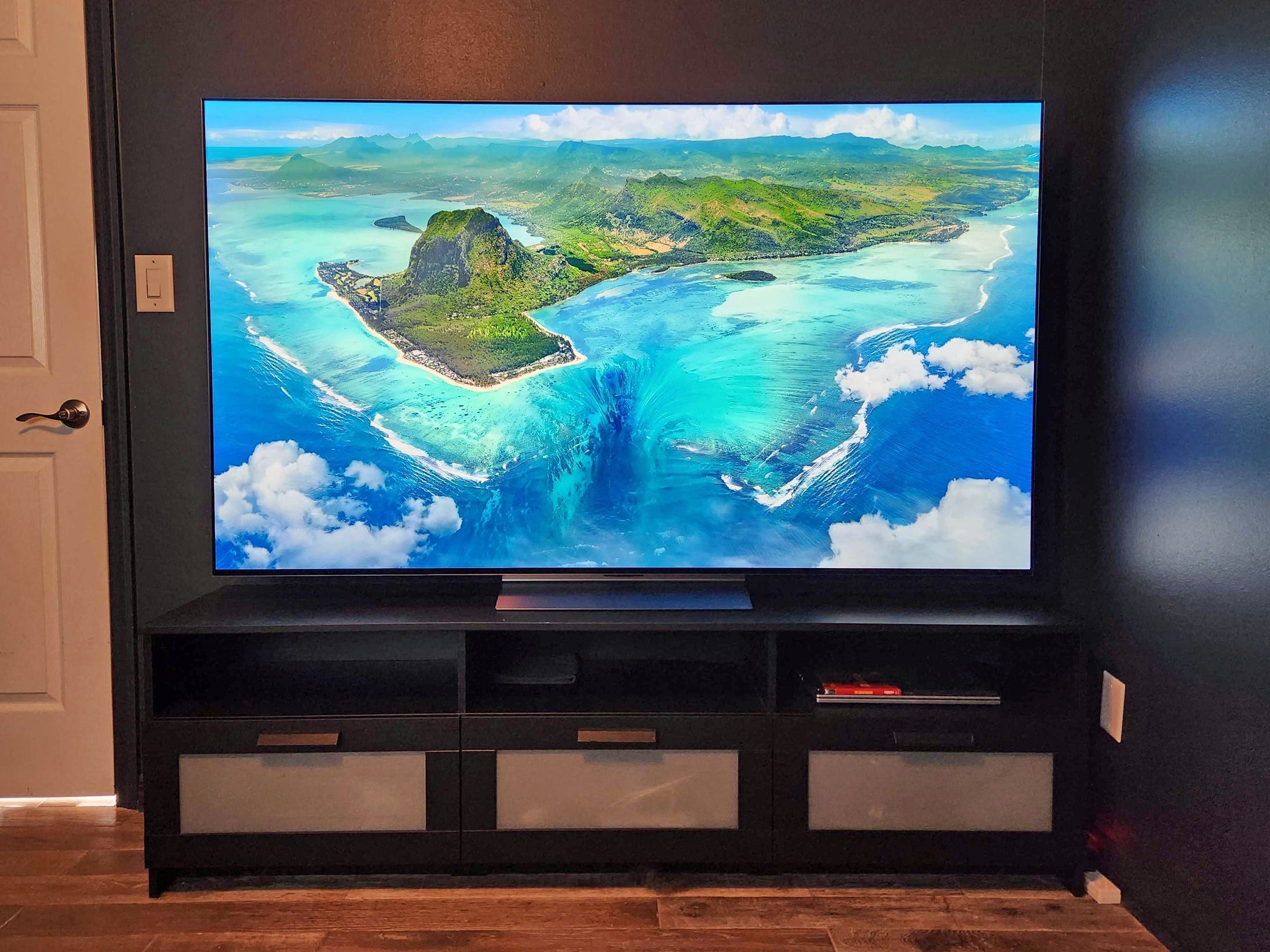
Though the models highlighted above are our top picks for the best LG TVs, the brand also offers several other worthwhile displays. Here’s a rundown of a couple of other LG TVs we tested, along with details on why they didn’t quite meet the criteria for this guide.
LG C6H OLED 4K TV – See at Amazon
The C6H is a new submodel in LG’s 2026 C6 Series lineup. It’s only available in 77- and 83-inch screen sizes, and it can get much brighter than its smaller counterparts. The C6H wowed us during our full review, delivering picture quality that comes close to matching LG’s step-up G Series. The only reason the C6H doesn’t have a spot in our guide is because you can still find the 77- and 83-inch G5 for around the same price or less. Since the G5 performs a bit better, we give it an edge. However, this will change as the C6H price drops throughout the year. When that happens, it will become the best big-screen OLED value in LG’s lineup.
Read our LG C6H TV review.
LG StanbyME 2 TV – See at Amazon
The StanbyME 2 is a unique portable 27-inch TV with an integrated battery and rollable stand. We reviewed the original first-gen model, but it has since been replaced by a second-gen version with a slightly higher-resolution screen, longer battery life, and quick detachability for use like a tablet. It’s a cool fit for people who want a space-saving TV that’s easy to move from room to room. However, it’s expensive for such a small screen, and its use cases are limited to very specific kinds of buyers.
Read our LG StanbyME TV review.
Why Don’t We Recommend LG LED TVs?
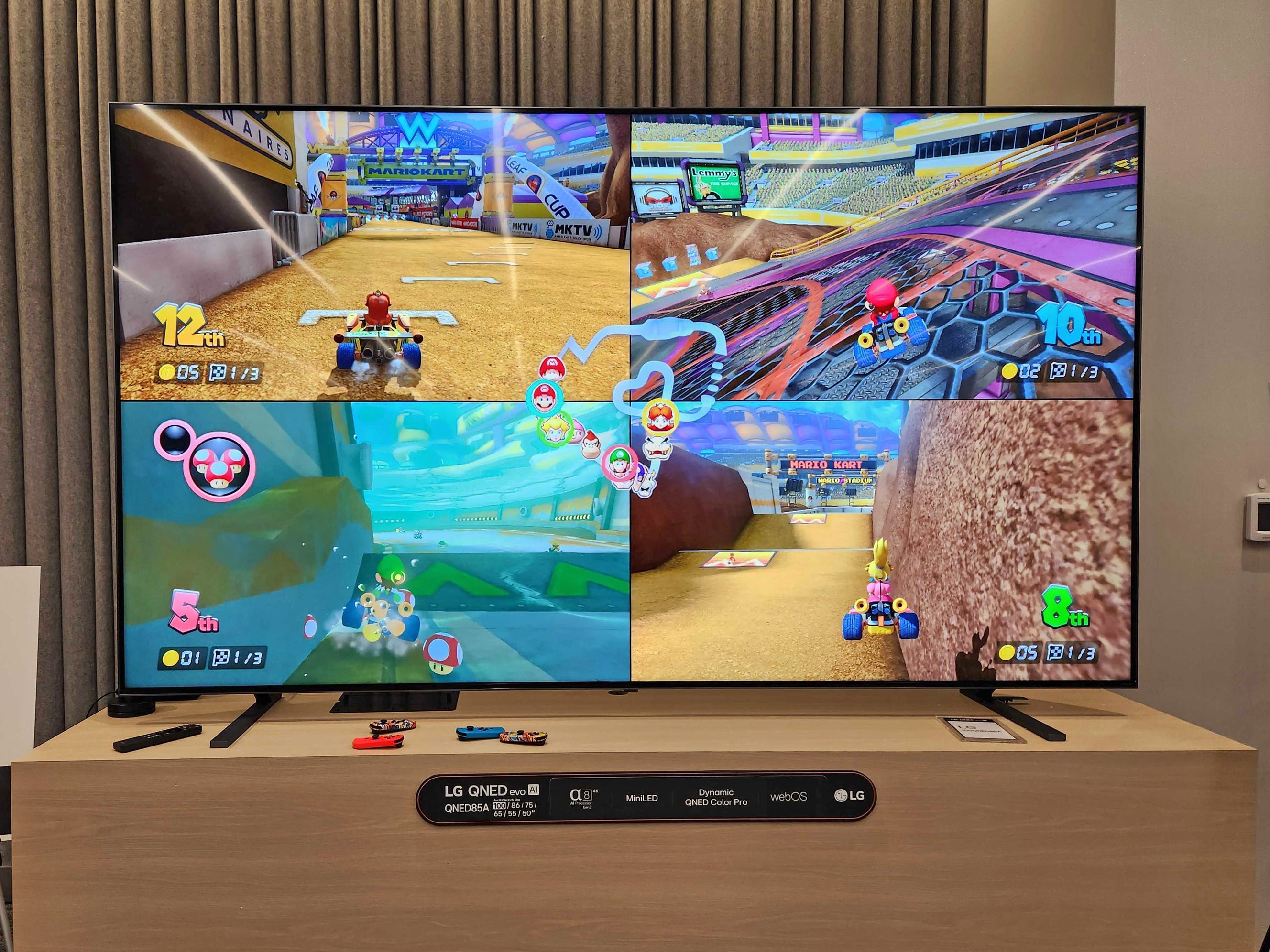
In addition to OLED TVs, LG also offers several TV models that use LED backlights, including standard LED, QNED, and Mini LED options. Though these TVs have their benefits, they generally fall behind similarly priced alternatives from brands like TCL, Hisense, and Samsung. For instance, we previously included an entry-level LG LED TV as a budget pick in this guide, but recent price fluctuations make it hard to recommend over better-performing models from other companies. If you favor the LG brand, we generally recommend sticking to their OLED TV models since that’s where the company excels over rivals.
For more affordable TV recommendations, check out our guide to the best TVs under $500.
For LED TV recommendations from other companies, check out our other brand-specific TV guides:
– Best Hisense TVs
– Best Sony TVs
– Best TCL TVs
– Best Samsung TVs
– Best Roku TVs
How We Test LG TVs
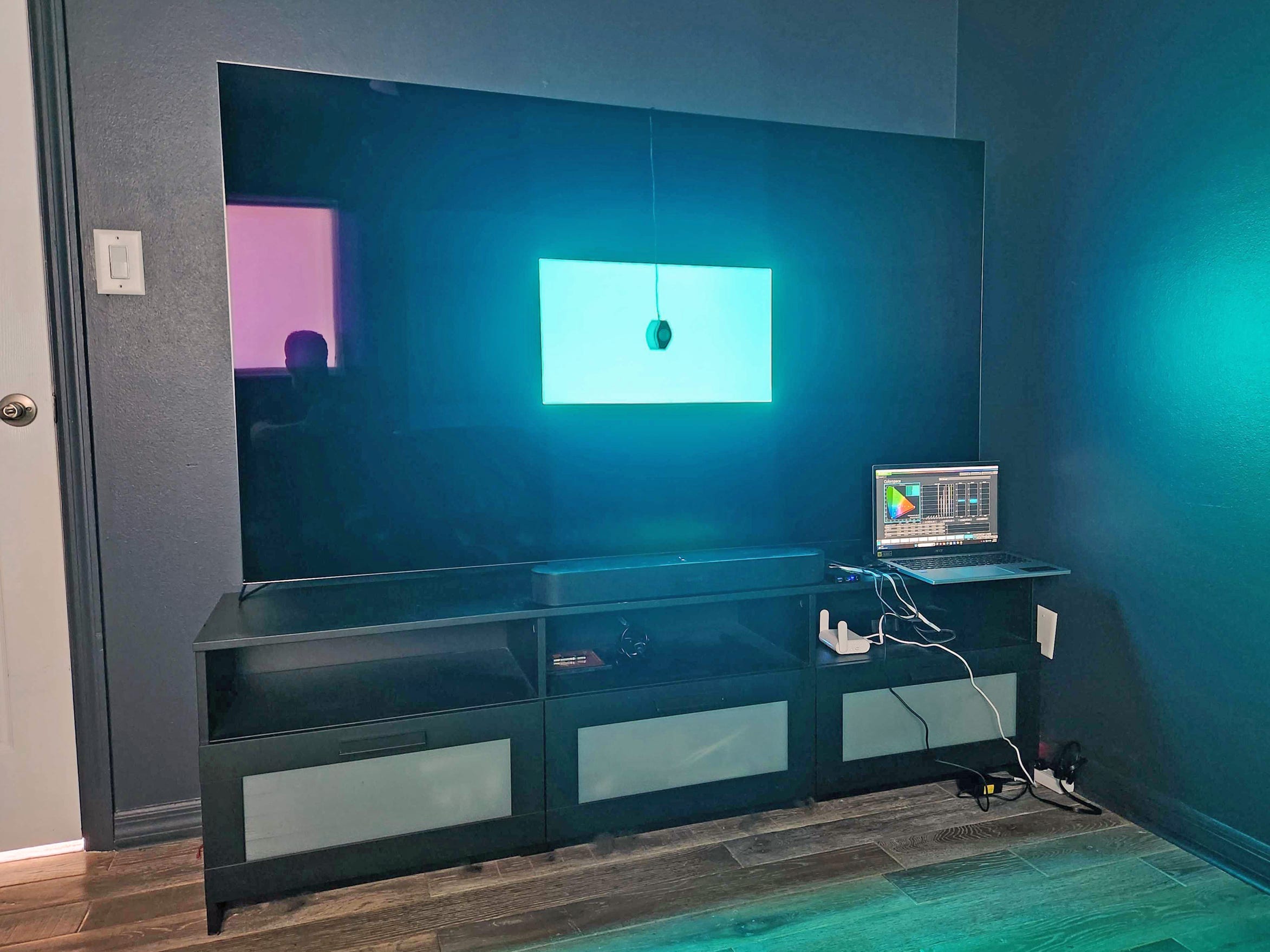
We selected the best LG TVs based on extensive hands-on experience with a range of LG models. We’ve been reviewing home entertainment products for over a decade, and used that expertise to vet our recommendations and build our testing methodology.
Our review process focuses on key performance metrics, including brightness, color coverage, contrast, black levels, viewing angles, design, and overall value. We also test LG’s webOS interface to gauge navigation speed and general smoothness of operation.
When recording a TV’s brightness and color, we use a colorimeter with a pattern generator, test patterns from the Spears & Munsil UHD HDR Benchmark 4K Blu-ray disc, and Calman calibration software. That said, test patterns can only reveal so much, so we place a heavy emphasis on watching real-world content on each LG TV we review to see how the displays perform with various types of videos in both bright and dimly lit rooms. We’ve curated a selection of scenes from movies and TV shows to assess HDR highlight quality, shadow detail, posterization, color fidelity, and fine details, using a mix of 4K, high-definition (HD), and standard-definition (SD) samples. We also use a PS5, Xbox, and Nintendo Switch to test gaming performance.
For our guide to the best LG TVs, we paid careful attention to how each LG model performs relative to other TVs in the brand’s lineup and to similar rivals from competing brands. This enables us to highlight key benefits and limitations across the company’s entire collection.
For more information on our review methodology, check out our breakdown on how we test tech products.
Meet the Expert Behind This Guide:
Steven Cohen, senior tech editor:
I’ve spent more than a decade reviewing home entertainment gear, and my team and I get our hands on the latest TVs year-round. I also attend LG’s annual reviewer workshops, so I get an early look at the company’s newest video and audio tech before it hits stores. I studied film production, which basically means I’m a stickler for picture accuracy, wanting movies and shows to look the way their creators intended. Beyond lab testing with calibration tools and benchmark discs to measure brightness and color, I live with every LG TV I review. That means real-world streaming, movie nights, gaming marathons, and regular channel surfing. My goal is to cut through the jargon and help you find the best LG TV for your budget.
Learn more about the Reviews team at Business Insider.
LG TV FAQs
What smart TV interface does LG use?
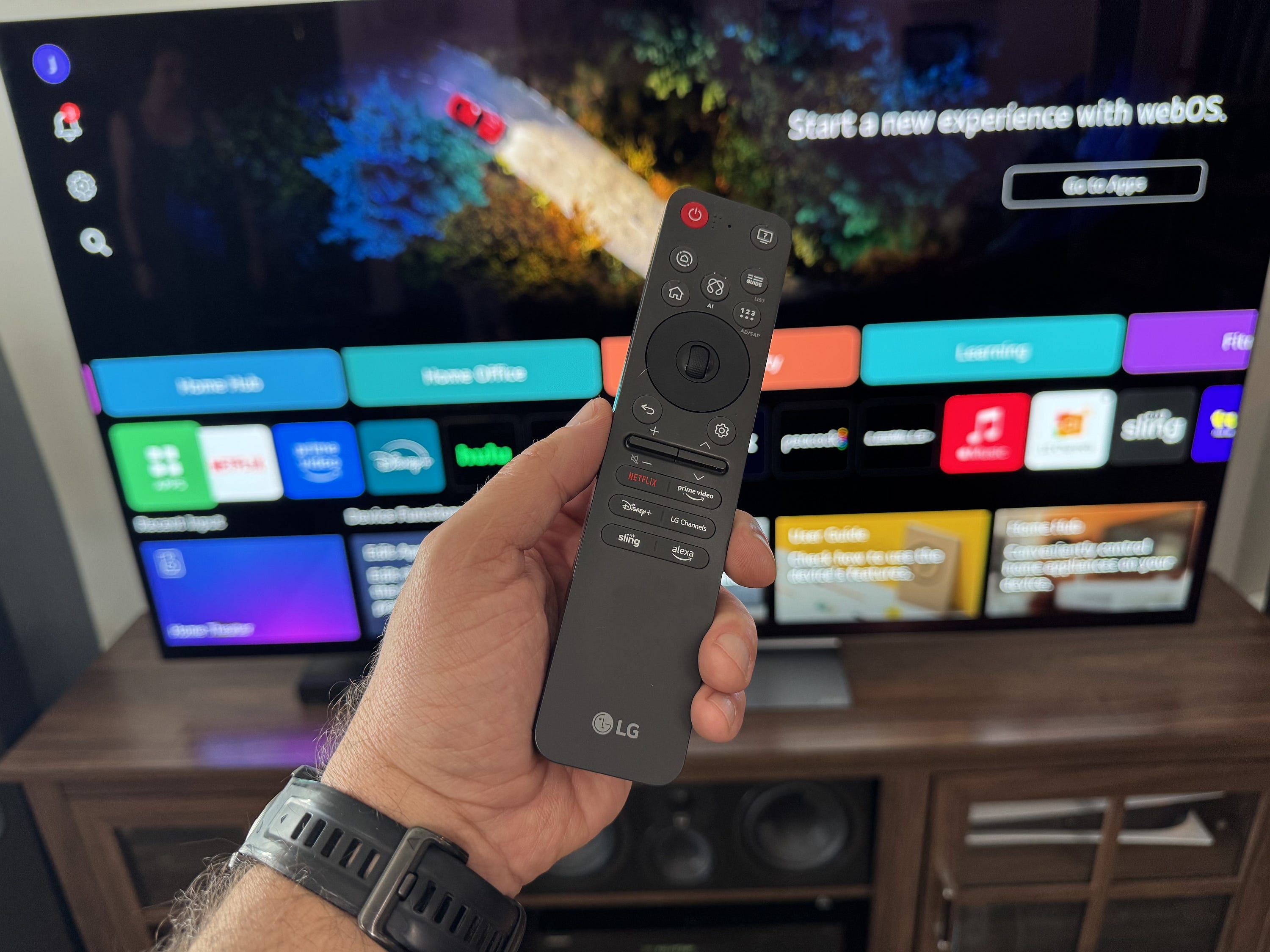
LG TVs use the brand’s proprietary webOS smart TV interface. Versions of webOS have been used on LG TVs since 2014. The latest iteration is webOS 26, which debuted with the brand’s latest 2026 TV models.
Although older versions of webOS used a pop-up menu, newer versions have transitioned to a full-screen homepage design. This homepage is similar to a lot of other smart TV interfaces, with access to streaming apps and various rows of content recommendations.
In general, webOS is a solid smart TV system with support for all the best streaming services, though it’s not quite as smooth or intuitive as Google TV or Roku OS. The platform’s organization places a bit too much emphasis on sponsored content and shopping recommendations, but we do like that you can disable most of these ads via a toggle in the settings menu.
The best LG TVs with the latest version of webOS also support various AI features, including an AI Concierge search function and personalized picture and sound optimizations based on your viewing preferences. Although we generally recommend leaving these functions off to achieve the most accurate image and audio, they’re worth experimenting with if you’re unhappy with how the TV looks or sounds. Google Gemini and Microsoft CoPilot AI are also available on newer models.
Top webOS TVs come with LG’s Magic Remote, which supports traditional button clicks for navigation as well as motion controls that let you move a virtual cursor on screen by pointing the remote at the display.
What TV sizes does LG offer?
LG offers a wide range of TV models in sizes from 27 to 115 inches.
For TV recommendations specific to certain sizes, check out our size-specific buying guides:
– Best 100-inch TVs
– Best 85-inch TVs
– Best 75-inch TVs
– Best 65-inch TVs
– Best 55-inch TVs
– Best 50-inch TVs
– Best 43-inch TVs
Does LG make 8K TVs?
Though LG has sold 8K TVs in the past, it currently has none in its lineup. The only major brand with new 8K models is Samsung.
Are LG TVs better than Samsung TVs?
LG and Samsung are both reliable brands that make several excellent TV models. In most respects, it’s hard to say that one is definitively better than the other. Instead, each has strengths and weaknesses across its lineup, depending on your viewing needs and which models you’re considering.
LG was the first TV brand to bring 4K OLED displays to the mass market, and it offers a comprehensive collection of OLED models in many sizes. Meanwhile, Samsung entered the 4K OLED market much later and initially had a more limited lineup. This has started to change in the last two years, though, and now Samsung offers a similar selection of sizes and performance tiers. However, LG is still the only brand that sells a 97-inch OLED.
Both companies use WOLED panels in some of their models, while Samsung also uses QD-OLED screens in certain sizes. QD-OLED panels have an edge in color and brightness, but WOLED panels offer deeper black levels in rooms with ambient light. LG also utilizes a four-stack OLED panel in its high-end G Series OLEDs, which can rival the brightness of Samsung’s QD-OLEDs.
Both companies also sell LCD-based TVs, with entry-level options that use standard LED panels and more advanced models with QLED screens, local dimming, and Mini LED backlights. LG brands its more advanced LCD TVs as QNED and NanoCell, while Samsung brands its high-end LCD TVs as Neo QLED. Though LG’s newest QNED TVs have gotten a lot better than past models, generally speaking, Samsung’s Neo QLEDs offer better backlight control.
In 2026, both brands will also offer Micro RGB TVs that use red, green, and blue LEDs in their backlights to deliver better color capabilities. It remains to be seen whether one company has an edge over the other in Micro RGB performance.
LG and Samsung both use their own proprietary smart TV interfaces, and they both support Xbox Game Pass streaming and similar AI functions. That said, LG’s remotes stand out for their motion controls, and Samsung’s remotes stand out for their SolarCell technology that works without a battery.
Another important distinction between the two brands is that LG supports Dolby Vision HDR on its mid- and high-end TVs, while Samsung supports the competing HDR10+ format. These formats offer similar performance, but Dolby Vision content is more widely available across streaming services and 4K Blu-ray discs. You can learn more in our HDR TV guide.
Should you worry about burn-in on an LG TV?
LG TVs branded as LED, NanoCell, and QNED are not susceptible to burn-in. However, LG’s OLED TVs are technically capable of burn-in in extreme situations. That said, burn-in is rare under typical viewing conditions.
Burn-in is an issue that can occur if you leave a static image on an OLED TV for an extended period, such as the CNN or ESPN logo in the corner of the screen. When burn-in occurs, a faint afterimage remains on the display.
Although shoppers should be aware of this risk, LG OLED TVs feature design elements that help prevent burn-in, including pixel refreshers, logo dimmers, and automatic pixel shift modes. Websites like Rtings have conducted long-term burn-in tests with OLEDs, including LG models. Although their results show that burn-in can occur, it requires specific circumstances that don’t apply to average use cases.
I owned an LG OLED for more than three years and never saw any signs of burn-in on my display, even after long gaming sessions and all-day football watching. As long as you don’t plan on keeping the same cable news channel on nonstop, you shouldn’t worry about burn-in when deciding whether to buy an LG OLED TV.
If you enjoyed this story, be sure to follow Business Insider on MSN.