Stellantis Unveils Ambitious Revival Plan with 60 New Models
Stellantis, the parent company of several well-known car brands including Jeep, Fiat, Alfa Romeo, and Peugeot, has launched an ambitious plan to stay competitive in the evolving automotive industry. This strategy focuses on volume, with a new platform serving as the foundation for 30 new models in a broader 60-model offensive.
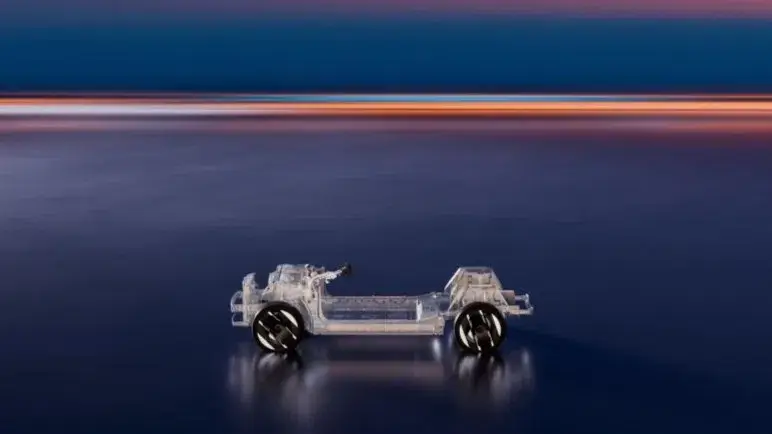
The STLA One platform is set to be one of three platforms used by the conglomerate. It will incorporate modular construction, component sharing, and multi-energy compatibility as key elements of its future lineup. The platform will support B-, C-, and D-segment cars, ranging from the Opel Corsa hatch and Fiat 600 SUV, up to three-row family SUVs like the Peugeot 5008.
Key Models and Platform Choices
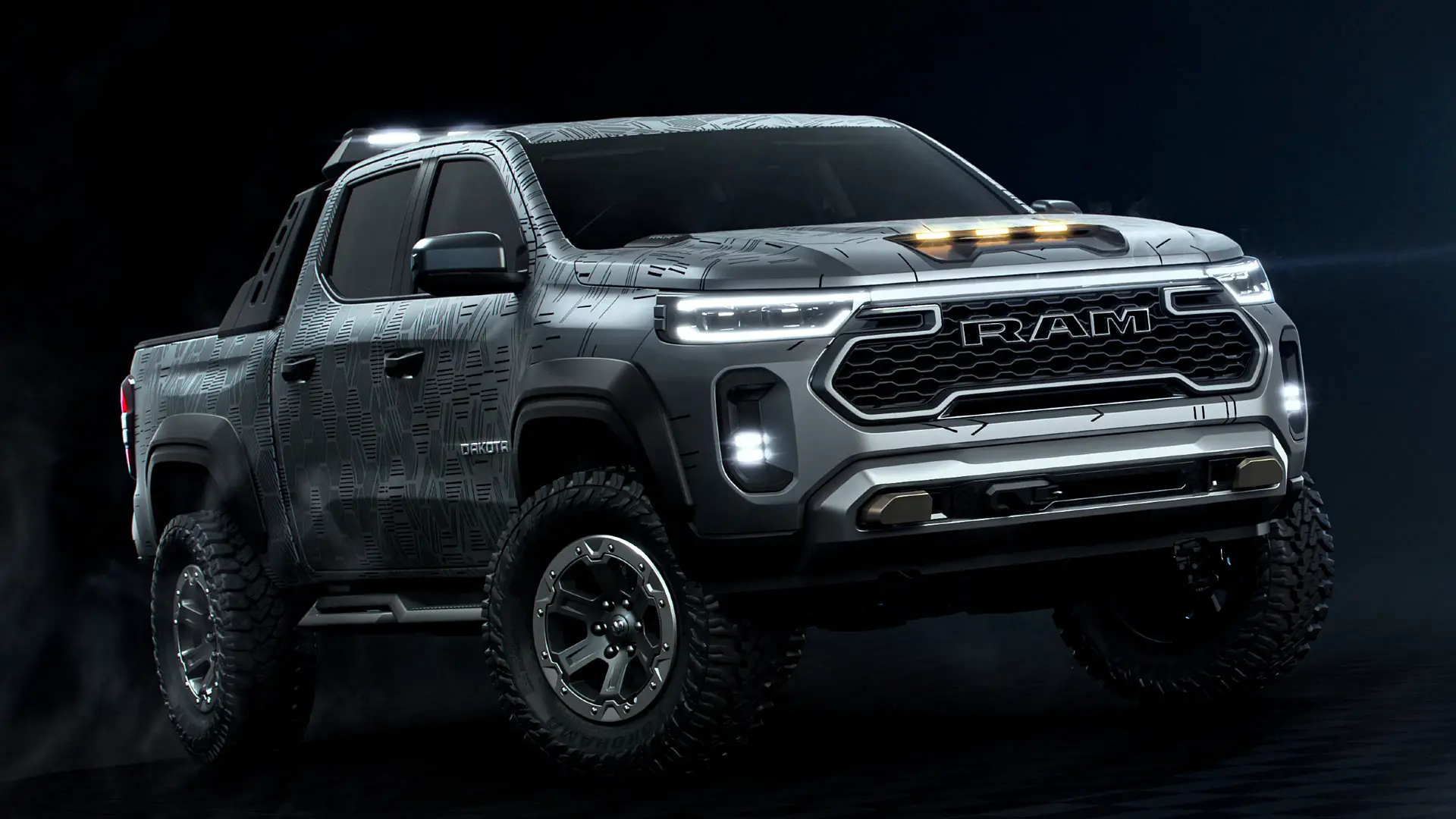
While the STLA One platform will form the backbone of many new models, some key vehicles will use different underpinnings. For instance, the mid-sized Ram Dakota pickup, destined for North America, and the smaller SUV-based Rampage ute for Europe, will not be built on the STLA One platform. Additionally, the revival of the iconic Citroen 2CV will also bypass this platform.
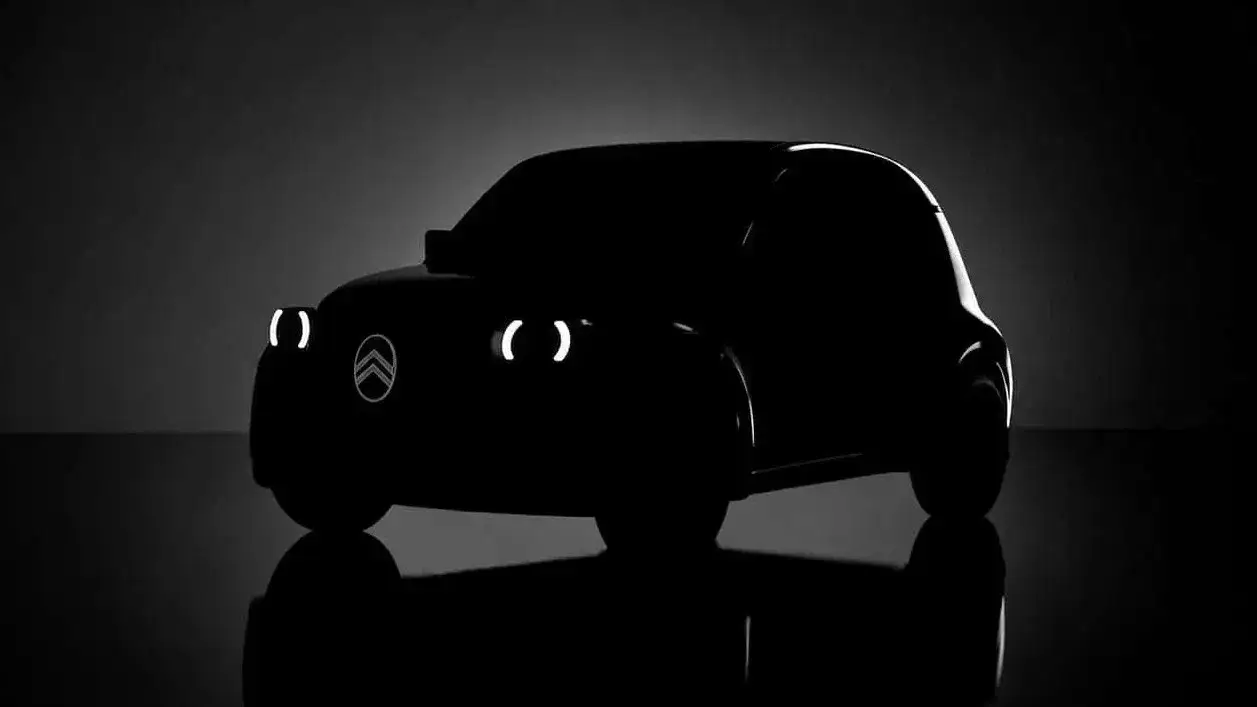
Citroen has started teasing a revived 2CV, which is expected to be a compact city EV. This modern version promises the practicality and simplicity of its 78-year-old predecessor but with updated features. The 2CV is set to be revealed as a concept at the Paris motor show in October. It appears to be a departure from the polarising Oli concept shown in 2023, positioning itself as a similar urban entry-level commuter car.
Financial Commitment and Model Diversity
The €60 billion (AU$97.5b) plan was announced during the company’s investor day and includes 50 major model refreshes over the next five years. The plan covers a wide range of vehicle types, including 39 new internal combustion or mild-hybrid models, 24 hybrids, 15 plug-in hybrid or range-extender models, and 29 EVs across these introductions.
Cost savings from volume are a central focus of the plan. The STLA One platform is expected to have around 70 per cent component compatibility with other Stellantis architectures. Its multi-energy compatibility reduces the need for dedicated combustion and EV frameworks, allowing it to accommodate everything from mild-hybrid to full EVs.
Factory Utilisation and Brand Strategy
Beyond product plans, Stellantis aims to improve factory utilisation rates at its European and US factories. However, production targets for Europe have been reduced, prioritising efficiency over volume. Among its portfolio of brands, Fiat, Jeep, Peugeot, and Ram will be positioned as global brands, receiving 70 per cent of the upcoming investment.
Alfa Romeo, Chrysler, Citroen, Dodge, and Opel/Vauxhall will become regional brands, targeting specific markets without plans to expand beyond their current operations. Brands like Abarth and Lancia will be moved under the operational control of Fiat, while DS Automobiles will be managed by Citroen. Maserati is set to be separated from the main product portfolio and will have its own investment plan announced separately later in the year.
Technology and Production Partnerships
Other plans include technology and production partnerships, alongside new technologies to be rolled out alongside platform rationalisation. Companies such as CATL, Mistral AI, NVIDIA, and Qualcomm will contribute to systems like STLA Brain, STLA SmartCockpit, and STLA AutoDrive. These systems aim to speed development and integration of in-cabin technology, autonomous driving, advanced driver-assist systems, and up-to-date battery tech.
Automotive brands, including Dongfeng, Jaguar Land Rover, Leapmotor, and Tata, have also been named as partners. Some, like Leapmotor and Dongfeng, have already confirmed plans, while Jaguar Land Rover’s agreement is in the early stages of exploration.
Future Outlook
The first STLA One-based model is set to enter production in 2027, with Stellantis targeting two million vehicles based on the architecture by 2035. This strategic move highlights the company’s commitment to innovation, efficiency, and staying ahead in the competitive automotive market.