A Growing Concern: The Impact of Large SUVs and Utes on Australian Roads
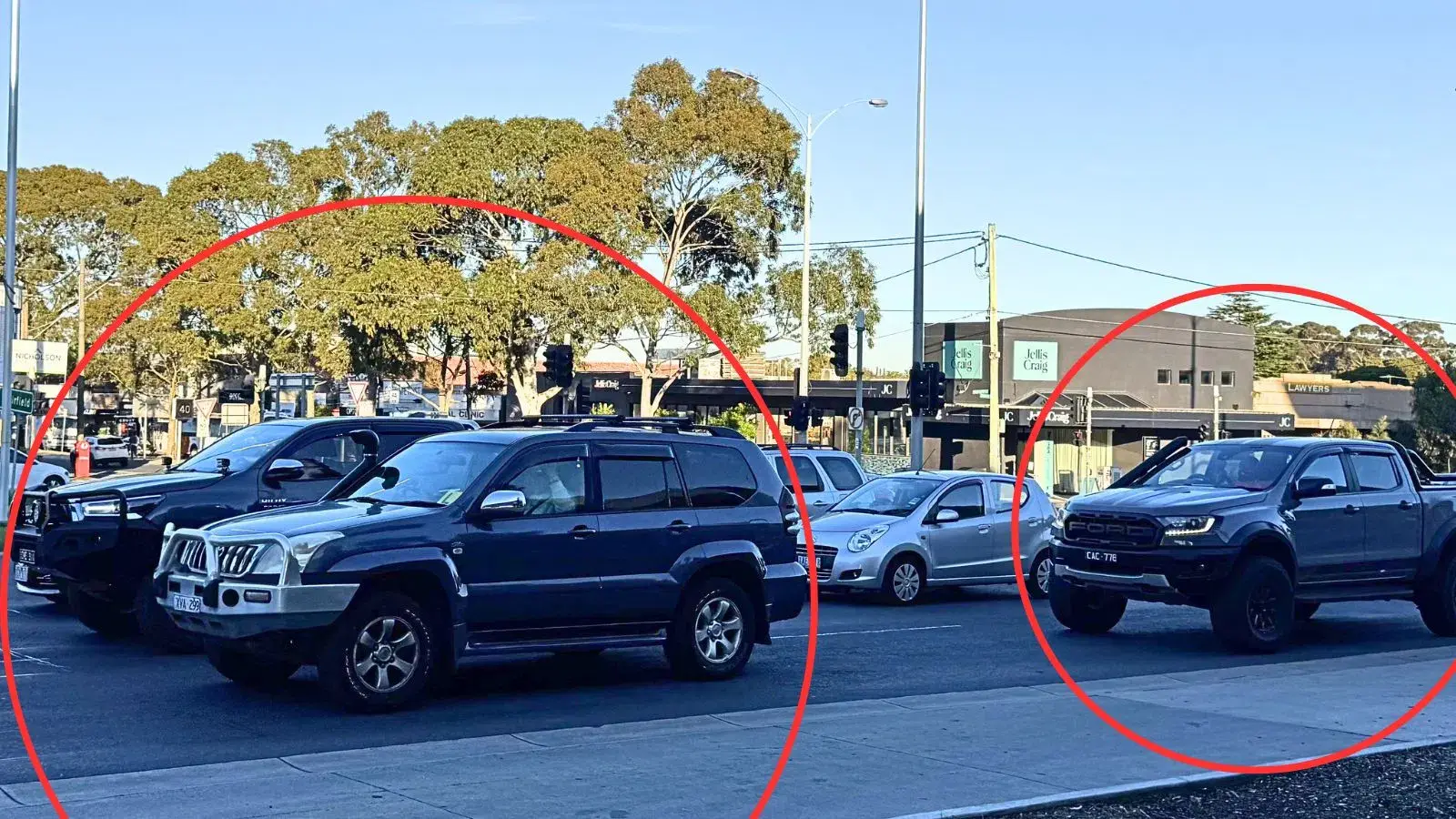
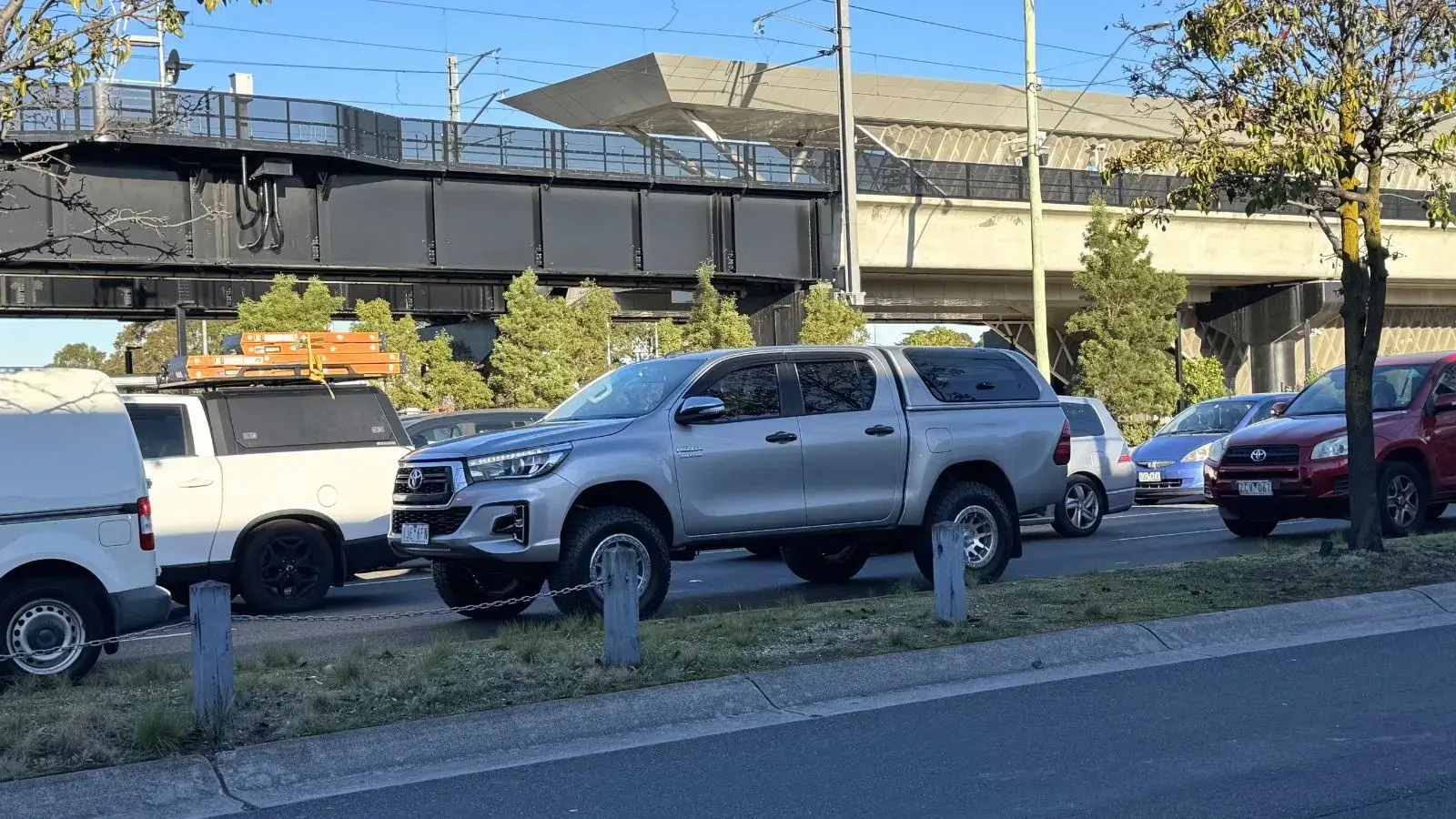
As the number of large SUVs and utes on Australian roads continues to rise, so too does the concern over their impact on road safety. An expert in urban risk and resilience has called for a reevaluation of traffic penalties and licensing requirements, arguing that current measures are not adequately addressing the risks posed by these larger vehicles.
Rising Road Toll and Increasing Vehicle Sizes
The Australian road toll has been on an upward trend since 2020, with fatalities increasing each year. This marks the first time since 1952 that there have been five consecutive years of rising road deaths. In April 2026 alone, 121 people lost their lives on Australian roads, representing a 20.3% increase compared to the average for that month over the previous five years.
The shift in vehicle preferences is evident in the data from the Federal Chamber of Automotive Industries (FCAI). Sales of SUVs and light commercial vehicles have more than doubled since 2006, now making up over 80% of all new vehicles sold. This significant change in the automotive landscape has raised concerns about the implications for road safety.
Scaling Fines Based on Vehicle Size
Associate Professor Milad Haghani from the University of Melbourne suggests that fines for traffic offenses should be scaled according to the “impact potential” of the vehicle. He proposes a tiered approach where penalties or demerit points correspond to the mass of the vehicle. This would better reflect the disproportionate risk that larger cars pose to other road users.
“Speeding or running a red light is never acceptable,” said Associate Professor Haghani. “We penalise those behaviours because they create risk for others as well as the driver themselves. What we also know is that crashes involving large utes and SUVs are often much more consequential for other road users because of the size and mass of the vehicle.”
The Symbolic Importance of Fines
In addition to practical considerations, higher fines for drivers of larger vehicles could serve a symbolic purpose. It reinforces the idea that vehicle size matters and that the risks imposed on others are not equal across all vehicle types.
Safety Challenges in Rural and Regional Areas
The road safety challenges extend beyond just vehicle size. Associate Professor Haghani highlights that rural and regional areas face particularly systemic issues. These regions tend to have higher risks and worse outcomes for road users compared to metropolitan areas. While achieving full parity with city areas may not be realistic, he emphasizes the need for continued focus on risk reduction in these areas.
Increased Risks for Pedestrians
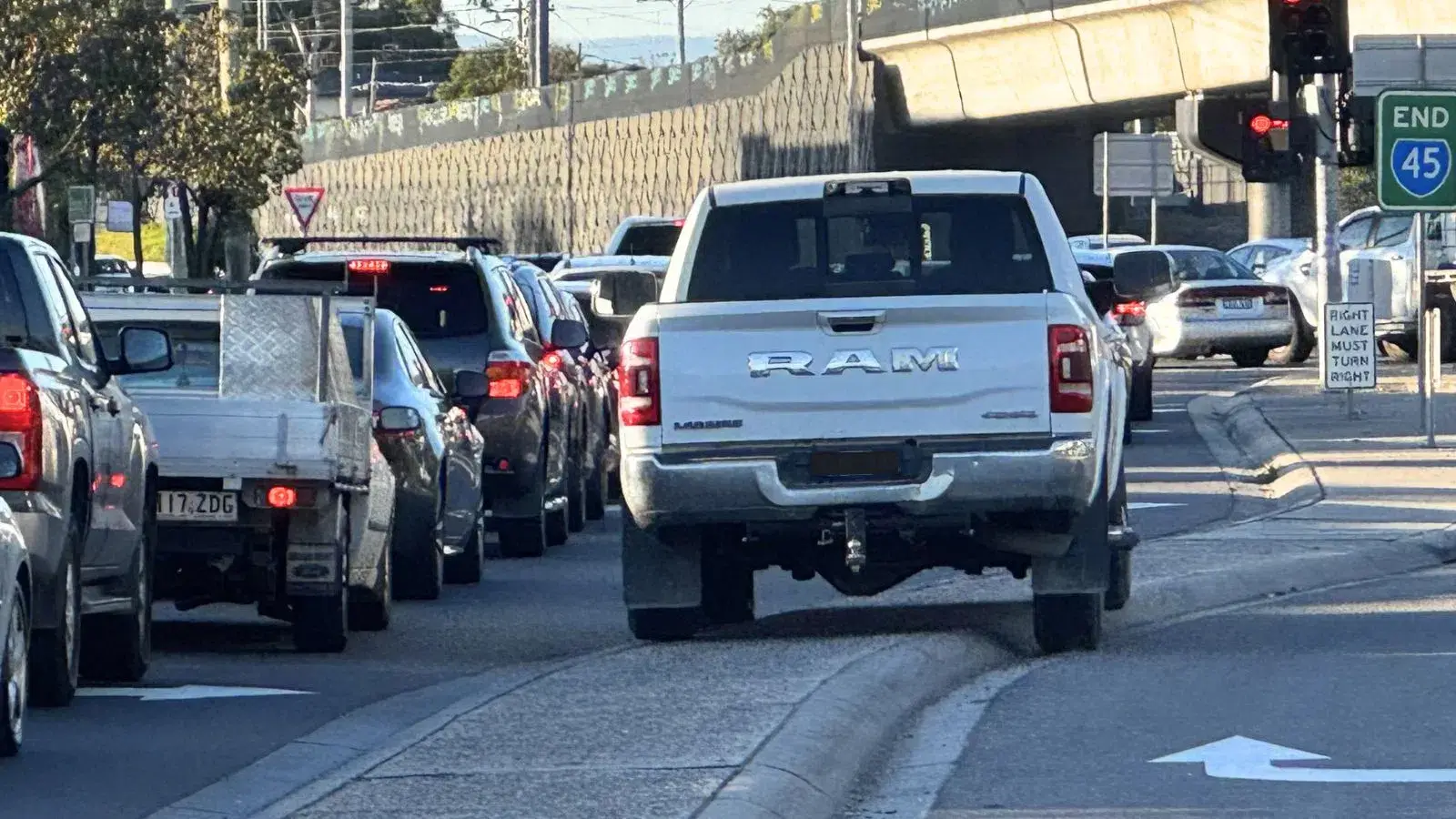
Research indicates that pedestrians struck by SUVs are about 25% more likely to sustain serious injuries and 40–45% more likely to die than those hit by smaller cars. This underscores the growing danger that larger vehicles pose to vulnerable road users.
Stricter Licensing Requirements
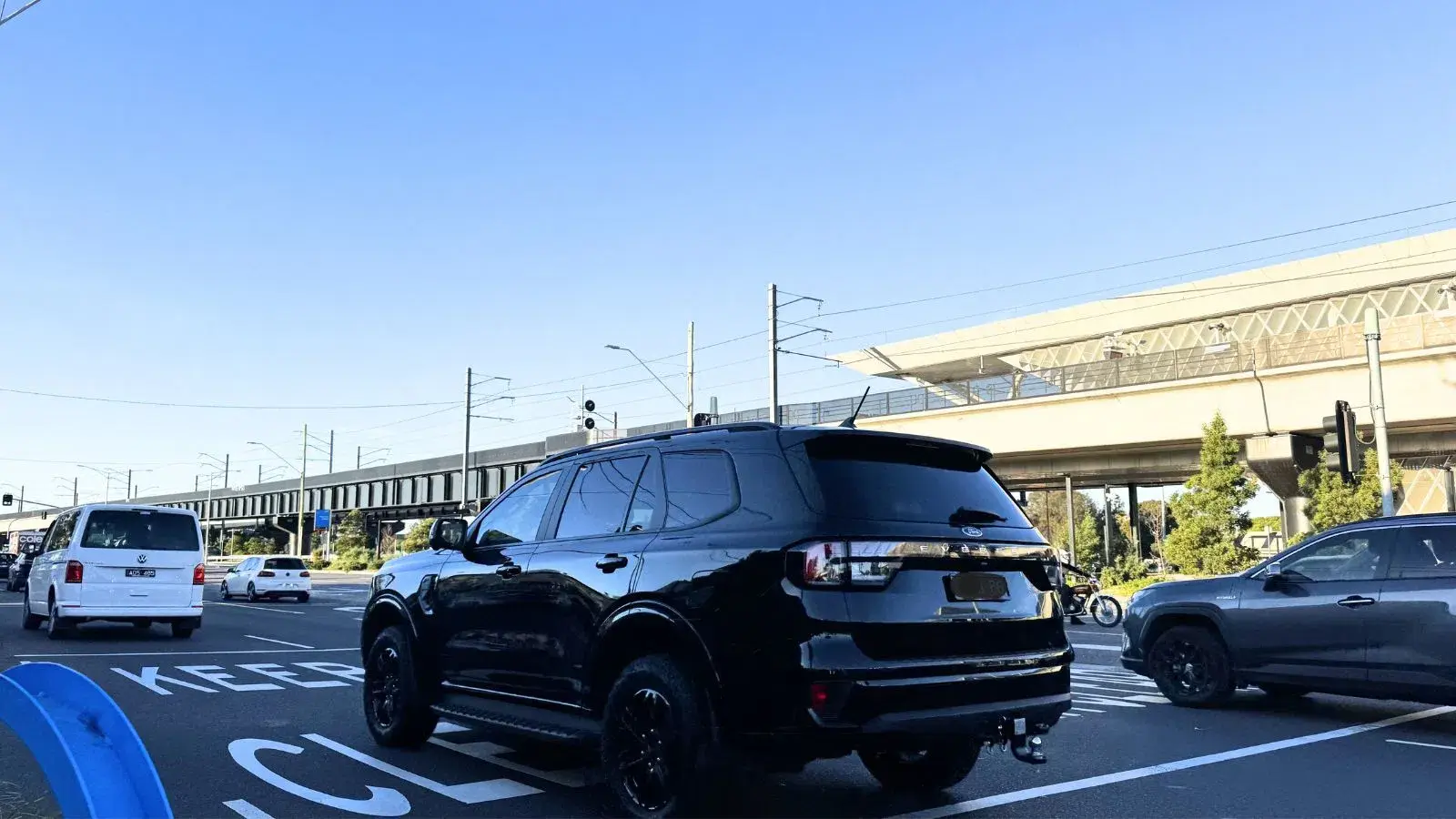
Associate Professor Haghani also advocates for tougher licensing requirements for drivers of large SUVs and utes. He argues that driving these vehicles requires different levels of skill, and mistakes can have more severe consequences due to their size and mass. This is similar to the existing licensing system for heavy vehicles like trucks and buses.
“It’s very simple, driving a large ute or SUV requires different levels of skill,” he said. “Anyone who has tried parking one or navigating tight urban spaces knows that. More importantly, mistakes involving these vehicles are often much more consequential because of their size and mass.”
The Need for a Balanced Approach
While the focus is on large SUVs and utes, Associate Professor Haghani acknowledges that there are many other important contributors to the Australian road toll. However, he believes that addressing the issues related to vehicle size, drug driving, and rural road safety should be a priority.
Conclusion
The growing presence of large SUVs and utes on Australian roads presents new challenges for road safety. Experts like Associate Professor Haghani suggest that a combination of scaled fines, stricter licensing, and targeted interventions could help mitigate the risks associated with these vehicles. As the road toll continues to rise, it is clear that a comprehensive and proactive approach is needed to ensure safer roads for all users.