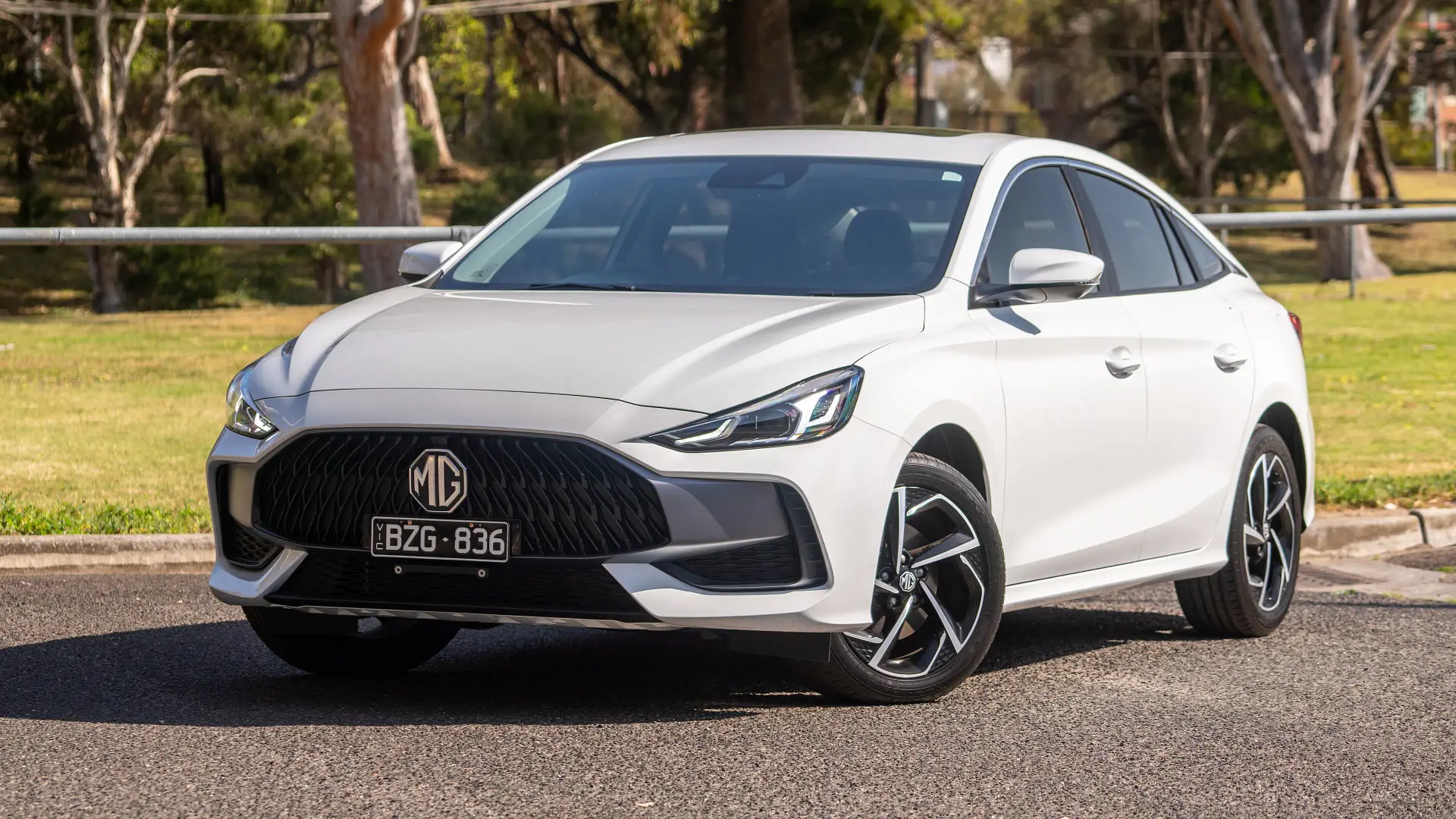
The Future of the MG 5 in Australia Looks Uncertain
Australia’s automotive landscape is changing rapidly, with a growing preference for SUVs and electric vehicles (EVs) over traditional sedans. This shift has put pressure on some long-standing models, including the MG 5, one of the country’s most affordable sedans. Recent sales data indicates that the future of the MG 5 may be uncertain, as its popularity has declined significantly.
The MG 5 was once a standout in the budget car segment, but its performance has taken a hit. Sales have dropped by 77% this year, marking a sharp decline from previous years. This drop is part of a broader trend where compact sedans are losing ground to larger, more versatile SUVs. Additionally, the increasing focus on hybrid and electric vehicles has further impacted the demand for conventional petrol-powered cars like the MG 5.
A History of Safety Concerns
The MG 5 initially made headlines when it received a zero-star safety rating from ANCAP (Australasian New Car Assessment Programme), which highlighted concerns about its crash protection and lack of essential safety features. However, the model has since been upgraded to a three-star rating following improvements in safety technology. Despite these upgrades, the vehicle remains one of the few MG models without a five-star rating.
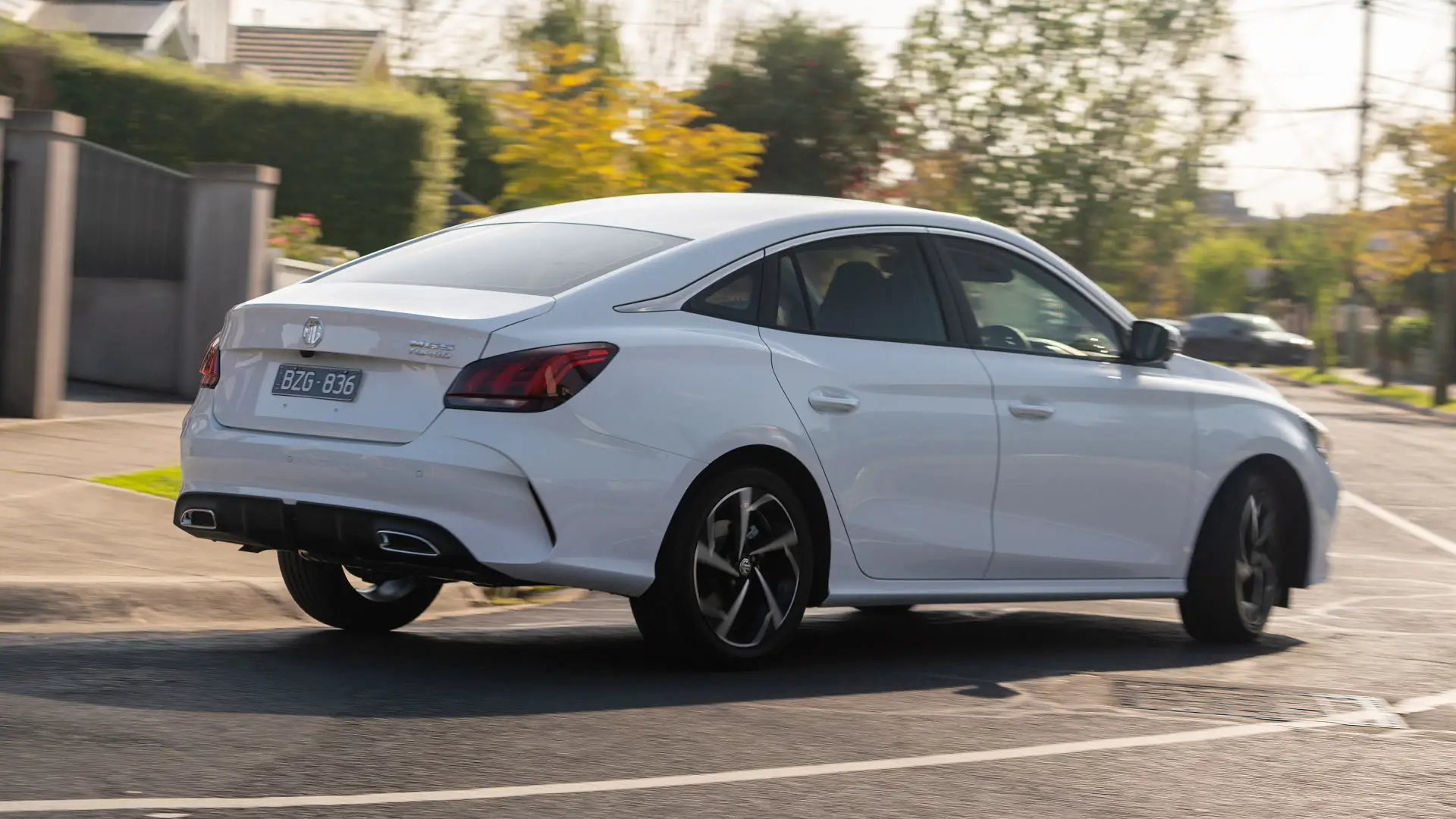
The current top-of-the-range variant, the Essence grade, now starts at $29,990 and comes with a non-hybrid turbo engine. While this version offers better safety and performance, it hasn’t been enough to reverse the declining sales trend. In 2026, sales of the MG 5 have fallen by 76.6% compared to the previous year, and by 82.4% compared to the same period in 2024.
Strategic Shifts in Product Line-Up
MG Australia’s marketing director, Dimitri Andreatidis, acknowledged that the company is actively reviewing its product range. He noted that feedback from dealers and customers is being considered, but no official decision has been made regarding the future of the MG 5.
“We’re not confirming or denying the future of the vehicle at this stage, because we’re just focusing here purely on the EV,” Andreatidis said. “The product line-up is purely focused on how we’re going to complement our EV line-up.”
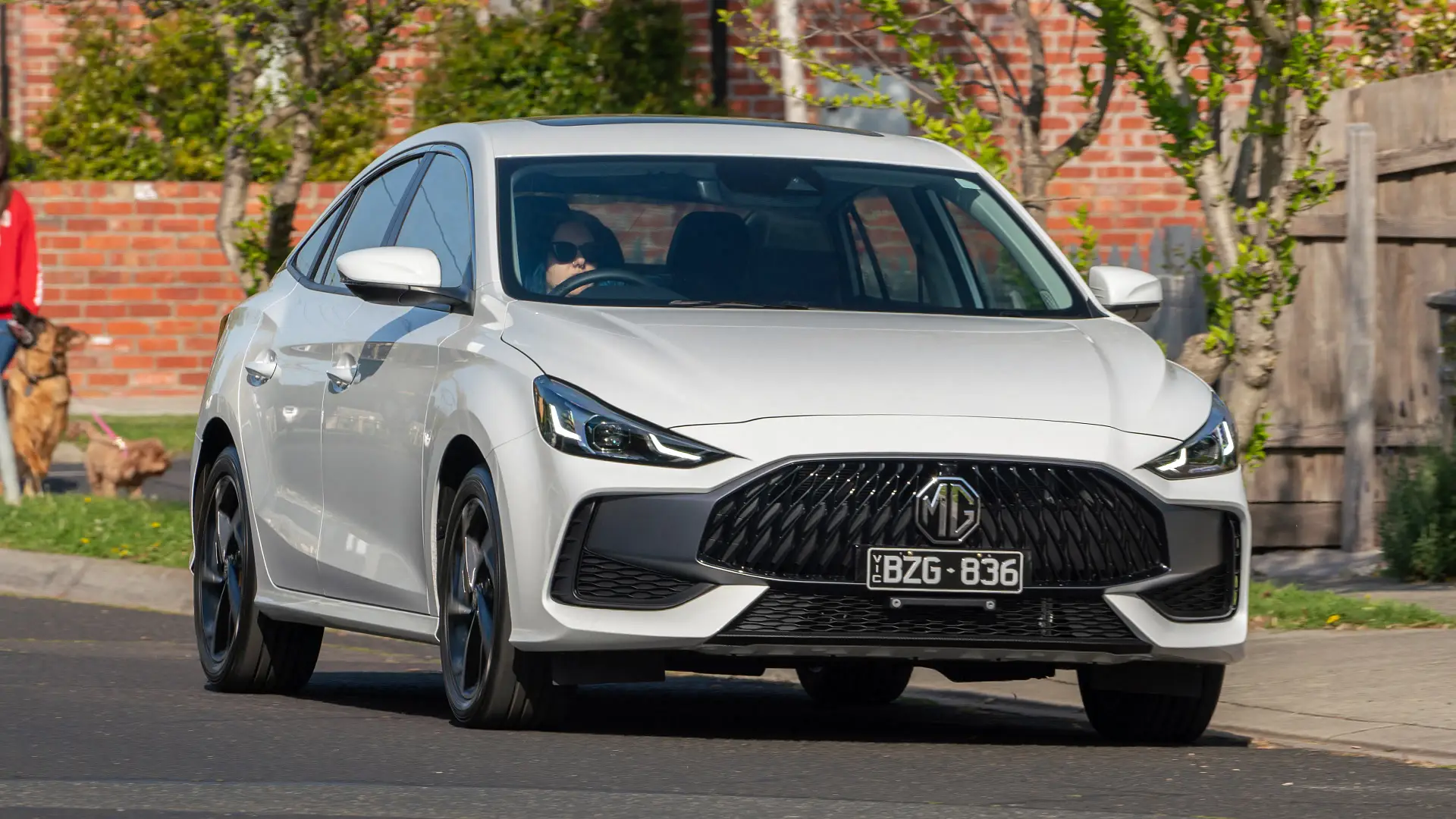
Meanwhile, Meng Chen, head of product at MG Australia, pointed out that the market trends and customer preferences have shifted away from the MG 5. He suggested that the MG 7 could serve as a potential successor to the MG 5.
The MG 7: A More Expensive Alternative
The MG 7 is positioned as a more premium option, starting at $44,990 plus on-road costs. This is significantly higher than the $29,990 price tag of the MG 5. However, the MG 7 offers a more powerful engine and advanced features, making it a direct competitor to popular models like the Toyota Camry.
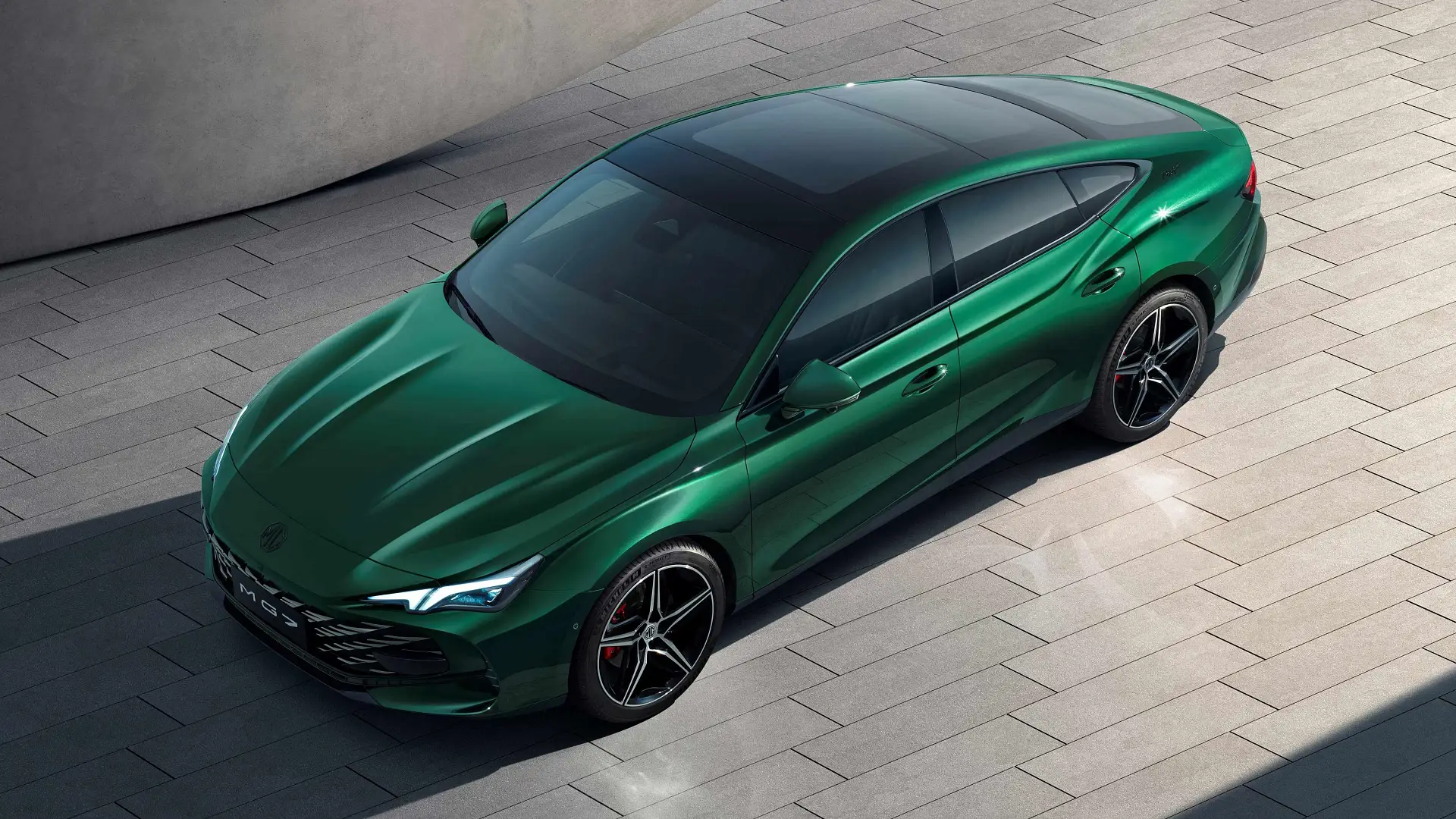
Despite its higher cost, the MG 7 does not offer a hybrid option, similar to the MG 5. This lack of hybrid alternatives puts it at a disadvantage compared to models like the Toyota Corolla and Mazda 3, which have strong hybrid variants. Sales in the “small cars under $45,000” category have also declined by 11% this year, reflecting a broader industry trend.
Addressing Safety Concerns
Chen downplayed the impact of the MG 5’s initial zero-star safety rating on its sales. He emphasized that the brand has made efforts to improve the vehicle’s safety performance, upgrading it to a three-star rating. This reflects MG’s commitment to enhancing its safety standards.
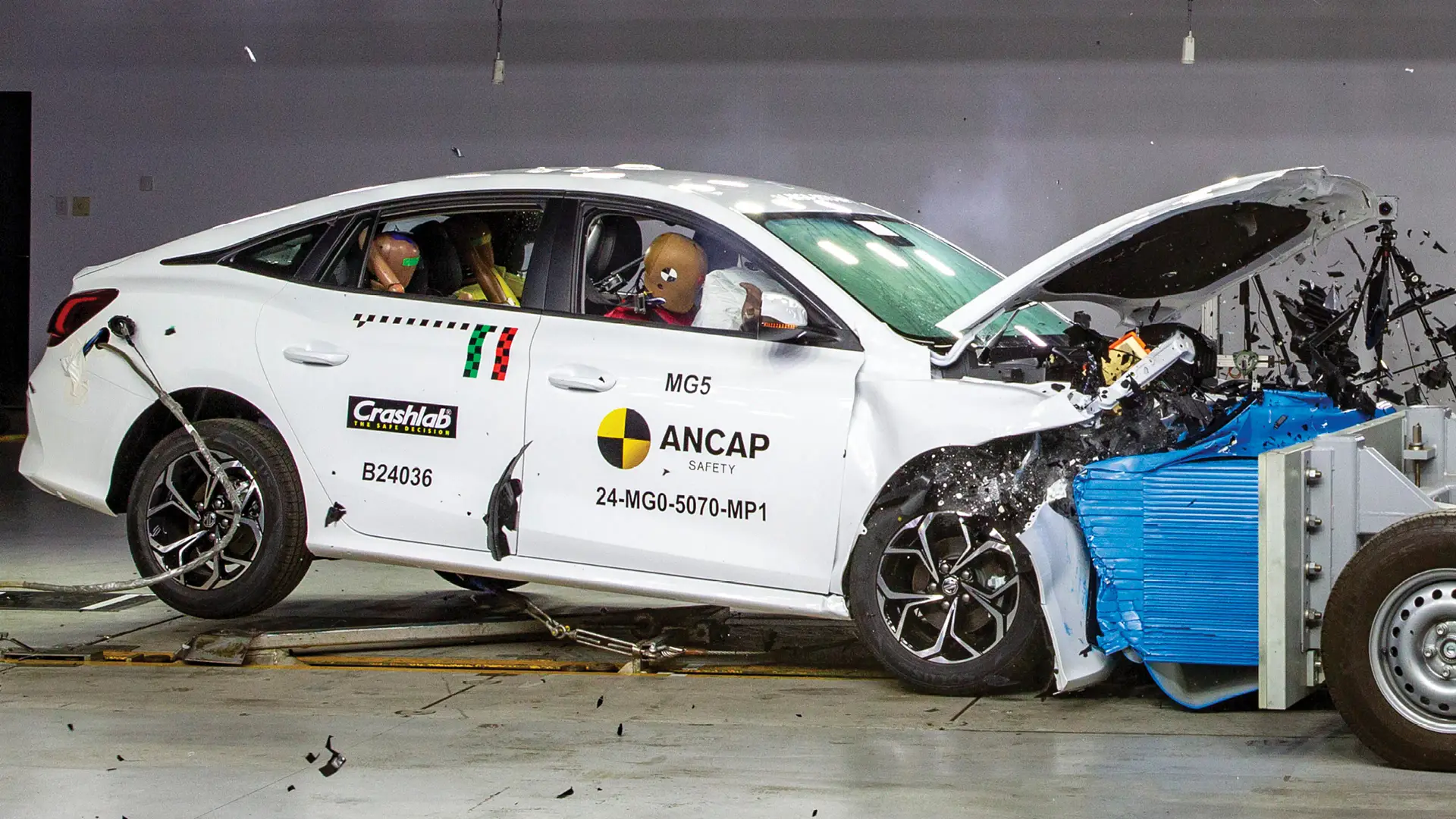
Andreatidis reiterated that safety is a top priority for the brand. He stated that the company will continue to focus on improving safety across its lineup. The three-star MG 5 and four-star MG 3 hatch are the only MG models with an ANCAP rating below five stars. The Cyberster, priced at over $100,000, is likely too niche to receive ANCAP attention, while the S6 EV has achieved a five-star rating in Europe but has yet to do so locally.
As the automotive industry continues to evolve, the future of the MG 5 in Australia remains uncertain. With shifting consumer preferences and a growing emphasis on electric and hybrid vehicles, the brand will need to adapt quickly to remain competitive.