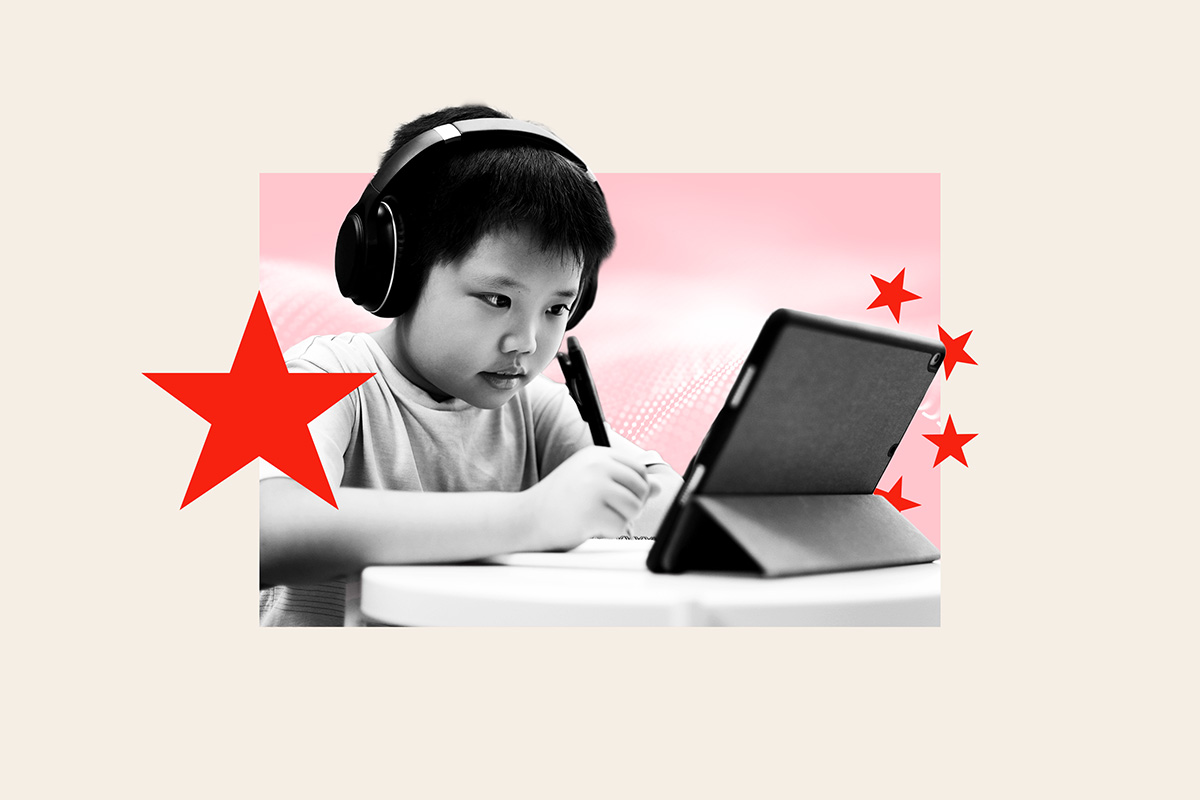
The Rise of AI in Chinese Education
Derek Haoyang Li, a leading figure in China’s AI educational landscape and co-founder of Squirrel Ai, has claimed that the new approach to learning can make the learning speed up to 10 times faster than traditional methods. With over 10 million students currently enrolled on the Squirrel Ai platform, this adaptive learning system is designed to teach students exactly what they need at their own pace, enabling them to progress further and faster than they might otherwise.
The rapid growth of Squirrel Ai, which now aims to expand into the United States, highlights how artificial intelligence is becoming increasingly integrated into Chinese education. This expansion is supported by a government that is not only encouraging children to use AI to improve their academic performance but also to master the technology itself.
Government Initiatives in AI Education
Li emphasized that while China may not yet be at the forefront of AI development, he believes there will be a significant gap between China and other countries within five years. According to the State Council’s information office, China recently mandated the establishment of a “tiered AI education system” covering primary, junior high, and senior high schools. This initiative aims to integrate AI-enabled teaching competencies into teacher training frameworks.
Strengthening education is crucial for China as it competes globally with the United States, especially as declining birth rates place greater emphasis on the next generation. The government’s push for AI in education is part of a broader strategy to ensure that China remains competitive in the global technological landscape.
AI in Education: A Global Perspective
While AI is being used in U.S. schools, such as the private Alpha School network, the official support from China’s Communist Party gives AI an added impetus. Priten Soundar-Shah, a Harvard-trained educator and CEO of Pedagogy Ventures, noted that the U.S. lacks a national mandate for AI in education, resulting in a fragmented approach.
“The lack of political infrastructure in the U.S. creates massive differences,” he said. “We don’t have the same level of coordination as China.”
How AI Helps Children Learn
Squirrel Ai is a private company, but it receives government support, particularly for reaching students in remote areas where access to quality teachers is limited. Li explained that the aim is to use AI to equalize educational opportunities across different regions.
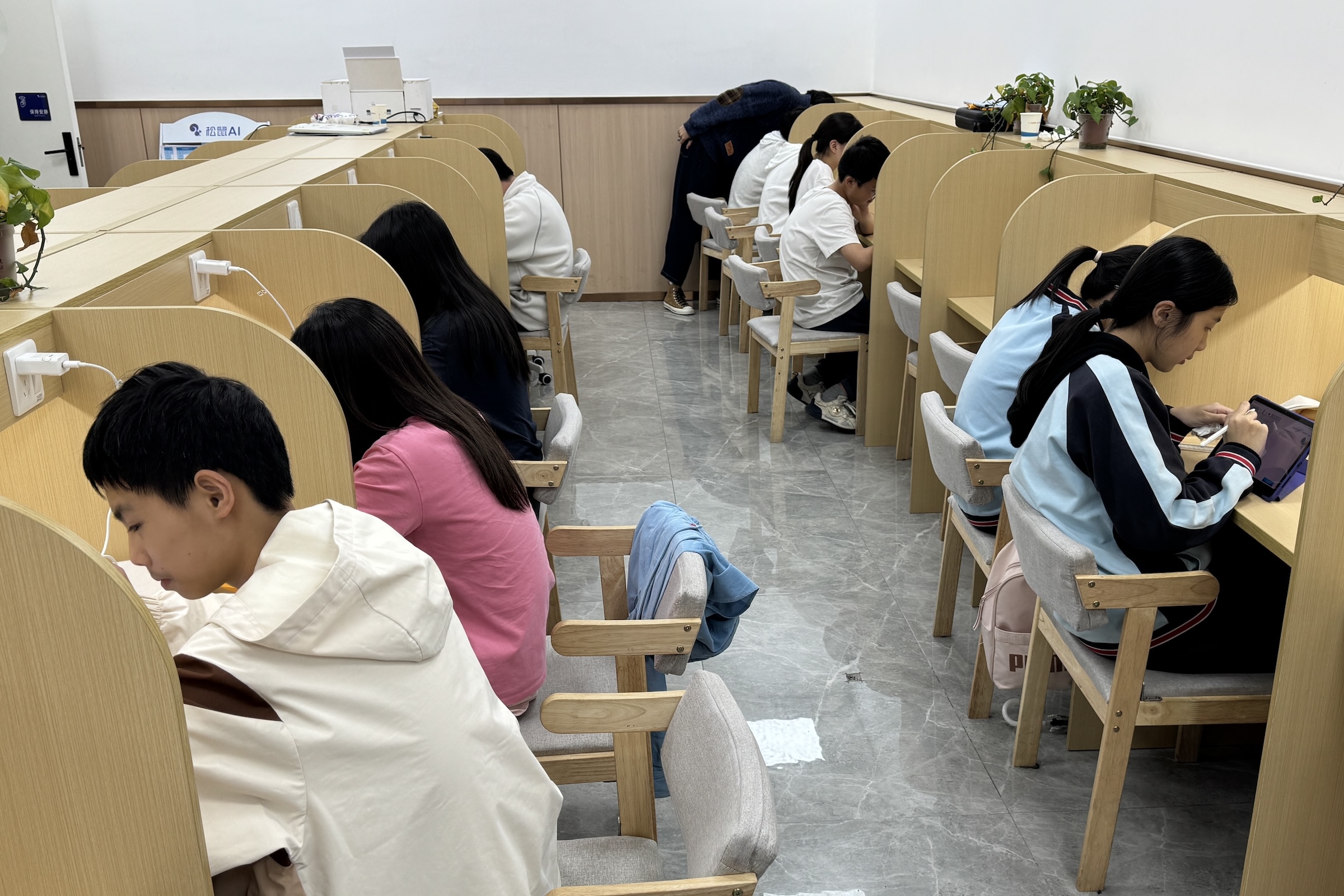
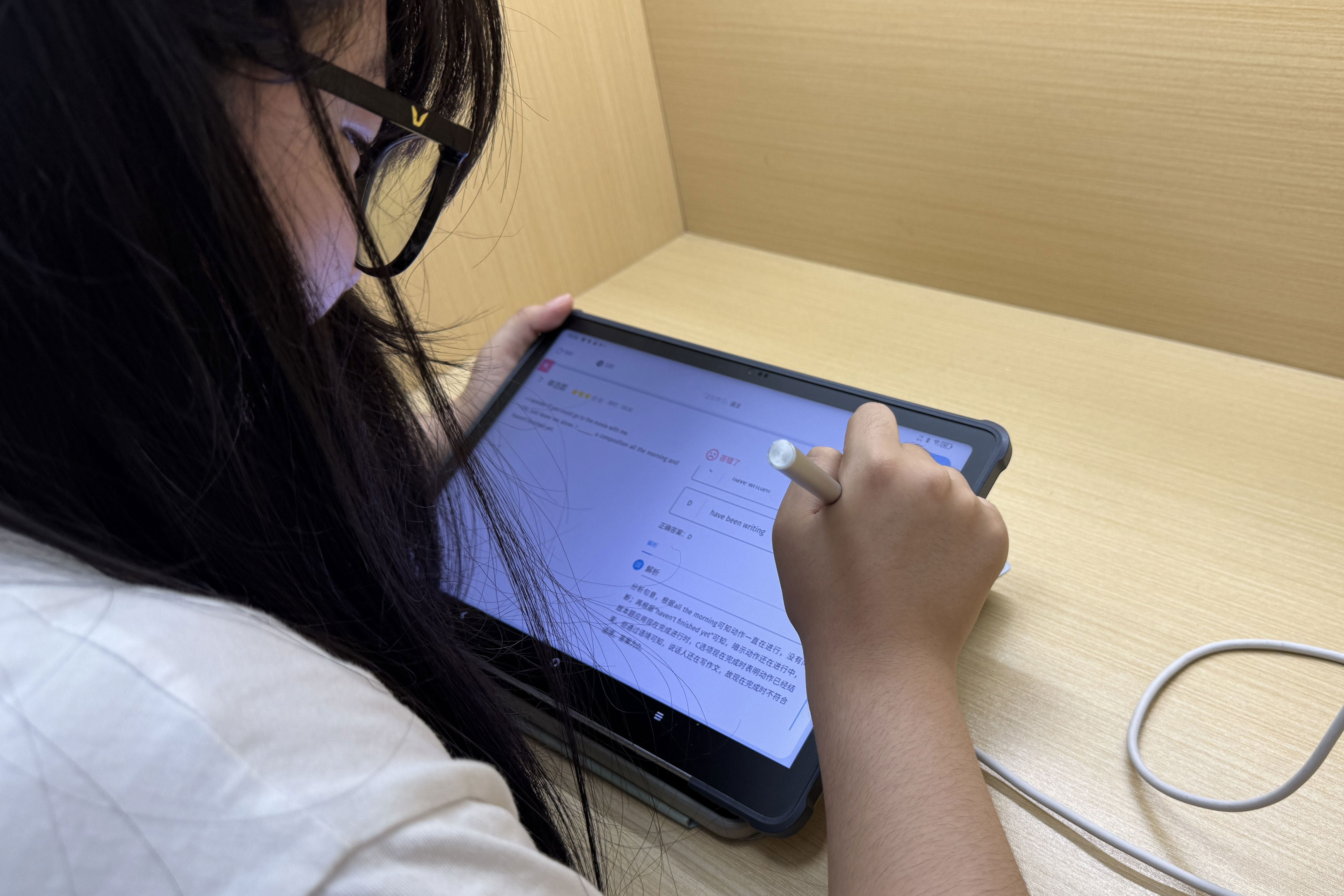
In one of Squirrel Ai’s 3,000 learning centers, teenagers work quietly with tablets to improve their grades. The center, located in Hangzhou, is adjacent to a public school, allowing students to attend after regular classes for additional academic support. The system is designed to monitor students closely, providing personalized content based on their needs.
For 18-year-old Wang Yucheng, the AI-powered learning has significantly improved her grades. “The analysis of the system is for me personally, so I can better learn the knowledge points for the exams,” she said. “If I make a mistake, it follows up to make sure I grasp the point better.”
Expanding AI in Education
Squirrel Ai uses its own AI model, developed by teachers to fit the specific curriculum, rather than relying on large language models like ChatGPT or Google’s Gemini. While the company represents a small proportion of China’s more than 200 million students, it has ample data to build upon.
Li shared examples of his own children, who completed advanced coursework at a young age using the platform. Other companies, such as iFlytek, are also implementing AI in education across thousands of schools.
Expansion into the U.S. Market
Squirrel Ai is planning to enter the U.S. market, with plans to open its first learning center this summer. It will compete with established after-school programs like Japan’s Kumon. Li acknowledged the challenges faced by Chinese tech companies in the U.S., such as concerns over national security.
To address these concerns, Squirrel Ai’s U.S. company is completely separate from its Chinese counterpart, with a U.S. hedge fund as the largest shareholder. Data will not be transferred between the U.S. and China, and the company relies on U.S. AI scientists for its development.
“We do not teach students Chinese or the Chinese culture. We just focus on math and reading, so it’s not ideological and much less sensitive,” Li said.