The Mystery of the Paracas Conehead Mummies
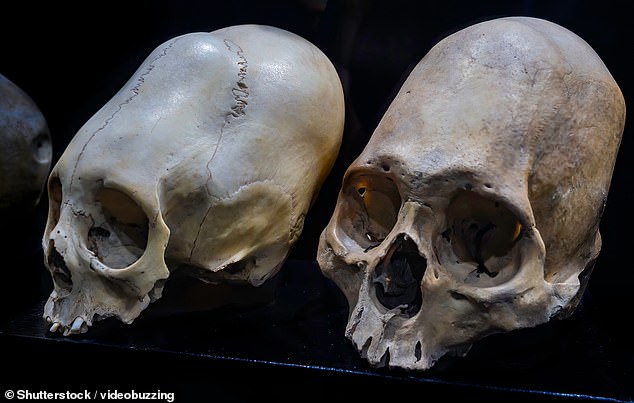
The enigma surrounding the Paracas conehead mummies has captivated researchers and enthusiasts for decades. These unusual remains, discovered in Peru during the 1920s, have sparked numerous theories about their origins. Some suggest they are the result of ancient human practices, while others speculate they could be linked to extraterrestrial life.
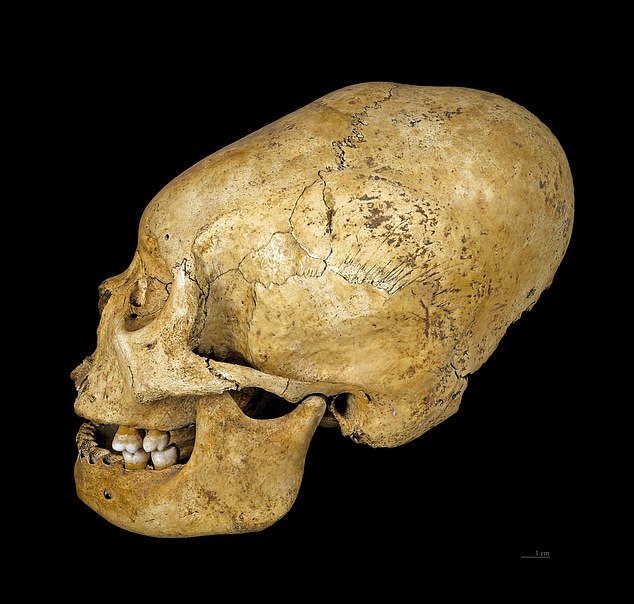
Researchers from Liberty University in Virginia recently conducted a new DNA analysis of these mummies to uncover more about their genetic makeup. The study focused on teeth from the Paracas skulls, which are known for their distinctive cone-shaped appearance. Previous investigations into the mummies’ origins relied mainly on visual observations, leading to conflicting conclusions about whether the deformation was due to cultural practices or something more extraordinary.
One prevailing theory is that the cranial deformation was a result of a practice called cranial binding, where infants’ skulls were wrapped with cloth or boards to shape them over time. This practice was believed to be a symbol of social status in ancient South American cultures. However, some researchers have proposed alternative explanations, including the idea that the mummies could be evidence of extraterrestrial visitors.
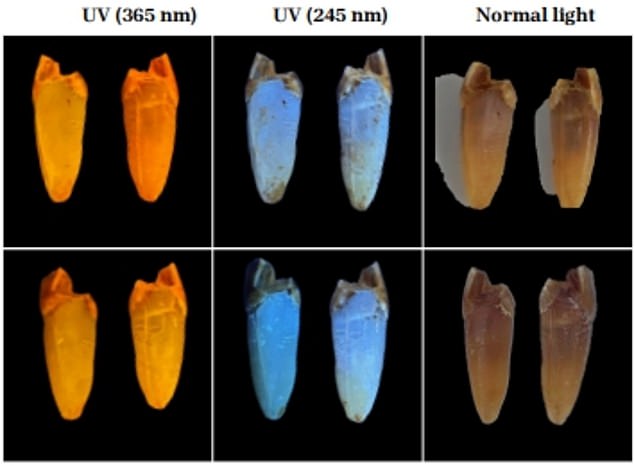
Despite the lack of conclusive evidence, the possibility of non-human DNA has continued to fuel speculation. The recent study aimed to extract DNA from the teeth of the mummies, as teeth are considered a reliable source of genetic material due to their durability over time.
The team at Liberty University employed two methods to retrieve DNA: a gentle technique that removed small bits of powder from the tooth root, and a more aggressive method that ground the entire tooth into fine powder using a coffee grinder. After both procedures, the researchers used a special machine to measure the amount of DNA extracted.
While the grinding method yielded significantly more DNA—14.1 units compared to 2.3 units from the gentle method—both amounts were still below the threshold needed for clear genetic analysis. A nanogram is one billionth of a gram, and a microliter is roughly one-twentieth of a drop from an eyedropper. Therefore, the DNA retrieved equated to only a few hundred human cells, far less than the 20 units typically required for accurate results.
The researchers believe that the low DNA yield may be due to the age and degradation of the mummies. Despite this challenge, they remain determined to continue their work and refine their techniques. Their next step involves using a new method called demineralization, which could potentially extract more high-quality DNA from the teeth.
Once they obtain better genetic material, the team plans to compare it with DNA samples taken from the mummies’ hair. This comparison could provide insights into the real genetic origins of the Paracas people and help resolve the mystery surrounding these ancient remains.
In 2022, scientists from South America examined 159 skulls from the Paracas Cavernas archaeological site and found that 98% showed signs of intentional cranial modification. This practice was likely a significant marker of social identity in the region, particularly among cultures in modern-day Peru, Bolivia, and Ecuador.
However, not all researchers agree on the reasons behind this practice. David Childress, a prominent figure on the History Channel show Ancient Aliens, has suggested that head binding was an attempt to mimic the appearance of “highly advanced ancestors.” In his book The Enigma of Cranial Deformation, Childress and co-author Brien Foerster questioned why so many ancient cultures, even those in remote areas, engaged in this practice.
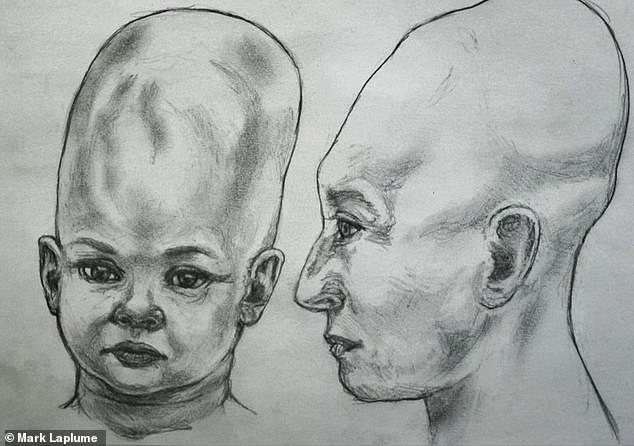
Lloyd Pye, a well-known paranormal researcher, gained attention for promoting the “Starchild skull” found in Mexico in the 1930s, which he claimed was an alien-human hybrid. Foerster, who worked with Pye on Paracas skull samples, stated in a 2014 interview that Pye strongly believed the Paracas skulls were not human and exhibited non-human traits.
As the investigation continues, the mystery of the Paracas conehead mummies remains unsolved. While scientific methods are being refined to extract more genetic information, the debate over their origins is far from over. Whether they are the result of ancient human practices or something more extraordinary, the Paracas skulls continue to intrigue researchers and the public alike.