Ebola Outbreak in the Democratic Republic of the Congo: A Growing Crisis
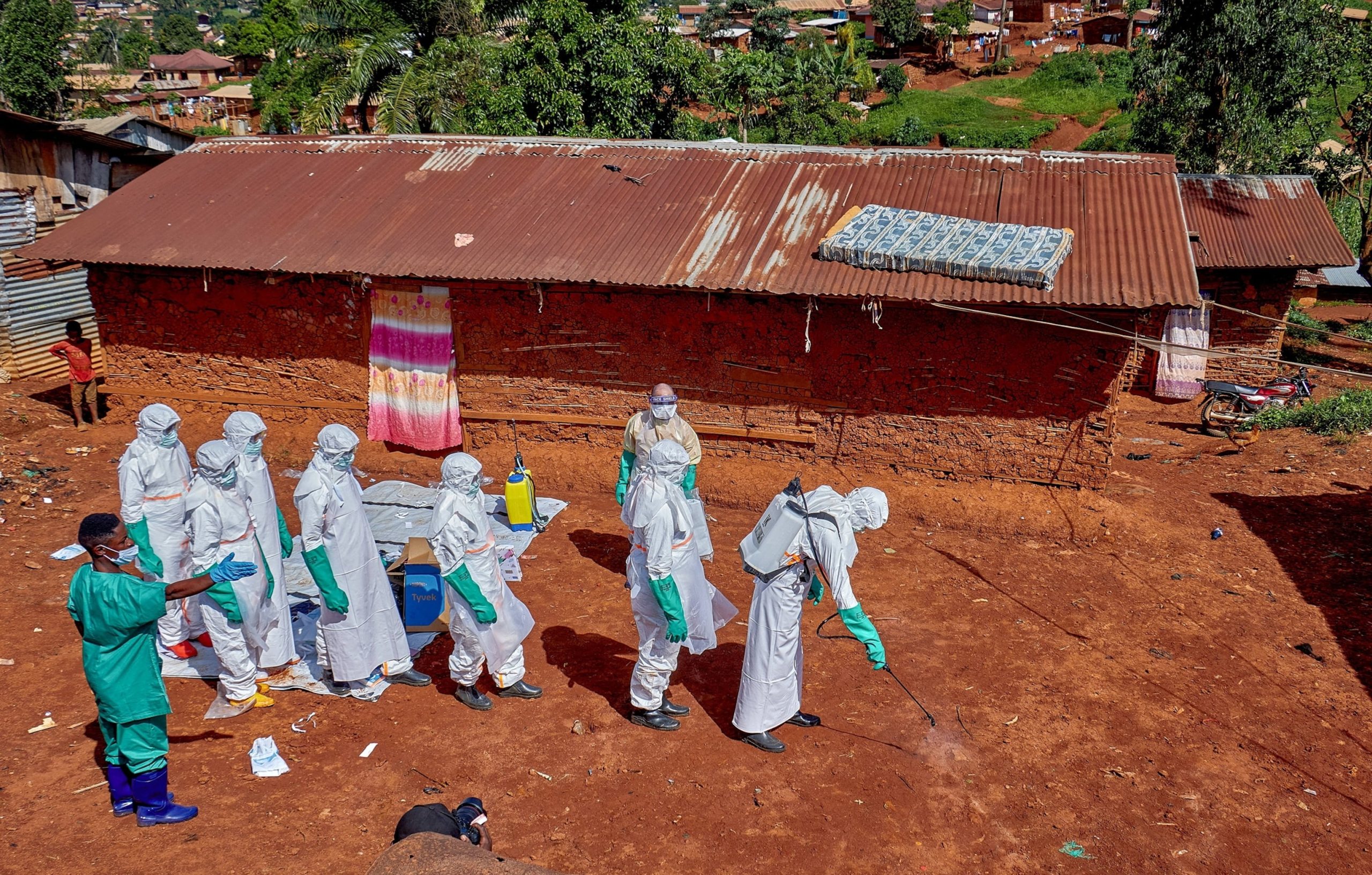
The ongoing Ebola outbreak in the Democratic Republic of the Congo (DRC) is being described as “likely far worse” than official reports indicate, according to the International Rescue Committee (IRC). The New York-based humanitarian organization has raised concerns about the challenges facing response efforts, including delayed detection and inadequate contact tracing.
As of now, there are over 1,000 suspected cases and more than 200 suspected deaths in the DRC, according to the country’s Ministry of Health. However, only 282 cases and 42 deaths have been confirmed so far. Despite these numbers, officials from the DRC have emphasized that people do not need to be in panic over the outbreak.
The IRC suggests that the virus may have been spreading undetected since before March and possibly as long as three months prior to the confirmation of the epidemic in mid-May. Rachel Howard, senior technical emergency health advisor at the IRC, highlighted that only around 20% of contacts are currently being traced, which is significantly below what is needed to effectively manage the outbreak.
At least nine travel-related cases have been confirmed in Uganda, along with one death, according to local health authorities. The IRC is particularly concerned about the potential for the virus to spread further into neighboring countries such as Burundi or South Sudan.
Howard noted that diagnostic cartridge shortages and testing backlogs are slowing the confirmation of cases, making it difficult to accurately assess the true scale of the outbreak. She also mentioned that at least six healthcare workers have died during this crisis, including two doctors in recent days. This loss has exacerbated fears that those affected by Ebola are staying within their communities rather than seeking treatment, which could lead to further transmission.
“As a result, transmission is spreading across multiple areas, and communities are losing trust in the response,” Howard said. “Strengthening local, community-based prevention and infection control should be the immediate priority to control the outbreak at the source. Without urgent funding, the situation could deteriorate rapidly.”
The current outbreak bears similarities to the 2018-2020 North Kivu Ebola outbreak, which resulted in over 3,400 cases and 2,200 deaths, according to the World Health Organization. Howard pointed out that the 2018-2020 outbreak was complicated by factors such as insecurity, population movement, and community resistance.
In response to the growing crisis, the Centers for Disease Control and Prevention (CDC) has asked its staff to volunteer for Ebola screenings at airports. This move highlights the increasing concern about the potential for the virus to spread beyond the DRC.
Unlike previous outbreaks, there is currently no approved vaccine available for the Bundibugyo virus, which is responsible for the current outbreak. However, the Coalition for Epidemic Preparedness Innovations (CEPI) has announced plans to “urgently accelerate” the development of three potential vaccines targeting this strain.
The vaccines being developed include those by IAVI, Moderna, and the University of Oxford, with manufacturing handled by the Serum Institute of India. Each of these vaccines uses a different validated technology to maximize the chances of success, according to CEPI.
“The IRC is calling for urgent international support to scale up contact tracing, surveillance, laboratory testing, treatment capacity, and community engagement efforts before the outbreak escalates further,” Howard said. “It is also critical to build trust with affected communities, including through survivor-led awareness and risk awareness activities.”