New Vaccines in Development to Combat Ebola Outbreak
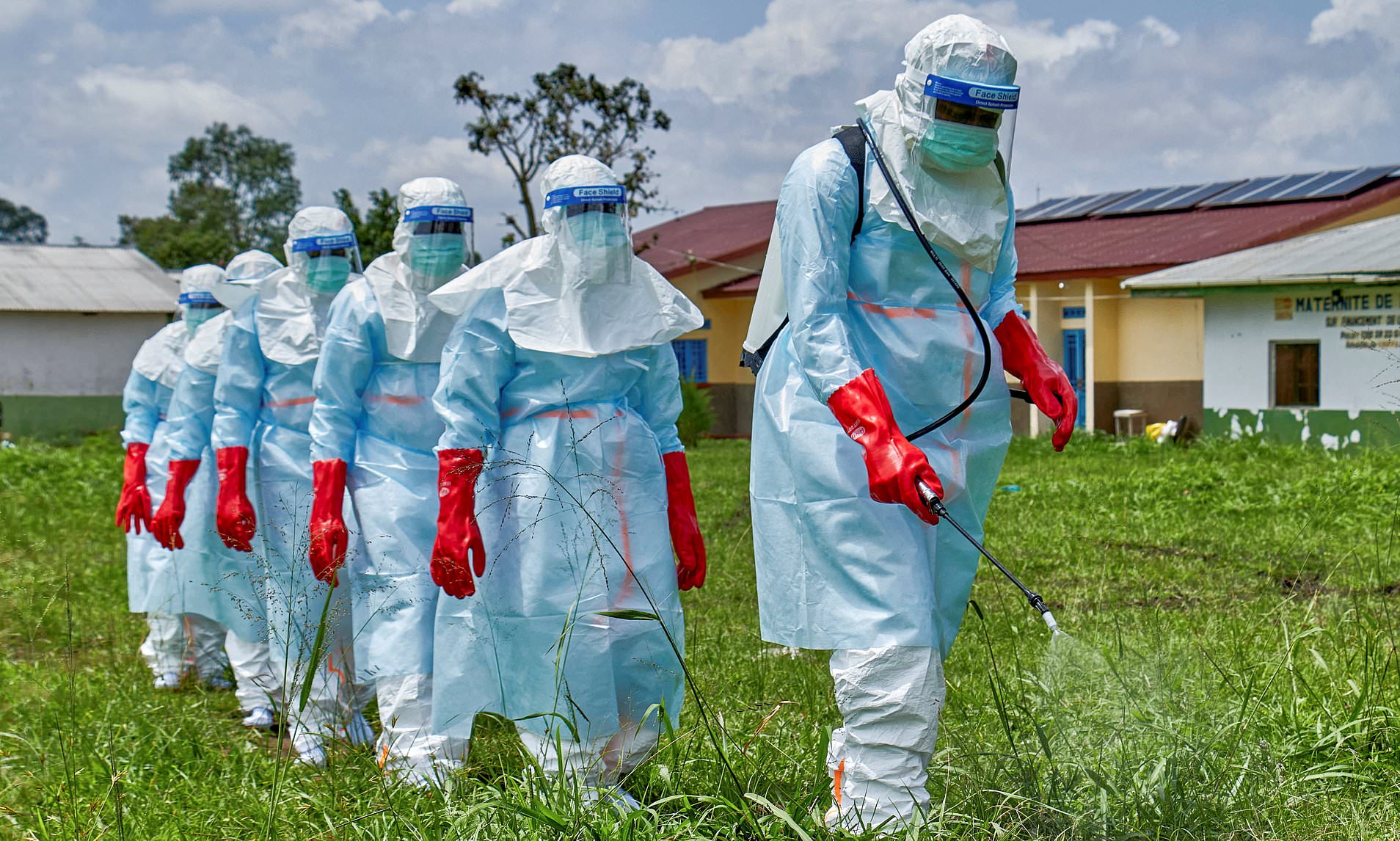
Three new vaccines are currently being developed to address a rare strain of the Ebola virus that is causing significant devastation in Central Africa. Scientists are working urgently to prevent what could become the worst outbreak of the disease ever recorded.
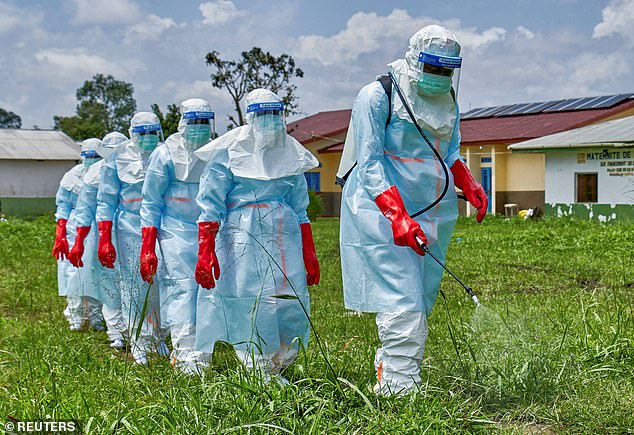
The Bundibugyo strain of the virus, which has been responsible for the current outbreak, is particularly concerning due to its high fatality rate—up to 50% of those infected. The World Health Organisation (WHO) has warned that the spread of this strain could surpass the 2014 to 2016 outbreak, which claimed over 11,000 lives. As of now, there are more than 1,000 suspected cases and over 250 deaths, with the majority of cases reported in the Democratic Republic of Congo (DRC) and some in neighbouring Uganda.
Despite the global alert, the true extent of the outbreak remains uncertain. Suspected cases have been reported in Brazil, Italy, and Austria, but all tests have returned negative results so far. This has not stopped fears from growing, especially as the Bundibugyo strain lacks an existing vaccine.
Efforts by Global Scientific Institutions
The International Aids Vaccine Initiative (IAVI), alongside other scientific institutions, is working on developing a vaccine against the Bundibugyo strain. Dr Mark Feinberg, head of IAVI, emphasized the severity of the situation, stating that the outbreak could be even worse than the 2014–2016 crisis.
The University of Oxford and Moderna, known for their work on the COVID-19 vaccine, are also involved in the development of a vaccine for the Bundibugyo strain. However, experts warn that it may take two to three months before human trials can begin, meaning that patients in Africa may not receive the vaccine within the next six months.
Currently, only one of the six known Ebola strains has a vaccine, which was developed for the Zaire strain. IAVI is working on a modified version of this vaccine to target the Bundibugyo strain. Early tests on monkeys showed nearly 100% protection, but clinical trials could take up to nine months.
Moderna is using similar technology to that used during the pandemic to develop its vaccine. Stephane Bancel, CEO of Moderna, said the company would act with urgency and scientific rigor to support the response and bring the vaccine closer to affected communities.
Different Approaches to Vaccine Development
All three vaccines aim to teach the immune system to detect the Bundibugyo strain, but they use different methods. IAVI’s vaccine uses a harmless virus modified to carry the Ebola protein, which trains the immune system to recognize the virus. The Moderna and Oxford vaccines deliver genetic instructions into the body, instructing cells to produce the Ebola protein, which the immune system then attacks.
Clinical trials are necessary to determine the effectiveness of each vaccine, as they may offer different levels of protection or require varying numbers of doses.
Challenges and Concerns
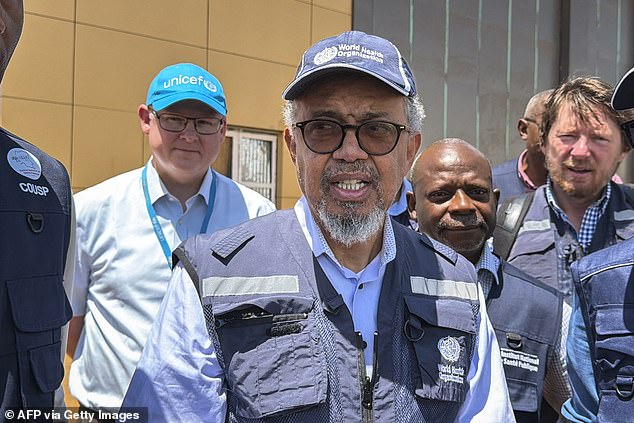
Dr Richard Hatchett, CEO of The Coalition for Epidemic Preparedness Innovations (Cepi), highlighted the urgency of the situation, stating that every day counts in the race against the deadly disease. Dr Tedros Adhanom Ghebreyesus, director-general of the WHO, added that a Bundibugyo vaccine could help control the epidemic and improve preparedness for future outbreaks.
Humanitarian aid charity Doctors Without Borders has expressed deep concern about the outbreak, with Dr Alan Gonzales noting that the number of cases has surged rapidly since the declaration of the outbreak in Ituri Province. He warned that the response has not kept pace with the virus’s spread and that many samples remain untested.
Global Response and Public Concerns
The WHO has announced that four nurses treated for Ebola in Bunia have recovered and been discharged from hospital. Dr Ghebreyesus also urged countries to reconsider travel bans on patients from infected regions, as these measures hinder the response and discourage transparency.
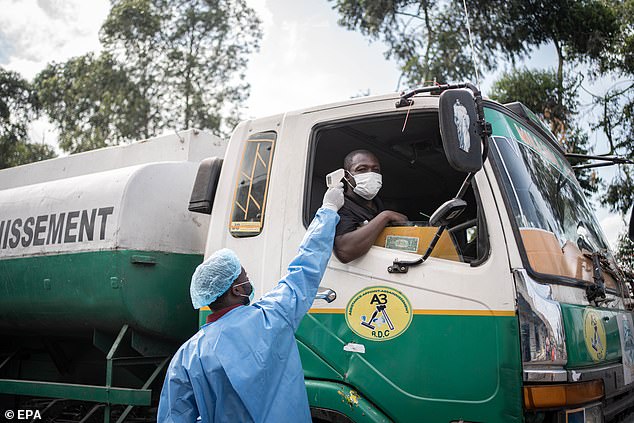
In the DRC, the Health Minister Roger Kamba aims to contain the outbreak within four to six months. Symptoms of the Bundibugyo strain include flu-like fever, headache, muscle pain, vomiting, and diarrhea, which can progress to internal bleeding, organ failure, and death.
Patients can carry the virus for up to 21 days before symptoms appear, making early detection crucial. While a successful vaccine could protect against severe illness and death, its effectiveness is not guaranteed.
Social and Political Impact
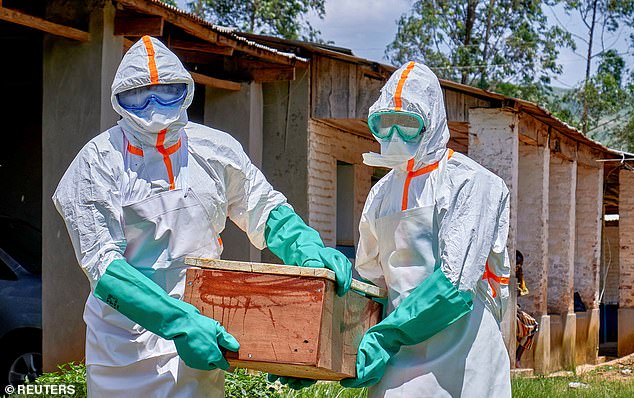
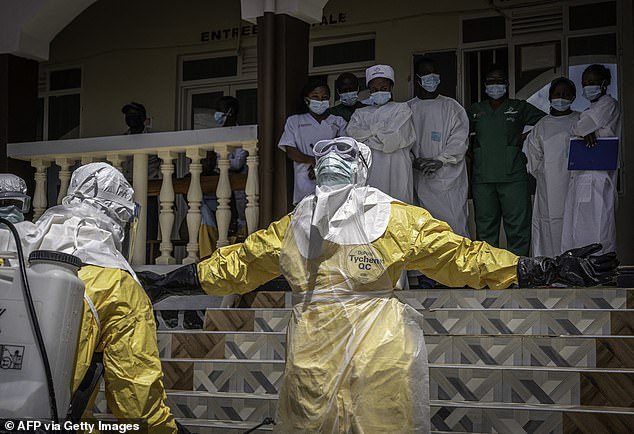
The outbreak has caused widespread disarray in affected nations, with locals protesting against how the crisis is being managed. Mongbwalu General Referral Hospital in the DRC has faced attacks from people seeking to bury loved ones who died from Ebola. These burials are highly contagious, and medical teams are conducting them instead.
Some factions in the region believe the outbreak is a hoax and have confronted Red Cross volunteers. In Kenya, riots broke out after the US announced plans to quarantine citizens with Ebola, with protesters lighting bonfires and holding signs demanding “No to Ebola in Nanyuki.”
Ongoing Challenges and Global Implications
Flights to and from Bunia have been grounded, but experts fear the virus may have already spread to nearby countries like South Sudan. Previous Ebola outbreaks have killed more than half of those infected, often due to internal bleeding and organ failure.
British health officials have activated a Returning Workers Scheme to monitor healthcare workers returning from affected regions. However, experts warn that the UK is unprepared for an Ebola outbreak and stress the importance of maintaining vigilance and funding for global health initiatives.
Dr Derek Sloan, an infectious diseases expert at St Andrew’s University, emphasized the need to stay vigilant and preserve funding for public health tools. He noted that infectious disease outbreaks in an interconnected world cannot be ignored and must be addressed through effective international cooperation.
Read more