Introduction to the ICC Trial of Pink Balls in Test Matches
The International Cricket Council (ICC) is exploring new ways to ensure that Test matches can continue without unnecessary interruptions due to poor lighting conditions. One of the proposed solutions is the use of pink balls during periods of bad light, which could help maintain the flow of the game and reduce the amount of time lost.
Under current regulations, play is halted if on-field umpires determine that the light conditions are “dangerous or unreasonable.” This decision is often made using an ICC-approved light meter. However, the ICC is looking for alternatives to minimize disruptions and improve the overall experience for players and fans alike.
The Trial of Pink Balls
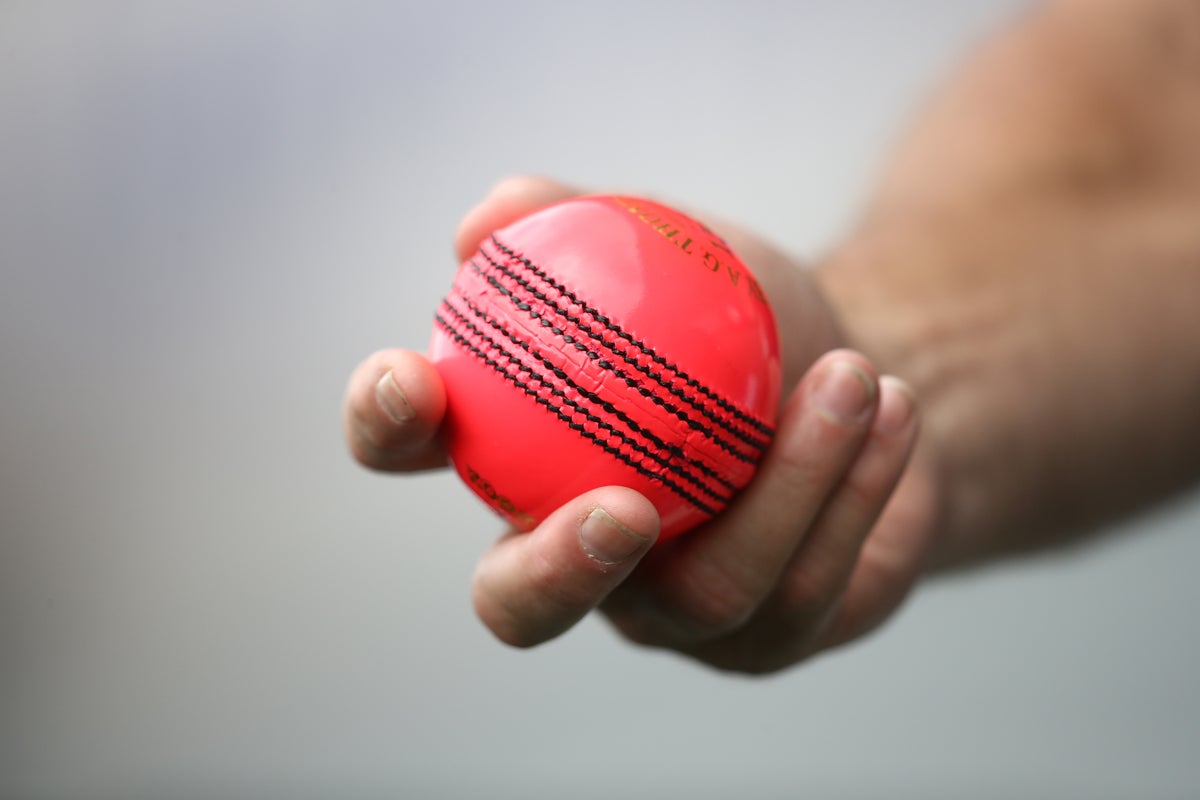
As part of this initiative, the ICC has approved a trial of pink balls in cases where bad light is anticipated. This trial would require prior agreement from both teams involved in the Test match. The use of pink balls is not intended to replace traditional white balls but rather to serve as an alternative when visibility becomes an issue.

Pink balls are specifically designed to provide balanced visibility during matches that transition from daylight to floodlights. They have been used in day/night Tests since 2015, with a total of 25 men’s and four women’s matches held. England is set to face Australia in a day/night Test at the MCG next year, marking 150 years of Test cricket. This match will be particularly significant as England previously lost under the lights during the Ashes in Brisbane.
Research and Development of Lighting Technology
In addition to the pink ball trial, the ICC is working with the Marylebone Cricket Club (MCC) to research and develop advanced lighting technology for match officials and venues. The goal is to create a more consistent playing environment and reduce the likelihood of match interruptions due to poor lighting.
Although no specific timeline has been outlined for the trial, it is important to note that this initiative will not affect England’s upcoming Test series against New Zealand, which begins at Lord’s this week. It is understood that the England and Wales Cricket Board (ECB) currently has no plans to use pink balls for home Tests.
Additional Regulation Changes
During the ICC board meetings in Ahmedabad on Sunday, several other regulation changes were approved. One of these changes allows match officials to access Hawk-Eye data when considering reporting an illegal bowling action. This move aims to enhance the accuracy and fairness of decisions related to bowling actions.
Another change permits coaches to consult with teams during scheduled drinks intervals. This adjustment is intended to provide more opportunities for strategic discussions and support during the game.
Concerns About Franchise Cricket
The ICC board also expressed concerns about the growing expansion of franchise cricket. A committee is set to be formed to examine how short-format leagues can be harmonized with the existing international calendar. This step is aimed at ensuring that the interests of all stakeholders, including national teams and players, are taken into account.
Conclusion
The ICC’s initiatives reflect a commitment to innovation and improvement within the sport of cricket. By exploring the use of pink balls and investing in better lighting technology, the governing body is taking steps to ensure that Test matches can be played under optimal conditions. These efforts, along with other regulatory changes, highlight the ongoing evolution of cricket and its dedication to maintaining the integrity and excitement of the game.