A Struggling Shopping Precinct in Swinton
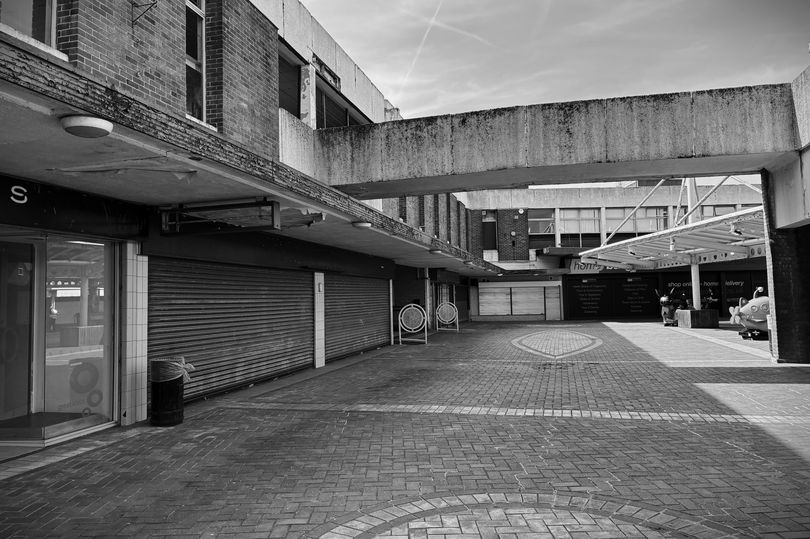
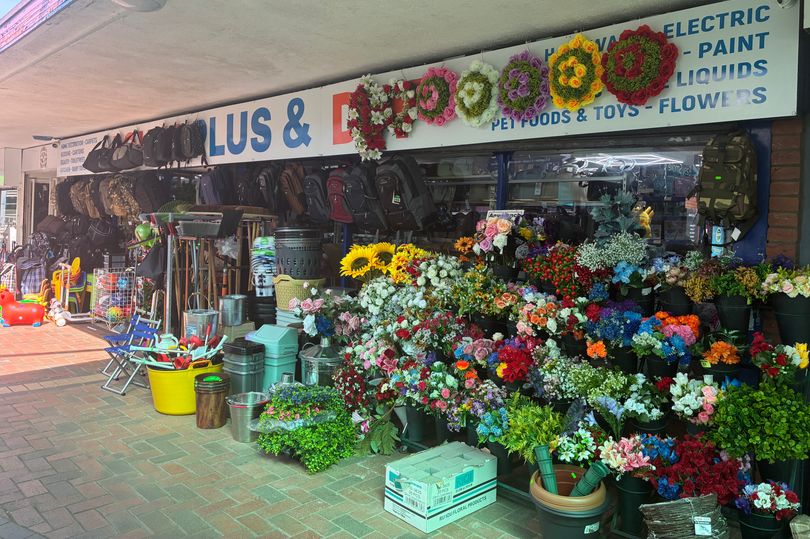
In the heart of Swinton, a once-bustling shopping precinct now stands as a quiet reminder of economic decline. The only retail shop open is Pound Plus & DIY, surrounded by shuttered businesses and empty spaces. The area is filled with travel suitcases and fake plants, creating an eerie atmosphere. Business owner Mohamad admits the challenges he faces. “We’re not making enough to cover the rent,” he says. “The rent is too high, and the business rates. Honestly? If it carries on like this, we’ll have to close down in a couple of months.”
A Community in Decline
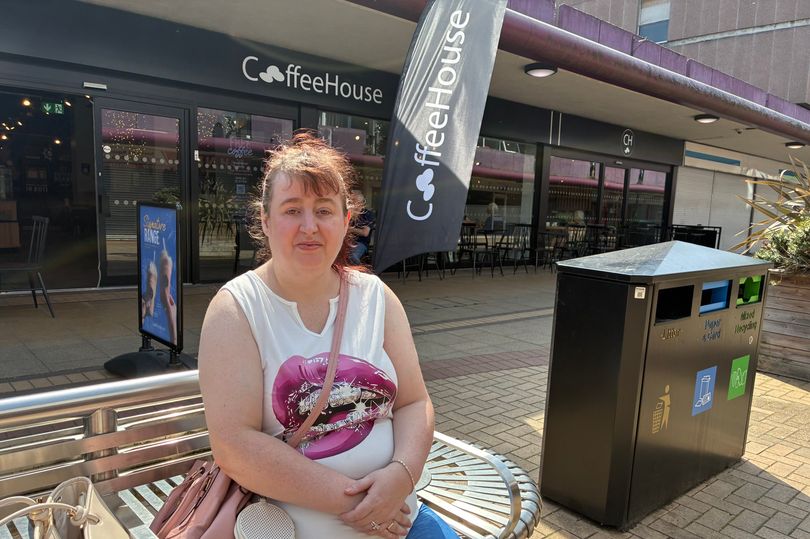
Local resident Lynette, 44, describes Swinton Square as a “ghost town.” She and her mother Pat, 74, often visit the area but find it increasingly unappealing. “We come out every week, every couple of days, but we’re just getting fed up now because there’s nowhere to go,” she explains. The once-vibrant shops have closed, leaving behind boarded-up storefronts. Pat recalls a chippy that had been in the complex since the seventies, which recently shut down.
A Legacy of Closure
Many long-standing businesses have disappeared from the area. Puccinis, a beloved restaurant in Swinton, closed its doors after more than four decades. Owner Michele Pucci attributes the closure to various factors, including Brexit, difficulty finding staff, and rising costs. “Trade is dying, Swinton is dying and we’re dying in Swinton,” he says. His words reflect the sentiments of many local residents who feel the area is in decline.
Council Involvement and Ownership Issues
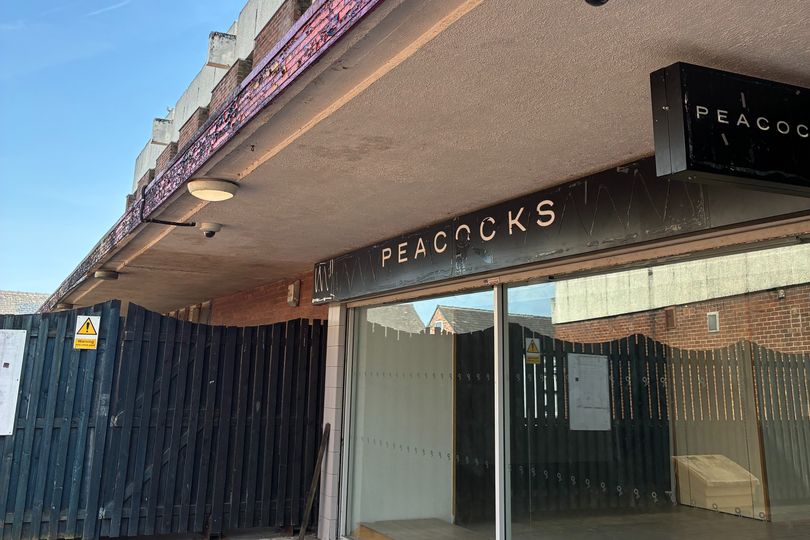
The council used to own the precinct but sold it in 2002 for £3.2m. Plans to re-acquire the asset have been discussed over the years, but no significant action has been taken. In 2017-2020, the local authority spent £348,000 on a masterplan for Swinton, though it remains unpublished. Since 2024, the council has been exploring a plan to buy back the shopping centre, similar to its purchase of the Eccles shopping centre.
Mayor Paul Dennett acknowledges the importance of addressing the issue. “It’s not just Puccinis. Many banks have literally closed their doors along that stretch of the precinct,” he says. However, the ownership of the precinct remains unclear, with West Bromwich Building Society stating it does not own the area but acts as a lender to two overseas registered companies.
A Fading Future
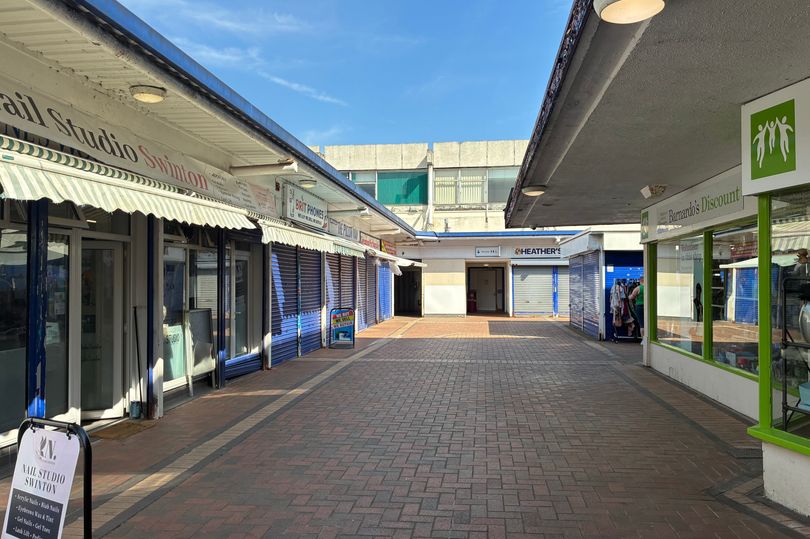
As the buildings become emptier and deteriorate, anti-social behaviour increases, according to locals. Ross Hargreaves, a 74-year-old resident, notes the area’s struggles. “It used to be packed, look at it now. It’s the school holidays and it’s still deserted. It’s not just the shops either, it’s jobs, the factories, industry.”
A New Hope
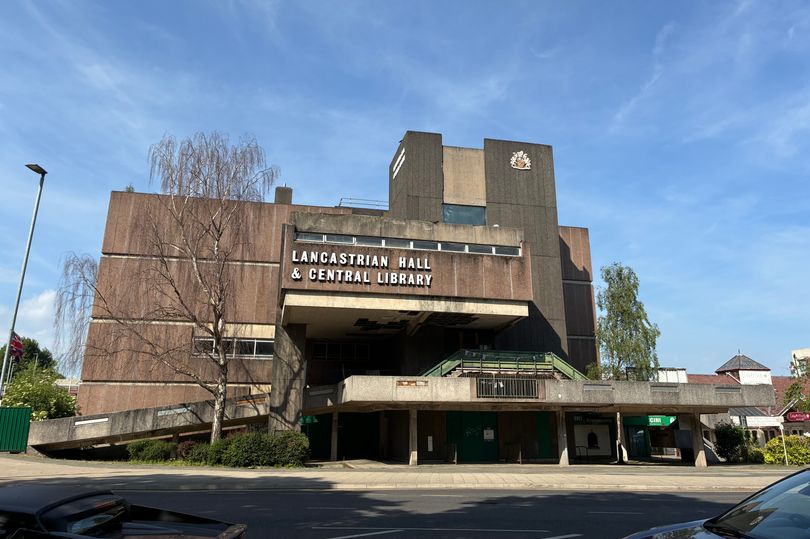
Despite the challenges, there is a glimmer of hope. One unit at the precinct has bucked the trend for closures. The White Swan Darts Academy, opened by Arran Mattinson, offers a unique opportunity for young people to engage in darts. “We aren’t a traditional business, so [the decline of the precinct] affects us less,” Mattinson explains. The academy focuses on community groups and schools, aiming to keep young people engaged and away from trouble.
Vision for the Future

The council’s Corporate Plan outlines a vision to create a “fairer, greener, healthier and more inclusive city” by 2028. This includes building more homes and making Salford a “child friendly city.” However, progress around the shopping precinct remains uncertain. As time ticks on, some wonder if it’s already too late to save the dying shopping centre.
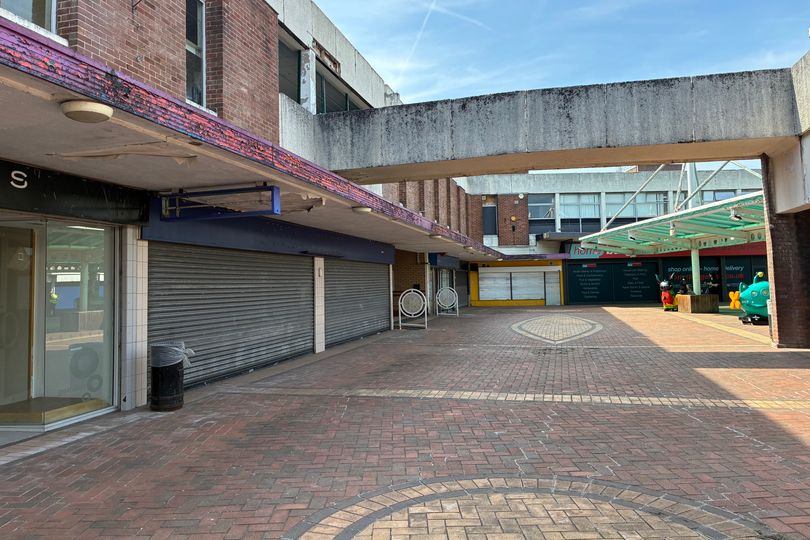
Lynette sums up the sentiment of many: “No one wants to come here anymore. Because it’s boring. It’s just a bit of a ghost town now.” The future of Swinton Square remains uncertain, but the hope for renewal and revitalization persists.