A Journey of Courage and Healing
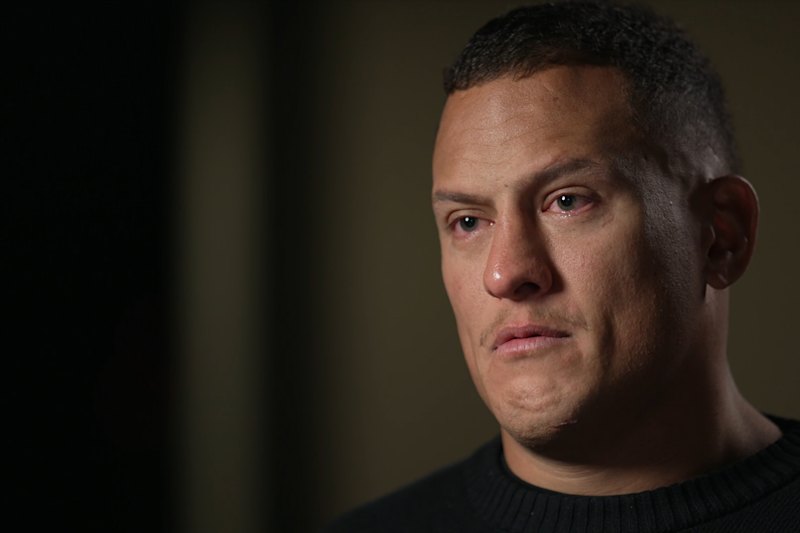
Former NRL enforcer and Fijian international Kane Evans has opened up about his struggles with alcohol, substance addiction, and suicidal thoughts in a deeply emotional interview. His story, shared on Channel Nine’s 100% Footy, highlights the challenges he faced while coming to terms with his sexuality.
Evans, now 34, is only the second male player in professional Australian rugby league to publicly come out as gay. He follows in the footsteps of Ian Roberts, who came out over 31 years ago.
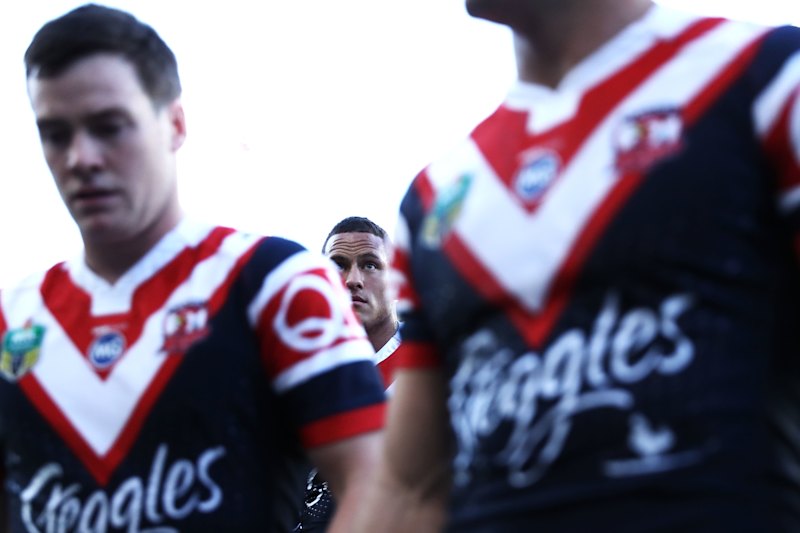
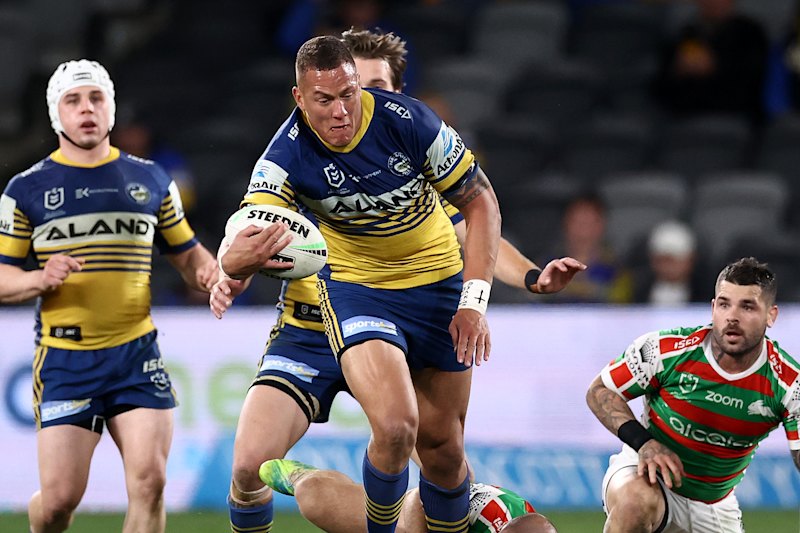
Evans gained fame as a hard-hitting Roosters forward in 2014. However, his journey was not without its hardships. He revealed that denying his sexuality from the age of 15 had taken a significant toll on him. After his rugby career ended, he considered taking his own life. His battles with addiction were exacerbated by threats of blackmail and outing from those who knew about his sexuality.
“I had three goals in life,” Evans said during the interview. “To play NRL, to buy my parents a house, and then I wanted to top myself, because I was living in denial from a young age.”
The Road to Recovery
Evans’ mental health struggles led him to seek help through the Rugby League Players Association (RLPA). The support he received helped him get into a rehabilitation facility and begin his journey toward recovery.
“Once my NRL and Super League career ended, I made taking my own life a personal goal as I spiraled into addiction,” he explained. “I was sleeping in parks, doing drugs, trying to ultimately pass away so I didn’t have to come to this [conversation].”
His turnaround was pivotal after meeting Joe Galuvao, a former Panthers premiership-winner and manager with the RLPA’s past players and transition program. Galuvao tracked down Evans while he was sleeping rough in Sydney parks.
“I started questioning; ‘Maybe death isn’t the plan for me yet. Maybe I do deserve to go and get help,’” Evans recalled. “I’ve carried [hiding my sexuality] around my whole life. I’m here today to show people that you don’t have to live like that.”
Breaking the Chains
Evans described the emotional weight of hiding his sexuality for so long. He spoke about the shame, fear, and guilt that built up over the years, often leading to self-destructive behavior.
“Even over the years when I’ve tried to go down that path [of coming out on my own terms], I’ve had people blackmail me. I’ve had people try to throw me under the bus, I’ve had people try to deflect their problems by trying to out me. And it just built up a lot of shame, and fear and guilt within myself.”
After speaking out, Evans felt a sense of liberation. “Now I’ve spoken about it, I’ve shattered all those chains. They’ve lost their power. I feel like coming and speaking to you today, fear, shame, guilt – all of that, I’ve cut ties with all that. I feel peace within, and I feel like a weight has lifted off my shoulders.”
Support from the Rugby Community
Evans also expressed gratitude to Roosters coach Trent Robinson, who played a key role in his career. Robinson handed Evans his NRL debut and supported him throughout his journey. Recently, during a guided tour of the Roosters’ Moore Park headquarters, Robinson told Evans that the club would help finance part of his mental health treatment.
“Somehow Robbo got my number,” Evans said. “He called me just to let me know [that] the Roosters is still my home, and that they’ve got my back in whatever I’m facing … And Robbo, out of his own money, paid four weeks of my rent, because I had just got into a place that week.”
A New Beginning
Evans acknowledged that he had not fully processed the significance of his coming out in the context of Australian sports. He emphasized that the most important conversation would be with his parents.
“My mum and dad know. But I need to tell them. It has to come from my mouth. My mum, she’s ill at the minute, but I’ve got so much love for them. By the time this airs, I’ll have told them already, and I can’t wait for that moment. Because then I’ll be free.”
Evans expressed pride in his courage and a newfound sense of freedom. “I’m very blessed that I’m facing my fears. I know some people that have done some gangster things, but I feel like this is up there. I’m a bit proud of myself and when I look in the mirror, I’m going to smile now, not have those bad thoughts.”
If you or someone you know is struggling with mental health, support is available. You can contact the Mental Health Line on 1800 011 511 or Lifeline on 13 11 14.