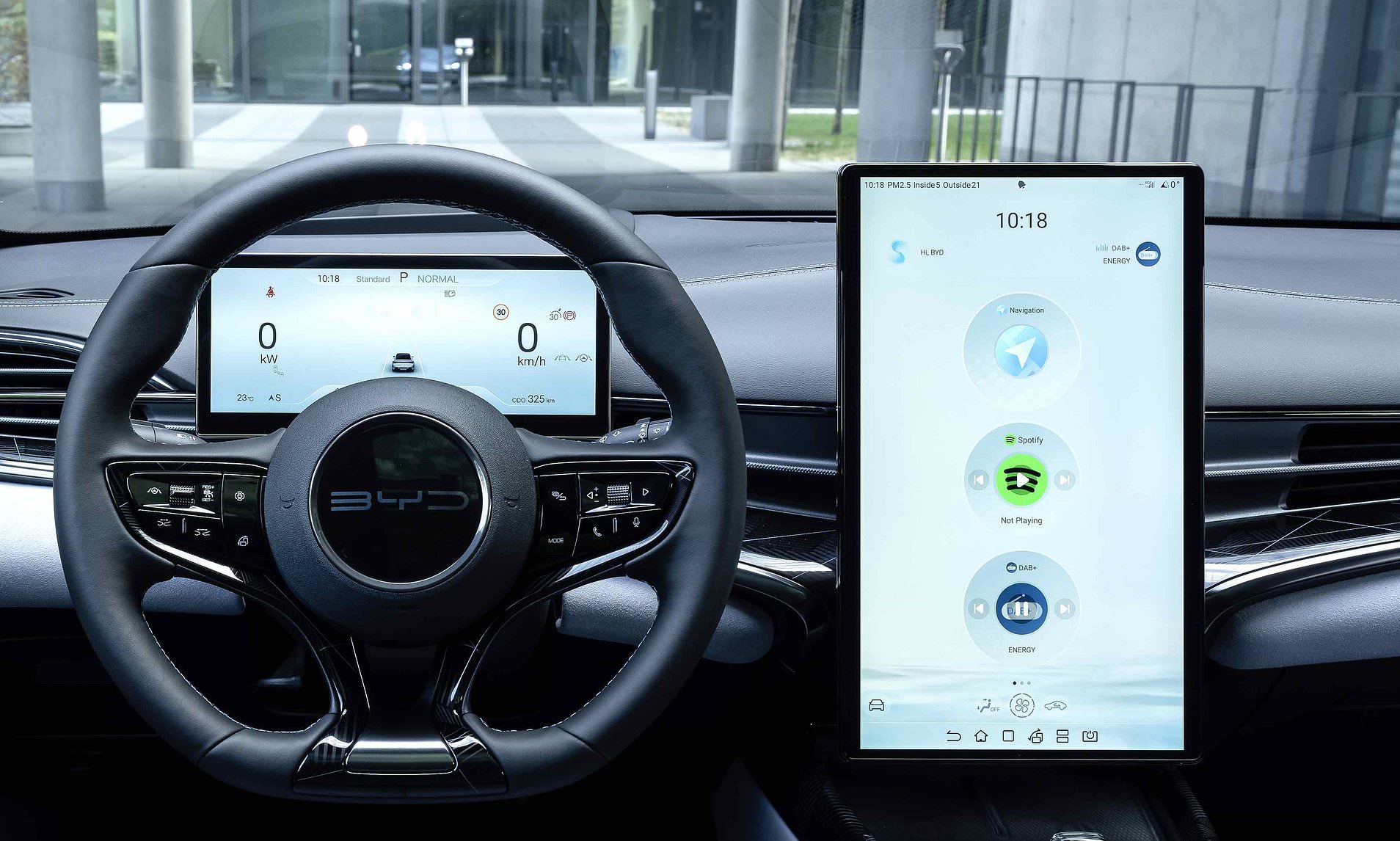
Drivers Say “Enough’s Enough” to Clunky Car Tech and Annoying Safety Warnings
Motorists across Australia are increasingly fed up with the complicated and distracting technology embedded in their new vehicles. A recent comprehensive study has revealed a significant drop in owner satisfaction, particularly with in-car safety systems and infotainment touchscreens, with many drivers finding these features more of a nuisance than a help.
The findings, drawn from a major national car satisfaction survey, indicate a growing frustration with the reliance on digital interfaces and mandatory driver-assist technologies. While satisfaction has dipped across various aspects of car ownership, the steepest decline has been observed in the “safety features” category, signalling a clear message from drivers: the current implementation of these systems is missing the mark.
Key Areas of Dissatisfaction:
- Safety Systems: This category has seen the most significant drop in owner approval. Drivers are expressing dismay with the constant beeping, alerts, and interventions from systems designed to enhance safety, finding them intrusive and, at times, counterproductive.
- Infotainment and Interior: Satisfaction with the overall interior experience and the infotainment systems has also taken a nosedive. This includes a growing discontent with the balance between physical controls and touchscreen interfaces, as well as the user-friendliness of the digital systems.
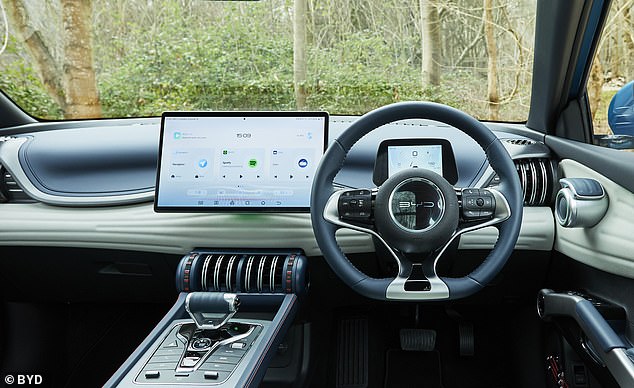
The trend suggests a disconnect between what car manufacturers are designing and what drivers actually want and need on the road. This isn’t a new development. Previous reports have highlighted how long it can take to perform basic tasks on some in-car touchscreens, and a significant majority of drivers have previously voiced a desire for carmakers to move away from overly complex and distracting digital displays.
The Safety System Backlash
The push towards more advanced safety features, while well-intentioned, appears to be backfiring. Mandates from regulatory bodies, aiming to equip all new vehicles with a suite of active safety systems like lane-keep assist and driver attention monitoring, are contributing to this widespread dissatisfaction. While these systems have the potential to improve road safety, their current execution is often perceived as overly sensitive or poorly integrated.
Adding to the frustration, the rising cost of this technology may also be impacting perceptions of value for money. As more features are packed into vehicles, the overall rating for value has seen a noticeable slip, suggesting that drivers don’t feel they are getting their money’s worth when the technology itself becomes a source of annoyance.
Alarmingly, research indicates that a substantial portion of drivers are taking matters into their own hands by simply switching off these mandated safety systems. This behaviour suggests that the systems are not only failing to enhance the driving experience but are actively detracting from it, leading drivers to disable them altogether.
Why Drivers Are Turning Off Safety Systems:
- Annoyance: A significant percentage of drivers report switching off active safety systems because they find them irritating.
- Intrusiveness: Constant alerts and interventions can be distracting, undermining the very safety they are intended to provide.
- Poor Implementation: Some systems are perceived as overly sensitive, reacting unnecessarily to common driving situations.
One notable exception to this trend is the Tesla Model 3. Despite the general decline in satisfaction with safety features, the Model 3 has performed exceptionally well in this area. This success is attributed to its sophisticated software and a user experience that is reportedly more straightforward and unobtrusive, indicating that drivers are willing to embrace advanced technology when it is seamlessly integrated and easy to use.
Touchscreens: Style Over Substance?
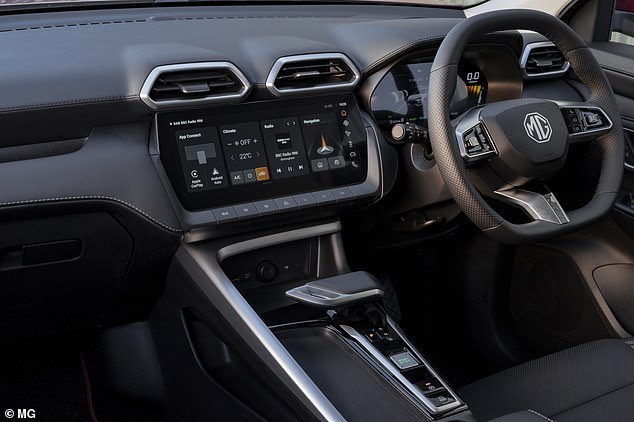
The reliance on large, central touchscreens for everything from climate control to navigation is a major pain point for many drivers. The survey results show a clear decline in satisfaction with the balance between physical buttons and touchscreen controls. User-friendliness has also taken a hit, with drivers finding it more difficult to operate these systems while on the move.
Industry experts suggest that manufacturers have, for too long, prioritised sleek design and efficient packaging over genuine usability. While touchscreens might look impressive in a showroom or at a press event, they often fall short of the intuitive and immediate functionality offered by traditional physical buttons.
The Appeal of Physical Controls:
- Intuitive Operation: Buttons and dials provide tactile feedback and are easier to operate without looking.
- Accessibility: Essential functions can be controlled quickly and easily, crucial for maintaining focus on the road.
- Reliability: Physical controls are often perceived as more robust and less prone to software glitches.
The automotive industry is slowly beginning to recognise this shift in driver preference. Safety organisations are now factoring the placement and accessibility of controls into their safety ratings. For instance, Euro NCAP, a leading vehicle safety assessor, has updated its scoring system to penalise manufacturers that bury essential driving functions, such as indicators, hazard lights, and the windscreen wipers, within complex touchscreen menus. To achieve a top safety rating, new vehicles must now feature readily accessible physical controls for these critical functions, signalling a move back towards a more practical and driver-centric approach to vehicle design.