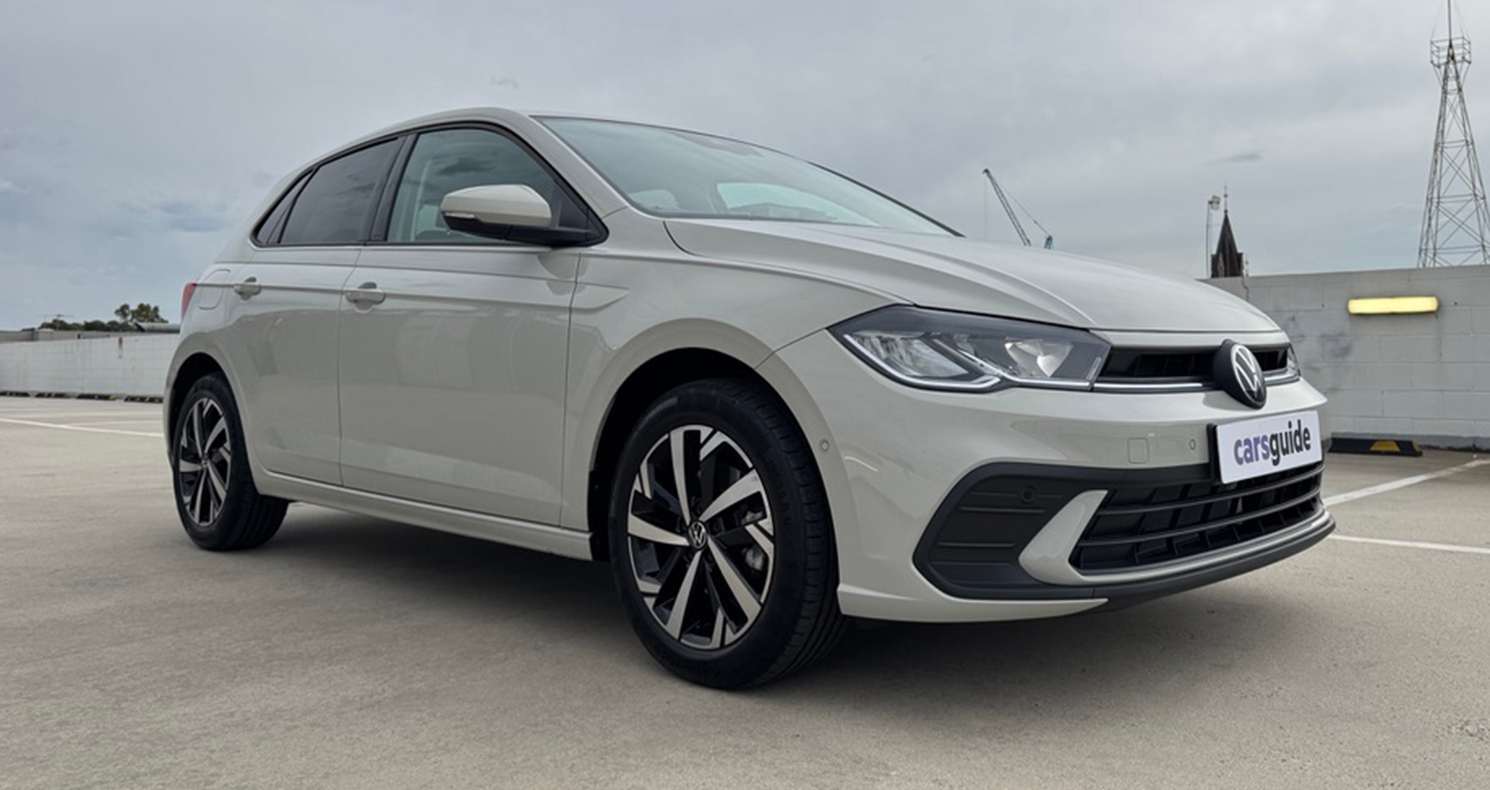
The Volkswagen Polo is about to turn 30 in Australia but, by 1996, it was already 21-years and three generations old in Europe.
As the least-expensive jumping-on point for the brand here today (RIP VW Up!), the Polo has deftly juggled affordability with the premium pricing that its German engineering demands.
But, at nine-years old, and in an era of newer, hybrid and electric vehicle (EV) and often cheaper alternatives from China and elsewhere, is the ageing Polo as convincing?
We test the mid-spec CityLife to find out.
Price and features – Does it represent good value for the price? What features does it come with?
Four Polos are available in 2026. The Life starts from $30,990 (all prices are before on-road costs unless otherwise stated), CityLife from $32,790, Style from $34,990 and GTI from $41,990.
All, bar the range topper, use a 1.0-litre three-cylinder turbo-petrol engine dubbed 85TSI, leaving the 2.0-litre four-pot turbo solely for the hot-hatch flagship. An automatic transmission is standard across all models, with no manual availability, unfortunately.
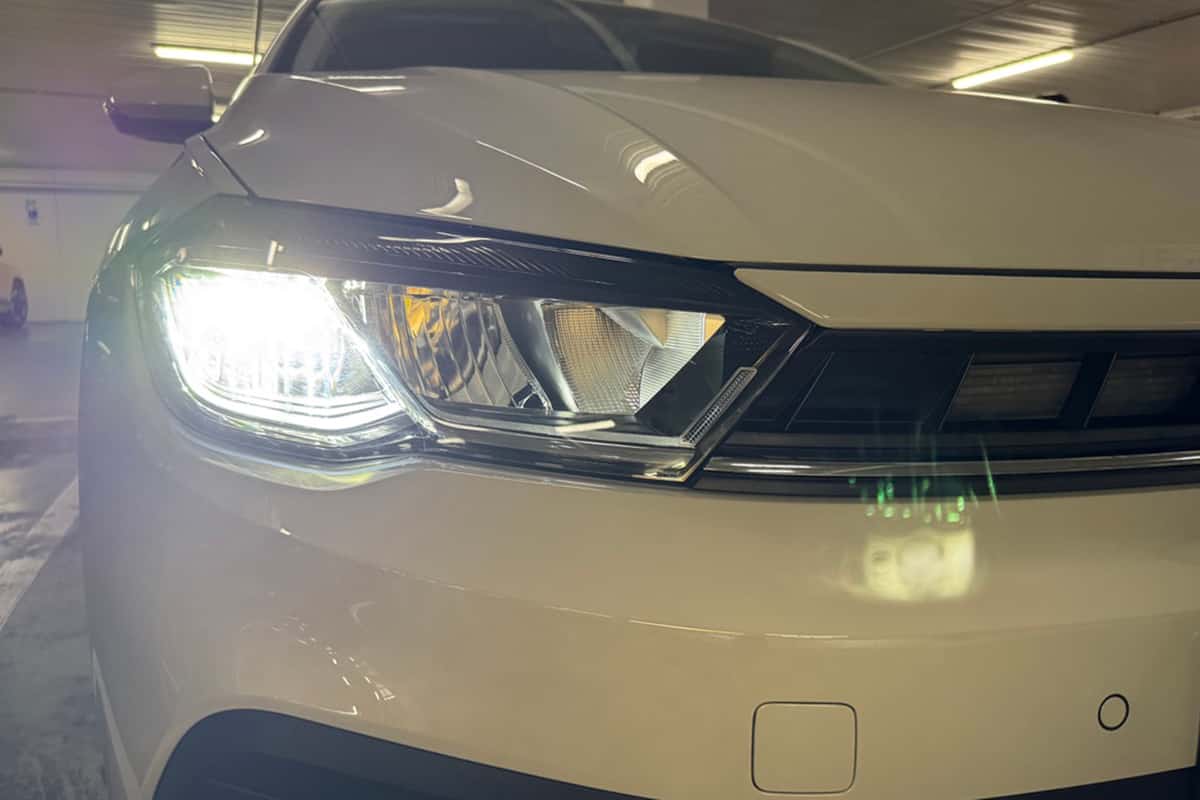
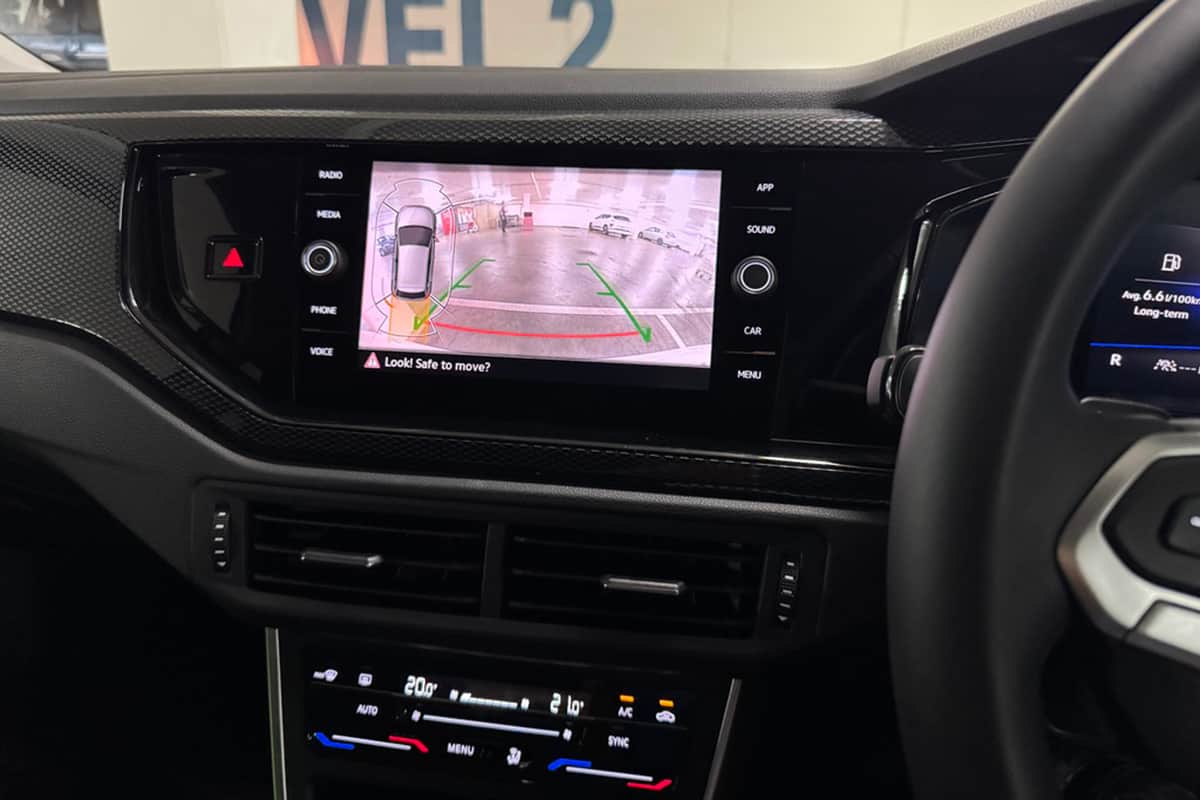
Every Polo comes with LED headlights, adaptive cruise control, an 8.0-inch touchscreen with reverse camera, wireless Apple CarPlay/Android Auto, DAB+ digital radio, electronic instrumentation, smartphone charging, four USB-C ports, parking sensors and alloy wheels (with a spare wheel, thankfully).
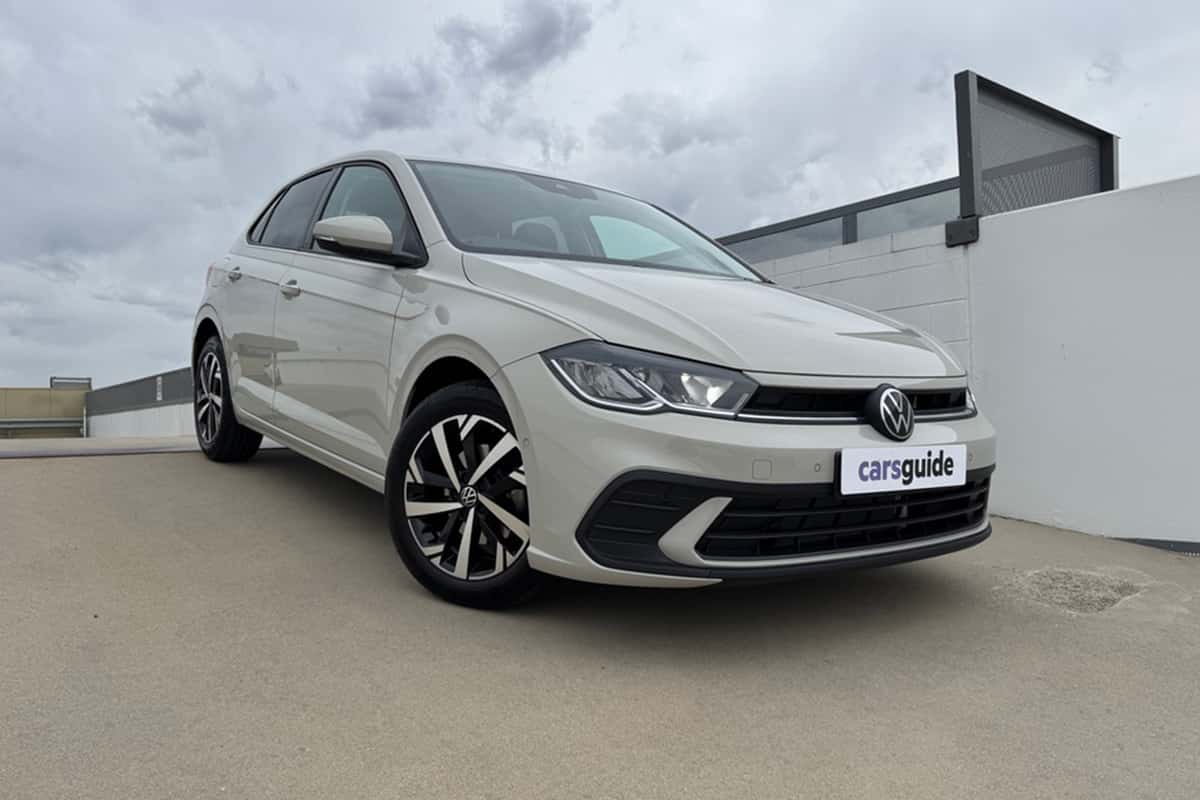
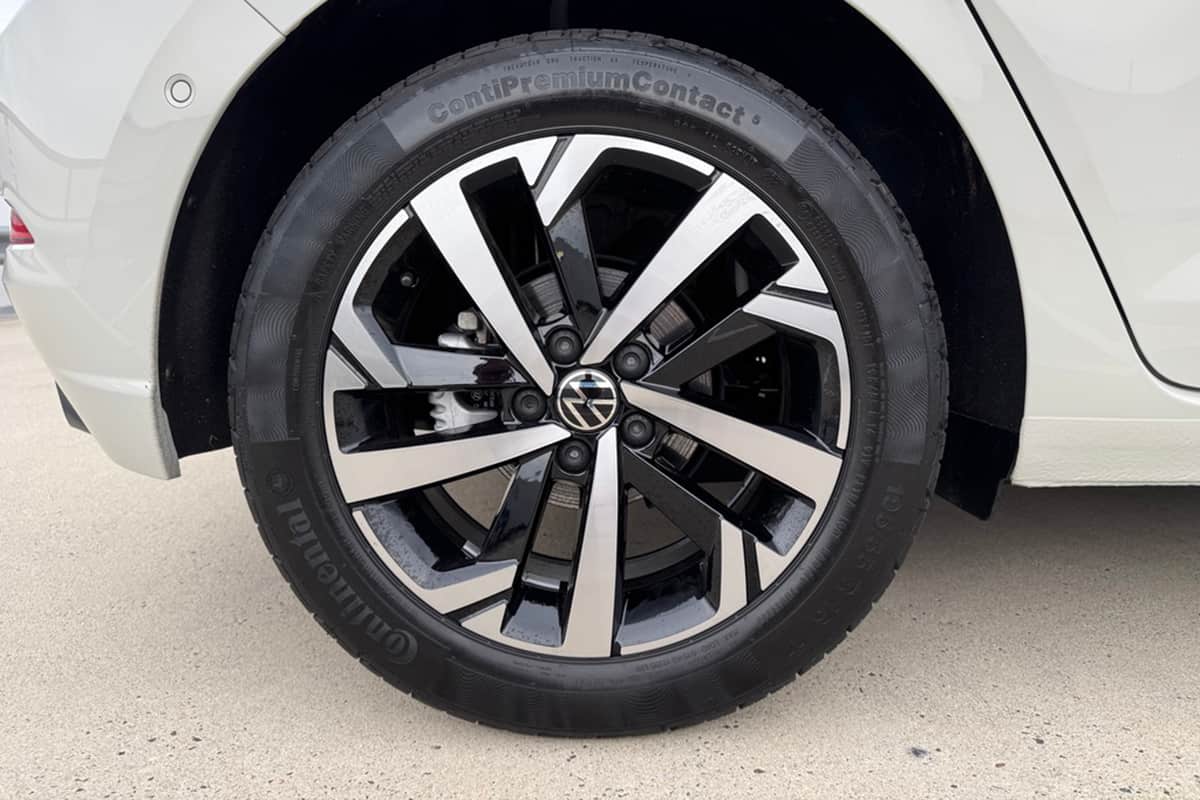
Now, the CityLife is essentially the quite plain-Jane Life, but with welcome extra gear you’d expect at the Polo’s lofty base price, including keyless entry/start, climate control air-con, automatic parking assistance, tinted side windows and 16-inch alloy wheels.
The rear cross-traffic alert, blind-spot monitor and matrix LED adaptive headlights safety tech are alone worth the $2200 jump to the Style (again, they ought to be included at this level), which also adds more glamourous instrumentation, glossier trim, sat-nav, multimedia gesture control and fancier wheels that at least inject a bit of upmarket flair.
Never the cheapest in its class, the Polo has long had to rely on notions of next-level quality, engineering prowess and brand cache to make its value-for-money arguments in Australia stick.
Which in some ways is easier today than a decade ago, since so many light hatch rivals from back then have disappeared from the scene – including the Ford Fiesta, Holden Barina, Honda Jazz, Kia Rio, Nissan Micra, Peugeot 208 and Renault Clio. Seriously, we miss them.
Fewer traditional competitors then, yet every remaining direct rival in near-equivalent CityLife specification costs less, some significantly so.
They include the MG3 Essence from just $24,990 drive-away (and even the Hybrid+ undercuts the VW from $30,990 drive-away), Mazda2 GT from $28,490, Suzuki Swift (mild) Hybrid GLX from $31,490 drive-away, the closely related Skoda Fabia Select from $32,390 and Toyota Yaris SX Hybrid from $32,390.
Chinese EVs at or under the same price as the VW include the BYD Atto 1 in longer-range Premium guise from $27,990, the next-size-up BYD Dolphin Essential from $29,990 and GAC Aion UT Premium from $31,990.
Finally, while scores of small SUV alternatives exist, most of the cheapies from China are simply not good enough, except for the (albeit still patchy) BYD Atto 2 EV from $31,990.
On the other hand, worthwhile options from elsewhere include India’s Mahindra XUV3XO in higher-spec AX7L from $26,990 drive-away (bargain!), Romania’s Renault Duster Evolution from $31,990, South Korea’s Kia Stonic Sport from $32,290 and Japan’s Toyota Yaris Cross GX Hybrid and Mazda CX-3 Evolve, from $31,790 and $32,400 respectively.
With opponents like these, it’s little wonder that VW only sold 934 Polos last year against 15,429 CX-3s.
Value just isn’t the CityLife’s strong suit.
Design – Is there anything interesting about its design?
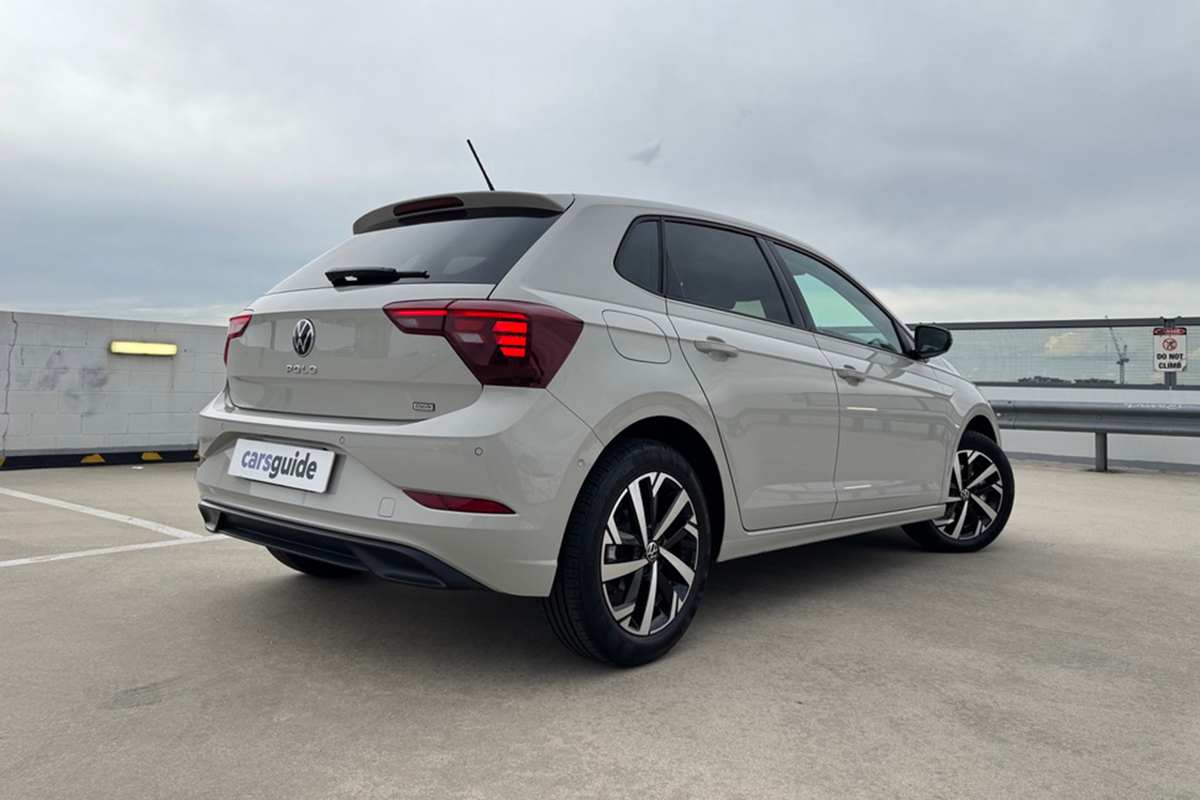
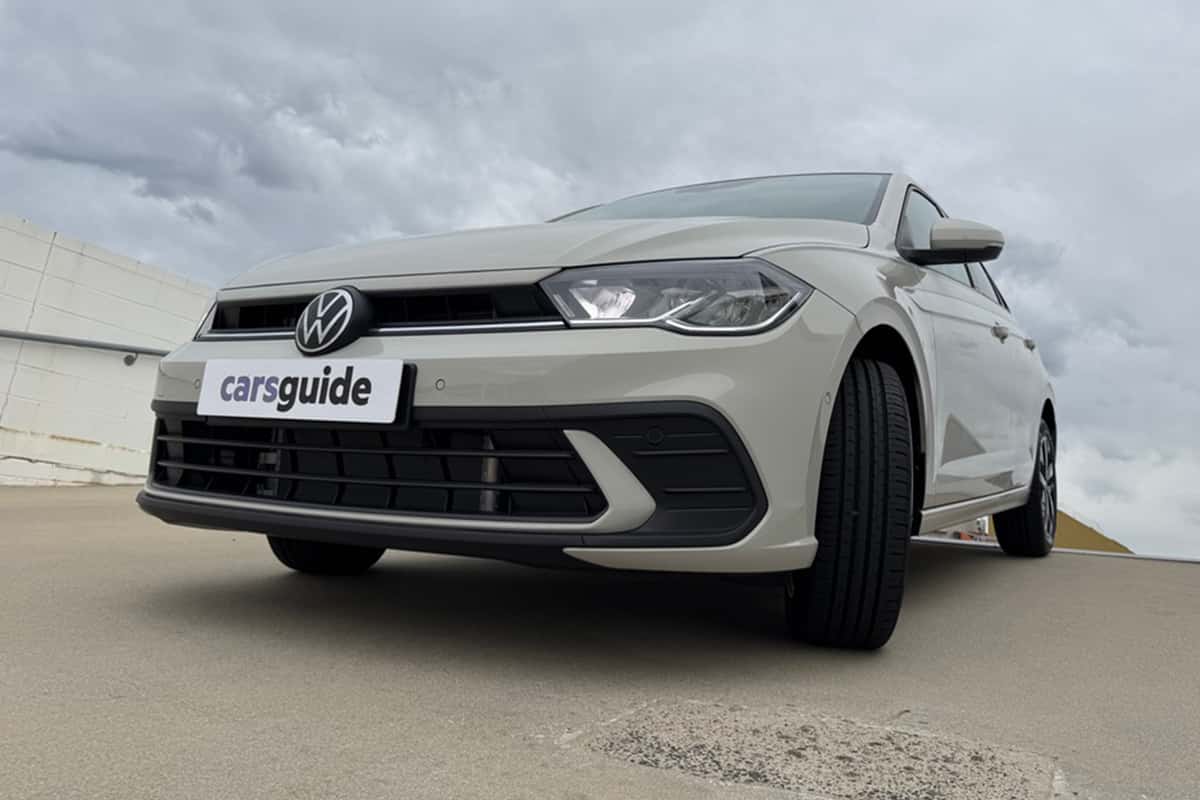
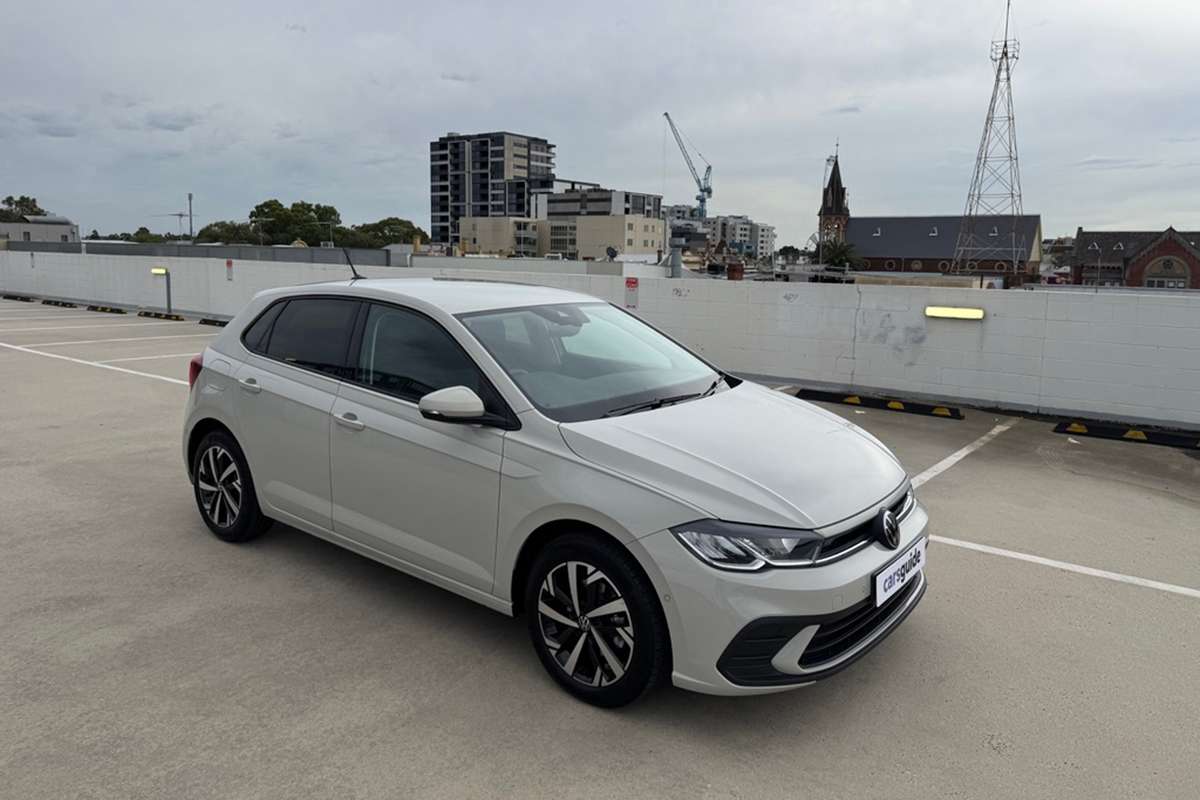
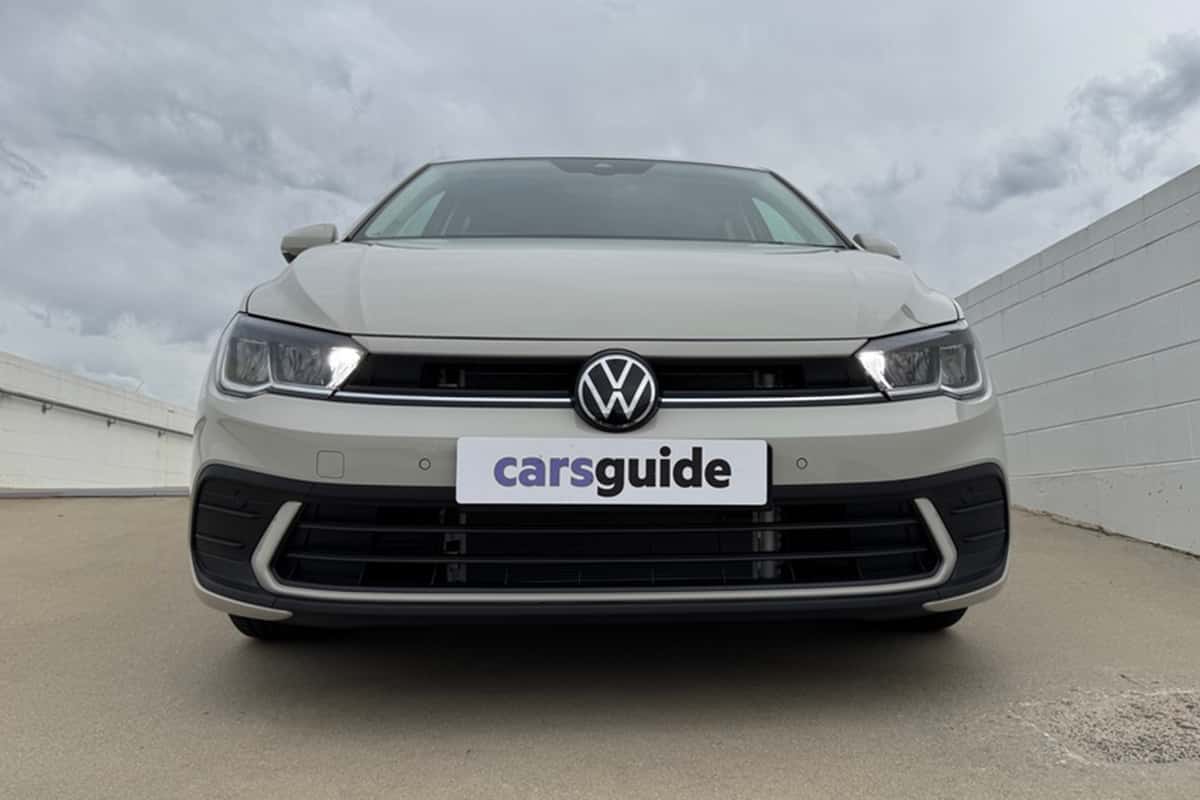
Still looking good after nearly a decade, the 2026 Polo’s styling was overseen by the same person who created the landmark Mk4 Golf’s interior, and helped shape every existing ID. electric vehicle (EV) in VW’s arsenal, though now he’s with Changan of China.
Anyway, Polo 6’s dimensions were substantially larger than its pert predecessor’s, riding on a shortened Mk7 Golf platform (dubbed MQB A0) that has since also underpinned the very closely related Audi A1 (the circle of life!) and Fabia, as well as Skoda’s Kamiq light SUV and its VW T-Cross cousin.
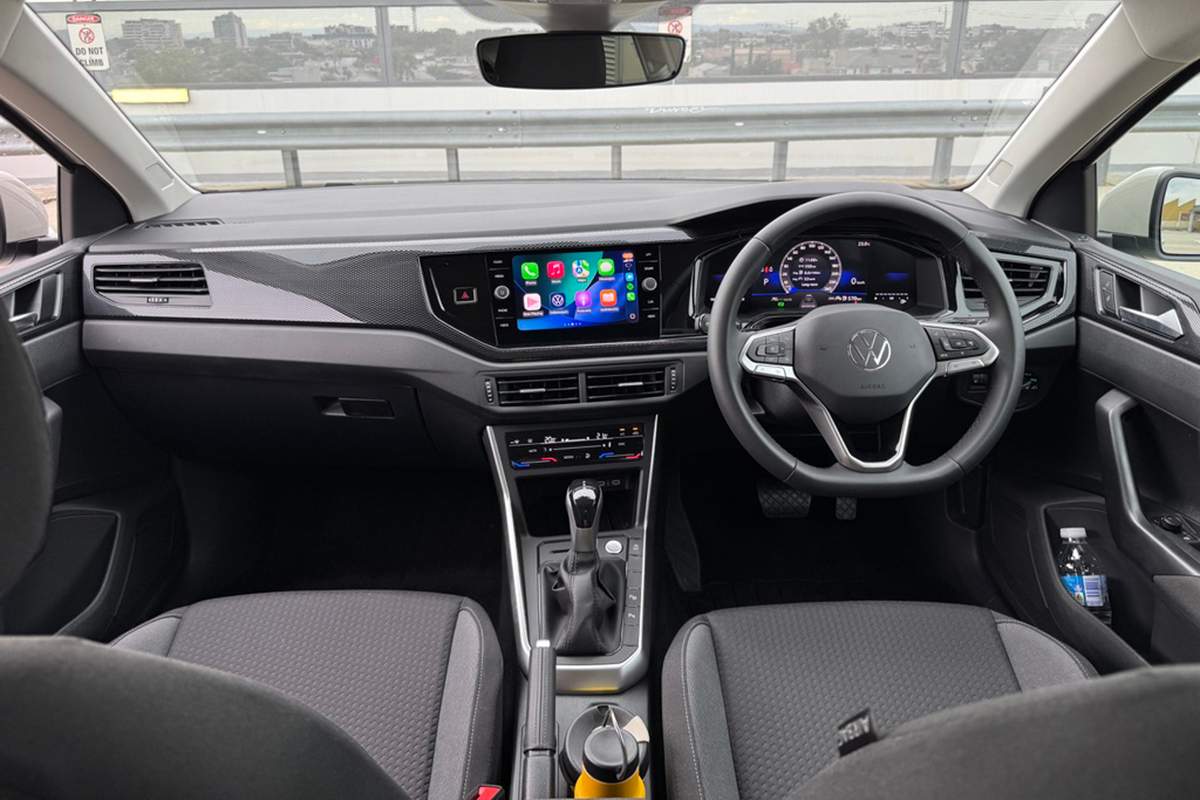
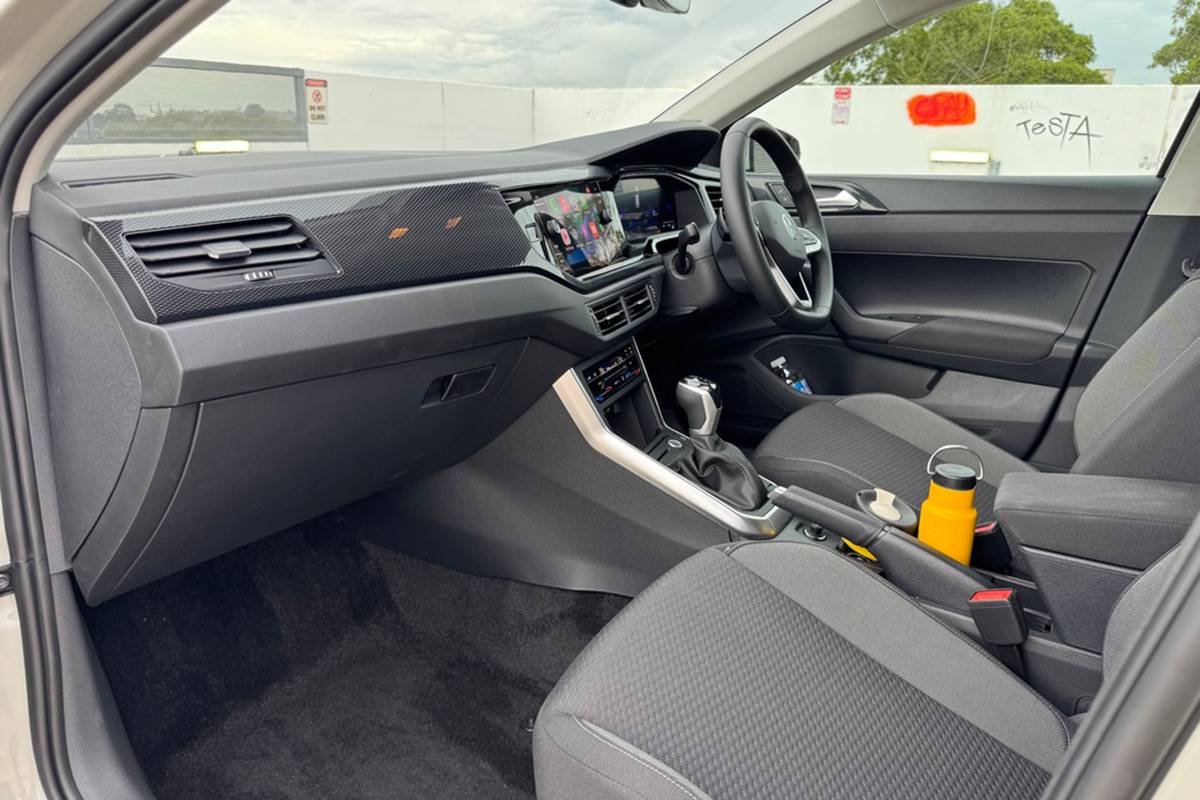
The obvious upshot of all this growth is generous cabin space (being roomier than the first four Golfs), as well as a very Golf-esque/ID. EV-style dash layout that’s inline with the brand’s existing design themes. It pays to be first with the new stuff. Even though some of that tech, like the touchscreen slide controllers and other buttonless nonsense developments, have taken the shine off VW since.
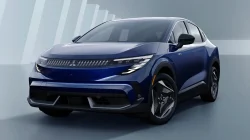
And it would be remiss of us not to mention that there is no sign of the current Polo being retired anytime soon despite its advancing years, with VW suggesting the newly unveiled ID. Polo EV – essentially series number seven – will run alongside with identical dimensions but far greater interior space, to help keep the company cost-competitive in the light-car class.
At this stage we don’t know if Australia will even receive the new electric Polo, so the status quo here remains.
Practicality – How practical is its space and tech inside?
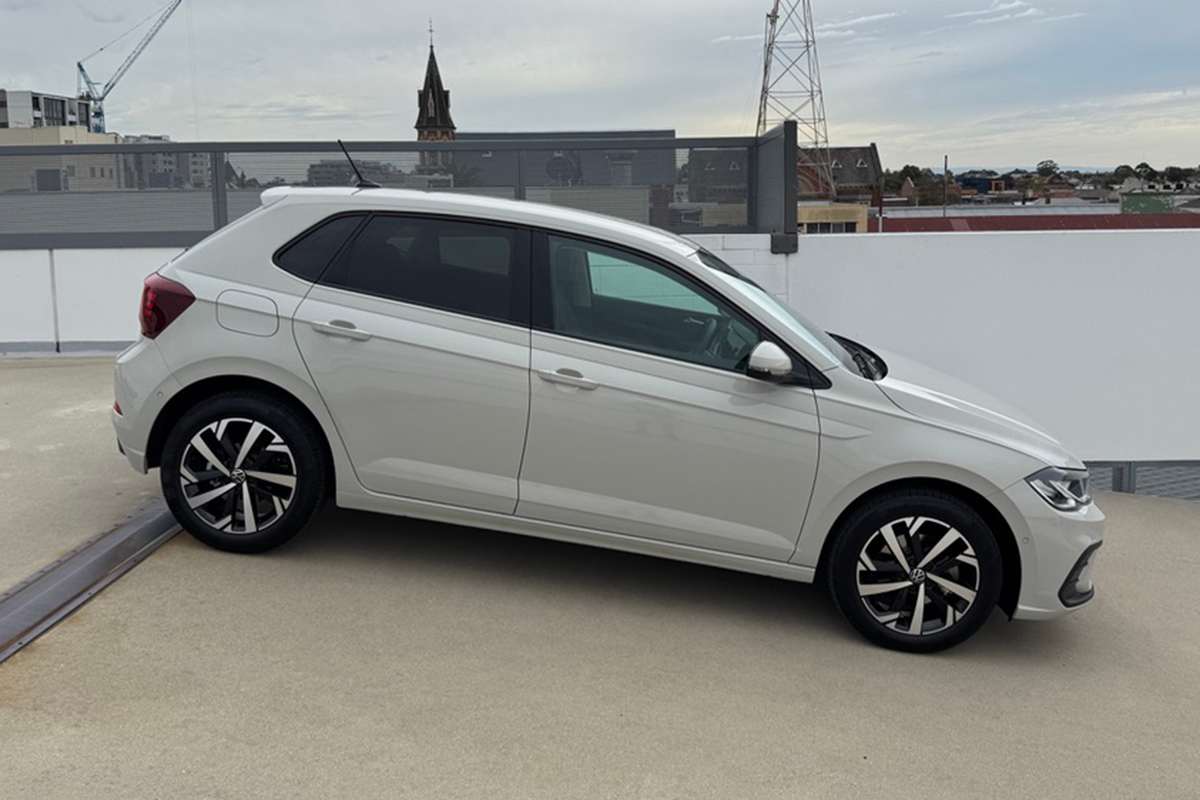
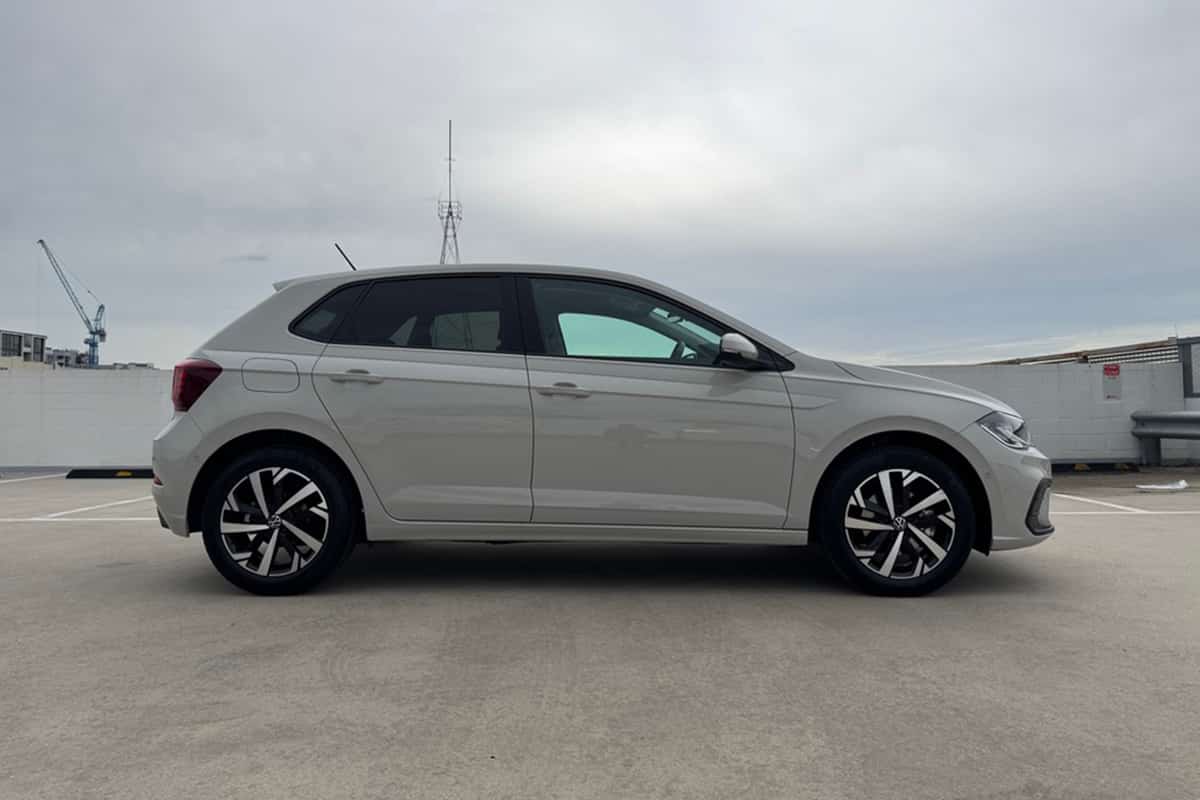
The Polo features classic light-car proportions, but typical VW touches largely elevate the experience compared to most rivals.
For starters, because it’s German (though built in South Africa), everything feels high quality, even down to the harder lower-set plastics. Contrasting textures, soft cloth and glossy trim really up the ante. Care has obviously been taken here.
Likewise, the front seat area has been designed to easily accommodate people upwards of two metres tall. Just don’t expect much legroom behind. And the driver’s seat can be set ultra low.
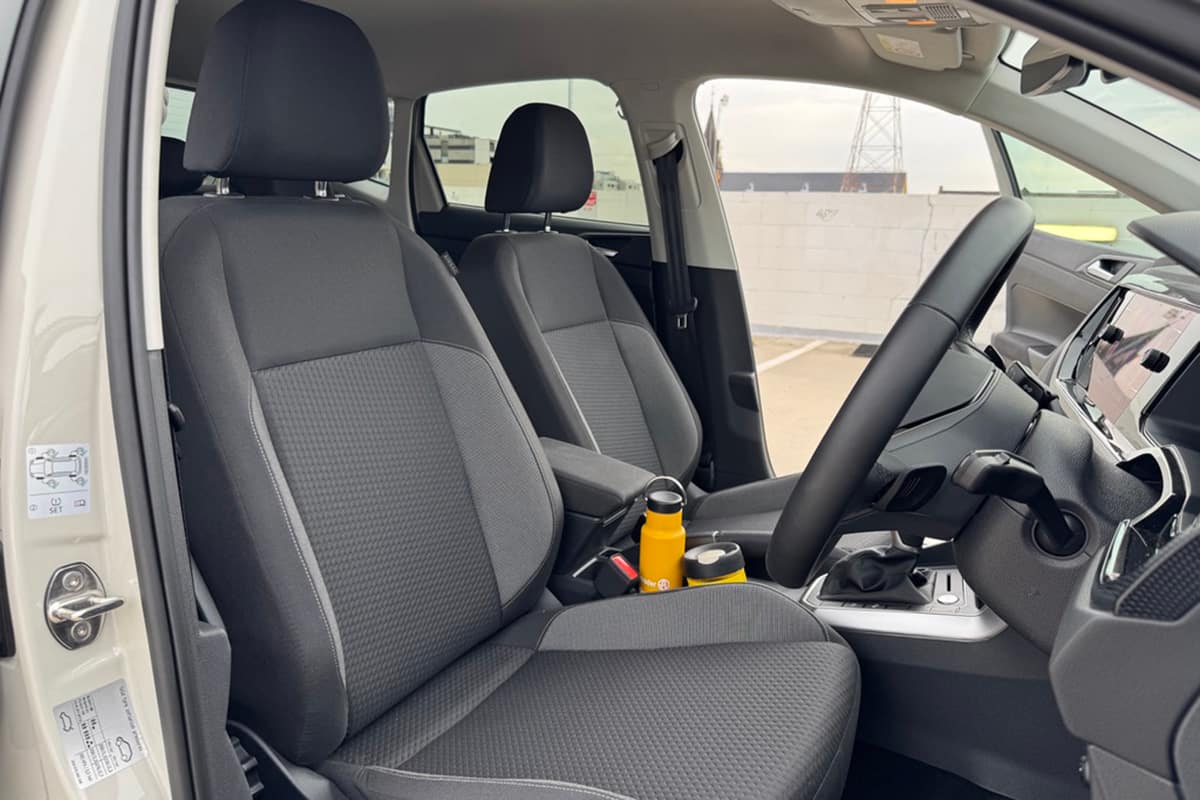
Entry/egress is fine, on typically firm-ish yet highly supportive front seats, as evidenced by a four-hour weekender trip away.
The driver is sat ahead of a solid, stylised console angled slightly for a heightened connection to the car, aided by an excellent operating position offering ample reach/rake steering adjustability. Most people should settle in very nicely behind the handsome wheel here. Vision is fine but many competitors do offer deeper side windows for better sightlines.
The updated multimedia system at last brings a volume control, the touchscreen is positioned high for easy access, with crisp graphics and instant responses, and the switchgear have a quality feel to them. And while CityLife’s climate-control slider actuators are nobody’s favourite, this one works as intended. Cheaper grades have basic dials.
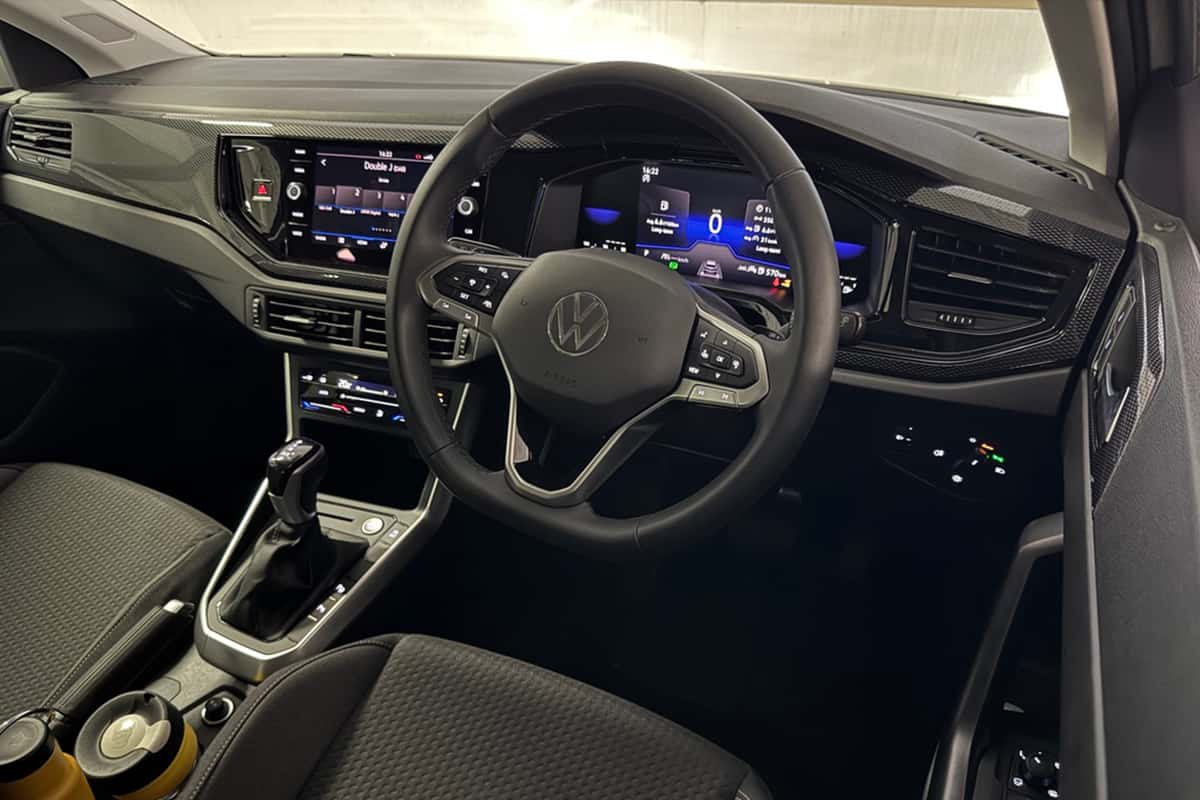
Smallish twin cupholders won’t please American-sized drink-holder expectations, but otherwise the Polo’s storage options are plentiful and generous. So is the ventilation output and reliable wireless connection for the Bluetooth phone and Apple CarPlay media, never dropping out once during our entire trip.
Rear-seat room is down basically to how far back the front seats are, but for a car of this size the Polo’s more than fine.
A sufficiently comfy backrest and fixed, sculptured cushion mean this isn’t misery, aided by another helping of the appealing material finishes found up front, as well as the extra side window that makes it feel a little bit airier than many others. And while there are no face-level air vents, the large dash outlets provide enough flow through.
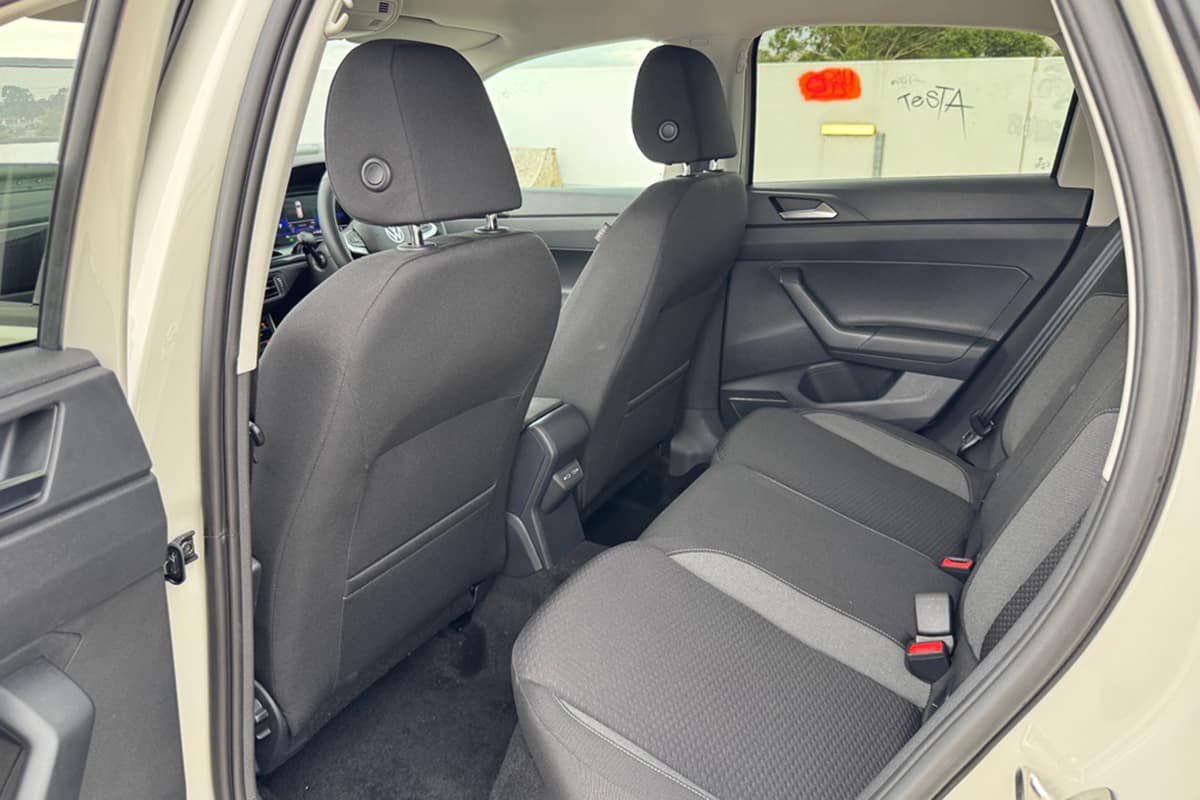
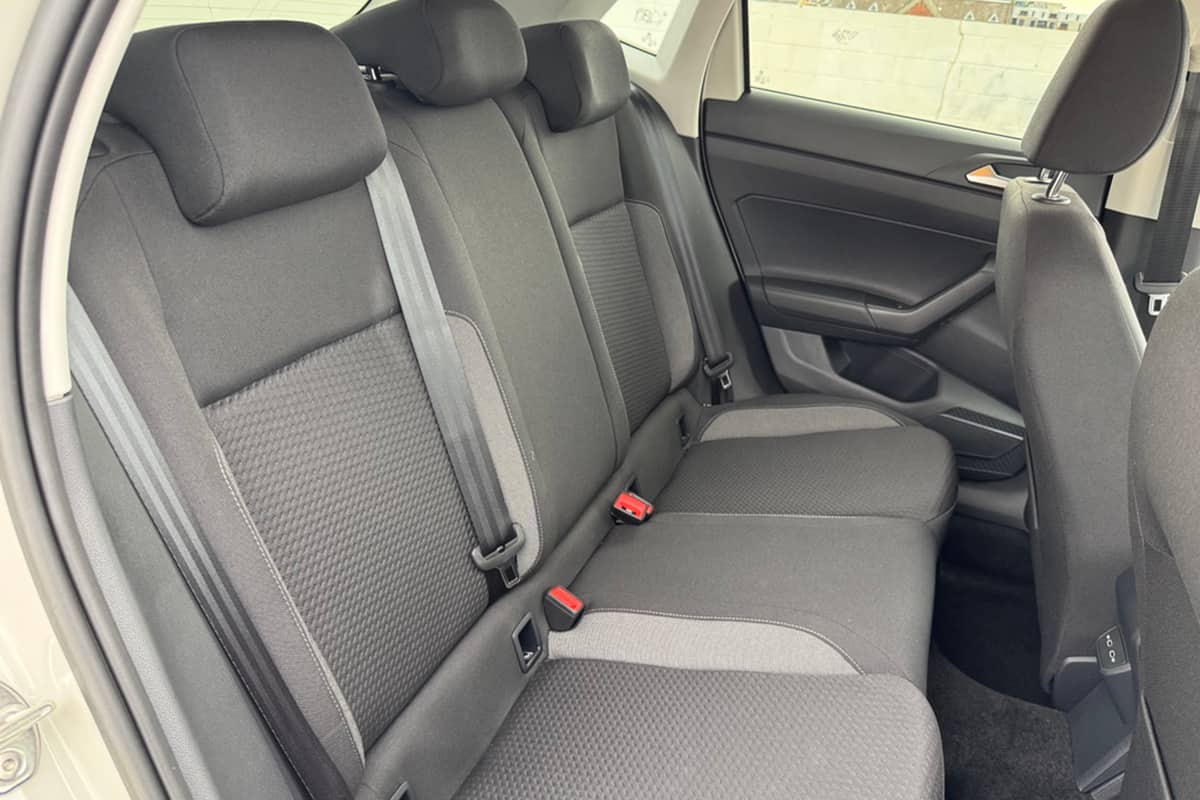
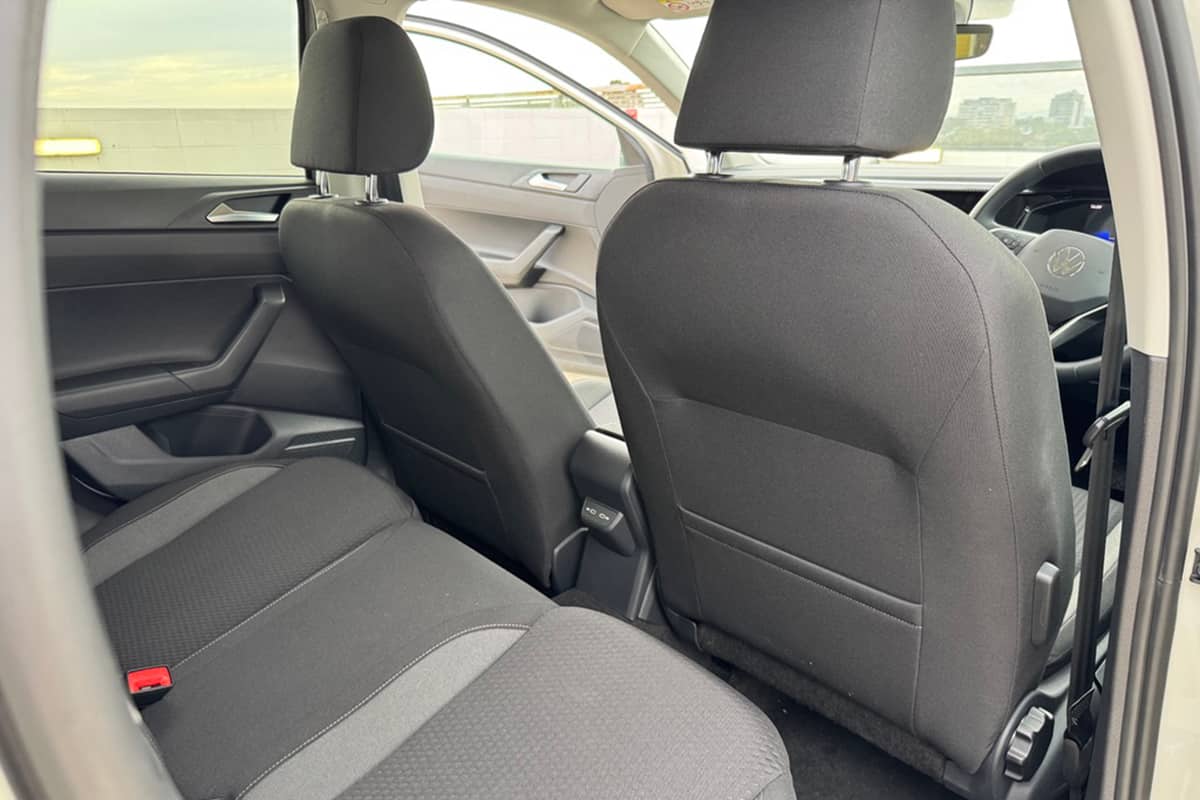
But the lack of a centre armrest means there are no cupholders, so occupants must rely on the (albeit deep) door pockets. At least VW bothers to provide two USB-C ports, a pair of map pockets and big, grippy door handles as a make-do.
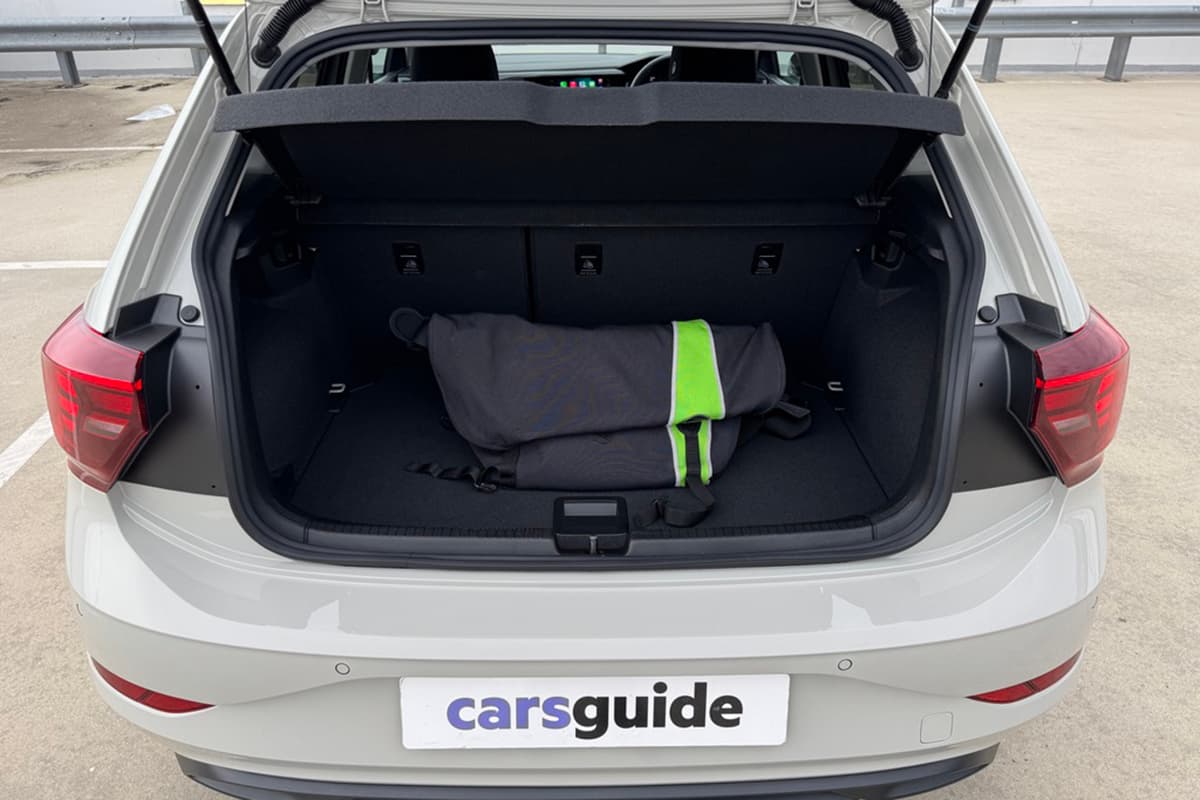
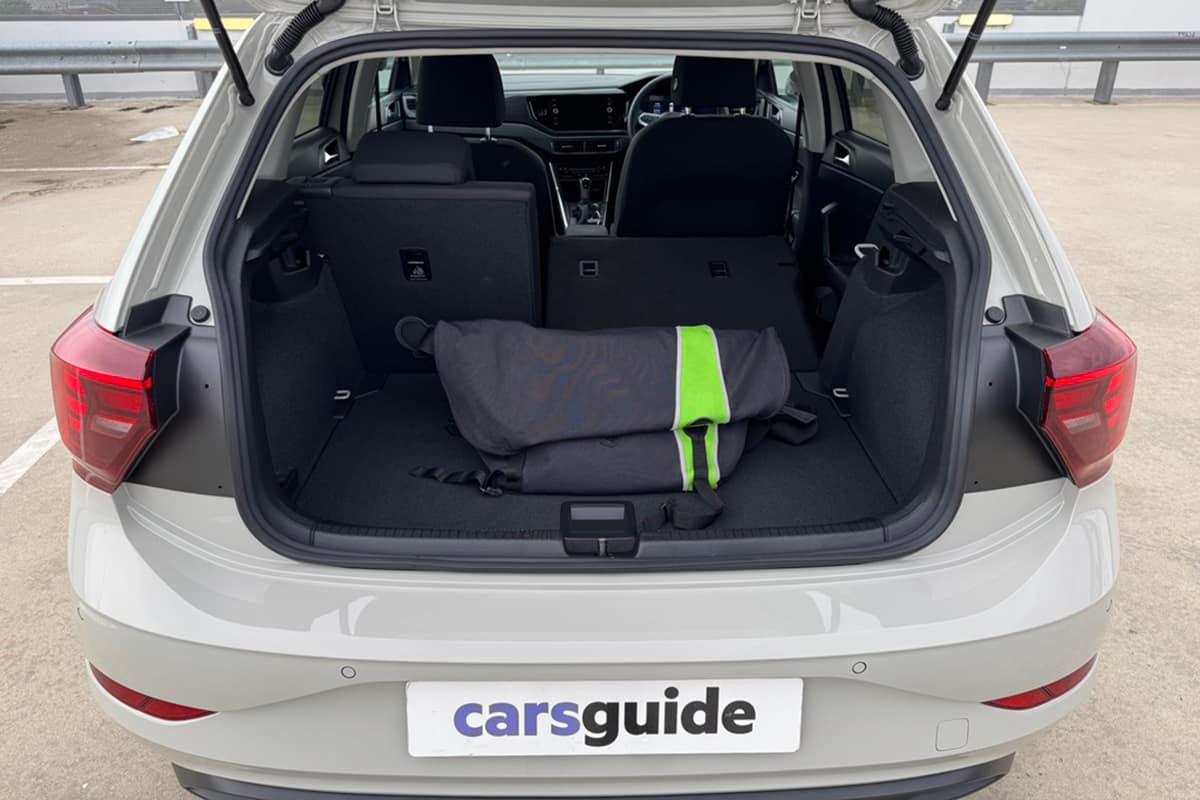
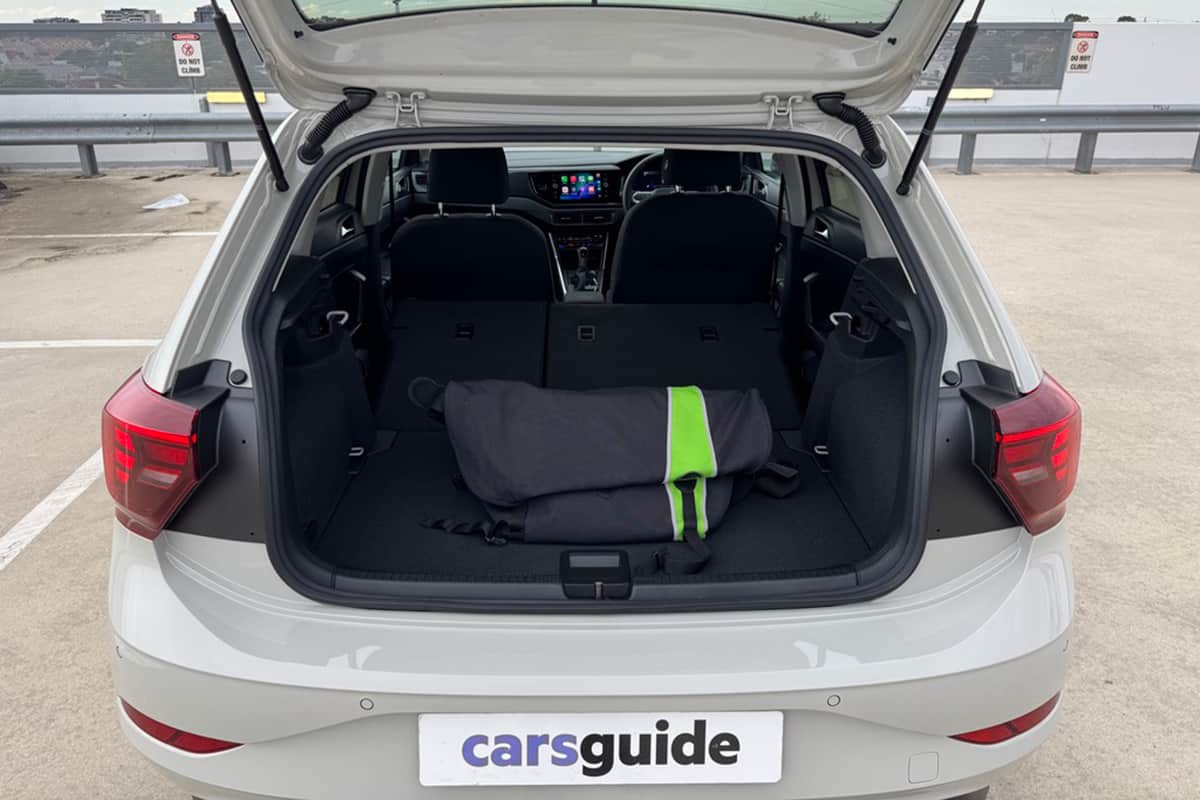
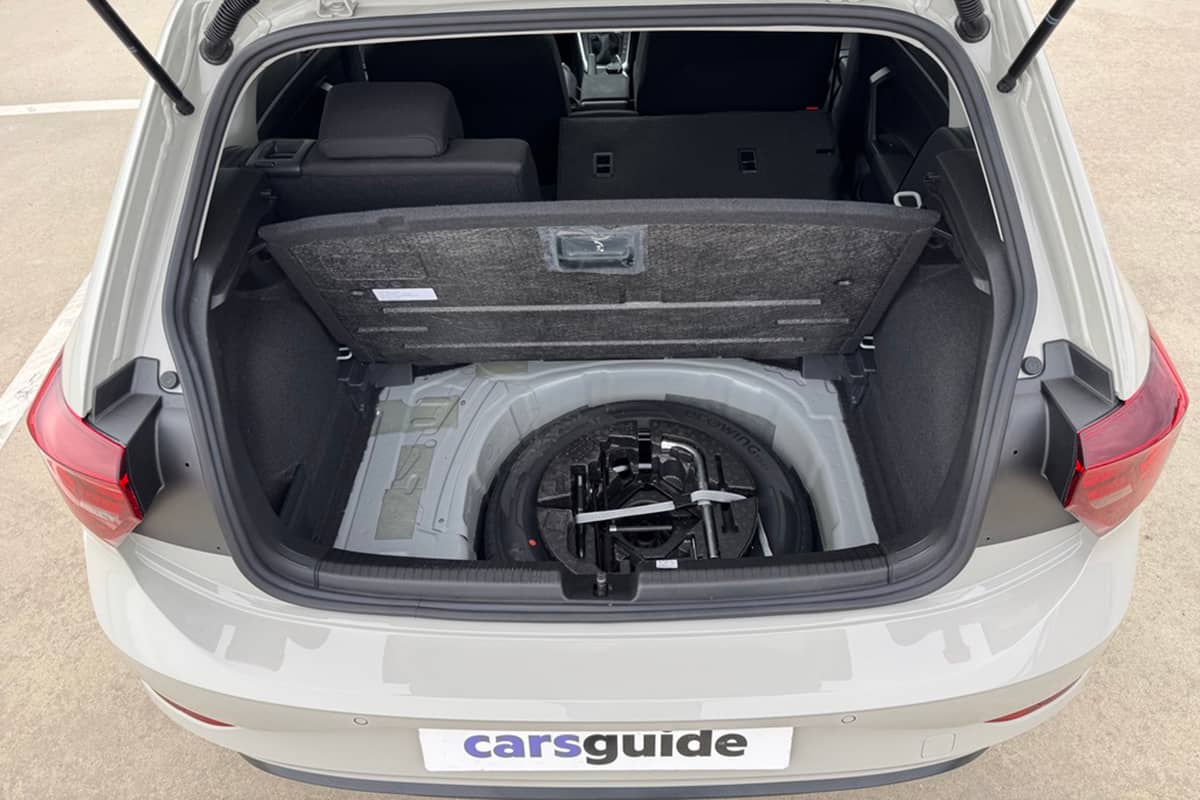
Finally, the easy-to-load and quite hungry boot area is big for such a small car and some 25 per cent larger than the previous Polo, offering from 351 litres with the twin backrests in situ to 1125L dropped, and that’s with a space-saver spare wheel underneath the floor.
Under the bonnet – What are the key stats for its engine and transmission?
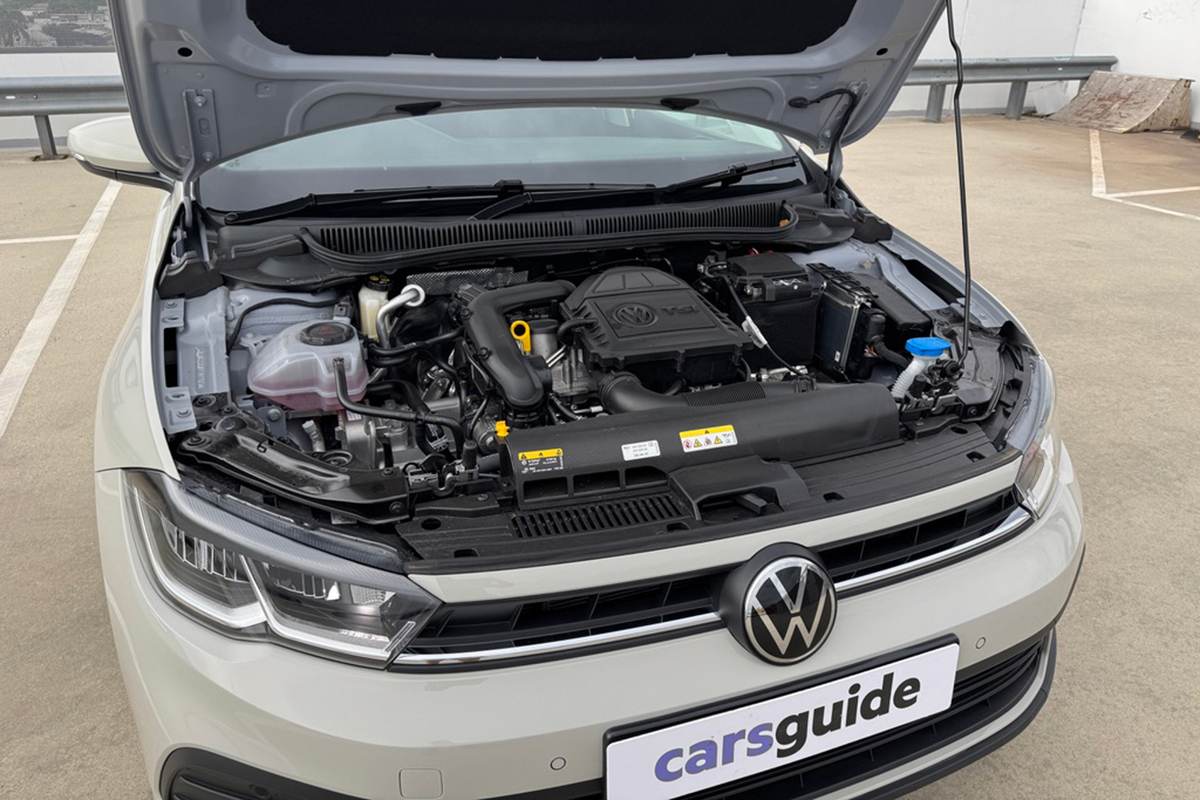
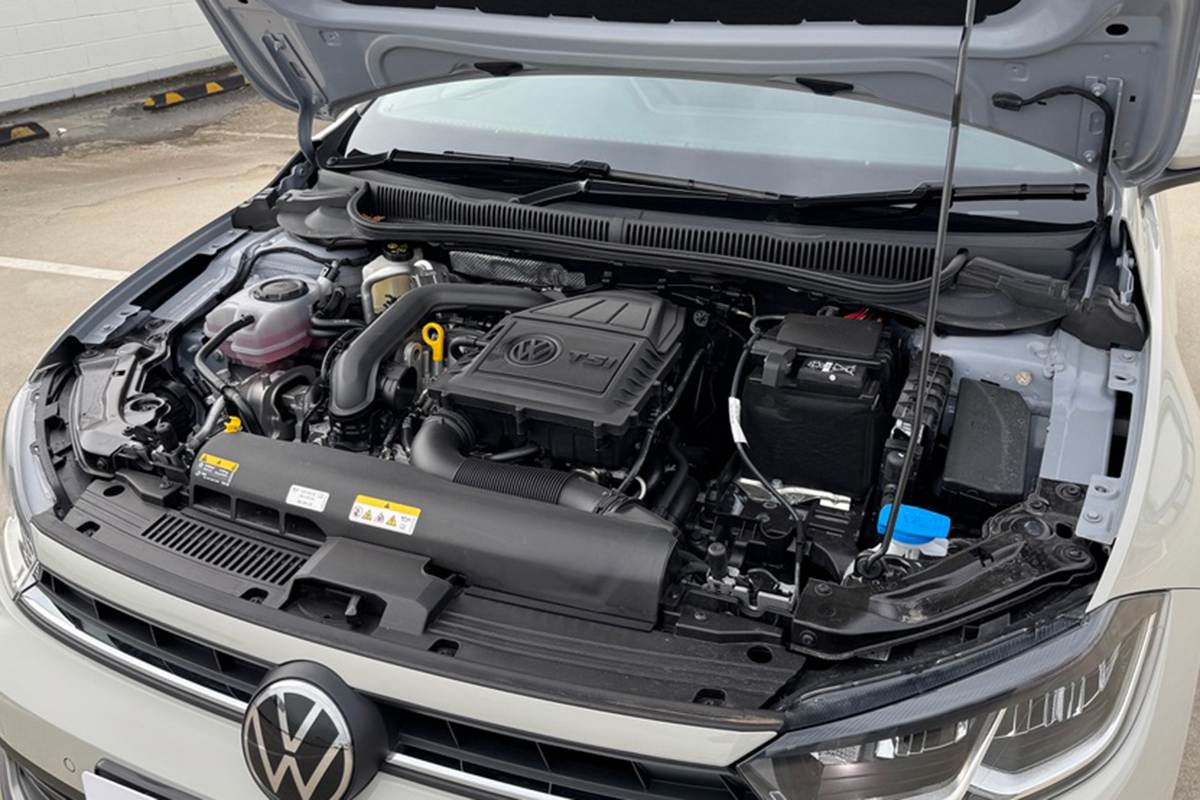
The 85TSI is a 1.0-litre three-cylinder turbo-petrol engine, with direct injection and a start/stop system designed to save fuel.
That said, this EU6 emissions-rated unit provides a healthy 85kW of power between 5000-5500rpm, as well as 200Nm of torque from 2000-3500rpm.
It drives the front wheels via a seven-speed dual-clutch transmission (DCT) VW brands DSG, while other markets enjoy the option of a six-speed manual.
The official 0-100km/h acceleration time is 10.4 seconds, on the way to a top speed of 200km/h.
Efficiency – What is its fuel consumption? What is its driving range?
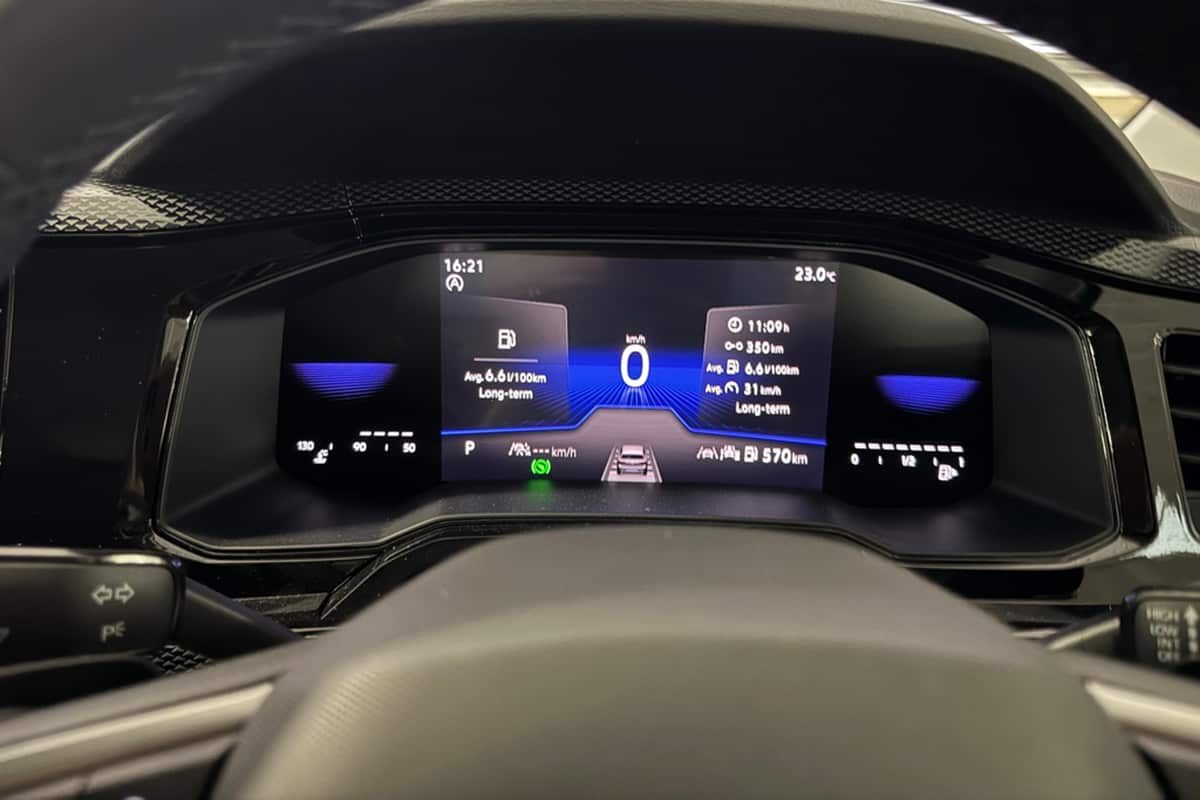
The EU6-rated Polo’s ADR 81/02 lab-tested average combined fuel consumption figure is 5.4 litres per 100km, for a carbon dioxide emissions average of 123 grams/km.
Brimming the 40-litre tank with premium unleaded petrol (95 RON minimum is recommended) should result in about 740km between refills.
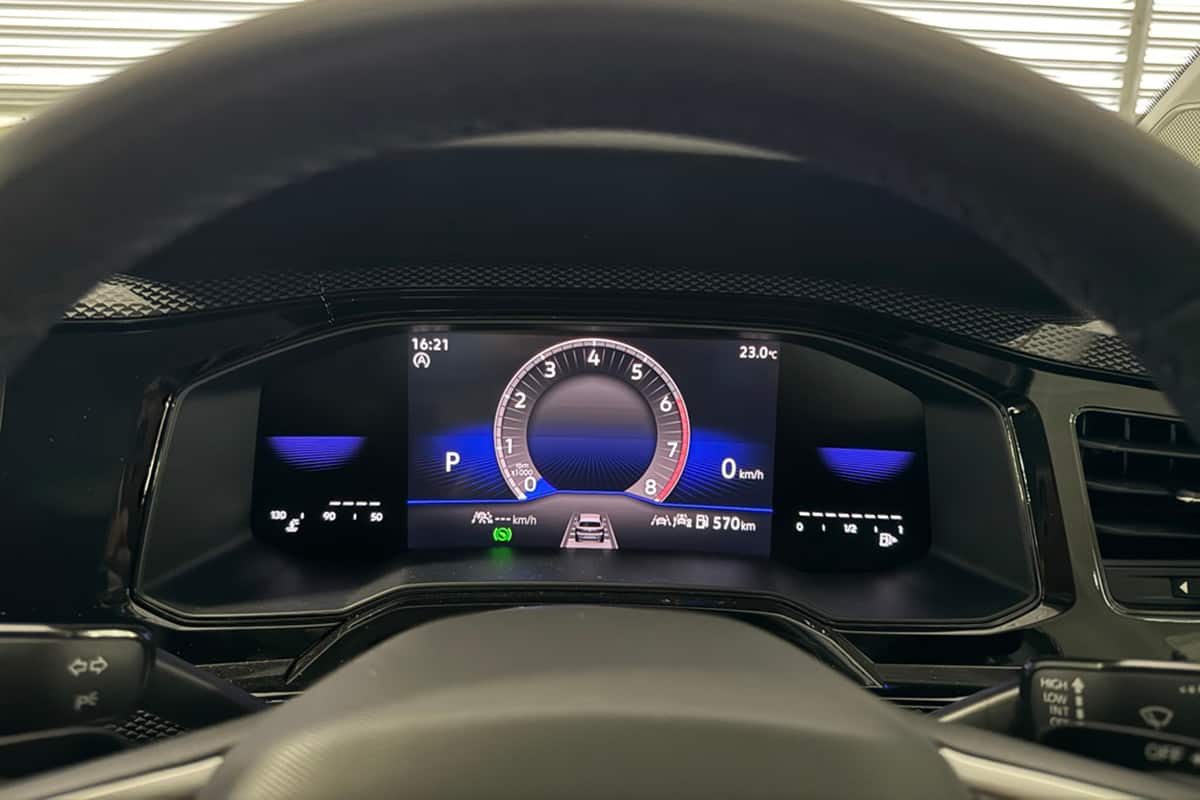
We managed a respectable 5.9L/100km driving over 605km with the distance-to-empty still showing 85km remaining, while the trip meter’s long-term average read 6.1L/100km.
Driving – What’s it like to drive?
It is quite astounding how VW manages to maintain a consistency throughout its model range, from Polo to Touareg, and the CityLife’s 85TSI DSG is no exception.
Press the starter button and you’ll barely discern the engine as a three cylinder, so effective is the sound deadening. Slot the satisfyingly normal gear lever into ‘D’ and, depending on your expectations, what comes next seems either a tad frustrating or impressively lively.
Let’s explain this more.
As with almost all turbo/DCT applications, there is a moment’s hesitation due to the turbo spooling and gears meshing up. If you’re rushing to merge with fast motorway traffic or turning at an intersection, the acceleration can feel like it needs forever before the car lurches into action and you’re on your way. Every single time.
Yet, in every other circumstance, the 85TSI is a lusty and lively machine, stepping away eagerly and smoothly under moderate throttle input, with the speed then instantly piling on as the engine’s revs reach towards the 5000rpm sweet spot, accompanied by a throaty exhaust note.
Combined with the ultra-fast ratio changes that the DCT is famous for, this is when you’d call the Polo enjoyably rapid, offering instant response for quick and easy overtaking. And all the while, the powertrain feels and sounds silky-smooth.
We noted that the adaptive cruise control betrays the VW’s age, since it can maintain varying speed with traffic flow, but once fully stopped, it requires the driver to keep a foot on the brake pedal to keep it from releasing and creeping forward (or backward on a hill). Nowadays, most newer systems stay stopped until traffic moves on again. It’s a surprise that the company did not update this with the Polo’s 2022 facelift.
The steering, though, feels state-of-the-art. A real treat, it is precisely weighted and beautifully tactile, for immersive, controlled cornering agility and feel over an impressively broad range of speeds and environments.
On smooth roads the 85TSI’s dynamic fluency is lovely, with the front end working with the keen driver while also providing reassuring grip and control. Yet it’s also light and easy enough to fit in tight spots, or zig-zag through traffic, making it an ideal urban runabout.
After a seemingly endless run of (especially Chinese) EVs and hybrids serving up dull and detached steering, the Polo’s nuance and finesse is a total breath of fresh air. VW, please don’t lose this ability.
The same also applies to the advanced driver-assist systems (ADAS) tune, which works quietly yet effectively in the background without jarring interference. The Polo feels light years ahead here as well.
But a bit more suspension comfort is required when the roads get rough.
Isolating and cushy on the smooth stuff to the point it feels like a luxury car, the suspension starts transmitting bumps and lumps when the bitumen turns bad, breaking the seamless flow of an otherwise accomplished chassis tune. It can also become a bit vocal over coarse bitumen, due to road and tyre noise intrusion.
Otherwise, the 85TSI is a slick and accomplished drive, with a quiet ride and long legs for easy, long-distance cruising.
Just like every other new VW.
Safety – What safety equipment is fitted? What is its safety rating?
Tested in 2022 after the Polo’s mid-life refresh, it achieved a five-star crash-test safety rating.
Standard safety features include autonomous emergency braking (AEB, operational from 4km/h to 85km/h and with cyclist and night-time operation), low-speed manoeuvre braking (up to 10km/h), lane support systems (between 60km/h and 240km/h), lane departure warning with steering assist, driver fatigue monitor, parking sensors and full-airbag coverage.
However, for rear cross-traffic alert and blind-spot monitor, you’ll need to pay more for the Style (or GTI), when more modern alternatives offer these inclusive at the CityLife’s price point.
A pair of ISOFIX points as well and a trio of top tethers for securing child seats are fitted to the back seats.
Ownership – What warranty is offered? What are its service intervals? What are its running costs?
The Polo comes with an industry-standard five year/unlimited kilometre warranty, as well as one-year’s free roadside assistance.
This can be extended annually if serviced at a VW dealer. Service intervals are 12 months or every 15,000km.
VW also offers a pay-as-you-go capped-price servicing program. For 2026, prices have been reduced over the previous year, coming in at $425, $681, $407, $1037 and $407 at the time of publishing.
Alternatively, buyers can prepay for a three or five-year service pack to save a bit more money. Three years costs $1507 and five years is $2799.
Note, however, that a Toyota Yaris SX Hybrid equivalent costs about $250 annually to service, or around $1250 over five years.
Finally, there are about 100 dealers or agents throughout Australia offering servicing and mechanical repairs.
Verdict
The VW Polo may be getting old, but it still shines on a number of fronts, including design, interior packaging and presentation, driving sophistication, efficiency and quality.
But, the ride can be too firm and the turbo/DCT lag frustrating, it is also expensive and not fully equipped enough in CityLife grade as tested, undermining the German’s value-for-money equation somewhat.
Haggle hard, though, and you’ll end up with a fine and mature urban hatch.