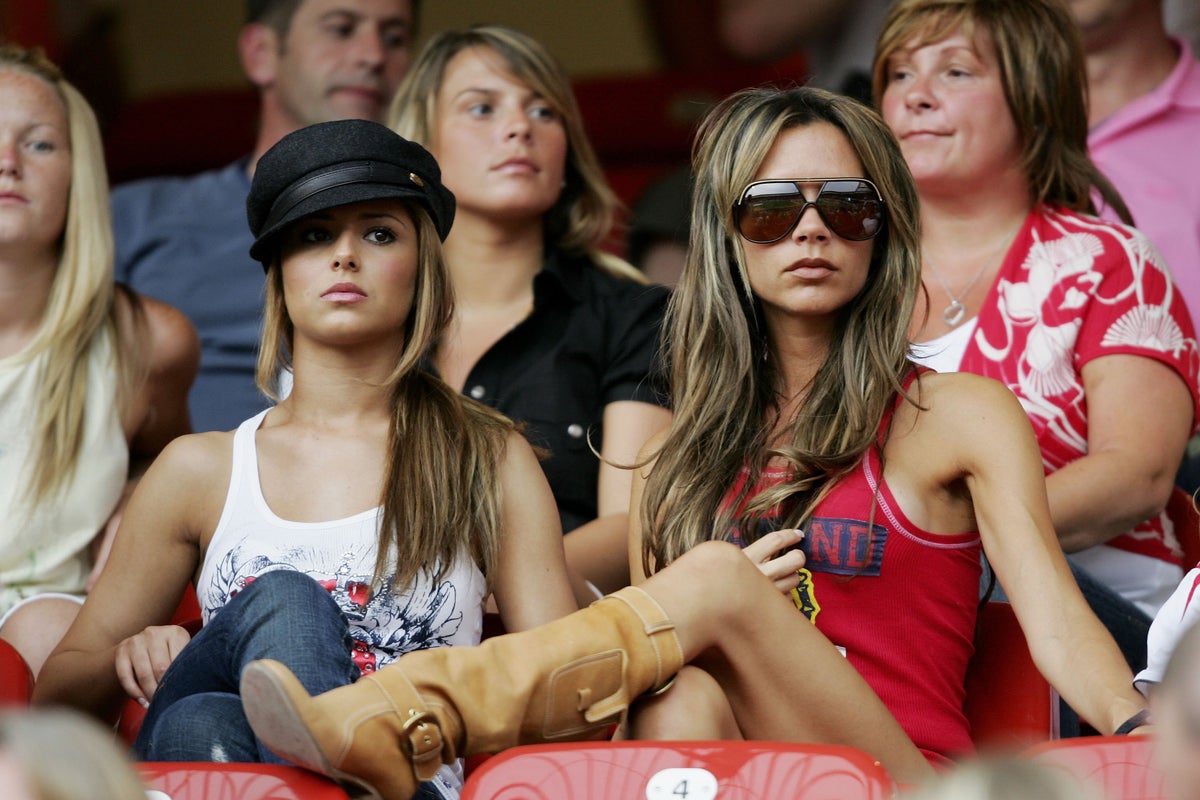
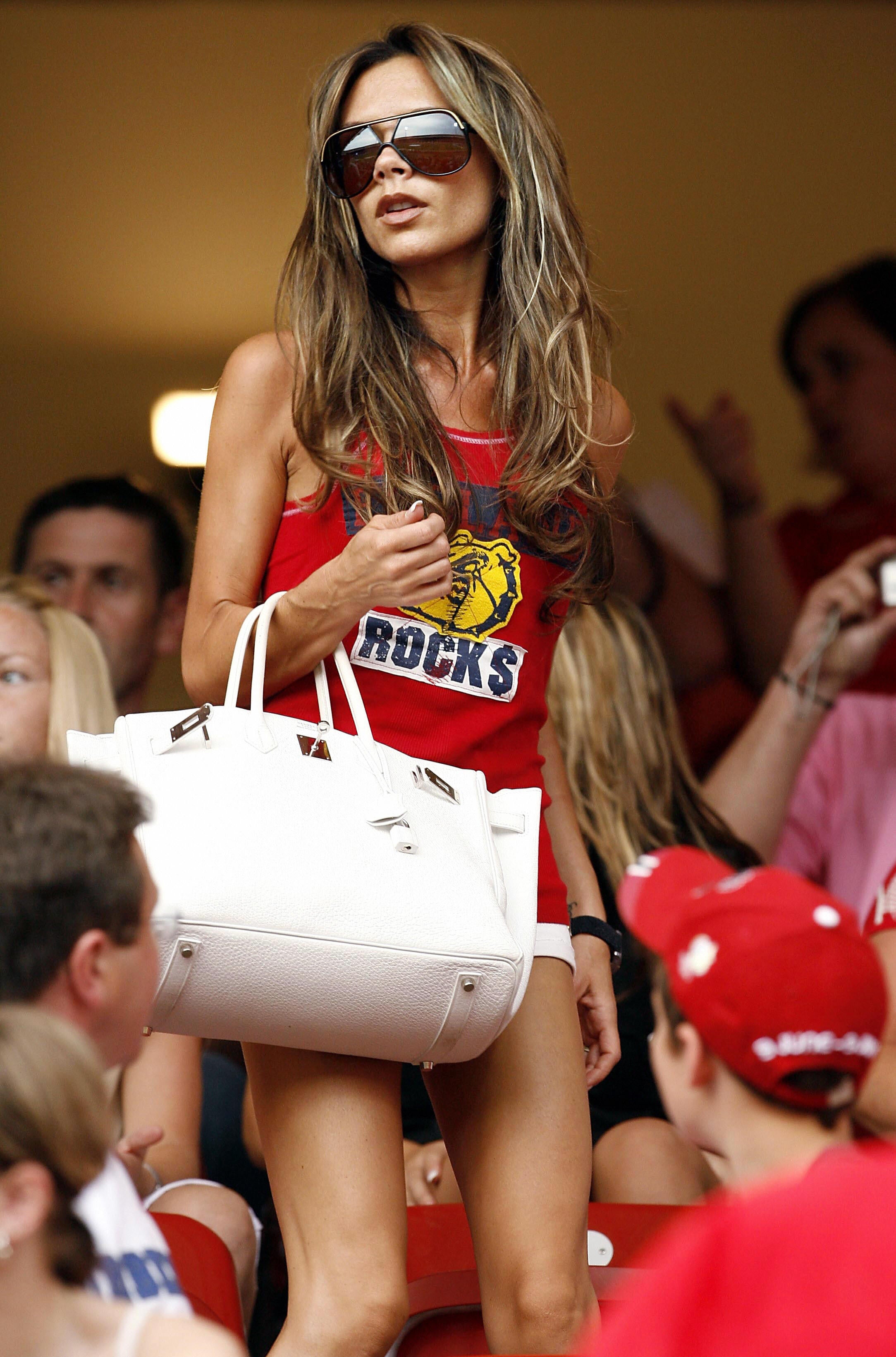
In 2006, Victoria Beckham made a bold statement with her fashion choices during the World Cup. The combination of micro shorts and a Hérmes Birkin bag was anything but subtle, yet it left an indelible mark on the fashion landscape. As England prepares to face Croatia in this year’s tournament, two decades later, the internet is revisiting and reinterpreting her Y2K style. Many have pointed out that she was the blueprint for what would become known as “WAG” fashion.
Today, the term “WAG” is often met with mixed reactions. Some argue that it reduces women to their association with football players, while others see it as a celebration of style and confidence. Victoria Beckham, a former Spice Girl who achieved global fame before stepping into the world of football, embodied this duality. Her fashion choices reflected a desire to be more than just a wife or a fan – they were a statement of individuality.
One fan on social media noted that Victoria never wore her husband’s jersey, highlighting her independence. This sentiment resonates with many who believe that her style was not about following trends but about expressing herself. The unnamed “he” in question is Sir David Beckham, who, along with his teammates, was eliminated from the 2006 tournament after a penalty shootout against Portugal. Fans took to social media to express their admiration for Victoria, with one commenting, “He married her, not the other way around.”
Another theory suggested that Victoria didn’t feel the need to wear her husband’s shirt because she was her own person. This idea is reinforced by her iconic 2006 photo, where she was seen wearing stilettos in a swimming pool. It’s no surprise that, 20 years later, there are very few photos of her in a boxy England jersey online.
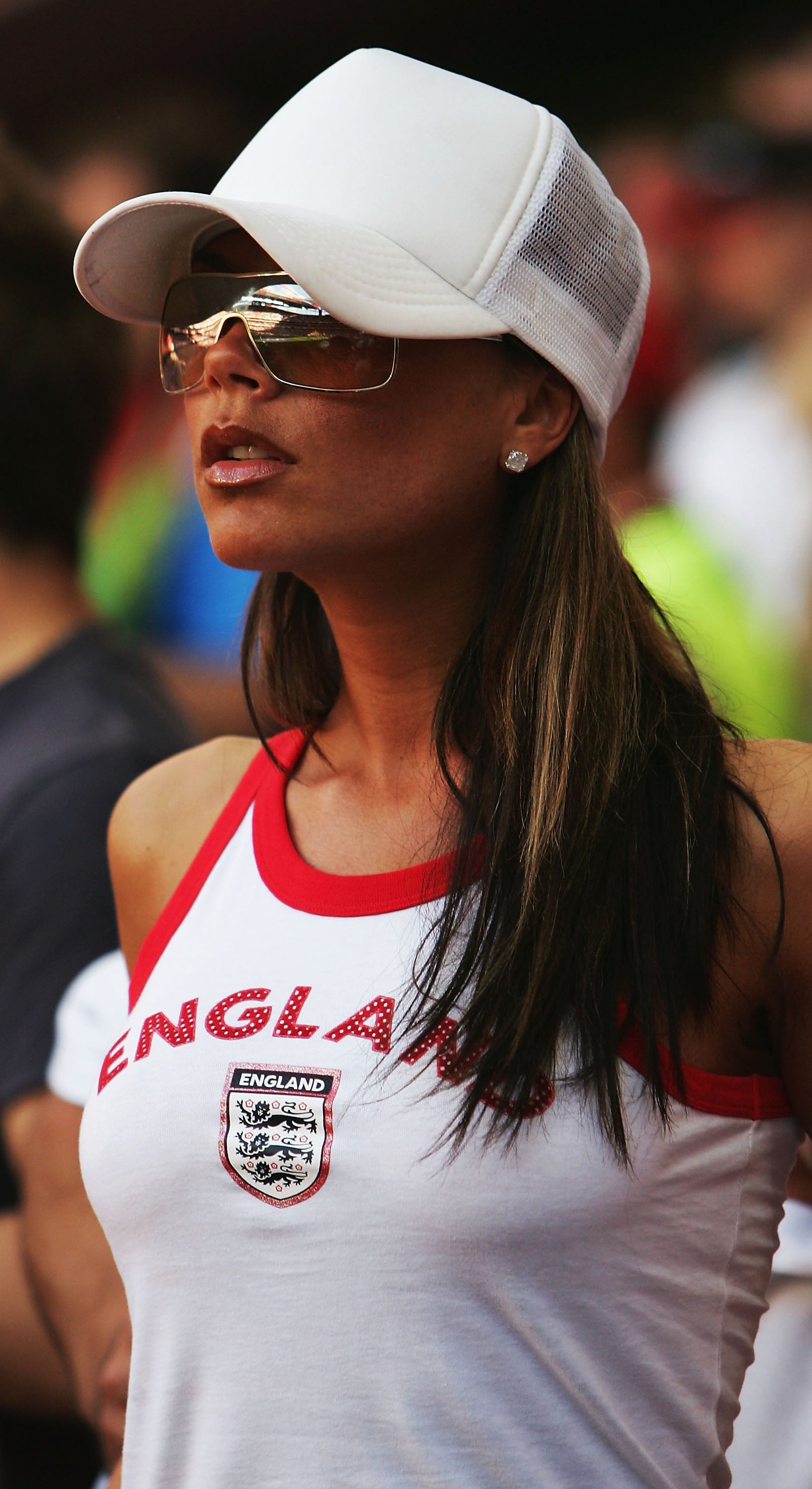
The WAG style that is being celebrated today is often inspired by her alternative looks. These include a loud red “England rocks” vest top paired with white micro shorts and knee-high boots, or a white England three lions vest with matching tracksuit bottoms, a white trucker hat, large diamond studs, and sunglasses that obscure the face.
Victoria’s World Cup wardrobe culminated in a fashion manual released that October: That Extra Half an Inch: Hair, Heels and Everything in Between (co-written by journalist Hadley Freeman). The book warned readers, “There are people out there who only wear clothes ‘because you have to,’ or ‘because it’s cold.’ Be warned: this book is not for them!”
The book emphasized the importance of fashion as a form of self-expression. “Fashion is how we express our personalities. Our way of saying, ‘This is who I am,’ sometimes even, ‘This is who I would like to be,’” it stated.
In her self-titled three-part Netflix documentary, Victoria outlined her vision for becoming a respected fashion designer. Her mentor, Roland Mouret, advised her to “kill the WAG.” Victoria complied, stating, “I buried those boobs in Baden-Baden,” and became a simpler, more elegant version of herself.
Ironically, as the clean girl aesthetic becomes less popular, high fashion is now embracing the very style Victoria had to leave behind. MiuMiu has reintroduced microshorts, while Fendi and Gucci have returned to oversized sunglasses frames.
The culture is now craving bigger heels and larger handbags. This trend is evident on the French National Team, where forward Ousmane Dembélé and midfielder Rayan Cherki arrived in Boston carrying massive Hermès Haut à Courroies. David Beckham also carried a similar bag during Paris couture week, hinting at where he might have gotten the idea.
Marcus Thuram stepped out with a green oversized Chanel flap bag from a 2019 Pharrell collaboration, which now costs around £11,000. This piece would have made 2006 Victoria teeter on her Louboutins and potentially fall over.
No individual should be defined solely by their clothing. However, Victoria Beckham’s influence on football fashion culture has been significant. From pub gardens to the players themselves, expect to see more WAG-coded wardrobes as the summer continues.