Mystery of the Silver Balls Solved
For weeks, strange silver balls have been washing up on beaches in Queensland, Australia, sparking confusion and concern among locals and officials. Now, experts have finally identified what these objects are, putting an end to the mystery.
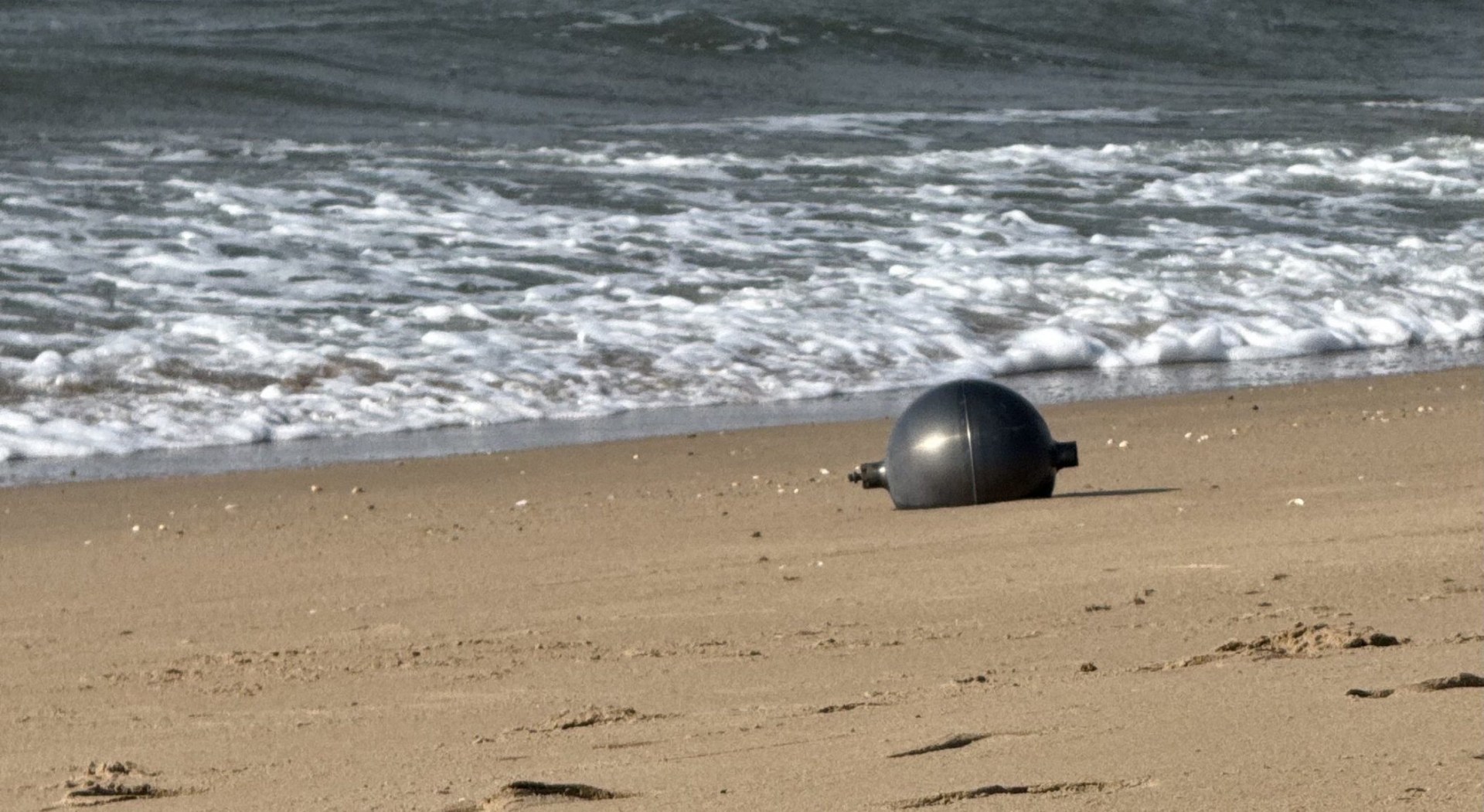
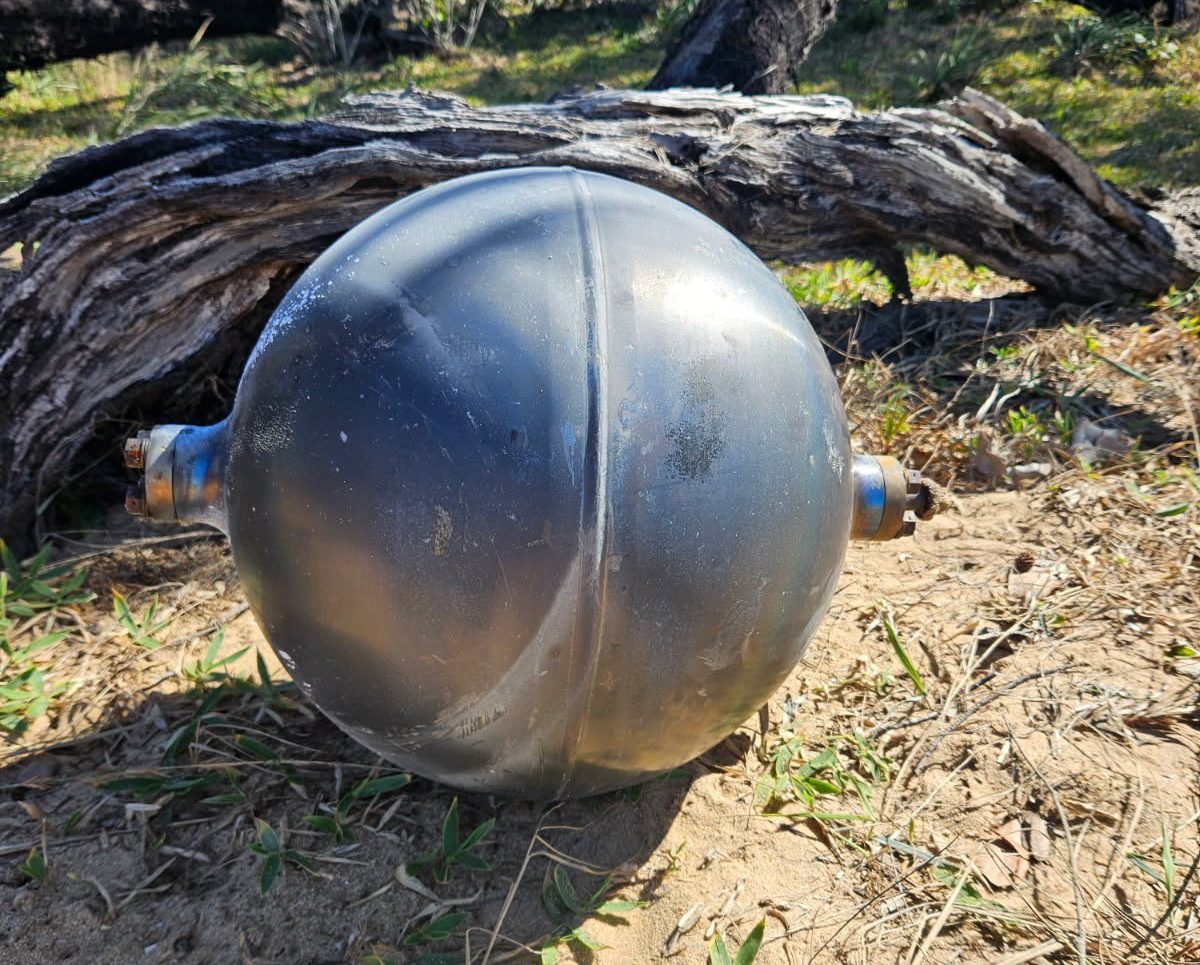
Six metal spheres were found on Friday, Saturday, and Sunday near Forrest Beach, a coastal town located 10 miles southeast of Ingham. The discovery led to a significant response from emergency services, including firefighters in hazmat suits, space experts, and national emergency officials, all trying to determine the nature of the objects.
Five of the chrome balls were placed in drums, while police enforced a 160ft exclusion zone around the area due to concerns that they might be “toxic.” Local resident Trevor Kyle told the Australian Broadcasting Corporation that the first orb was discovered by a crab fisherman, who was instructed by police to discard his fishing pot. Initially, Kyle thought it was a buoy, but he became worried when he saw the extensive police presence on the beach.
A Growing Concern
Kyle described the scene as increasingly alarming, noting that he could see the situation escalating with the involvement of bomb squads, the State Emergency Service (SES), fire services, and ambulance crews. However, the Australian Space Agency provided clarity on Monday, revealing that the spheres are likely “space balls.”
The term “space balls” is not referring to the 1980s movie, but rather to pressurized fuel tanks used in rockets. The agency stated on X: “The objects’ location and characteristics are consistent with debris from a foreign rocket body that recently re-entered the atmosphere from orbit.”
These types of objects are a common form of space junk, with approximately 15,800 tonnes of old satellites and rocket scraps currently orbiting the Earth. Despite this, Australian space officials have emphasized that the orbs are safe.
Expert Opinions on the Matter
Three space experts were asked about their thoughts on the space balls. Don Pollacco, a professor in astrophysics at the University of Warwick, explained that the spherical balls are likely hydrazine tanks from a launch vehicle that has re-entered the atmosphere. He noted that hydrazine is a toxic chemical commonly used as a liquid propellant in rockets since the 1950s.
The reason for the ball-shaped design is due to the use of hydrazine in a rocket’s small thrusters to adjust its altitude in space. Pollacco added that the Queensland tanks clearly landed at sea and were later washed up on the beach. While it is unclear which rocket body released them, it is expected that they originated from either India or China.
Dr. Penny Wozniakiewicz, a senior lecturer in space science at the University of Kent, also suggested that the spheres are leftover rocket parts. She highlighted that the Earth’s atmosphere usually burns up most debris that re-enters, and spacecraft are often deliberately disposed of to ensure they burn up quickly.
Addressing Concerns
Critics raised questions about whether the globes were indeed space junk, citing the lack of scorch marks. During re-entry, temperatures can exceed 1,500°C. However, Accu Components, a precision engineering components supplier that tracks and analyses space junk, provided an explanation.
Dean Sladen, a quality manager and aerospace engineer at the company, said, “Most objects burn up completely on re-entry, and what does survive, like the pressure vessels found in Queensland, is usually just titanium or a composite shell rather than anything toxic.”
With the vast size of Australia, it is not uncommon for space junk to wash up on its shores. As rocket and satellite launches increase, such occurrences are expected to become more frequent.
Notable Incidents
In 2022, a trunk from one of Elon Musk’s rockets, the SpaceX Dragon, crashed onto a beach in New South Wales. Then, in 2023, a pressure vessel from an Indian launch vehicle washed up in Western Australia—India did not request the debris back.
Should You Be Worried?
Pollacco reassured that most of the Earth’s surface remains unoccupied, making it unlikely for someone to be struck by a piece of debris. However, if directly hit, the consequences could be severe.
The Australian Space Agency advises that if you find space junk in your garden or on a beach, you should:
- Do not handle the debris. Space objects are built from a range of materials that may be hazardous.
- Contact the local authorities.
- Notify space officials.
Stay up to date with the stories everybody’s talking about by signing up to [news outlet]’s News Updates newsletter.