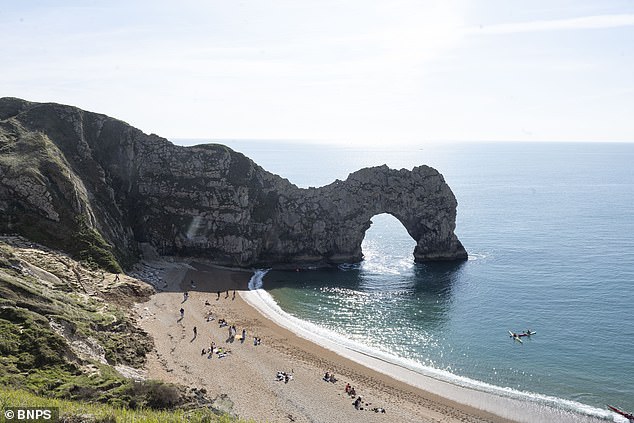
Tourists Defy Danger Signs to Access Closed Durdle Door Beach
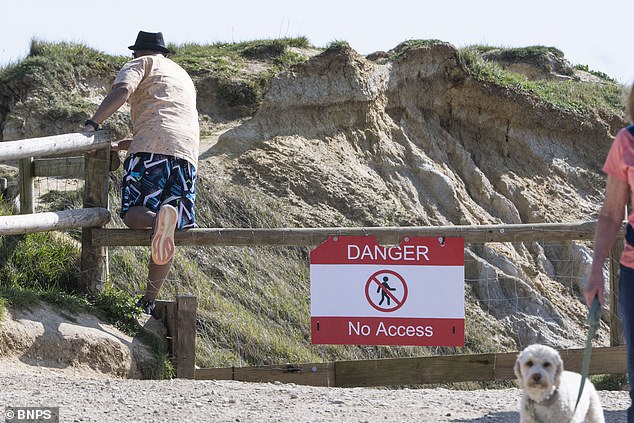
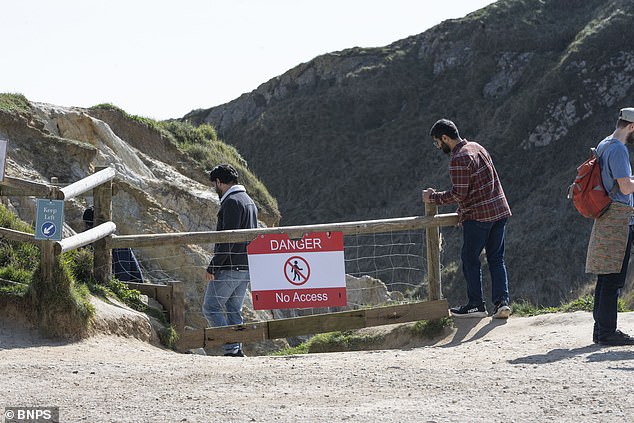
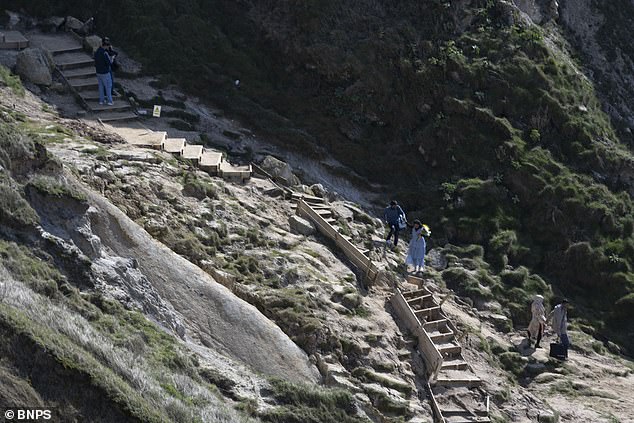
Despite clear warnings and safety barriers, a significant number of tourists have been spotted ignoring closures and venturing onto the popular Durdle Door beach in Dorset. The iconic natural landmark, a favourite for photographers and visitors alike, has been inaccessible due to storm damage to its primary access point – a steep flight of 143 wooden steps.
The Lulworth Estate, responsible for the area, shut off access in late February after severe winter storms wreaked havoc, destroying the lower 40 steps of the 200-foot cliffside staircase. However, in recent days, witnesses observed approximately 100 individuals disregarding the prominent “Danger: No Access” signs. These visitors were seen navigating past the barriers and scrambling over rocks to reach the beach, undeterred by the hazardous conditions.
Durdle Door, a renowned feature of the Jurassic Coast, draws an estimated 500,000 visitors annually. The very steps that provide access were themselves a recent replacement, installed just two years ago. Previously, winter storms had caused them to be submerged under landslides of clay and mud. Countryside rangers and dedicated volunteers had undertaken extensive work to rebuild the staircases and shore up the banks with shuttering, but this effort has now been undone by ongoing coastal erosion.
The Lulworth Estate has stated that the reopening date for the beach remains uncertain, emphasizing that visitor safety is their paramount concern.
A History of Tragic Incidents at Durdle Door
The allure of Durdle Door has, tragically, been marred by several serious incidents in recent years, often linked to individuals attempting to access the beach via unofficial and dangerous routes. These events serve as stark reminders of the inherent risks involved when safety protocols are ignored.
In June 2021, a devastating fall claimed the life of Tahira Jabeen, a 46-year-old mother of five. An inquest into her death revealed that Ms. Jabeen had ignored her daughter’s pleas not to climb down the steep cliff face adjacent to the steps. Her daughter had even documented her mother’s descent, a perilous 120-foot climb down the cliff. Tragically, Ms. Jabeen, reportedly wearing black Crocs at the time, lost her footing about halfway down, sliding uncontrollably and falling to her death on the beach below. A witness at the cliff top had even shouted a warning, fearing for her life, while those on the beach yelled for her to stop.
Another harrowing incident occurred in May 2020, during the early stages of the pandemic. On this occasion, four individuals sustained serious injuries after jumping from the top of the ancient limestone arch. The popularity of the spot, combined with the emergency response, led to significant overcrowding on the beach. Beachgoers were forced into close proximity to allow air ambulances to land and evacuate the injured.

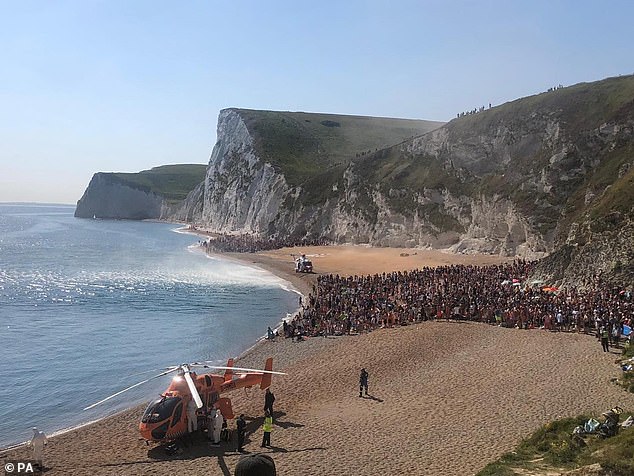
Images from that day depicted a dense crowd of sun-seekers concentrated in a limited area, as they attempted to clear the beach for the emergency services. This occurred despite police efforts to enforce social distancing measures and warnings of potential fines for gatherings exceeding two people. The scene highlighted the challenges authorities face in managing public behaviour at popular, yet potentially dangerous, natural attractions.
The ongoing disregard for safety warnings at Durdle Door underscores a persistent issue of tourists prioritising access to popular sights over their own well-being. The Lulworth Estate’s efforts to maintain the site and ensure public safety are being undermined by a minority of visitors who choose to ignore clear danger signs and closures.