Cepeda Takes Early Lead in Colombian Presidential Race
As the 2026 presidential election looms, a new poll conducted by El Tiempo indicates that Gustavo Cepeda is currently leading the pack, capturing the support of 34.5% of respondents. Following closely behind is Paloma Valencia, who has garnered 22.2% of the vote, with Abelardo De La Espriella trailing in third place at 15%. This survey paints a picture of an increasingly fragmented and competitive political landscape, with a notable division among opposition figures.
Political analysts suggest that these results are a clear indicator of shifting voter preferences and the early stages of candidate consolidation. While the election is still some time away and figures are expected to fluctuate, Cepeda’s campaign appears to have made a strong start. The poll also serves to highlight the crucial role that strategic alliances will play as candidates strive to broaden their appeal and secure wider support bases.
Colombia Bolsters Global Standing with CELAC-Africa Forum
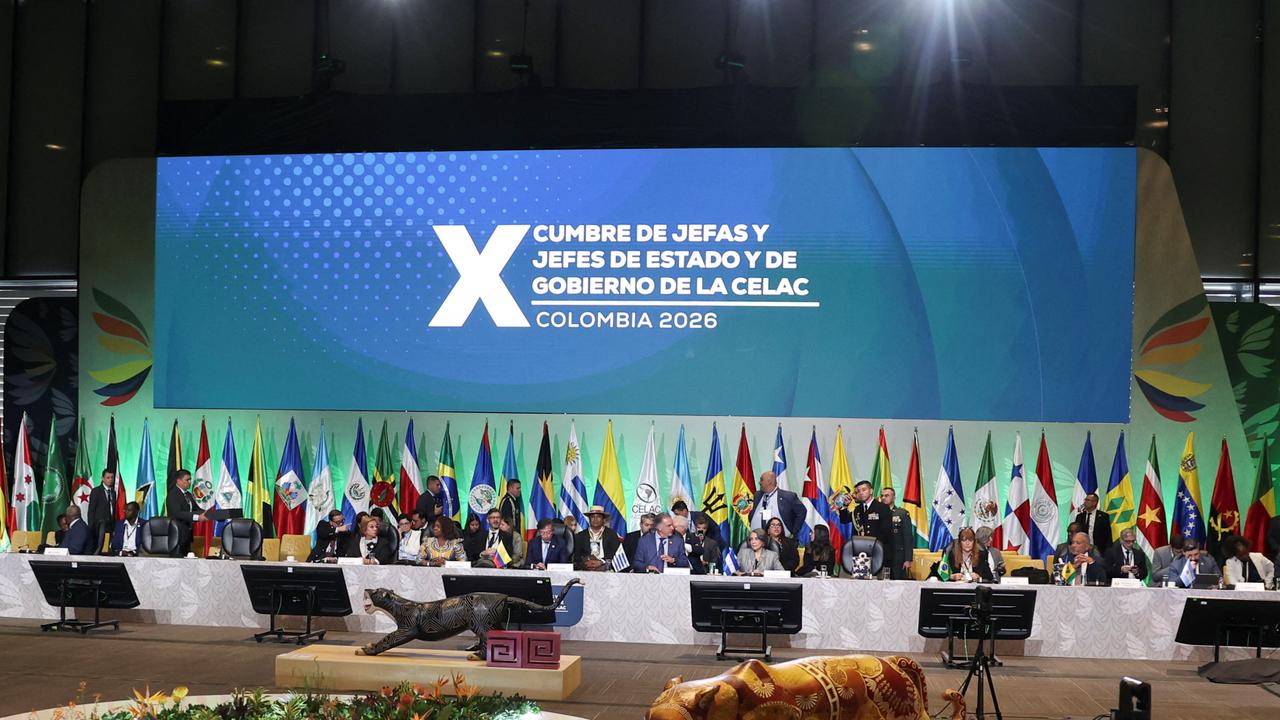
Colombia has recently played host to a significant high-level forum designed to foster enhanced collaboration between the Community of Latin American and Caribbean States (CELAC) and African nations. This initiative, spearheaded by the Colombian Ministry of Foreign Affairs, is aimed at deepening cooperation across a spectrum of areas, including trade, sustainable development, and political dialogue between these two vital regions.
Officials involved have lauded the meeting as a landmark event in the progression of South-South relations, effectively positioning Colombia as a pivotal intermediary connecting Latin America and the African continent. Beyond diplomatic ties, the forum also provided a crucial platform for discussing shared global challenges, with a particular focus on the urgent issues of climate change and economic development. Colombian authorities have emphatically stressed the indispensable role of multilateralism in effectively addressing these complex global concerns. This high-profile event is a key component of Bogotá’s broader strategic agenda to expand its international influence and strengthen its diplomatic footprint on the world stage.
Antioquia’s Birth Rate Hits 18-Year Low
Alarming new data released by Colombia’s National Administrative Department of Statistics (DANE) reveals that the birth rate in the Antioquia region has plummeted to its lowest point in almost two decades, with figures for 2025 showing a significant decline. This downward trend is reflective of broader demographic shifts occurring not only within Antioquia but across Colombia as a whole. Factors contributing to this phenomenon include declining fertility rates and evolving societal dynamics that are reshaping family structures and planning.
Experts attribute this marked drop to a confluence of factors, including prevailing economic uncertainties, increased access to educational opportunities for women, and a growing prevalence of more deliberate family planning choices. The implications of these persistently low birth rates are a growing concern for authorities, who are now closely monitoring the long-term impacts on the future labour force and overall economic growth of the region and the nation. This data underscores a profound transformation in population patterns that demands careful consideration and strategic planning from governmental bodies.
Four Suspected Clan del Golfo Members Apprehended in Major Operation
In a significant success for Colombian law enforcement, authorities have successfully apprehended four individuals believed to be members of the notorious Clan del Golfo, all of whom were wanted by the United States for serious drug trafficking charges. This high-impact operation was executed by the national police force, working in close coordination with various international agencies, and represents a substantial blow to the operations of this formidable criminal network.
Officials have confirmed that the arrested suspects are allegedly involved in extensive narcotics trafficking operations, with connections to complex transnational routes. These arrests are a crucial part of the ongoing, concerted efforts by Colombian authorities to dismantle entrenched organised crime structures operating within the country. The success of this operation further reinforces the commitment to continued robust cooperation with US law enforcement agencies. Nevertheless, the case highlights the persistent and multifaceted challenge posed by powerful drug trafficking syndicates that continue to operate across borders.
Uribe Assassination Case Rekindles Controversy and Political Debate
Tensions have significantly escalated following a series of accusations and claims surfacing in relation to the assassination of Miguel Uribe Uribe. In response to these recent allegations, Ivan Cepeda has strongly urged for the presentation of concrete evidence to substantiate the claims being made. This unfolding controversy has effectively reignited a passionate political debate, with various factions presenting divergent interpretations of historical responsibility and culpability.
Cepeda has been particularly critical of what he has described as unsubstantiated allegations, advocating for a rigorous, fact-based approach to the investigation and public discourse surrounding the case. The issue has captured renewed public attention, bringing one of Colombia’s most emblematic and sensitive political crimes back into the national spotlight. Political analysts have cautioned that this escalating dispute could further exacerbate existing political divisions within the country, underscoring the deeply sensitive nature of the case within Colombia’s collective historical memory.