Fuel Crisis Deepens: Hundreds of Service Stations Dry, Government Under Fire
Australia is grappling with a significant fuel shortage, with a staggering 8 per cent of service stations nationwide reporting a lack of one or more fuel grades. This translates to as many as 560 stations across the country being unable to dispense diesel, petrol, or both, as the nation faces mounting pressure from global supply chain disruptions and geopolitical instability.
Industry Minister Tim Ayres confirmed the concerning figures, highlighting the widespread impact of the crisis. Energy Minister Chris Bowen provided a state-by-state breakdown during a recent parliamentary session, illustrating the uneven distribution of the shortages.
State-by-State Fuel Shortage Breakdown:
- New South Wales: Out of 2,417 service stations, 164 reported a lack of diesel, and 289 were without at least one type of fuel.
- Queensland: Of the 1,800 service stations, 55 were without diesel, and 35 reported no regular unleaded petrol.
- Victoria: With 1,627 service stations, 162 experienced shortages of one or more fuel grades.
- South Australia: From a total of 700 service stations, 46 reported being without one or more fuel types.
- Western Australia: Out of 771 service stations, a mere six reported being without stock.
- Tasmania: Of the 257 stations, only one was out of diesel, while six reported no unleaded petrol.
- Northern Territory and Australian Capital Territory: Both territories reported no fuel outages.
Government’s Response and Controversies
Energy Minister Chris Bowen has been at the forefront of the government’s response, facing considerable scrutiny from the Coalition. In an effort to alleviate the pressure, the Albanese government announced a temporary reduction in the technical threshold for diesel for a six-month period. This measure, known as lowering the flashpoint from 61.5°C to 60.5°C, aims to broaden the available diesel supply options from both domestic refiners and international sources.
During question time, Mr. Bowen addressed concerns about potential fuel rationing plans. He confirmed meeting with state and territory energy ministers the previous week and issuing a communique, which he stated was not a confidential document. When pressed further on the matter by Liberal National Party MP Leon Rebello, Mr. Bowen directed him to his earlier answer.
Furthermore, Mr. Bowen confirmed that bunker fuel, a specialised maritime oil, is not currently included in the government’s minimum stock obligation. The government is actively engaging with the maritime sector regarding fuel supply. He noted that a condition of releasing some of the minimum stock obligation was to prioritise maritime needs, which would also extend to cargo and passenger vehicles.
Meanwhile, Treasurer Jim Chalmers told Parliament that the government is not considering pausing the fuel excise, which adds approximately 52 cents per litre to the price of petrol. He reiterated the government’s commitment to providing cost-of-living relief in a responsible manner, citing tax cuts as an example. When questioned by independent MP Dai Le about halving the excise, Mr. Chalmers referred her to his previous statement.
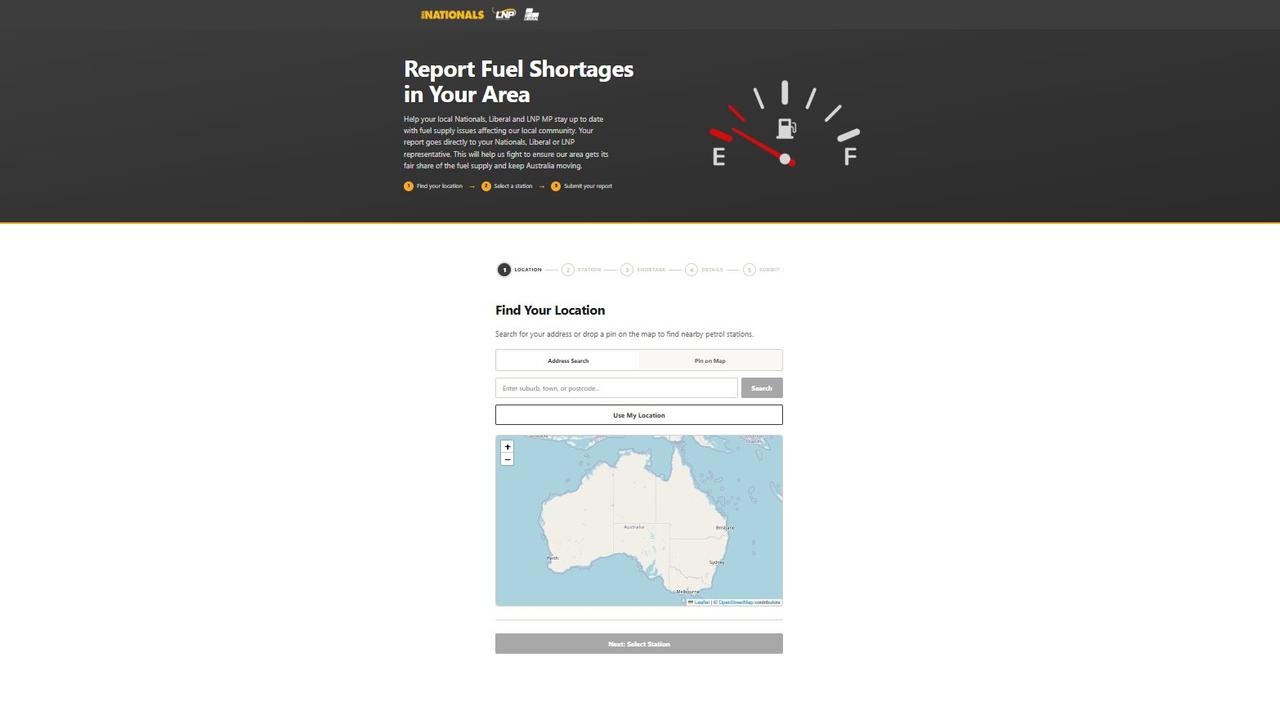
Opposition Launches “No Fuel Finder” Website
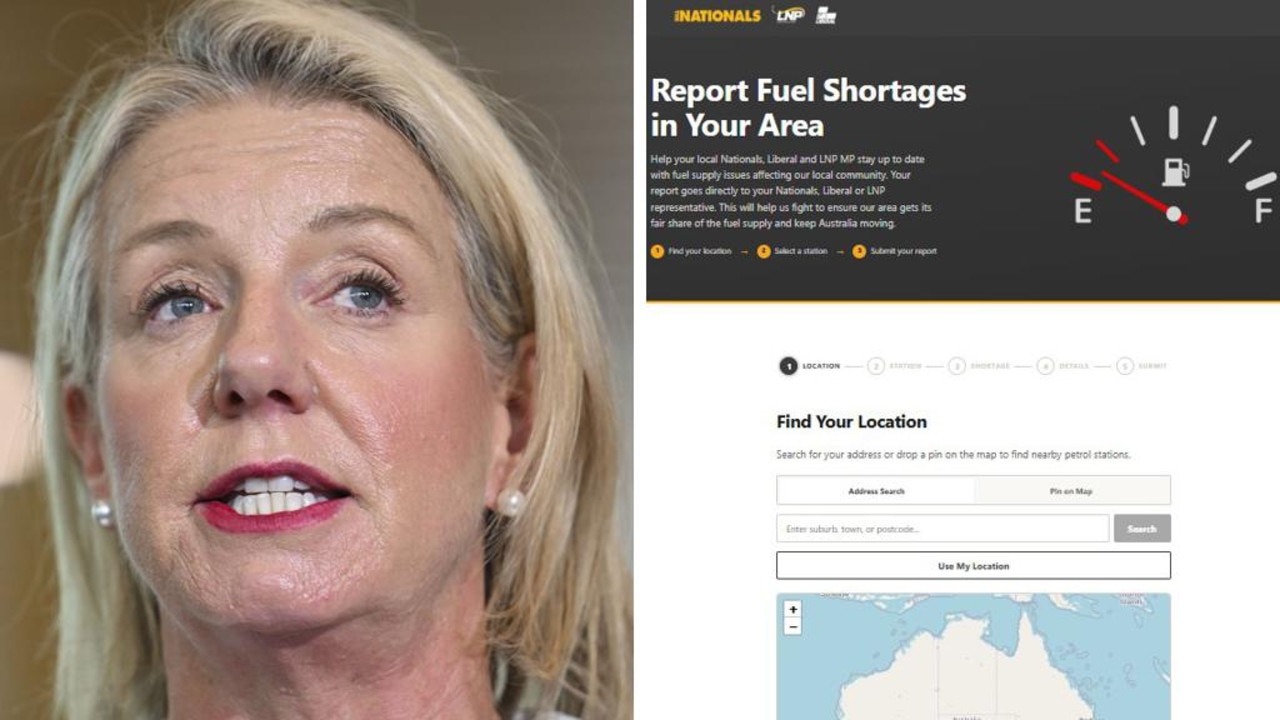
In response to the unfolding crisis, the Coalition launched a “no fuel finder” website on Tuesday. Nationals senator Bridget McKenzie criticised the government’s handling of the situation, describing their response as “flat-footed.” The opposition’s website aims to allow community members to report service stations that have run out of fuel or where prices are perceived to be excessively high.
“So, in the efforts of being constructive and the efforts of bipartisanship, the opposition has set up a no fuel here website so that local community members can assist Chris Bowen to understand where those supply gaps are, so that he can actually use the powers he has under the legislation to direct supply where it’s needed,” Senator McKenzie stated.
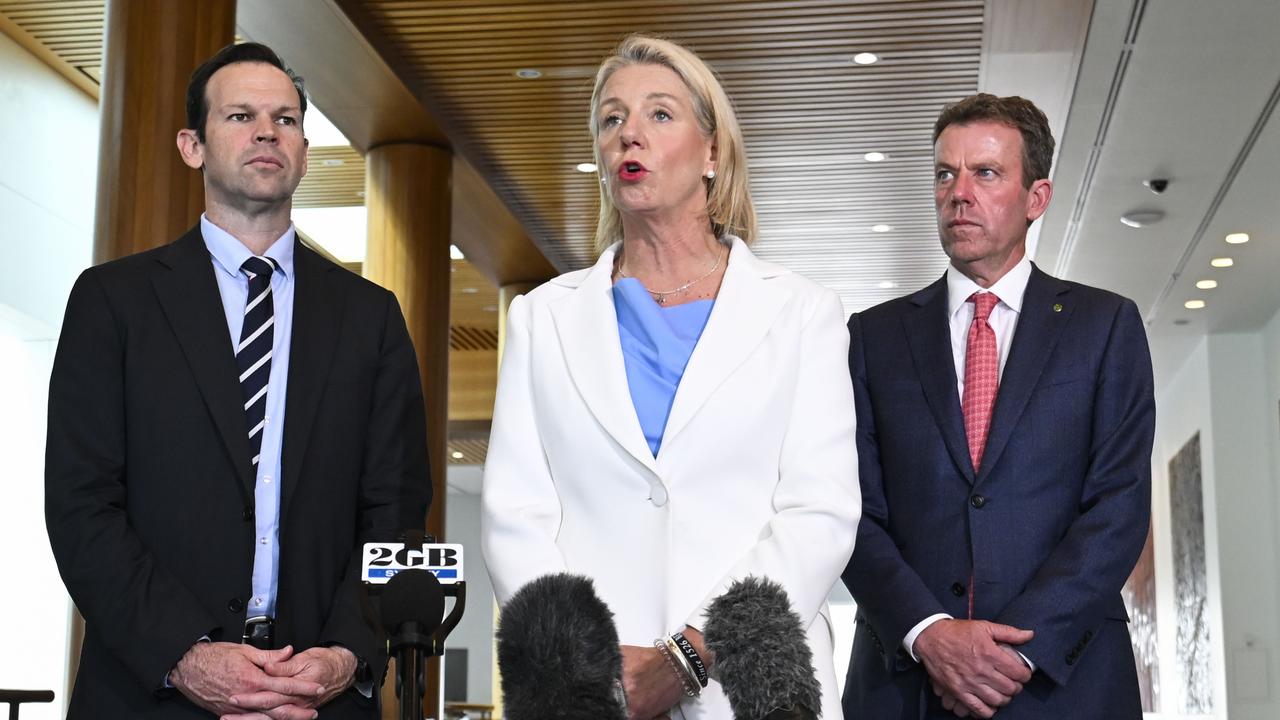
While the website is live, questions remain regarding the accuracy of the information being submitted and the protections in place to ensure its reliability. Senator McKenzie addressed concerns about potential panic buying, similar to issues seen with inaccurate apps during the pandemic, by stating that the fuel website would not publicly report shortages. She emphasised that the website serves as a repository for community concerns and anxieties, acknowledging that there is currently no dedicated hotline for reporting such issues. The opposition has offered to confidentially share this information with the Energy Minister.
Ministerial Clashes and Public Transport Proposals
The fuel crisis has also sparked heated exchanges between government ministers and opposition members. Employment Minister Amanda Rishworth clashed with Senator Michaelia Cash over the government’s handling of the situation. Ms. Rishworth acknowledged the “uncertain and difficult time” but reassured Australians that fuel is still arriving and the government is working diligently to secure supply, in collaboration with state and territory governments.
Senator Cash, however, accused the government of being in denial about the problem and blamed them for confusing the public. She questioned the practicalities of fuel distribution and suggested that Minister Bowen might need to personally oversee tanker deliveries.
In a separate development, NSW Opposition Leader Kellie Sloane has called on the state Labor government to introduce free public transport across the Easter long weekend. This proposal aims to alleviate the financial burden on families facing soaring fuel costs. Nationals leader Gurmesh Singh extended this call to include regional XPT and TrainLink coaches, recognising the significant travel distances for regional families. Business NSW has supported the initiative, suggesting it could boost local businesses through increased foot traffic and spending.
Union Advocates for Work-From-Home Flexibility
The Finance Services Union has written to employers requesting the suspension of in-office attendance requirements, urging a return to flexible work arrangements. The union cited the current economic uncertainty, rising cost-of-living pressures, and the impact of surging fuel prices as reasons for this request. They highlighted that finance workers have successfully demonstrated their ability to work effectively from home during the COVID-19 pandemic.
Government’s Mitigation Efforts
The government has taken several steps to address the fuel shortage. A fuel taskforce co-ordinator has been appointed, and while states and territories are primarily responsible for fuel distribution, Energy Minister Chris Bowen admitted that six of 81 expected fuel ships had been cancelled. The government has also released some of its emergency fuel holdings and temporarily lowered the sulphur content standard for fuel.