Iran’s Decision to Reclose the Strait of Hormuz
The recent decision by Iran to reclose the Strait of Hormuz has significantly dampened hopes that fuel prices in Nigeria would experience a sharp decline. This development has raised concerns among fuel marketers and consumers alike, as the strategic waterway plays a crucial role in global oil trade.
The Initial Reopening and Subsequent Closure
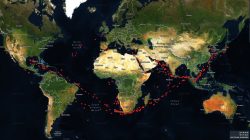
The Strait of Hormuz was initially opened on Friday following a ceasefire deal between Iran and the United States. However, just 24 hours later, Iran decided to reclose the strait, citing the continued blockade of its ports by the United States as the reason for this move. The Iranian military announced on Saturday that control of the strategic waterway had “returned to its previous state.” Reports indicated that Iranian gunboats fired at a merchant vessel attempting to cross the strait, highlighting the escalating tensions in the region.
Impact on Fuel Prices in Nigeria
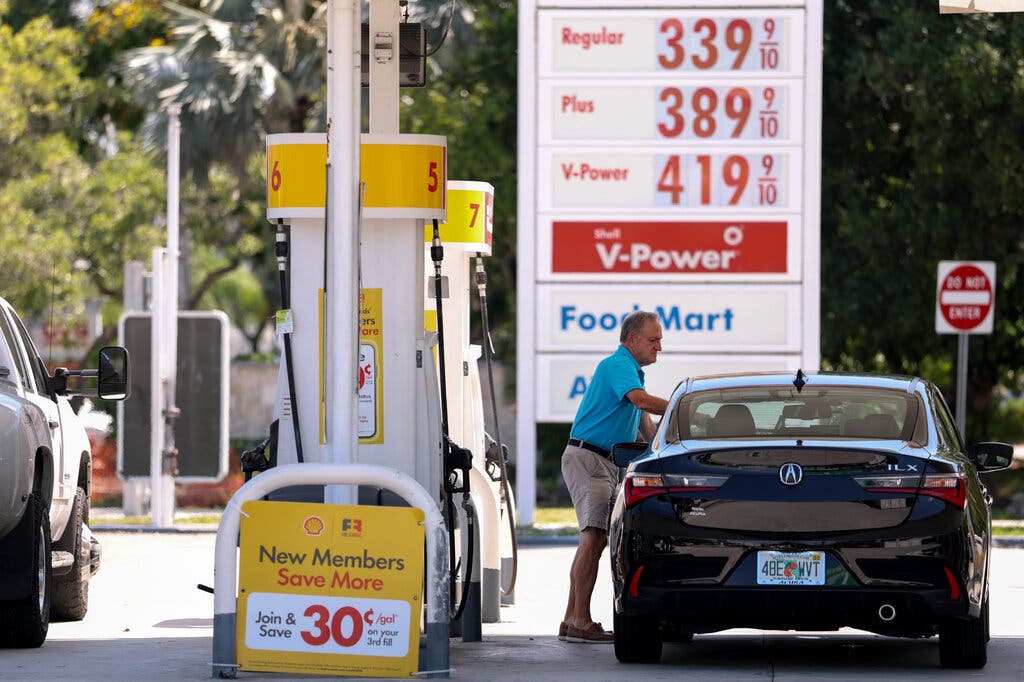
Fuel marketers had previously projected that petrol prices could drop from the current N1,250 to around N900 per litre when the strait was reopened. Joseph Obele, the spokesman of the Petroleum Products Retail Outlet Owners Association of Nigeria, expressed optimism that the price of crude oil would decrease following the reopening of the strait. He recalled that petrol prices were around N800 before February 28, when the crisis began, and he was hopeful for a significant reduction if the situation remained stable.
However, on Sunday, Obele informed our correspondent that the reclosure of the Hormuz had dashed these expectations. He noted that the status quo would remain until both Iran and the US agree on a lasting ceasefire.
Trump’s Response and Threats
President Donald Trump addressed the situation on Sunday, stating that Iran had violated the ceasefire agreement with the US by attacking ships in the Strait of Hormuz. He reiterated threats to attack Iranian energy infrastructure unless it accepts a deal to end the war. Trump took to Truth Social to express his frustration, stating, “Iran decided to fire bullets yesterday in the Strait of Hormuz — a total violation of our ceasefire agreement!” He warned that if Iran does not accept a fair deal, the United States would target every power plant and bridge in Iran.
Trump also mentioned that negotiators would arrive in Islamabad, Pakistan, on Monday evening. The two-week ceasefire is set to end on Wednesday, adding urgency to the ongoing discussions.
Oil Price Trends
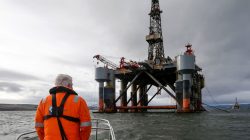
Despite the reclosure of the Strait of Hormuz, there has not been a major surge in oil prices. According to oilprice.com, Brent crude traded at $90 per barrel on Sunday, up from $88 before the strait was reclosed. This marks a slight increase from the $95 level observed on Friday morning.
Conclusion
The situation in the Strait of Hormuz continues to have far-reaching implications, not only for global oil markets but also for countries like Nigeria, where fuel prices are closely tied to regional stability. As negotiations between Iran and the US continue, the international community remains on edge, hoping for a resolution that will restore peace and stability to the region.