Australians Continue to Travel Overseas Despite Middle East Conflict
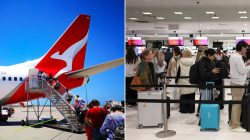
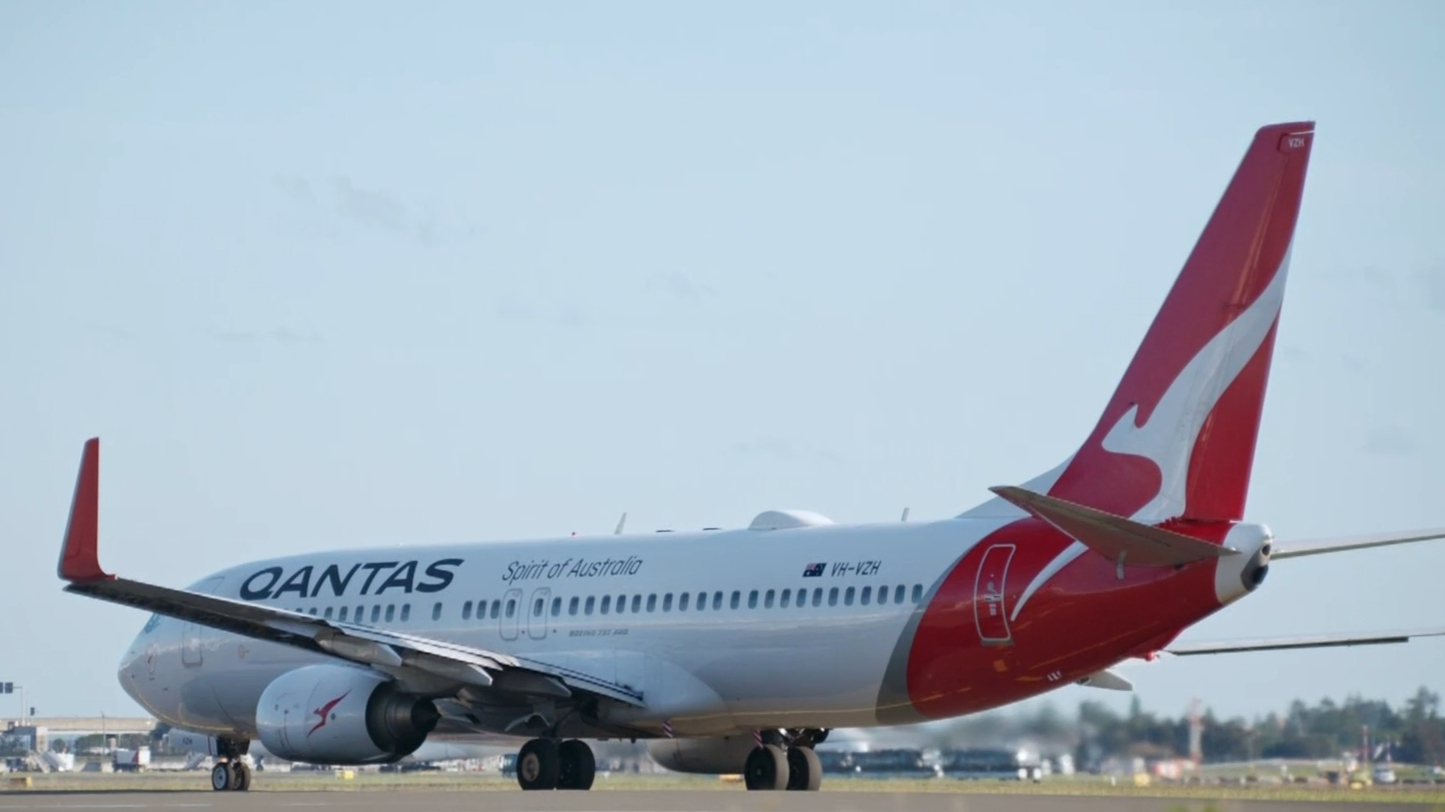
Despite the ongoing conflict in the Middle East, Australians are continuing to travel overseas in record numbers, with international airports experiencing unprecedented levels of activity. Sydney Airport, in particular, has seen a significant increase in passenger traffic, reflecting the resilience and continued demand for international travel.
Record Passenger Numbers at Sydney Airport
New data reveals that 4.57 million international passengers traveled through Sydney Airport between January and March this year, marking a 5.8 per cent increase compared to the same period last year. This is the highest number of passengers recorded by the airport in its first quarter, highlighting the growing trend of international travel among Australians.
The surge in passenger numbers comes after a record-breaking year for international travel at Sydney Airport in 2023, when 17.17 million passengers passed through the international terminal. This consistent growth underscores the recovery of the aviation sector following the disruptions caused by the COVID-19 pandemic.
Melbourne Airport Sees Surge in International Travel
Melbourne Airport has also experienced a notable increase in international passenger numbers, with over one million travelers passing through the airport in March for the first time. The airport’s CEO, Lorie Argus, acknowledged the challenges posed by the conflict in the Middle East, which disrupted key routes to Europe and caused significant delays for many travelers.
“March was a difficult month for many travellers, with conflict in the Middle East causing significant disruption for some of our major hubs and key routes to Europe,” said Argus. “While Middle East services are progressively resuming and stabilising, it has been pleasing to see other airlines add capacity.”
Impact of the Middle East Conflict on Air Travel
The outbreak of war in Iran on February 28 led to the grounding of thousands of flights and forced many others to reroute around the conflict zone. Most of the Middle East remains a no-fly zone according to federal government travel advice, including the major transit hub of Doha.
Despite these challenges, travel through much of the Asia-Pacific region has seen a rise in demand. Flights to Hong Kong have increased by more than 20 per cent, while trips to Kuala Lumpur have risen by almost a third. New Zealand and China remain the top overseas destinations for Australians departing from Sydney Airport, with passenger numbers up by 13.5 per cent and 14 per cent respectively compared to last year.
Conversely, travel to the United States has seen a slight decline, with passenger numbers dropping by 0.7 per cent.
Positive Outlook for Future Travel
Sydney Airport CEO Scott Charlton expressed optimism about the current trends, stating that the figures were “a great outcome” given the disruptions in the Middle East. He noted that growth in travel to China and broader Asia is increasingly supporting travel into Europe, helping to offset softer conditions in parts of the Middle East.
However, there are concerns about the potential impact of ongoing geopolitical tensions and rising jet fuel prices on future demand. Both domestic and international airfares have already seen significant price increases, which could affect travel plans in the coming months.
Conclusion
Despite the challenges posed by the conflict in the Middle East, Australian travelers continue to show strong demand for international travel. With airports like Sydney and Melbourne reporting record passenger numbers, the aviation sector is demonstrating resilience and adaptability. As the situation in the Middle East evolves, it will be important to monitor how these factors influence future travel trends.