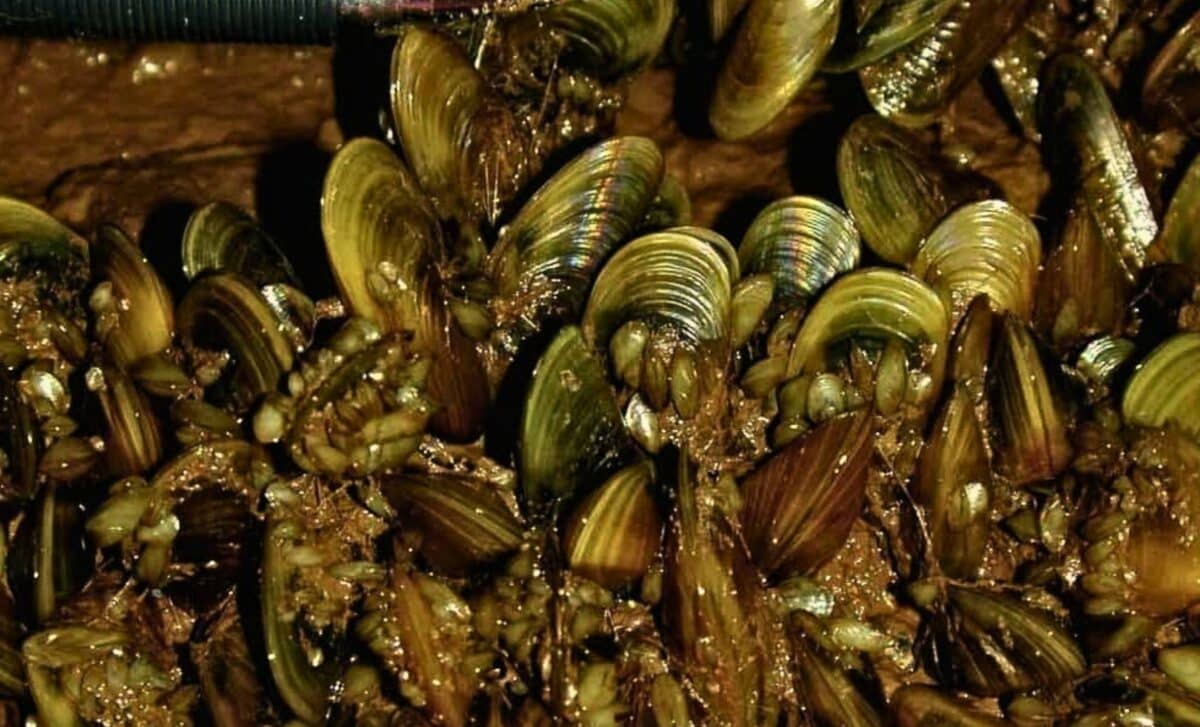
The mussel is smaller than a thumbnail. It arrived unannounced, clinging to a float near the Port of Stockton sometime before October 2024, and by the time laboratory geneticists confirmed what it was, it had already begun to spread. California had never seen a golden mussel before. Now it can’t stop finding them.
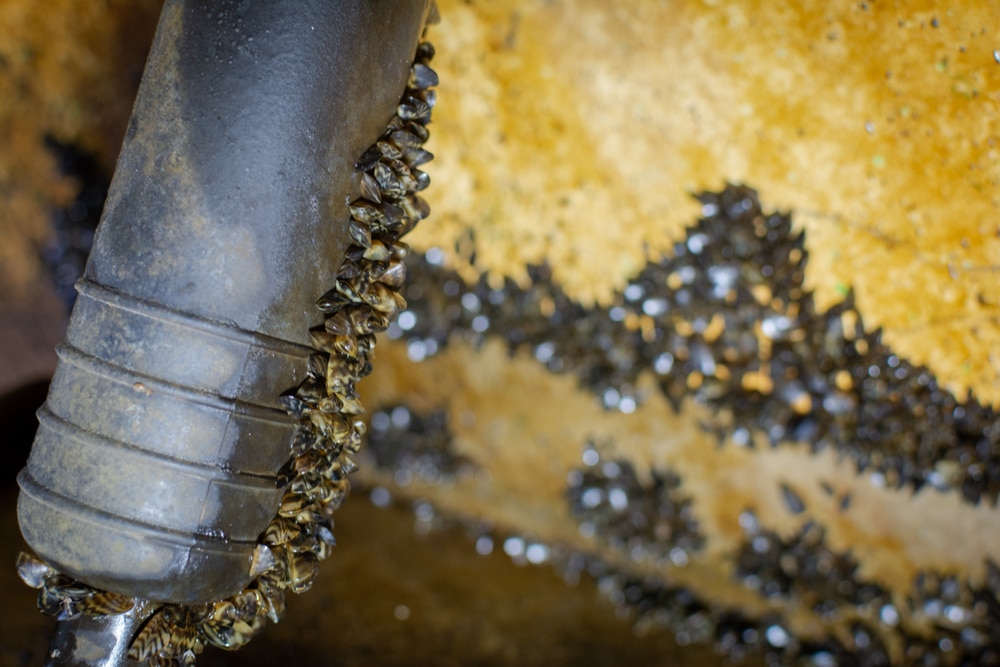
Water managers know what comes next. They’ve watched zebra and quagga mussels colonize the American West for decades, clogging intake pipes, coating pump interiors, shutting down equipment that millions of people depend on for drinking water and electricity. The damage runs past $1 billion a year nationwide. And the golden mussel, native to South America, appears to spread faster than either of them.
The problem that keeps water engineers awake at night isn’t the mussels they can see. It’s the ones riding invisibly inside ballast compartments on recreational boats, moving between lakes every summer weekend while nobody checks. In February 2026, the Bureau of Reclamation decided to put money on a solution, offering up to $200,000 for whoever can crack that specific problem first.
The Weak Link Nobody Can Reach
Watercraft ballast compartments are built-in tanks that allow operators to adjust how a boat sits in the water. They fill, they drain, and they look empty. But small pockets of water persist inside hoses and cavities that no inspector can physically access at a boat ramp. That residual water is all a mussel larva needs to survive a drive across the state and start a new colony in a lake it has never touched before.
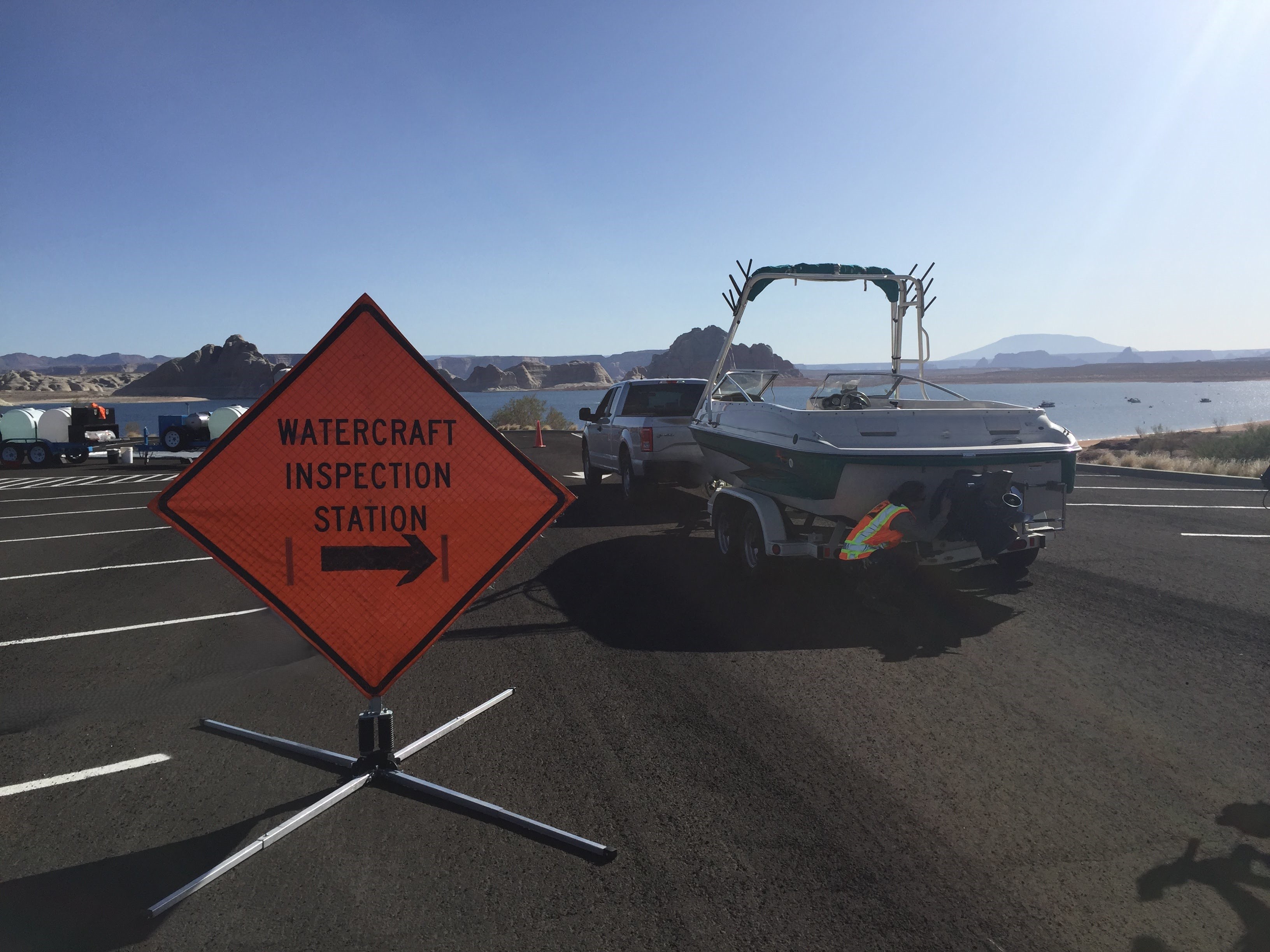
Existing watercraft inspection and decontamination programs catch a significant share of the risk, but they depend on trained staff, dedicated equipment, and time. During peak summer boating season, the volume of boats moving between California’s reservoirs outpaces what checkpoint stations can realistically process.
The Halt the Hitchhiker challenge is built around that gap, specifically seeking technologies that can kill, exclude, or inactivate invasive species inside ballast systems without damaging the boat, producing hazardous waste, or creating any safety risk to users.
U.S. Geological Survey research has documented the economic case for early prevention, linking proactive management of zebra and quagga mussels to long-term savings that far exceed the upfront cost of intervention. Once a population establishes itself inside a pipe or pump, controlling it becomes a permanent operational expense.
What Happens Before Anyone Notices
After the initial Stockton detection, genetic confirmation came from two independent sources: the UC Davis Genomic Variation Laboratory and the California Department of Food and Agriculture’s laboratory. Subsequent monitoring found golden mussels at multiple additional sites. One pumping plant alone reported removing several hundred individuals ranging from a quarter-inch to just under an inch long, meaning a population had been growing there long enough to reach visible size before anyone found it.
That lag is the core difficulty. The California Department of Fish and Wildlife’s Shellfish Health Laboratory screens water samples from utilities, federal agencies, and field scientists for mussel larvae called veligers, which are too small to see without magnification. Detection requires cross-polarized light microscopy to spot the larvae’s distinctive optical signature, compound microscope examination for morphological detail, and finally PCR-based DNA analysis to confirm the species. By the time a golden mussel is large enough to see, it has already spent weeks feeding, reproducing, and cementing itself to whatever surface it landed on.
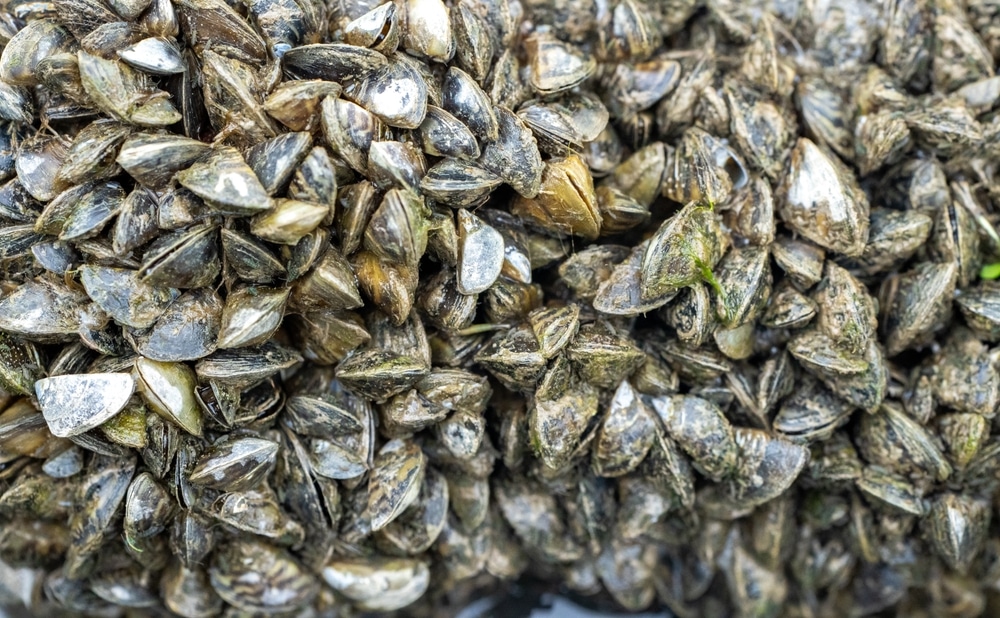
West Bishop, an aquatic invasive species specialist at SePRO Corporation, described the golden mussel as a direct threat to water supplies and food production if it continues to spread. SePRO’s Natrix is currently one of the few EPA-registered chemical treatments approved for controlling invasive mollusks, effective across a range of water conditions including high pH and alkalinity. Chemical intervention, however, is a response tool. The Halt the Hitchhiker challenge is looking for something that stops the transport before it happens.
How the $200,000 Competition Works
The Bureau of Reclamation contracted innovation firm yet2 to run the competition, which is open to any technical domain, including chemistry, materials science, mechanical engineering, and biology. Eligibility is limited to U.S.-based applicants.
Phase 1 calls for concept papers, with submissions due May 29, 2026. Up to six winning teams receive $25,000 each. Phase 2 brings selected teams into a virtual pitch format, where up to three winners can each receive $50,000.
Phase 3 funds prototype development and laboratory-scale testing, with first prize up to $125,000, second up to $75,000, and third up to $50,000. A team that advances through every phase could collect $200,000 total. If maximum prizes are distributed across different teams at every stage, the full payout reaches $550,000.
The Stakes at Shasta and Beyond
The competition is national in scope, but the pressure is acutely felt in California. Michael Burke, a public affairs specialist involved in the effort, said officials are coordinating closely with the California Department of Fish and Wildlife and are focused on keeping golden mussels out of major inland recreation sites like Shasta Lake, where boaters regularly move between multiple waterbodies across a single weekend.
The standard guidance at boat ramps has not changed: clean the hull, drain every compartment you can reach, and let the boat dry completely before launching somewhere new. Those steps reduce risk but cannot address ballast compartments that field inspectors cannot fully access. Concept paper submissions for the Halt the Hitchhiker challenge are open now, with the Phase 1 deadline set for May 29, 2026.