New Research Reveals the Origins of Coral Reef Biodiversity
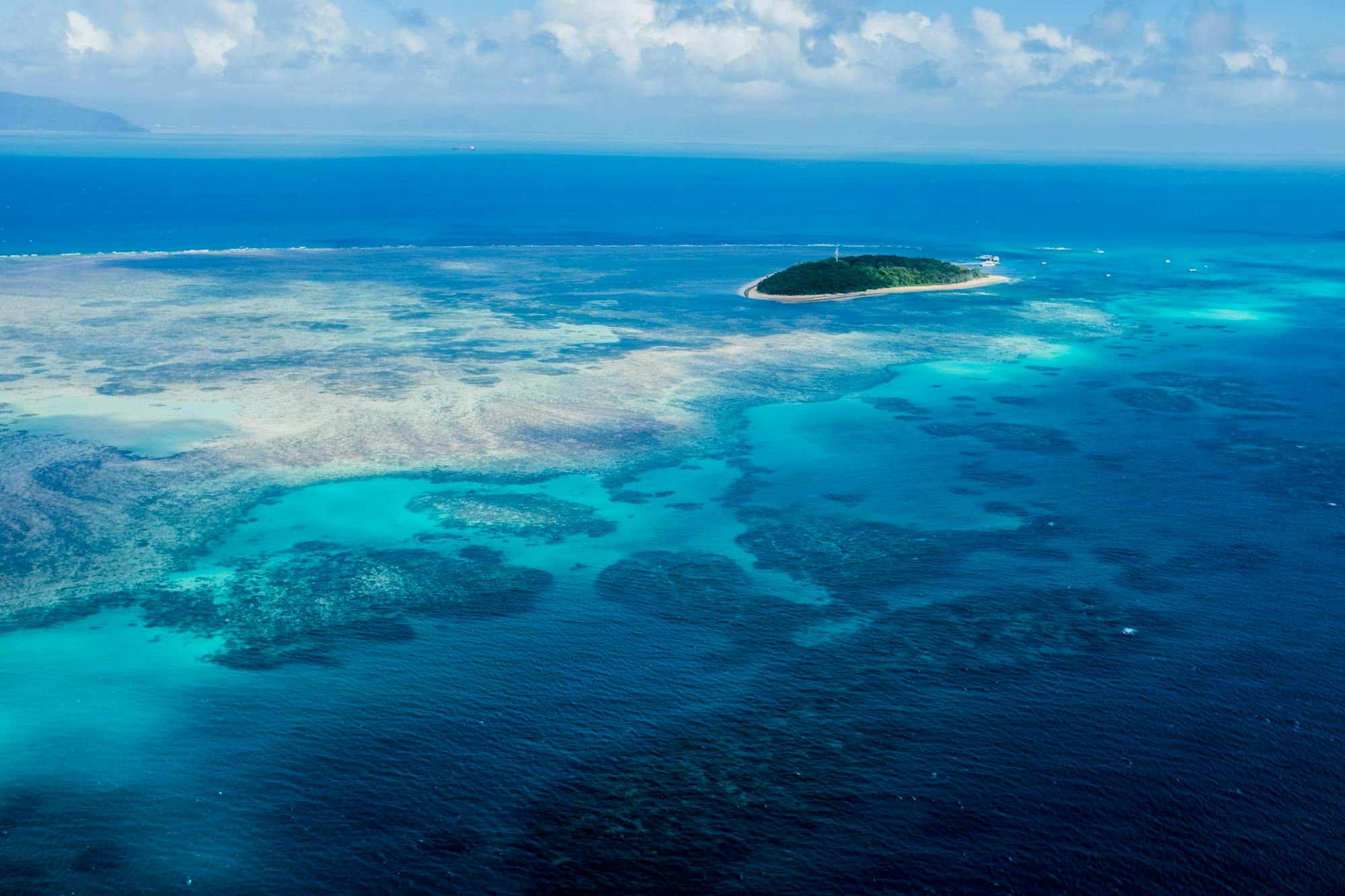
New research published in Science Advances has uncovered a significant chapter in Earth’s history, revealing that the largest expansion of coral reefs in the past 100 million years occurred approximately 20 to 10 million years ago. This period saw the growth of an extensive reef system between Australia and Southeast Asia, which likely laid the groundwork for the remarkable diversity of marine life we observe today.
Coral reefs are among the most diverse ecosystems on Earth. Despite covering less than 1% of the oceans, they support about a quarter of all marine species. However, scientists have long sought to understand how such biodiversity emerged. The question remains: where did it begin, and what factors contributed to its development?
This new study identifies a pivotal moment in Earth’s history when reefs didn’t just grow but expanded on an unprecedented scale. This expansion may have created the ecological space necessary for modern coral reef life to thrive.
An Enduring Mystery
Biodiversity refers to the variety of life in a given area. On coral reefs, this diversity is staggering, with thousands of species of fish, corals, and other organisms coexisting in tightly packed ecosystems. Despite decades of research, the origins of this richness have remained an enduring mystery.
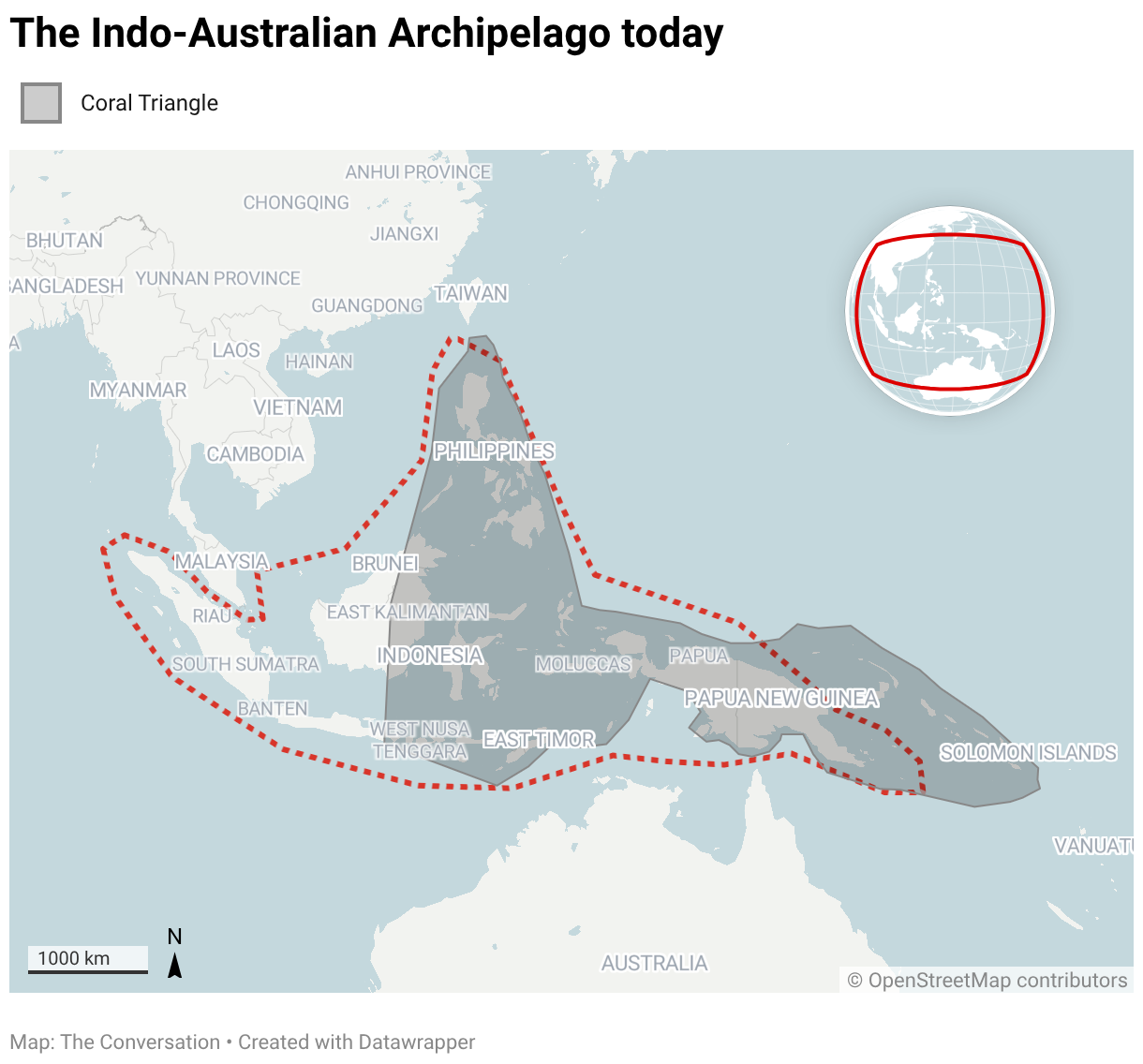
The study reveals that changes in environmental, biological, and tectonic conditions around 20 million years ago promoted the dramatic expansion of coral reefs across a region stretching between Australia and Southeast Asia. Today, this area is known as the Indo-Australian Archipelago, recognized as a global hotspot of marine biodiversity, particularly in the Coral Triangle.
The expansion of reefs in this area coincided with the emergence of many familiar reef organisms, including plating corals and iconic fish groups like parrotfishes.
Uncovering the Past
To uncover these insights, researchers combined evidence from geological records, fossils, and genetic data. These independent lines of evidence allowed them to pinpoint when and where modern reef biodiversity began to take shape without relying on a single source alone.
The results suggest that reef expansion itself played a crucial role in generating biodiversity. As reefs grew larger, they likely created new habitats and ecological opportunities, allowing species to evolve and diversify.
The ancient network of reefs has been named the Great Indo-Australian Miocene Reef System. The large reefs in this system were mostly built by corals and crustose coralline algae, an essential group of algae for holding together reef structures. These reefs also provided important habitat for fish groups that we see on coral reefs today, such as surgeonfishes and butterflyfishes.
Remnants of an Epic Reef
Surprisingly, the region where this expansion occurred is not where the largest reefs are found today. Instead, reefs off northwestern Australia—such as Ashmore Reef, Scott Reef, and the Rowley Shoals—may be remnants of what was once one of the largest reef systems to have ever existed.
Previous geological work has shown that this ancient west Australian barrier reef rivalled the extent of the present-day Great Barrier Reef. The new findings go further, suggesting individual reefs within this system may have been far larger than any modern reef.
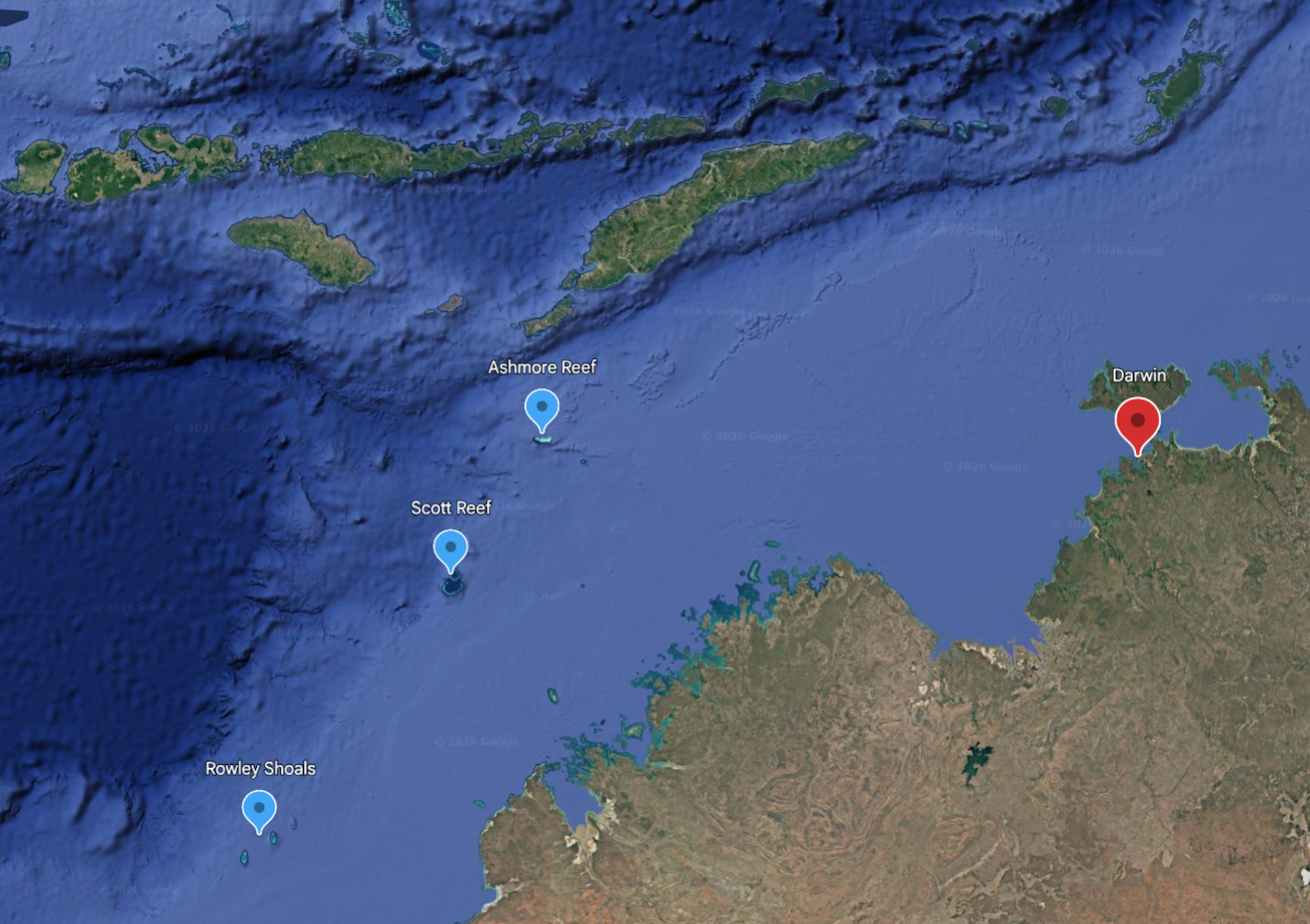
In fact, the roots of modern marine fish and coral biodiversity may lie in this unexpected place off Australia’s west coast. Over millions of years, biodiversity spread and accumulated elsewhere, particularly across the Indo-Pacific Ocean.
However, there are still uncertainties. Reconstructing ecosystems from millions of years ago requires combining incomplete records. Some aspects of reef size and how these ecosystems connected remain difficult to resolve, as the geological record only contains the remnants of entire reef systems.
But the overall pattern is clear. A massive expansion of reefs about 20 million years ago coincided with the rise of modern marine diversity.
Understanding the Present Through the Past
The message is simple: to understand where biodiversity is today, we need to look deep into the past. The richest ecosystems on Earth may owe their origins to places that no longer appear exceptional—hidden chapters of Earth’s history that continue to shape life in our oceans.
Alexandre Siqueira receives funding from the Australian Research Council through a DECRA Fellowship.