Vermont Takes a Bold Step to Ban Paraquat
In a significant move, the state of Vermont has become the first in the United States to ban the use of paraquat, a pesticide that has been associated with serious health risks such as Parkinson’s disease and organ damage. Governor Phil Scott signed the law into effect, which will prohibit the use or sale of paraquat statewide from November 1. This decision marks a pivotal moment in the ongoing debate about the safety of pesticides in agriculture.
Fruit farmers in Vermont can apply for an exemption to continue using paraquat, but they will also need to stop using the pesticide by the end of 2030. The law was signed on Tuesday, with Scott emphasizing its importance: “Today, I signed H.739, which phases out the use of the harmful herbicide paraquat over the coming years. I … hope this can serve as a model for other states to follow.”
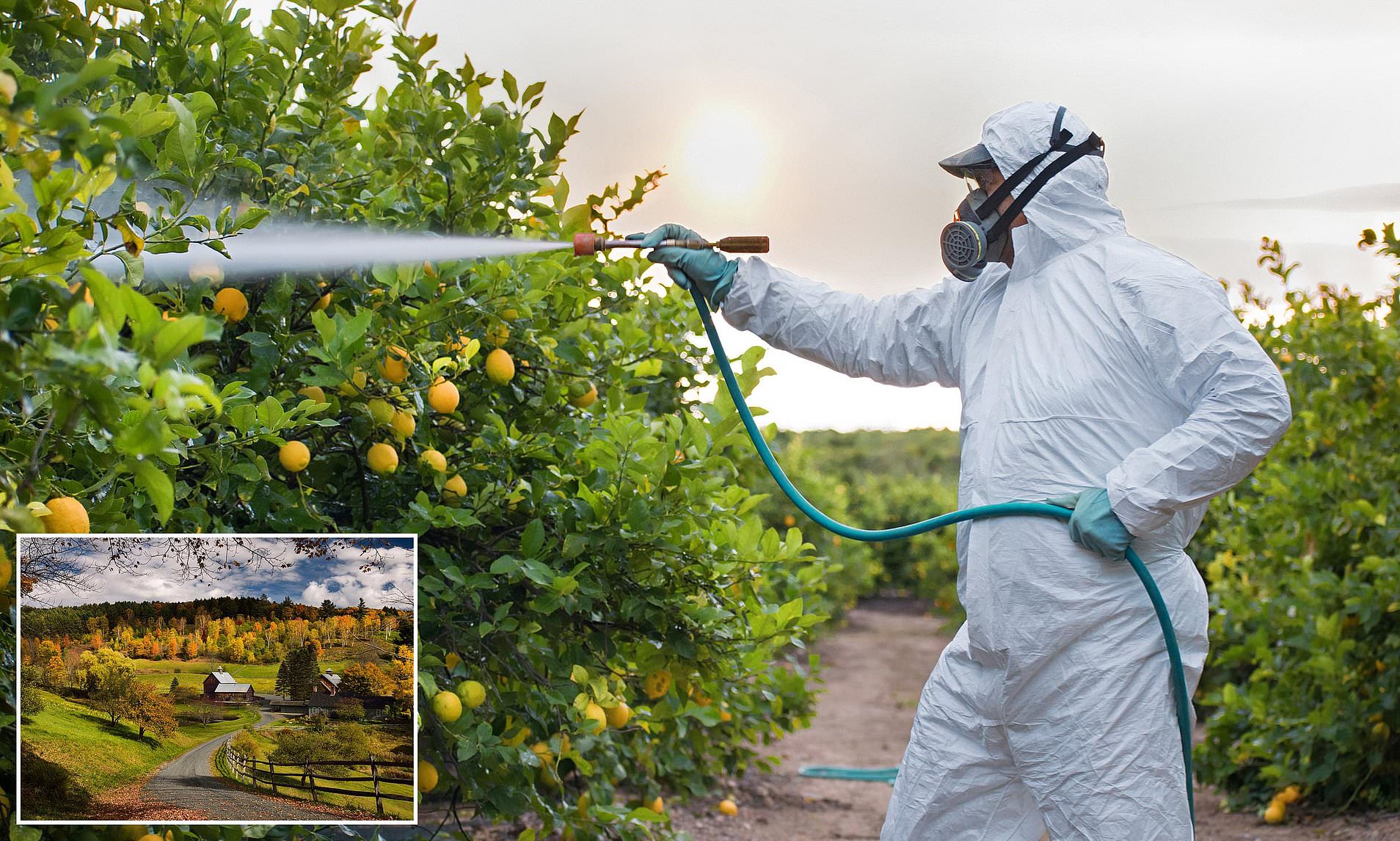
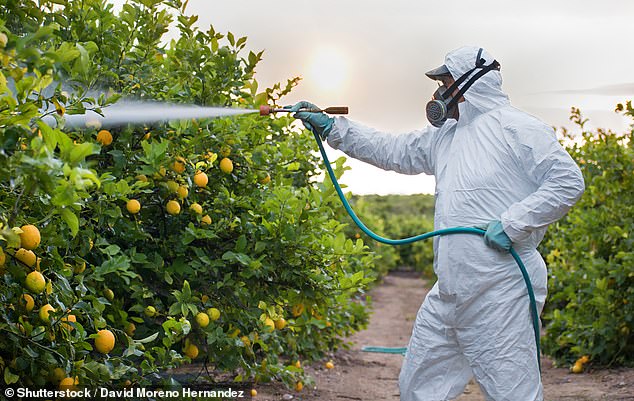
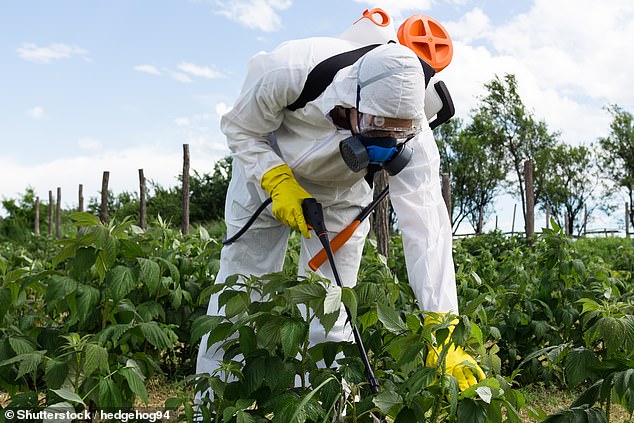
Paraquat is widely used in the US as a pesticide to kill weeds and grasses, applied to a wide variety of crops, including grapes, soy, peanuts, and pistachios. Despite strict regulations on its use in the US, experts have raised concerns about the impact of long-term exposure to paraquat among farmworkers and people living near treated farms. There are also concerns about the effects of repeated exposure to trace residues on store-bought food, although this risk is considered less significant.
Health Risks and Scientific Evidence
Numerous studies have linked paraquat to a higher risk of developing Parkinson’s disease, a neurodegenerative condition that gradually robs sufferers of their lives, organ failure, and cancers, including non-Hodgkin lymphoma and childhood leukemia. Although banned in 70 countries and in Europe since 2007, paraquat remains one of the most widely used pesticides in the US.
Dan Feehan, chief policy expert for the Michael J. Fox Foundation, stated, “The evidence linking paraquat exposure to increased Parkinson’s risk is strong and has been building for decades.” He added that other states should follow Vermont’s lead, and the federal government has an obligation to protect all Americans with a national paraquat ban.
Under the new law, the use or sale of paraquat will be banned across Vermont at the start of November. Farmers who tend fruit-producing tree orchards, berries, and ‘small fruit’ crops can apply for an exemption, which will be in place until the end of 2030. However, they must demonstrate that no other pesticide would be effective to address weed growth typically treated with paraquat and show they had taken measures to prevent the pesticide from spreading from their property.
Industry Response and Public Concerns
The bill also calls for annual data to be reported on the use of paraquat in the state and a state-funded study to recommend alternatives for farmers. Some lawmakers have expressed concerns that the ban could harm the competitiveness of Vermont farmers. However, others argue that a ban is necessary as scientific research has already established a potential link to diseases, and the risks of continuing to use the pesticide now outweigh the benefits.
State Representative Michelle Bos-Lun said in a House committee hearing on the bill, “There are so many factors that are pointing to the correlation… between paraquat use and Parkinson’s. We have to do something to phase this out. Our job is to support farmers and to support all Vermonters. My belief is that paraquat is causing harm to both.”
Ongoing Research and Legal Actions
Paraquat has been in use in the US since 1964, with about 11 to 17 million pounds of the pesticide sprayed nationwide annually. Concerns about its health effects have continued to mount since the 1980s, when studies first emerged raising concerns about its use. According to the Michael J. Fox Foundation, farm workers who apply paraquat to weeds in crop fields and orchards are more than twice as likely to develop Parkinson’s than those who do not.
A study published earlier this month warned that because fruits, vegetables, and whole grains are often treated with toxic pesticides, including paraquat, people who eat more of these foods may raise the risk of suffering from lung cancer. Experts say paraquat raises Parkinson’s risk because it can trigger inflammation in the brain and damage neurons. It can also damage the DNA in cells, raising the risk that they may turn cancerous or start to divide uncontrollably.
Thousands of people in the US have sued Syngenta, which makes Gramoxone, the brand name for paraquat, over the potential health risks. Those cases are now part of a multi-district litigation in the Southern District of Illinois. Syngenta said in March that it would stop making its pesticide by the end of June, but added that it was safe to use.

Consumer Safety and Recommendations
The EPA announced in January that it would reassess the safety of paraquat, adding that manufacturers were being required to thoroughly prove that it was safe. The agency’s administrator, Lee Zeldin, said at the time, “The Trump EPA has made the important, proactive decision to freshly reassess the safety of paraquat. When new science raises questions, the Trump EPA will not look the other way. We will demand the best and most accurate data, and we are prepared to act on what that data shows.”
Experts advise people to wash their fresh fruit and vegetables thoroughly with water before consumption to remove pesticides, including paraquat. They say there is no need to use anything other than water, as there is limited evidence that soaps or special rinses remove these residues. While this improves fruit and veg, they warn that it will not remove all of the pesticide that may be present.