Voluntary Administration and the Struggles of a Major Retail Chain
One of Australia’s largest sports retail chains, Stateside Sport, has voluntarily entered administration. This move is seen as an attempt to rescue the company from its current financial challenges.
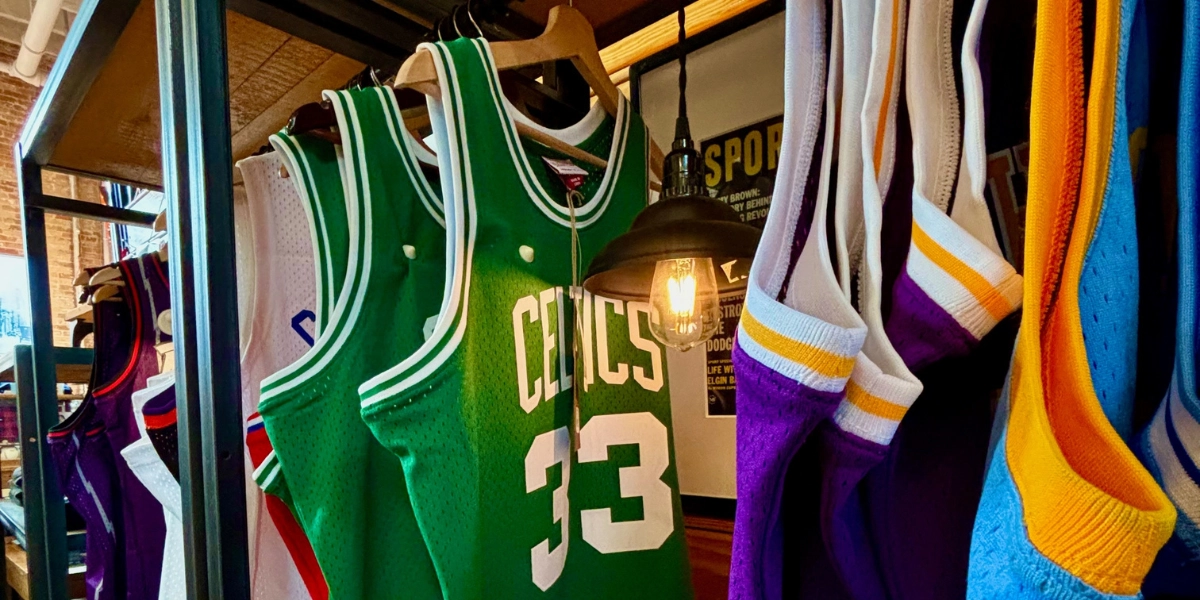
Antony Resnick and Henry Kwok from advisory firm DVT McLeods were appointed as administrators on May 22. They are currently reviewing the company’s 31 stores following several financial difficulties. The company was founded in 2017 and is particularly well known among younger consumers for selling NBA jerseys and NFL merchandise.
Uncertain Future
The newly appointed administrators have pointed to rising costs, lower consumer spending, and tougher competition as the reasons behind the company’s declining financial situation.
Despite these challenges, daily operations in stores and online will continue. “While we will be focusing on changes in its operations and retail footprint as a matter of urgency, for now it is business as usual and products will continue to be sold in-store and online,” administrator Antony Resnick said.
However, the long-term survival of the stores remains unclear. The situation highlights the broader struggles faced by many businesses in the current economic climate.
Pressure on the Retail Sector
The recovery plan over the coming period will therefore be crucial to the chain’s future. Stateside Sport is not alone in feeling pressure within the retail industry. According to various reports, several major retail chains have struggled in recent years with rising costs, lower consumer spending, and changing consumer habits.
The sports and fashion industries are among the sectors where consumers are quickest to cut back on purchases. Chains such as Party City, Big Lots, and Forever 21 have either closed stores or filed for bankruptcy protection as a result of the economic downturn.
Key Challenges Facing Retailers
Some of the key challenges facing retailers today include:
- Rising operational costs: Increased expenses related to rent, utilities, and supply chain disruptions have put significant pressure on businesses.
- Changing consumer behavior: Shoppers are becoming more cautious with their spending, especially in uncertain economic times.
- Intense competition: The rise of e-commerce and the presence of large retail giants have made it harder for smaller chains to compete.
These factors have led to a difficult environment for many retail businesses, forcing them to re-evaluate their strategies and operations.
Industry-Wide Impacts
The struggles of Stateside Sport reflect a broader trend in the retail sector. Many companies are facing similar issues, leading to store closures, bankruptcies, and restructuring efforts.
In addition to the challenges mentioned above, other factors such as inflation and shifting market demands are also playing a role. Retailers must adapt quickly to stay relevant and competitive in this evolving landscape.
Looking Ahead
As the administrators work to develop a recovery plan, the focus will be on stabilizing the company and ensuring its long-term viability. This will require careful planning, strategic decisions, and a deep understanding of the current market conditions.
For now, customers can continue to shop at Stateside Sport both in-store and online. However, the coming months will be critical in determining the future of the company and its 31 stores.
Conclusion
The situation at Stateside Sport underscores the challenges faced by many businesses in the current economic climate. As the retail sector continues to evolve, companies must remain agile and responsive to changing conditions. The path forward may be uncertain, but with the right strategies and support, there is still hope for recovery and growth.