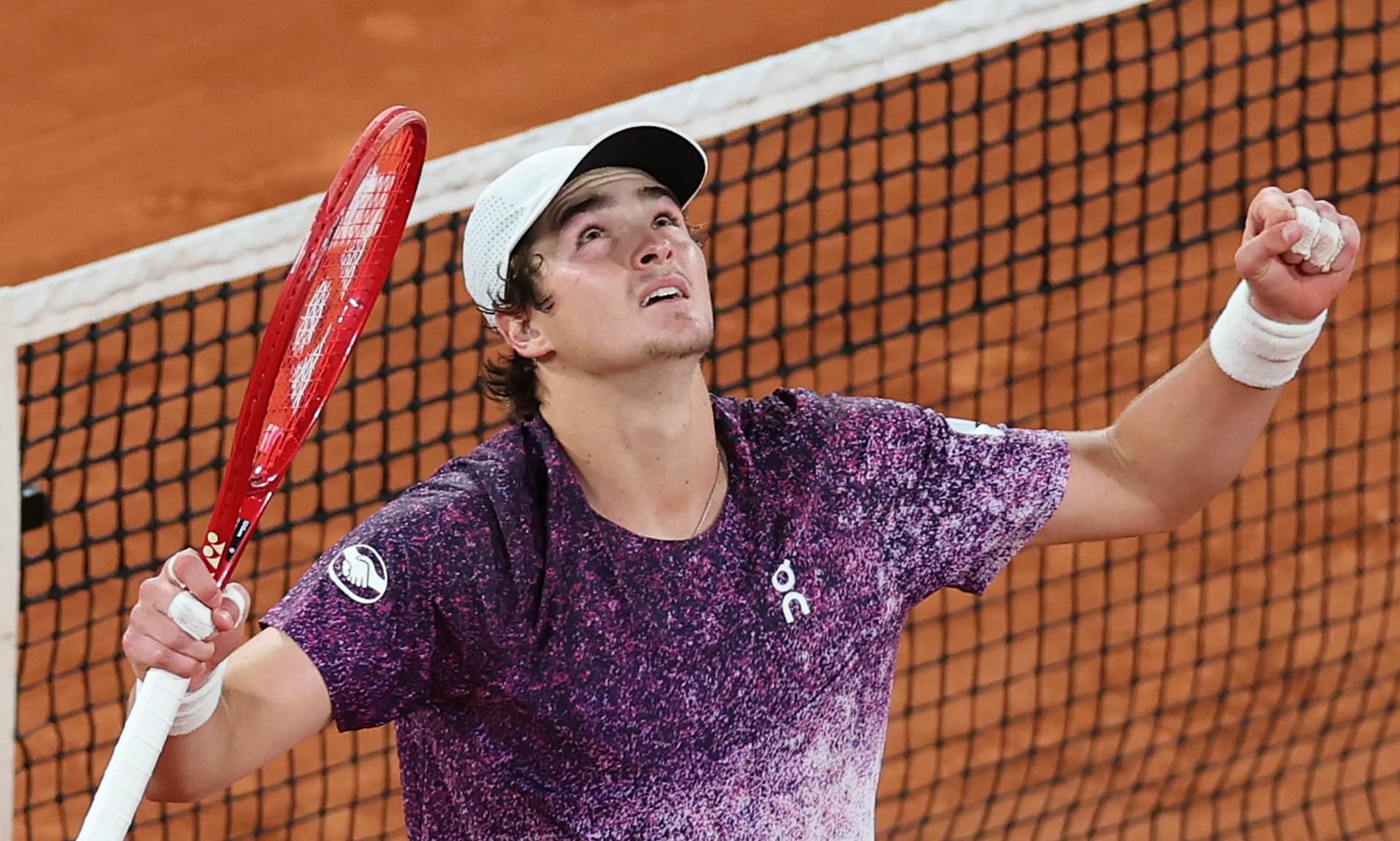
The Rise of Joao Fonseca and the Phenomenon of Fonsequismo
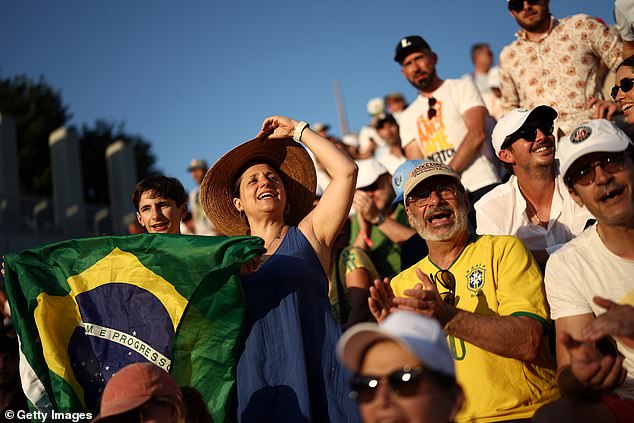
There is a unique energy that surrounds Joao Fonseca at the French Open, often referred to as “Fonsequismo.” This term has become synonymous with the fervor and devotion of his fans, who are spread across Roland Garros. They describe it as a state of mind or a way of life, one that is felt, heard, and seen throughout the tournament.
The presence of Fonseca Mania is undeniable. It’s not just the sea of yellow shirts or the handheld fans in Brazil’s colors that mark the occasion; it’s the constant chanting of his name whenever he steps onto the court. This phenomenon has taken over the French Open again, and it’s expected to spread to Wimbledon next month. Even during his first Grand Slam appearance in Melbourne last year, fans lined up for hours just to catch a glimpse of him.
Fonseca has always been the next great hope for Brazil, a country that hasn’t produced a Grand Slam champion since Gustavo ‘Guga’ Kuerten over 20 years ago. However, his recent performances have shown that this expectation is well-founded.
A Teenage Sensation
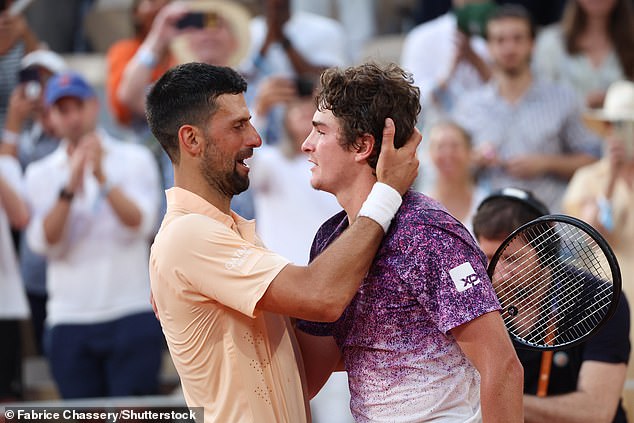
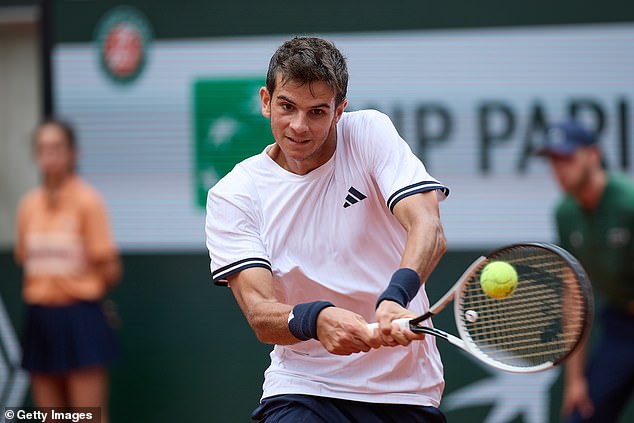
At just 19 years old, Fonseca has already made history by becoming the first teenager to beat Novak Djokovic at a Grand Slam. He also became only the second man to come from two sets down to defeat the Serbian legend. Following that, he went on to defeat Casper Ruud, a three-time Grand Slam finalist, in four sets. His performance has earned him a prestigious night match on Philippe Chatrier against Jakub Mensik, highlighting the draw of this special young talent.
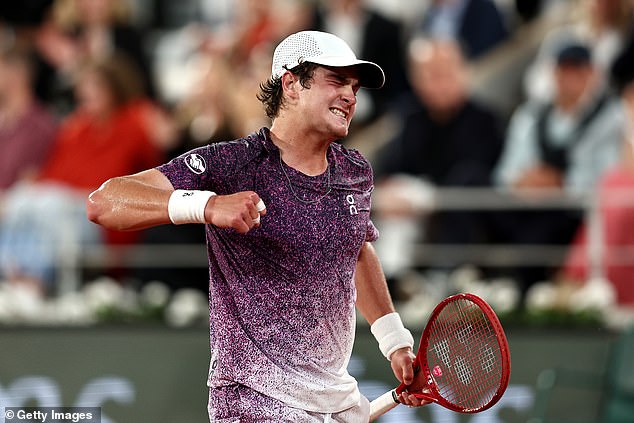
Fonseca’s forehand is a standout feature of his game, often described as sounding like a gunshot. Watching him hit that shot alone is worth the entrance fee. “Everyone has their own personality and their own shots, their own strength,” says Fonseca. “I think my strength is power, going for the shots, playing aggressive. Since I was young I was playing like this. Of course not with that consistency, but I always went for the shots. I love hitting winners. I always try to be me on court.”
A Well-Rounded Game
While his thunderous forehand is the weapon that catches the eye, it’s his all-rounded game that has brought him to the verge of breaking into the world’s top 20. He has shown remarkable improvement over the past year, demonstrating a level of maturity and skill that belies his age.
Fonseca’s ability to drag Djokovic around the court with drop shots and his backhand down the line to open up the court for his forehand is impressive. At Indian Wells in March, he took Jannik Sinner to two tie-breaks, an achievement that few, let alone 19-year-olds, can accomplish.
Mats Wilander, who won his first of seven Slam titles here aged 17, comments: “His backhand is so good, so solid. And then he serves much better now and he makes a lot of decisions about coming to the net, hitting drop shots. You think of him as more of a baseline player, just hitting backhands and waiting for the forehand but he’s actually more than that which is unbelievable. For that age, it’s unbelievable. He’s the full package.”
From Football to Tennis
Fonseca’s first love was football, where he would play on Copacabana beach. “Every Brazilian has dreams of becoming a soccer player,” he said. In another life, he could be on his way to the United States as part of Carlo Ancelotti’s squad of the World Cup. However, his path has led him to tennis, where he stands a better chance of victory.
He spent his early days climbing and surfing with his dad, which helped build his strength and balance on the court. Fonseca is the first Brazilian to reach the quarter-finals here since Kuerten, who watched on from the stands of Philippe Chatrier on Sunday night.
A New Era for Brazilian Tennis
Fonseca also stands alongside Rafael Jodar, who faces Alexander Zverev on Tuesday, as one of two teenage stars to have made the quarter-final. This is only the fifth pair of teens to reach this stage of a Grand Slam in the last 40 years. Neither of them shows any signs of nerves, even if both have had to come through two five-setters.
“They don’t feel any pressure,” adds Wilander. “I didn’t. They’re teenagers, they don’t suffer, they don’t have consequences. They don’t put pressure on themselves, they don’t feel the pressure from the outside. None of them have the fear because they haven’t experienced the other side of the coin yet. There is need to worry about the consequences. It doesn’t matter for one second if he wins or loses.”
For Fonseca, it might be a little different. Jodar usually has Alcaraz to carry the expectation of his nation. Fonseca doesn’t. His entire country is all in on him.
“I think it can be easier in some aspects if you’re not dwelling too much on it but I think there’s also a lot of pressure for some of these young guys, because there are expectations,” said Michael Chang, another teenage Grand Slam champion here in 1989 aged 17. “That doesn’t necessarily give them the freedom to go out there and play.”