
England’s Stance on Pink Balls in Test Cricket
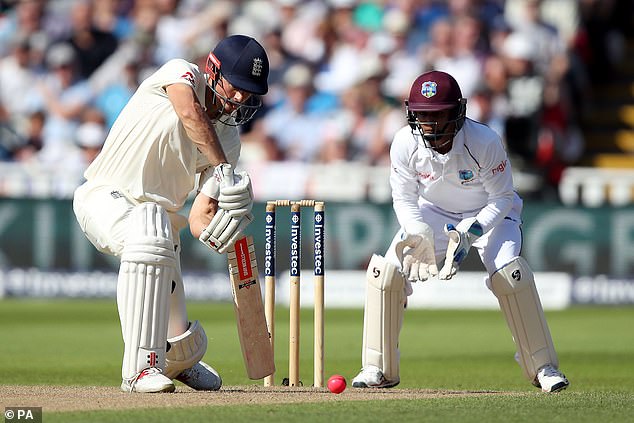
England has made it clear that they have no plans to use pink balls in Test cricket this summer, despite the International Cricket Council (ICC) promoting a trial to reduce time lost due to bad light. The decision reflects a reluctance among English officials to switch from red balls to pink ones when visibility becomes an issue.
The ICC recently announced a new pilot program for pink balls in Test matches, but there is still no set date for its introduction. This is because the use of pink balls has not yet been written into the official playing conditions, meaning it will not be an option for the upcoming match between England and New Zealand at Lord’s, which starts on Thursday.
According to insiders, the timing of this series is too early for any such changes to take place. All full member countries must agree to any amendments, including the conditions under which pink balls would be used and the framework for switching between them.
Using pink balls under floodlights would temporarily transform a traditional Test match into a day-night affair, maximizing playing time when match officials decide it is unsuitable to continue with a red ball. However, this would only be possible if both teams agree before the start of a match. England has not embraced floodlit Test cricket, having played just one on home soil—against the West Indies nine years ago.
As reported earlier this year by Daily Mail Sport, the England and Wales Cricket Board (ECB) is firmly against hosting an Ashes Test under lights in 2029-30. While Cricket Australia has chosen to host next year’s 150th anniversary Test at the Melbourne Cricket Ground (MCG) as a day-night contest, the decision to do so for such a prestigious occasion has drawn criticism from both English and Australian fans.
Meanwhile, New Zealand, as the first tourists of this international summer, are waiting for further details on a potential timeframe for the use of pink balls. England’s second three-match Test series of 2026, against Pakistan, is scheduled to run from August 19 to September 13.


Key Points About the Pink Ball Trial
- The ICC has introduced a trial for pink balls in Test cricket to address issues related to bad light.
- England has not shown interest in using pink balls this summer, citing concerns over tradition and practicality.
- The use of pink balls requires agreement from both teams and is not yet part of the official playing conditions.
- England has only played one floodlit Test match at home, against the West Indies in 2014.
- The ECB opposes the idea of hosting an Ashes Test under lights in 2029-30.
- Cricket Australia’s decision to host a day-night Test at the MCG has faced backlash from some fans.
- New Zealand is awaiting more information about the potential use of pink balls in their upcoming series against England.
Future Implications
The debate around the use of pink balls in Test cricket highlights the ongoing tension between innovation and tradition in the sport. While the ICC aims to modernize the game and make it more accessible to global audiences, many stakeholders remain cautious about altering the core elements of Test cricket.
The success of the pink ball trial will depend on several factors, including player and fan acceptance, the effectiveness of the balls in different lighting conditions, and the overall impact on the pace and flow of the game. As the ICC continues to explore ways to enhance the spectator experience, the question remains whether the traditional red ball can coexist with these new developments.
For now, England seems content to stick with the familiar, leaving the future of pink balls in the hands of the ICC and other cricketing nations. Whether or not the trial leads to widespread adoption will likely depend on how well it is received in practice and the willingness of governing bodies to embrace change.