Key Findings of the 2024 Report
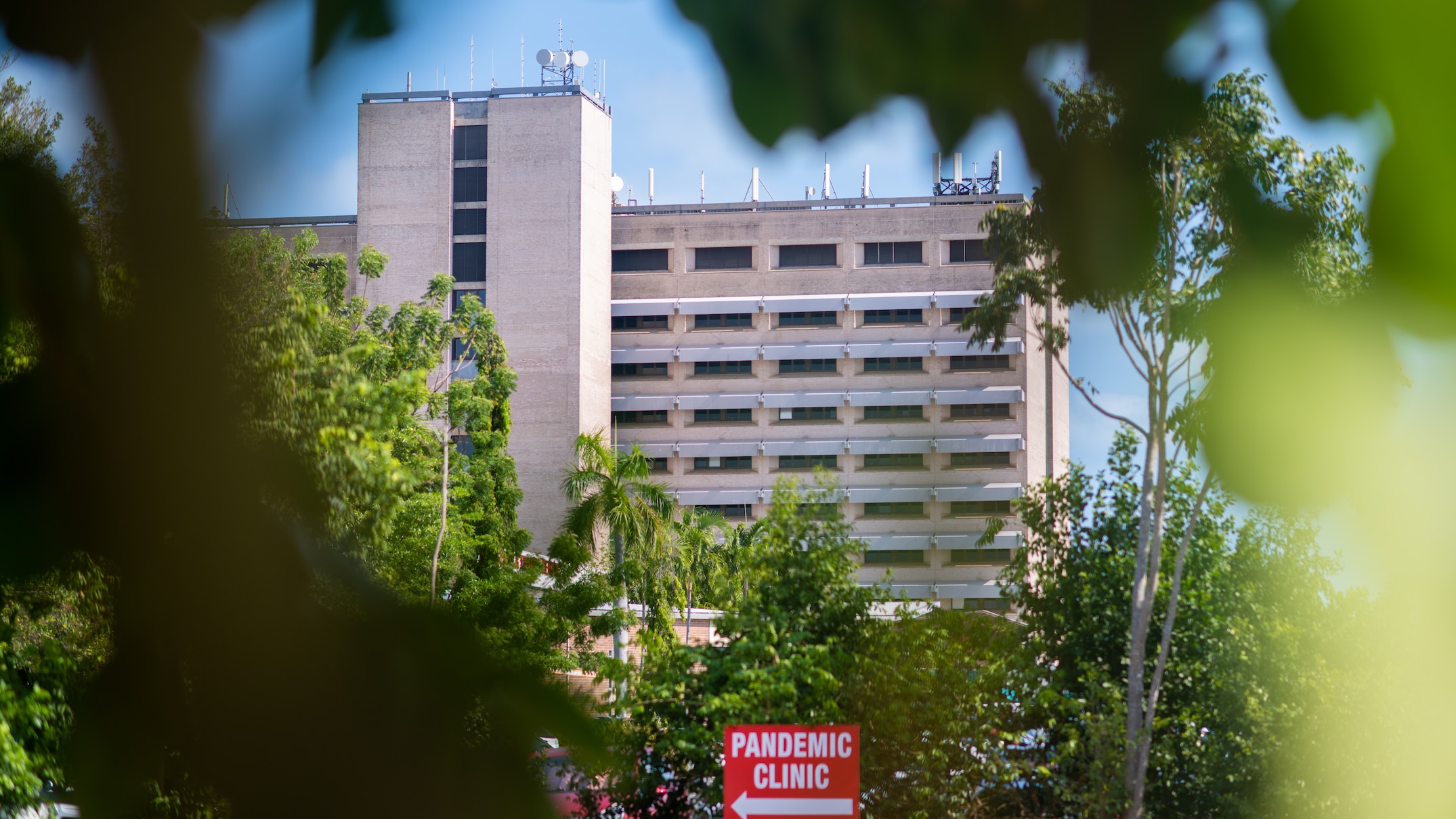
A “damning” report has revealed that the Northern Territory’s only youth mental health inpatient facility was unable to meet 16 national safety standards, creating an “unmanageable” risk for both patients and staff. The 2024 report, obtained by the ABC under Freedom of Information (FOI) laws, was commissioned by NT Health after five major critical incidents occurred in the Youth Inpatient Program (YIP) at Royal Darwin Hospital.
The report, marked as “urgent,” stated: “Risks to staff and patient safety has become unmanageable and the physical environment is so significantly damaged that it is not appropriate or therapeutically beneficial.” Two years after the report’s release, advocates say no recommendations have been implemented at the facility, which serves acute mental health patients under 18, mostly dealing with suicidality and psychosis.
Expert Criticism and Concerns
World-renowned youth mental health expert Professor Patrick McGorry described resourcing for youth mental health as “pathetic” and highlighted this issue across Australia. He emphasized that many state governments are failing to meet their responsibilities to young people.
“This is the scandal in every part of Australia, that young patients, teenagers, are being treated in facilities designed for middle-aged adults with chronic mental illness. The experience is traumatic, it’s harmful and it fails to actually meet their needs.”
Staffing Shortages and Increased Demand
When YIP opened in 2016, NT Health expected to admit around 50 patients a year, but in 2023, 95 children were admitted to the eight-bed ward. Despite the increase in patients, the report found that clinical staff numbers had decreased over the first eight years of operation, including youth workers, psychologists, and occupational therapists. There had also been a reduction in the minimum number of nurses per shift.
“Not surprisingly, it’s been overwhelmed by the huge demand for mental health care for young people, which has gone up by 50 per cent in the last 15 years,” Professor McGorry said. “You need the full range of acute services to manage this problem — you need enough beds, you need enough resources to do it properly, otherwise the whole thing just implodes.”
The report found there were no allied health staff or specially trained nurses within YIP and recommended that these positions be reinstated.
Shocking Conditions and Safety Risks
Health Services Union NT/SA branch secretary Billy Elrick described the report as one of the most shocking things he had ever seen. “This is a damning report — my first reaction was shock and horror that this has been the true state of affairs in mental health for our youth for such a long time.”
He added, “This report has confirmed what we’ve known for a long time, that NT Health has been periodically reducing and removing allied health positions from its mental health workforce, particularly in its youth inpatient program. Allied health is an essential part of mental health service … if you don’t have allied health as part of your service, then you’re not adequately preparing for or treating mental illness that is present in the community.”
Facility Not Fit for Purpose
The report found the facility did not meet safety standards and recommended NT Health invest in a major upgrade of the current facility or build a new one. Much of the report regarding a Workplace Health and Safety walk-through was redacted in the ABC’s FOI documents, but the report did state that bolt locks over doors intended for patient safety posed “serious fire safety risks” which could lead to “catastrophic consequences.”
It also highlighted insecure entrances and exits, too many “blind spots,” the lack of a quiet room and seclusion spaces, and other design flaws that could generate psychosocial hazards, including increased anxiety among patients and staff.
In a statement, NT Health said the facility had since been upgraded but did not state to what extent or the funding commitment to this. “The youth inpatient facility has had upgrades to enhance patient care and experience, including the installation of viewing panels in bedroom doors and windows, which enable clinical observation without disturbance,” a spokesperson said. “As part of NT Health’s safety assessment recommendations, an airlock was added in the facility in 2024.”
NT Health declined an interview request and was also contacted with further specific questions in regards to progress since the report. They did not respond to questions by deadline.
Lack of Youth-Focused Facilities
Jeswynn Yogaratnam, lead of the community visitor program that advocates for patients within YIP, said a new adult mental health ward set to open later this year did not include a youth facility. “We understand there is no intention to incorporate the YIP into the new mental health build that is currently under construction,” he said. “That’s quite unfortunate, because that would have been a good built environment space for the purposes of YIP if there was resourcing for that space.”
Housing Instead of Healing
Geoff Radford, chief executive of the NT Mental Health Coalition, said the report’s findings show the facility is “providing housing” for young people with acute mental health needs. “It’s not a therapeutic space and it’s difficult to provide therapeutic support when their rights have been taken away,” he said.
With mental health funding reduced in this year’s budget, Mr Radford said the government has created a separate “road map” to improve mental health services. “It’s quite a comprehensive document — it brings in all the latest evidence and reports,” he said. “What we haven’t seen though, is an implementation of those reports.”