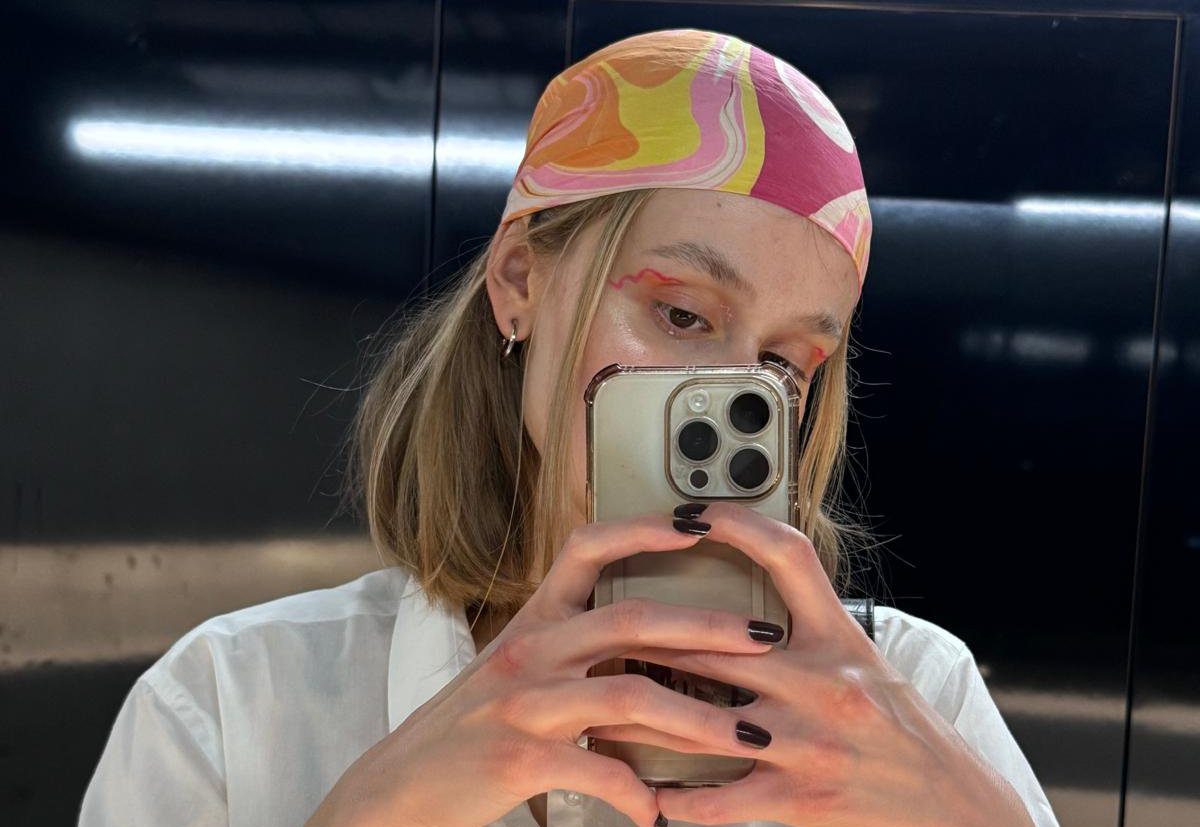
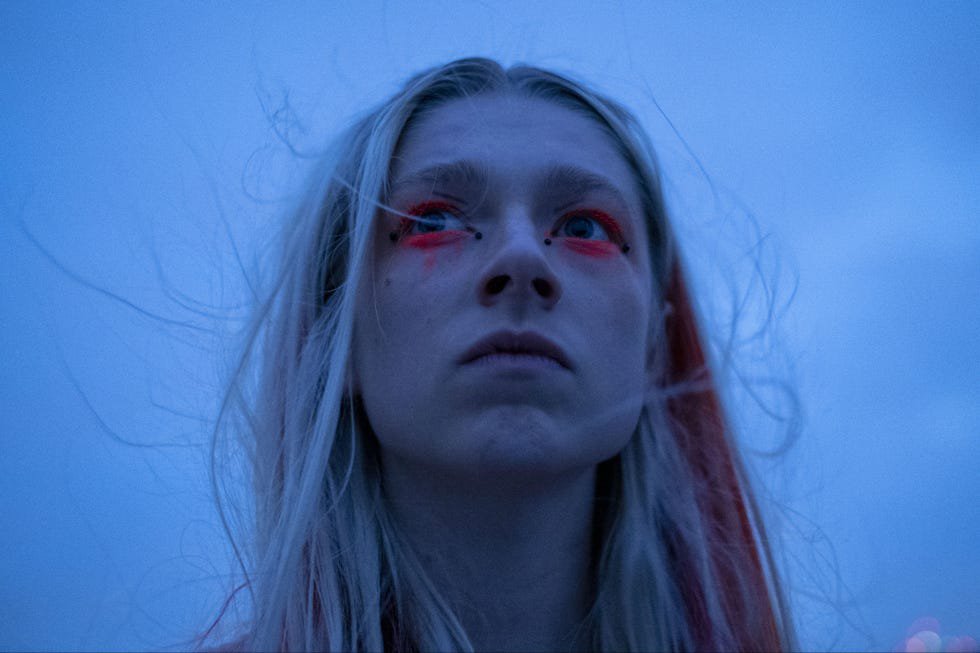
The first time I saw Jules in the HBO series Euphoria, everything changed for me. The show concluded last week after three seasons, and it left a lasting impression on my life. Played by trans icon Hunter Schafer, Jules’ portrayal of femininity as a queer woman was captivating. She seemed to be free from societal expectations and unapologetically herself.
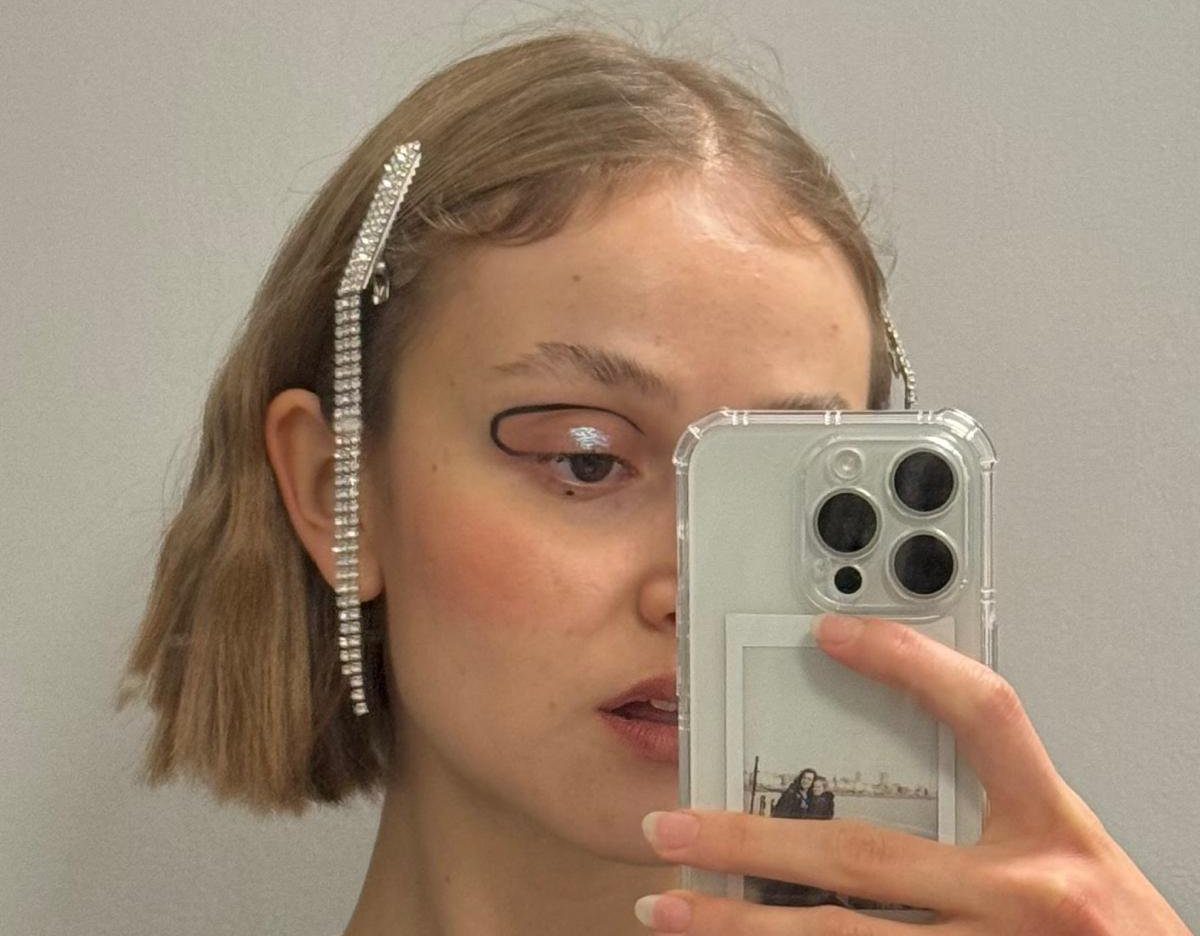
At the age of 20, I fell in love with the bold makeup looks she showcased as she walked through the halls of an American high school with a furry backpack and mesh tops. Amidst the intense drama about relationships and addictions, Jules’ vibrant eye makeup stood out as something completely new to me.
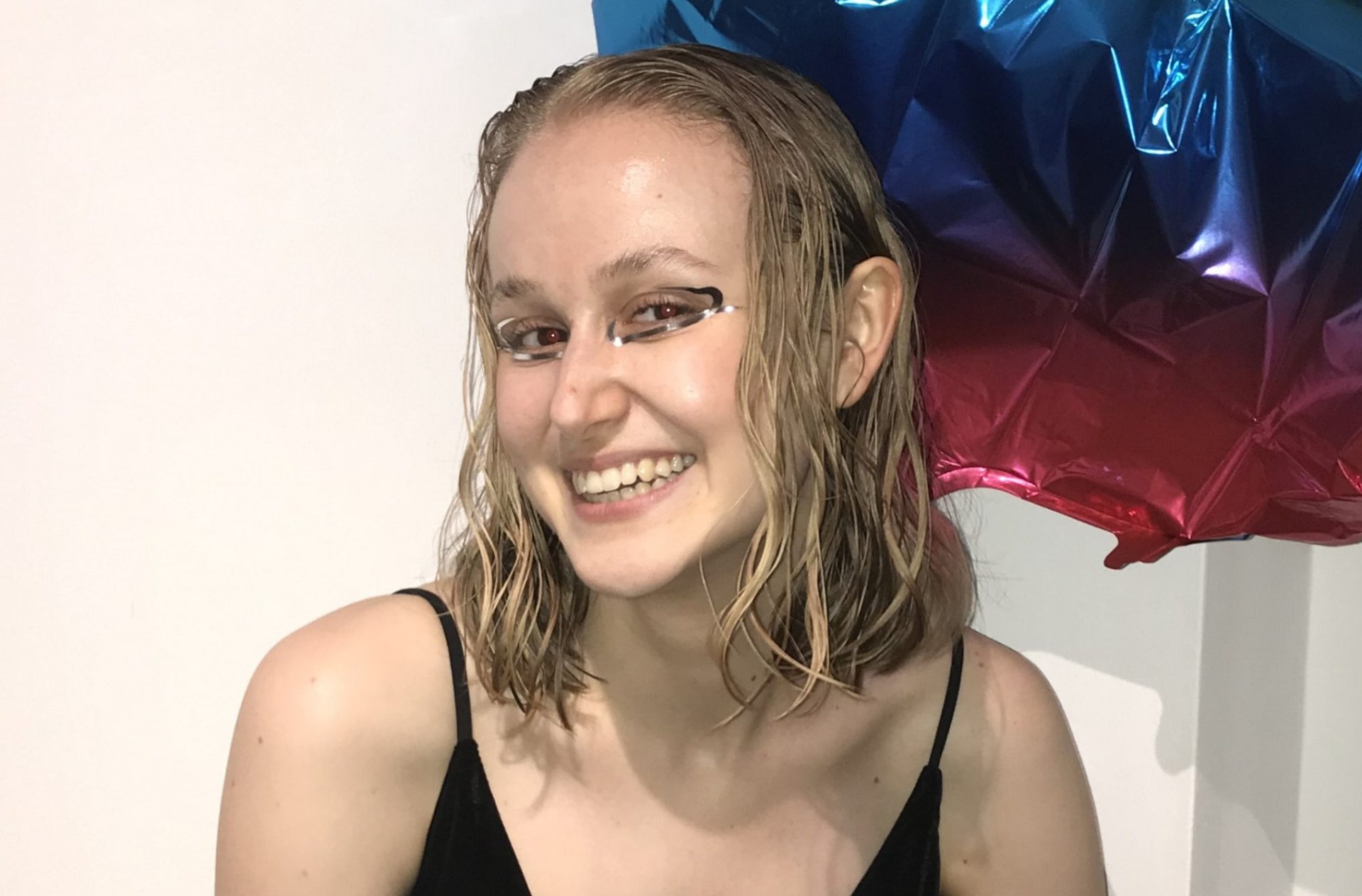
From white clouds that perfectly hugged her eyes to electric yellow eyeshadow accentuated by white eyeliner, I became obsessed with her style. These looks and her confidence inspired me to express my own identity as a creative queer woman. That’s when I picked up my brushes again.
My fascination with makeup began in 2006 when I watched my mother get ready for parties at the age of seven. I remember sitting on the bathroom floor, watching her every move closely. Each brushstroke and dab of eyeshadow pulled me deeper into a magical universe of colors and shimmer. I was enchanted by her beauty and couldn’t wait to have my own collection of palettes and lipsticks.
For the next three years, there were special occasions when my mother allowed me to wear one of her lighter lipsticks or eyeshadows. But it wasn’t until I turned 11 that she let me start my own collection. My first purchases were a sparkly pink lipstick, black mascara, and a small eyeshadow palette. This was the first time I felt like the artist and the rules were mine to break.
However, this playful exploration didn’t last long, and it soon turned into an unhealthy obsession. I started waking up 10 minutes earlier each morning just to apply my mascara, until a friend told me I needed to do something about my eyebrows because they were “too pale.” From then on, armed with a brand new eyebrow pencil, I was glued to the mirror, mastering symmetry.
By the time I was 16, what once seemed like an exploration of creativity on the canvas that was my face had become an obsession with covering what I didn’t like, such as my brows, and accentuating what I thought was okay, like my eyes. I was so self-conscious about my eyebrows that I once used a green pencil to fill them in because I ran out of brown and couldn’t face going outside with naked brows.
Of course, everyone at school laughed at me, but it was a wake-up call I needed. I made a promise to myself to stop coloring my eyebrows until I got used to them again. I have since become very fond of my brows and couldn’t be happier with them. But back in 2017, things got even worse before they got better—I turned 18 and started breaking out with acne.
I went through bottles of thick foundations as quickly as toothpaste to hide every red blemish on my face. But that felt better than hearing the endless comments about my acne from the people around me. A year later, I moved to London for university, and for the first time in my life, my new friends didn’t seem to care all that much about wearing makeup on a daily basis, so I stopped.
Comment now
How has makeup played a role in expressing your identity? Share your story below!
Comment Now
I felt completely naked at first, but each day made it feel easier to leave the house without anything on my face. It was like I had been unmasked in front of the world, and that prompted me to dig even deeper, trying to understand who I really am.
Around the same time, at the age of 19, I fell in love for the first time, which answered the long-standing question I had buried deep within me about whether I was queer. Finally, I felt free from the male gaze and societal beauty standards, and was ready to carve out my identity on my own terms.
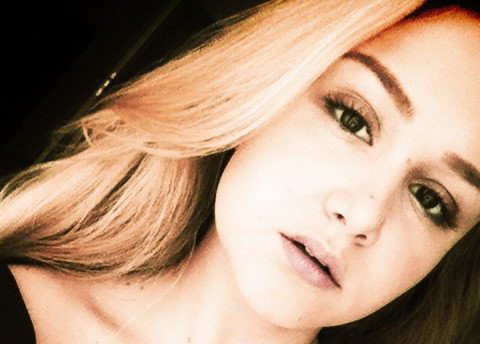
I realised that most of my makeup style was not for my enjoyment, but to meet the expectations of others, like hiding what people assumed to be my imperfections. That following summer, Euphoria came out, and I discovered Jules’ makeup looks. Her unapologetically playful looks evoked that feeling of childhood joy I once had, along with a new hunger for expression.
Like an echo of my 11-year-old self, I quickly stocked back up on colorful eyeshadows and eyeliners. Because I spent so much time in front of the mirror, perfecting my makeup skills as a teenager, I was able to easily craft the new looks I envisioned.
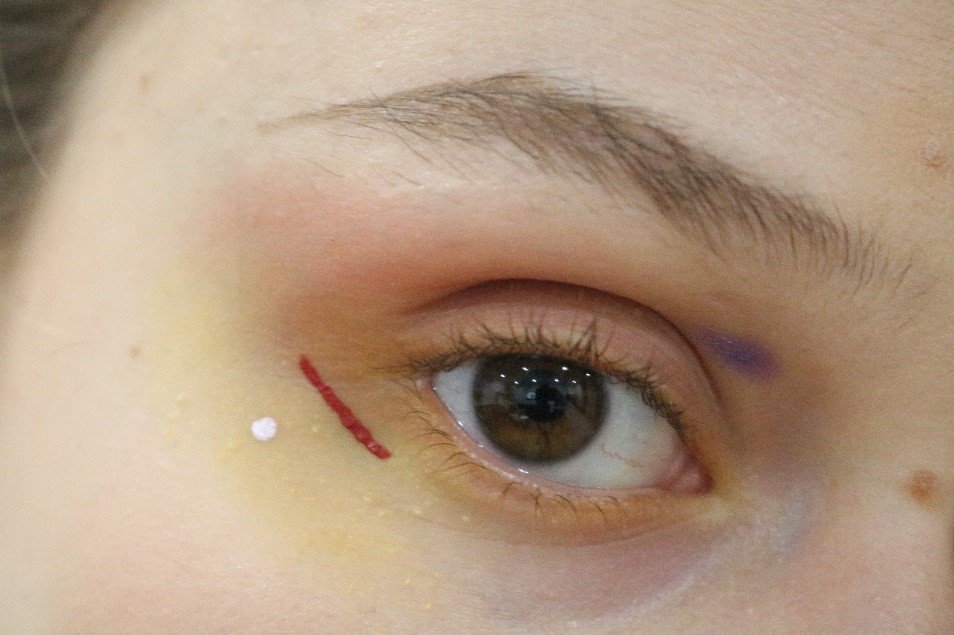
Makeup was suddenly fun again, and a whole new world of possibilities opened up to me. But I don’t think I would have been able to get there without embracing my identity first. I traced my lids with an eyeliner brush, dipped in one of the rainbow colors from my new favorite palette, and it felt like every stroke drew out something from within me.
Once I spotted my reflection smiling back at me, I knew my masterpiece was finished. This time, I couldn’t care less about conventional beauty standards. I felt like I finally allowed who I always was to come to the light, and makeup became a healthy part of that.
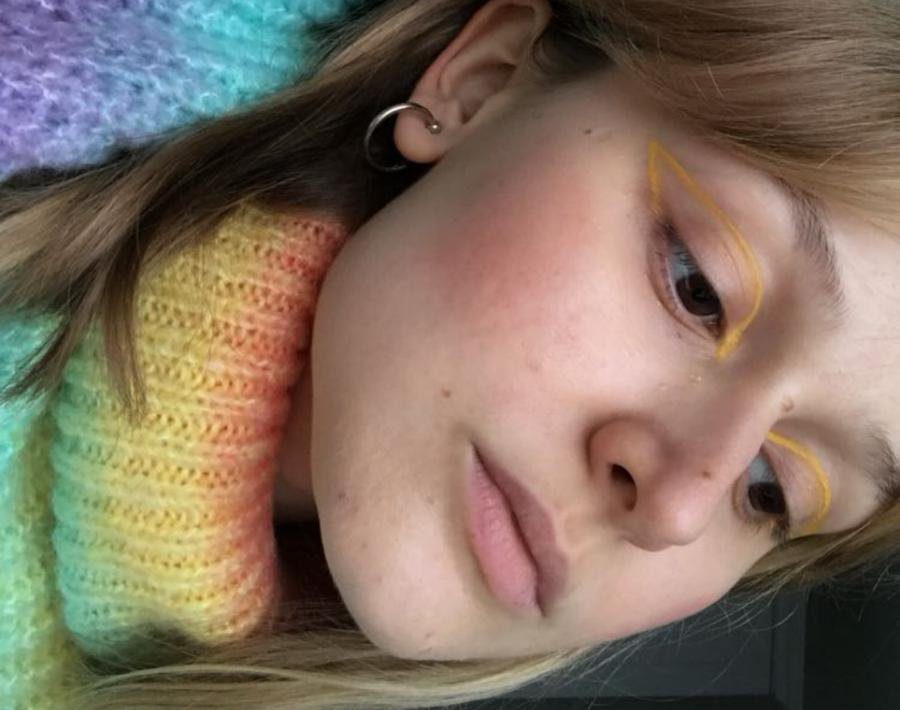
Sometimes people don’t understand my looks, but I’d rather be rejected for who I truly am than a fake version of myself merely created to appeal to the world. Most of the time, people love it and ask me about where I got my makeup from. Most importantly, I feel more like myself than ever before, and experimenting with makeup brings me immense queer joy.
And still, when I don’t feel like it, I don’t wear any at all—it’s all my own choice. From crazy colors to graphic shapes, my looks are an extension of my identity as a queer woman and an artist.
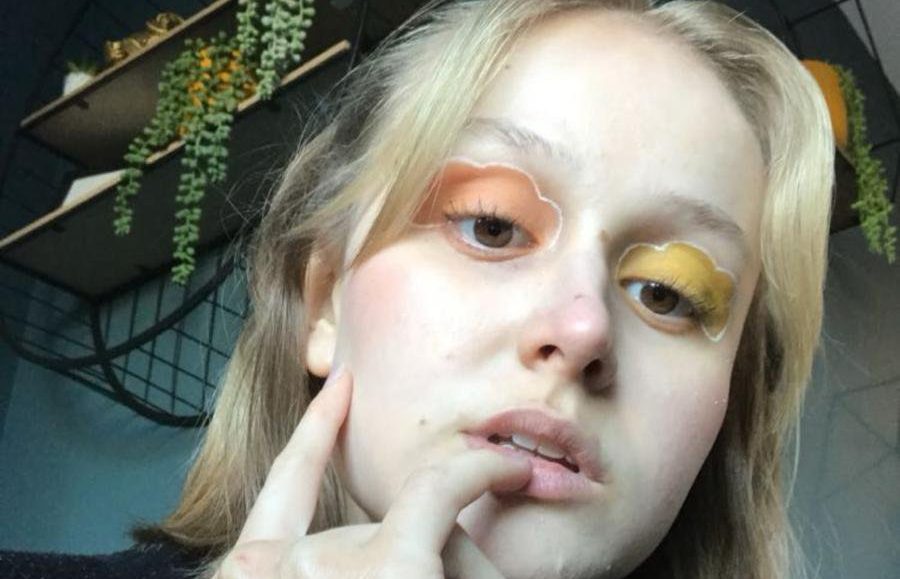
Some people wear their heart on their sleeve— I wear it on my face.
Queer Hope & Joy is sharing stories of Queer Hope & Joy, where we are centring stories that platform the vibrancy, diversity and resilience of the LGBTQ+ community. This is running alongside LGBT Foundation’s Hope Starts Here campaign, and will represent as many LGBTQ+ identities as possible, while spreading hope and joy at a time it is very much needed.
Find out more about LGBT Foundation’s campaign here.
To submit your story of your Queer Hope & Joy send your pitches to: [email protected]