A Naturalist History Nearly Forgot
Long before women were welcomed into scientific institutions, Eleanor Glanville was quietly building a reputation as one of England’s most dedicated butterfly collectors and naturalists.
Centuries later, her remarkable story is being introduced to new audiences through a stage production that explores both her scientific achievements and the personal struggles she endured.
The play revisits a life marked by curiosity, determination, and a passion for the natural world, while also highlighting how societal attitudes toward women often prevented their contributions from receiving proper recognition.
A Pioneer in the Study of Butterflies
Born in the 17th century, Eleanor Glanville developed a fascination with insects at a time when natural history was still emerging as a formal field of study.
Butterflies became a particular focus of her attention.
She spent years observing, collecting, and documenting species, building one of the most significant butterfly collections of her era. Her work contributed valuable knowledge to the understanding of British insects and helped lay foundations for future entomological research.
Today, she is remembered not only as a collector but as one of the earliest female figures associated with British natural history.
Science Was Not Always Welcoming to Women
Glanville pursued her interests during a period when scientific research was overwhelmingly dominated by men.
Women often lacked access to formal education, scientific societies, and professional recognition. Even when they made significant contributions, their work was frequently overlooked or credited to male contemporaries.
As a result, many women who advanced scientific knowledge left behind far less public recognition than their achievements warranted.
Glanville’s story reflects these broader historical realities.
When Curiosity Became a Source of Criticism
Perhaps the most striking aspect of Glanville’s story is the way her passion for butterflies was viewed by some people around her.
Historical accounts suggest that her scientific interests were sometimes treated as evidence of eccentricity rather than intellectual achievement.
In an era when women’s expected roles were narrowly defined, spending large amounts of time collecting insects and studying nature could attract criticism.
What modern audiences may view as scientific dedication was, at times, misunderstood by contemporaries who struggled to accept women pursuing such interests independently.
A Butterfly That Still Bears Her Name
One of the most enduring reminders of Glanville’s legacy can still be found in the natural world.
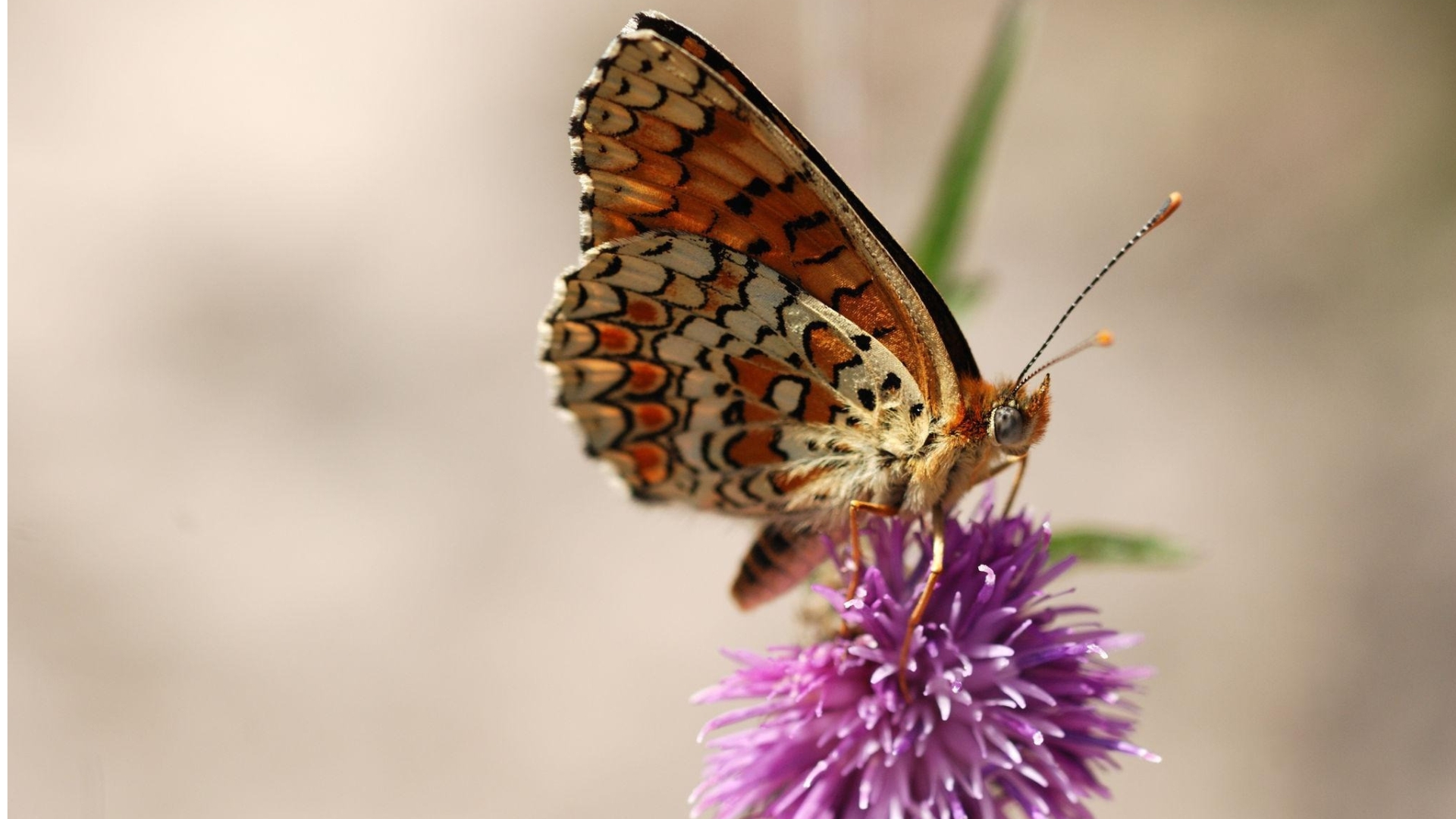
The Glanville fritillary (Melitaea cinxia) was named in her honor, ensuring her connection to butterfly research would survive long after her lifetime.
The species remains one of the best-known examples of how scientific names can preserve the contributions of early naturalists.
Although the butterfly’s distribution and conservation status vary across Europe, its name continues to serve as a living tribute to Glanville’s enthusiasm and dedication.
Why Her Story Resonates Today
Interest in overlooked scientific figures has grown significantly in recent years.
Historians and researchers have increasingly worked to uncover the stories of individuals whose contributions were minimized because of gender, class, race, or social circumstances.
Glanville’s experiences fit within this wider effort to understand how science developed and who helped shape it.
Her story also demonstrates that curiosity and observation have always been at the heart of scientific discovery, regardless of whether those doing the work received recognition at the time.
The Importance of Nature in Cultural Storytelling
The new theatrical production highlights another important aspect of Glanville’s legacy: the connection between science and storytelling.
Wildlife, insects, and the natural world often inspire art, literature, and theatre because they provide powerful ways to explore human experiences.
Butterflies, in particular, have long symbolized transformation, resilience, and changefitting themes for a story about a woman whose achievements are finally receiving wider appreciation centuries after her death.
Why This Story Matters
Eleanor Glanville’s life offers more than a fascinating historical anecdote.
It is a reminder that scientific progress has often depended on people working outside the spotlight, driven by curiosity rather than recognition. Her dedication to studying butterflies helped expand understanding of the natural world, even when her interests were not fully appreciated by those around her.
Today, as audiences discover her story through theatre and renewed historical attention, Glanville is finally receiving some of the recognition she was denied during her lifetime.
And fittingly, one of the butterflies she loved continues to carry her name across generations.