The Growing Rivalry Between Fox and ESPN Over World Cup Coverage
A heated dispute has reportedly emerged between two major American sports networks, Fox and ESPN, over the latter’s limited coverage of the FIFA World Cup. According to reports, several executives at Fox are dissatisfied with how ESPN is handling the tournament, particularly in terms of its visibility on their flagship shows.
Fox and FS1 hold exclusive rights to every single World Cup game in the United States after paying a staggering $485 million to FIFA. They took over from ESPN in 2018, which had previously held the broadcasting rights. This exclusive deal has placed significant pressure on Fox to deliver comprehensive and engaging coverage of the tournament.
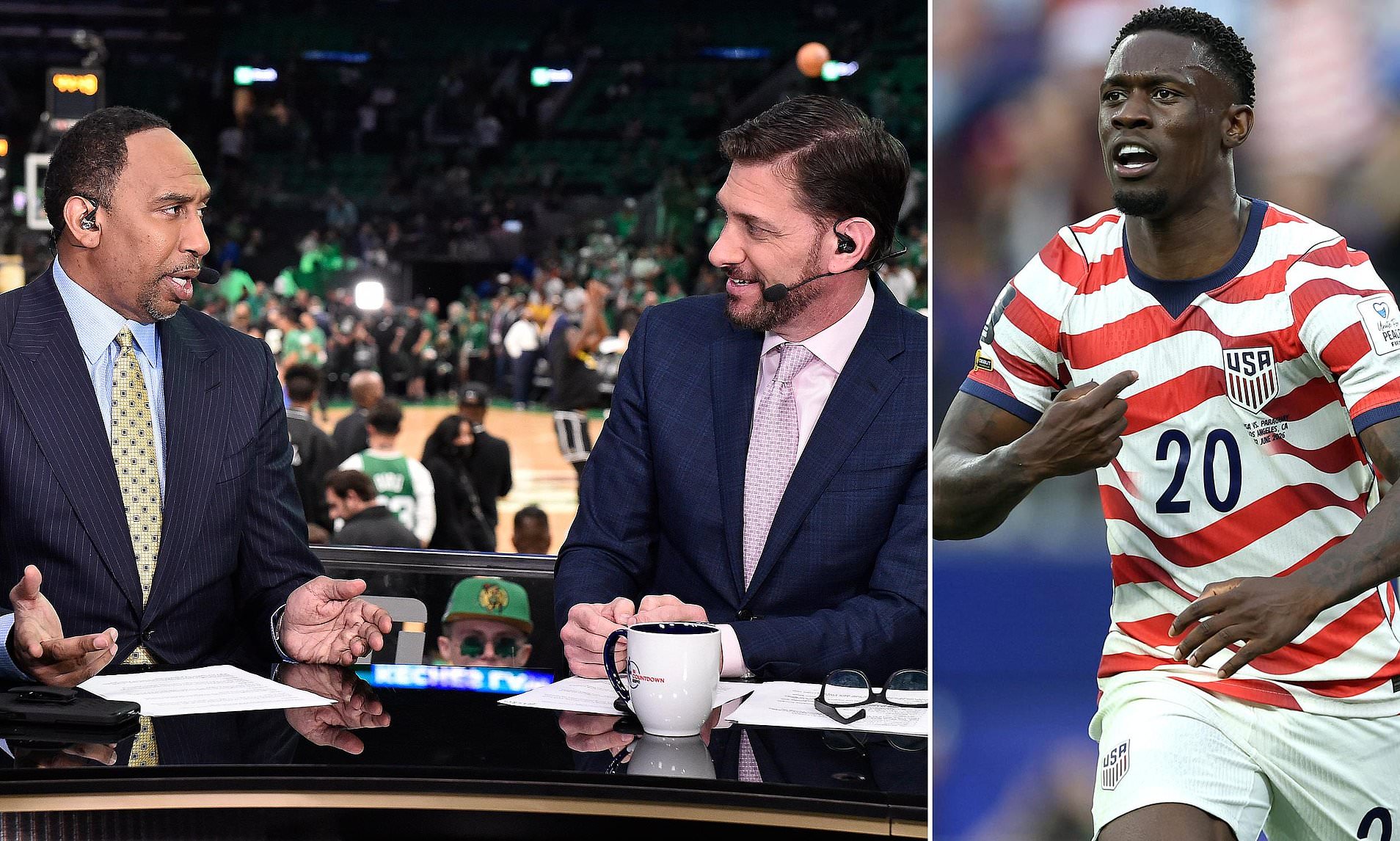
One of the main points of contention for Fox executives is the lack of attention given to the U.S. Men’s National Team (USMNT) following their impressive 4-1 victory over Paraguay. The match was described by Fox analyst Alexi Lalas as “the perfect game” during the broadcast. However, some sources claim that ESPN did not provide adequate coverage of the event, leading to frustration among Fox executives.
“We’re talking about a historic performance by Team USA. Where in the hell was ESPN?” one source questioned, highlighting the perceived neglect of the team’s success.

The controversy also extended to social media, where a viewer posted on X, expressing disappointment with ESPN’s programming. The user wrote: “Just watched @SportsCenter Top 10, not one World Cup highlight, two pro softball’s, a minor league baseball game, even dog frisbee. What are we doing?”
In response, an ESPN source reportedly stated that FIFA’s strict media rules are preventing them from commenting. According to these rules, ESPN is not allowed to show any highlights until Fox’s programming for the entire day finishes. This restriction has further fueled the tension between the two networks.
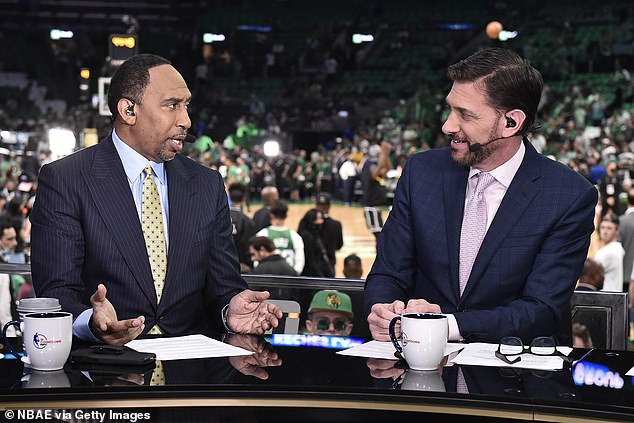
On Tuesday morning, ‘Get Up’ host Mike Greenberg and Stephen A. Smith on ‘First Take’ both referenced the World Cup on their shows. Pat McAfee has also talked about the tournament, indicating that ESPN is making an effort to cover the event more thoroughly.
Greenberg later promised that his show would “cover this every day for you here, because obviously this is a major international happening taking place on national soil.”
This situation comes just weeks after ESPN broadcast the NBA Finals, which achieved huge ratings due to the New York Knicks’ thrilling 4-1 victory over the San Antonio Spurs. The network’s ability to draw large audiences during that time has raised expectations for its coverage of the World Cup.
Another point of contention involves ESPN basketball analyst Monica McNutt, who received a ‘free pass’ despite drawing criticism from Taylor Swift fans. During a hot-mic moment, McNutt was heard saying, “She’s not a Knicks fan. Get out of here, girl.” Her comments sparked backlash from Swift’s supporters, who pointed out her history of attending Knicks games at Madison Square Garden and her residence in New York City.
Fox executives believe that if one of their analysts had made the same comment, they would have faced severe backlash on social media. This incident has added another layer to the ongoing rivalry between the two networks.
Key Points of the Dispute
- Fox executives are unhappy with ESPN’s limited coverage of the World Cup, especially after the USMNT’s strong performance against Paraguay.
- The network holds exclusive rights to all World Cup games in the U.S., which has led to high expectations for coverage.
- A viewer expressed frustration with ESPN’s programming, noting the lack of World Cup highlights.
- ESPN claims that FIFA’s media rules prevent them from showing highlights until Fox’s programming ends.
- Despite the challenges, ESPN has started to increase its coverage of the World Cup, with hosts like Mike Greenberg and Stephen A. Smith discussing the event.
- The controversy involving Monica McNutt and Taylor Swift has further complicated the relationship between the two networks.