
Understanding Perimenopause and the Role of Nutrition
If you’re in your 40s or 50s and starting to feel a shift in your body – brain fog, stubborn weight gain, gut issues, disrupted sleep, or even acne making a surprise return – you might be experiencing perimenopause. This is a time of hormonal change that affects everything from your metabolism to your mood, and it can feel like your body is suddenly speaking a different language.
As a dietitian, I’ve found that nutrition plays a crucial role in supporting women during this transition. The right food choices can help manage symptoms, protect long-term health, and improve daily well-being.
Why Nutrition Matters in Perimenopause
During perimenopause, there are several key health priorities that should guide your eating habits. Here are some of the main areas to focus on:
- Preserving muscle mass – Protein becomes even more important now, not just for strength but also for appetite control and metabolism.
- Protecting bone health – Oestrogen plays a big role in bone density, so as levels decline, calcium needs increase.
- Supporting gut and hormonal health – A diverse, fibre-rich diet helps manage everything from bloating to blood sugar to excess oestrogen clearance.
- Caring for your heart and brain – Healthy fats, polyphenols, and phytoestrogens can support cardiovascular and cognitive health, both of which become more important in this life stage.
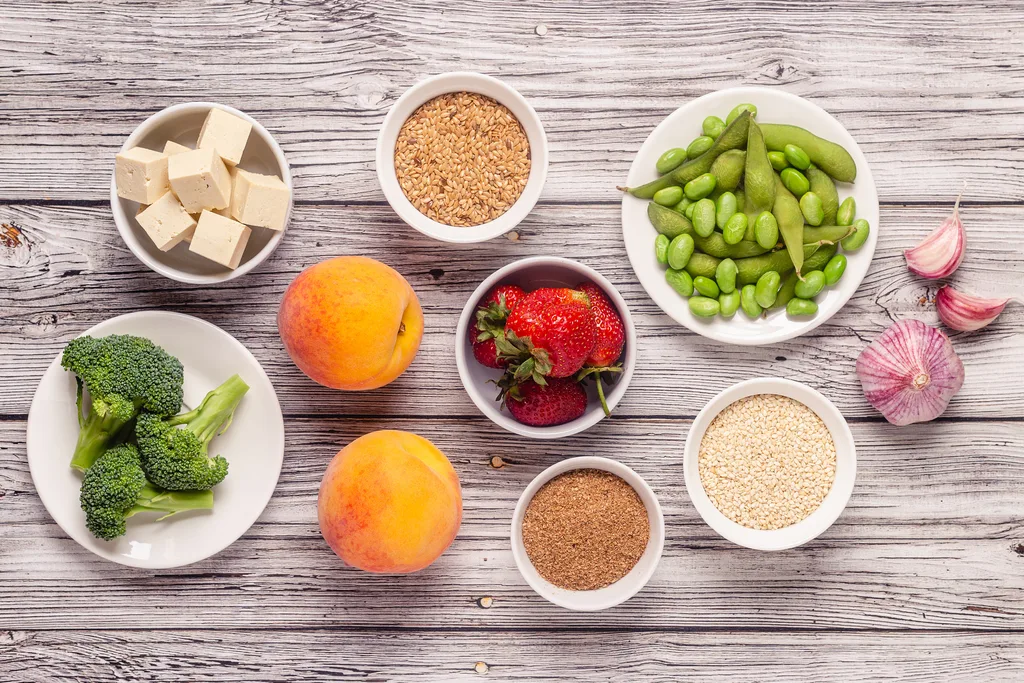
My Key Nutritional Strategies
Each day of this 3-day plan includes the following elements:
- A focus on fibre – Especially soluble fibre, to support gut health, blood glucose, and cholesterol. I recommend products baked with Wise Wheat, a natural high fibre flour with six times the fibre of regular wheat flour.
- At least 4 serves of calcium-rich foods – This can include dairy, fortified plant-based alternatives, and other calcium-rich foods such as fish with soft edible bones, some green veggies, and firm tofu.
- Balanced protein throughout the day – Aim for 20–30g per meal to support muscle and appetite.
- A diversity of plant foods – Including polyphenols and phytoestrogens (like flaxseeds and soy), plus omega-3s (from chia and flaxseeds, but most importantly in the long chain form found in seafood, especially oily fish) for their anti-inflammatory benefits and for the brain.
This stage of life is a major transition and it’s not always easy. But rather than turning to restriction or cutting out whole food groups, I encourage you to think about what you can include. By focusing on whole foods, nourishing ingredients, and daily habits that support your body — like movement, sleep, and stress management — you’ll be doing more than managing symptoms. You’ll be laying the foundation for vibrant, long-term health well beyond menopause.
The 7 Best Foods to Support Your Health During Menopause
The Food Group Women Over 40 Should Eat More Of, Not Less

What Every Woman Should Know About Low Bone Density

3-Day Perimenopausal Eating Plan
DAY 1
Breakfast
2 slices of TipTop The One Digestive Health (9g fibre per serve)
Topped with cottage cheese (½ cup = 1 serve dairy) + tomato and avocado
Sprinkle of hemp or chia seeds
Lunch
Lentils, beef (leftovers – can be any lean meat) + roast veggie salad with quinoa + tahini-lemon dressing
Greek yogurt (¾ cup = 1 serve dairy) with berries/cherries/plums and flaxseeds
Snack
Edamame smashed with feta and mint, sliced hard-boiled egg on slice of Wise Wheat Hi Fibre White Loaf
Dinner
Grilled salmon, sweet potato mash, steamed broccoli, Brussels sprouts and green peas drizzled with extra virgin olive oil
Dessert: Baked apple with cinnamon + 2 tbsp Greek yoghurt (½ dairy serve)

DAY 2
Breakfast
Overnight oats made with soy milk (calcium fortified) or dairy milk
Add chia seeds, sliced almonds, pepitas, berries, apple, prunes and Greek yogurt
Lunch
Chickpea and quinoa bowl with rocket, beets, pepitas, feta, extra virgin olive oil and lemon dressing – add packet/can tuna
Serve with one Wise Wheat Hi Fibre Seeds and Grains Roll
Snack
Pear and chunk of cheese
Dinner
Chicken stir-fry with loads of veggies including broccoli, bok choy etc, cooked in extra virgin olive oil, served with black or red rice (polyphenols and fibre!)
Dessert
Greek yoghurt with berries and chopped almonds
DAY 3
Breakfast
High-protein smoothie with:
Greek yoghurt or silken tofu
Fortified soy milk or dairy milk
Berries, banana, oats, flaxseeds, almond butter
Lunch
Sardine salad with rocket, cucumber, olives, avocado and boiled egg, drizzle of extra virgin olive oil
Simson’s Pantry Wise Wheat Wholegrain Wrap
Side of kefir (¾ cup = 1 serve)
Snack
Handful of almonds and one orange
Cottage cheese (½ cup = 1 serve) on wholegrain crackers
Dinner
Lentil, lamb and kale casserole with carrots, other veg, barley herbs
Dessert: Mug hot milk with a couple of squares dark chocolate
Dr Joanna McMillan is a Wise Wheat ambassador, a high fibre flour range developed with CSIRO and available at Woolworths.