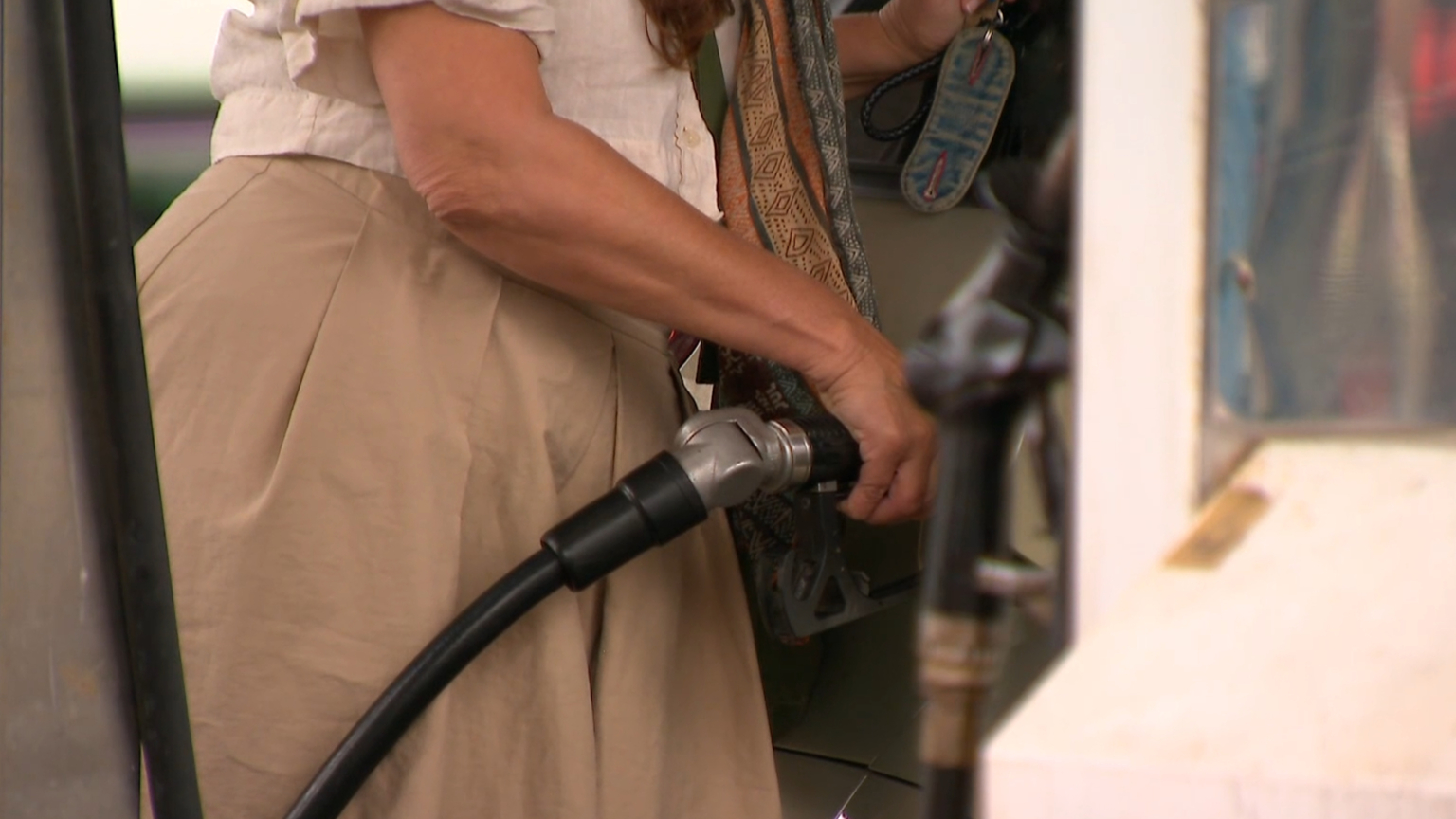

Motorists across Australia are being urged to consider a more budget-friendly option at the pump as fuel prices continue their alarming ascent. The National Roads and Motorists’ Association (NRMA) is actively encouraging drivers, where their vehicles permit, to switch from standard unleaded petrol to E10. This recommendation stems from E10’s greater reliance on locally produced ethanol, offering a buffer against the volatile global oil market.
Peter Khoury, a spokesperson for the NRMA, stated, “If you can take E10 in your vehicle, we encourage you to do so.” He elaborated on the advantages, explaining, “Ten per cent of every litre of E10 is ethanol that’s produced here in Australia, and not oil or petrol imported from overseas.” This local sourcing becomes particularly significant when global events, such as those in the Middle East, can trigger dramatic price fluctuations worldwide. “We have unfortunately seen yet again, just how volatile the prices of oil and fuel are,” Khoury added. “All it takes is for the Middle East to sneeze and the rest of the world catches a cold.”
The current surge in fuel costs is a significant concern for many Australians. With diesel prices hovering around the $3 per litre mark, there are genuine worries that this figure could climb towards $4 per litre in the coming weeks. Khoury described this scenario as not only possible but probable, expressing his apprehension about the implications of reaching such a price point.
Amidst these concerns, the NRMA also reported on the state of fuel availability. Across New South Wales, out of 25,000 service stations, only a small fraction, 37, were reported to be out of fuel on the day of the report.
Exploring Alternative Solutions to Soaring Fuel Costs
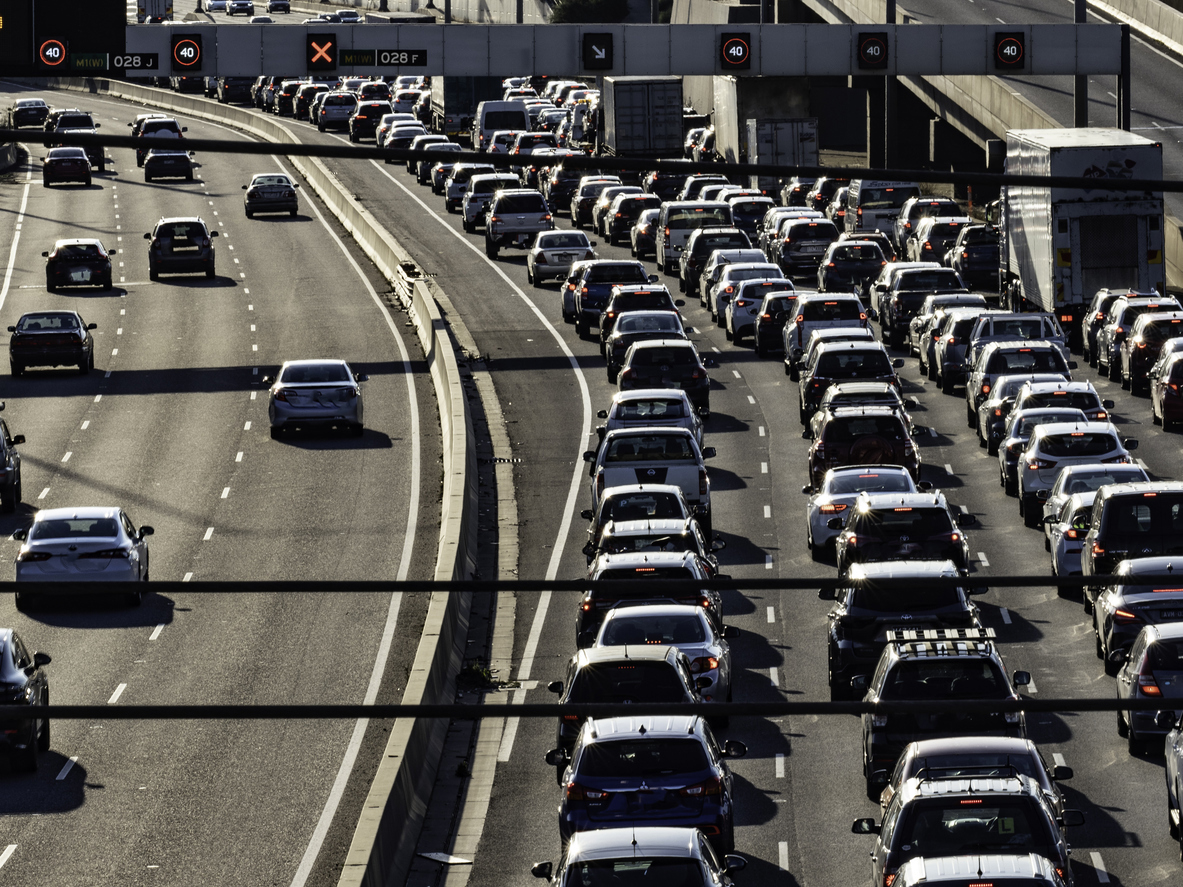
Beyond the bowser, the Federal Government has also floated the idea of working from home as a potential strategy to alleviate demand for fuel. Energy Minister Chris Bowen suggested that individuals who have the flexibility should consider working remotely rather than commuting to their workplaces. “I think that’s a sensible thing to do in any environment, really,” he remarked during an appearance on ABC Insiders. “Work from home has become an important part of Australian working life.”
This suggestion aligns with broader international recommendations. A recent report from the International Energy Agency (IEA) proposed that countries globally should examine and promote widespread adoption of work-from-home policies. However, Minister Bowen acknowledged that this approach is not universally applicable. He conceded that for many Australians, working from home is simply not an option, and that individuals are likely already seeking ways to reduce their fuel consumption. “There are other people for whom it’s not an option, and I think people would already be looking at their options to minimise their fuel use at the moment,” Bowen said. He further emphasised that a “one-size-fits-all approach is necessary” and that the IEA report offered a “smorgasbord of options” for countries to consider based on their unique circumstances.
Criticism and Scepticism Regarding Government Advice
Minister Bowen’s comments have not been without their detractors. Deputy opposition leader Jane Hume criticised his suggestions, arguing that they deflect from the government’s perceived failure to adequately secure Australia’s fuel supply. This criticism comes despite Minister Bowen’s assertions that only a small number of Australia’s oil shipments have been cancelled since the commencement of international conflict, and that the nation possesses over a month’s worth of fuel reserves in both petrol and diesel.
“Chris Bowen is saying, ‘it’s OK, everyone can work from home, [but] it doesn’t work that way,” Hume stated on the Today show, expressing her view that this advice is insufficient to address the ongoing supply chain crisis.
Similarly, New South Wales Premier Chris Minns voiced scepticism about the effectiveness of the work-from-home suggestion in his state. He predicted that the impact on fuel prices and supply in NSW would be “negligible.” Premier Minns explained that for the NSW public service, the advice would not significantly alter demand because a substantial majority of public servants, approximately 85 per cent, work in roles that require their physical presence. “They’re not working from home. It’s not possible. Most of our employees are nurses, paramedics, police officers and firefighters,” he stated. “We just can’t issue that order.” This highlights the practical limitations of broad policy recommendations when faced with the diverse realities of Australia’s workforce.