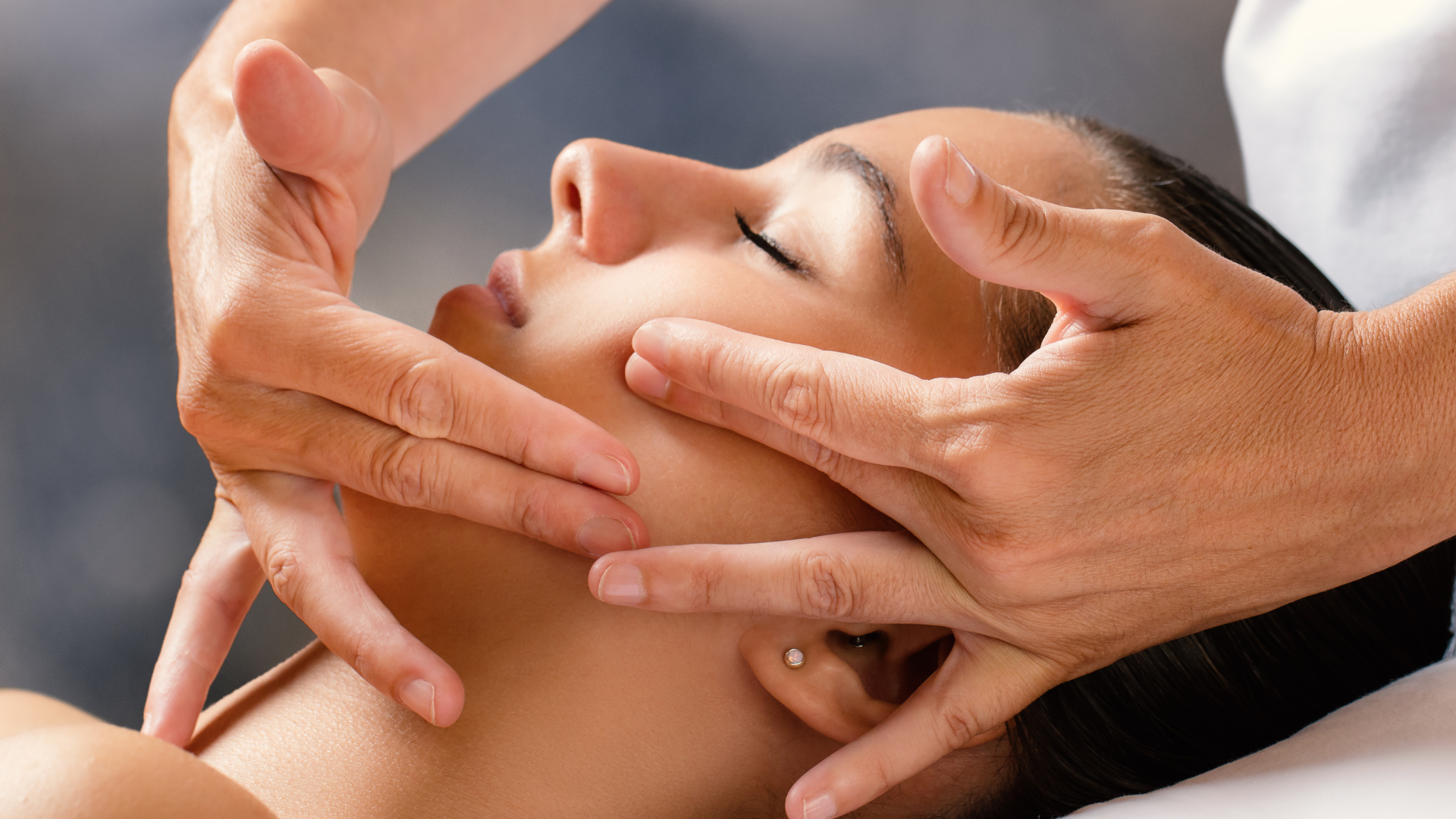
Unlocking Youthful Radiance: The Power of Facial Massage for Mature Skin
As the tell-tale signs of ageing begin to surface – a subtle softening of the jawline, a touch of heaviness around the eyelids, or a neck that seems to have lost its former firmness – the initial reaction for many is to scour the shelves for potent creams, serums, or to book an in-clinic procedure. However, a growing movement is embracing facial massage as a more holistic and physiologically-grounded approach to supporting skin through its mature years. Proponents argue that its benefits extend far beyond the surface, delving into the underlying structures where many visible changes originate.
Understanding the Mechanics: More Than Just Skin Deep
At its fundamental level, facial massage involves the skilled manipulation of the face, sometimes with the assistance of tools, to alleviate muscular tension, enhance circulation, and promote lymphatic drainage. Yet, according to face wellness expert Olga Newman, founder of the Face Up Method, the true transformative power lies in understanding the intricate interplay beneath the skin’s surface.
“Wrinkles and sagging aren’t solely a skin issue,” Olga explains. “They are a consequence of what’s happening within the muscles beneath. Attempting to correct these changes by only addressing the skin’s exterior simply fails to tackle the root cause.”
Our faces are home to over 40 small, interconnected muscles. These aren’t isolated entities; they are linked to the neck, scalp, jaw, and even our posture through the upper back and chest. Over time, the cumulative effects of repetitive expressions, stress, and ingrained habitual tension can lead to specific muscles tightening and shortening. This constriction impedes circulation, slowing blood flow, reducing oxygen delivery, and compromising lymphatic drainage. The observable outcomes can manifest as puffiness, a dull complexion, and a gradual loss of facial definition.
“In many instances, what the face truly requires is not increased contraction, but rather relaxation,” Olga asserts. “By gently releasing this built-up tension, we facilitate the restoration of healthy blood flow and effective lymphatic drainage.”
The Beneath-the-Surface Story: Where Changes Truly Begin
The eye area, jawline, and neck are frequently the first zones where women notice the subtle shifts of ageing. There’s a distinct physiological reason for this.
“The eyes, the rounding of the jawline, and the neck are typically the initial ‘hot spots’ where women begin to observe visible changes,” Olga elaborates. “However, these transformations don’t originate on the surface. They begin their genesis beneath the skin.”
The delicate musculature surrounding the eyes is highly reactive and intricately connected to the forehead, jaw, and temples. The constant strain from squinting, frowning, or teeth clenching can foster tightness that ultimately alters the overlying skin’s appearance. Similarly, our jawlines often soften not merely due to age, but as a result of persistent tension patterns and postural habits. The neck, too, plays a pivotal role.
“The neck is a truth-teller. While many treatments focus solely on the face, the neck often reveals the underlying reality. Its muscles are fine, delicate, and deeply entwined with posture and overall bodily tension. To neglect the neck is to overlook a crucial component of the facial lifting system.”
Consequently, effective facial massage rarely confines its scope to the face alone. Incorporating work on the scalp, the base of the skull, the upper back, and chest can significantly influence the overall lift and contour of the face.
Ageing and Skin’s Shifting Response
As we navigate midlife and beyond, natural physiological changes in circulation, collagen synthesis, and tissue regeneration become more pronounced. Skin may appear thinner, less elastic, and slower to bounce back. Facial massage, it’s important to note, does not halt the ageing process, nor should it be marketed as such. Instead, it acts as a powerful ally in supporting what Olga terms the body’s “natural physiology.”
“Facial massage excels in revitalising circulation, optimising lymphatic flow, alleviating chronic muscular tension, supporting posture, and enhancing tissue quality,” she states. “It helps women achieve a healthier, more vibrant appearance, rather than an artificially altered one.”
Olga is particularly careful to manage expectations, steering clear of unrealistic promises. “I never guarantee that someone will look 20 years younger,” she says. “Most mature women aren’t seeking that extreme. They aspire to look healthy, feel confident, and have their outward appearance reflect the vitality they feel within.”
For those experiencing puffiness around the eyes, a feeling of heaviness in the eyelids, or jowling along the lower face, the strategic release of tension in the jaw and neck can yield noticeable improvements over time.
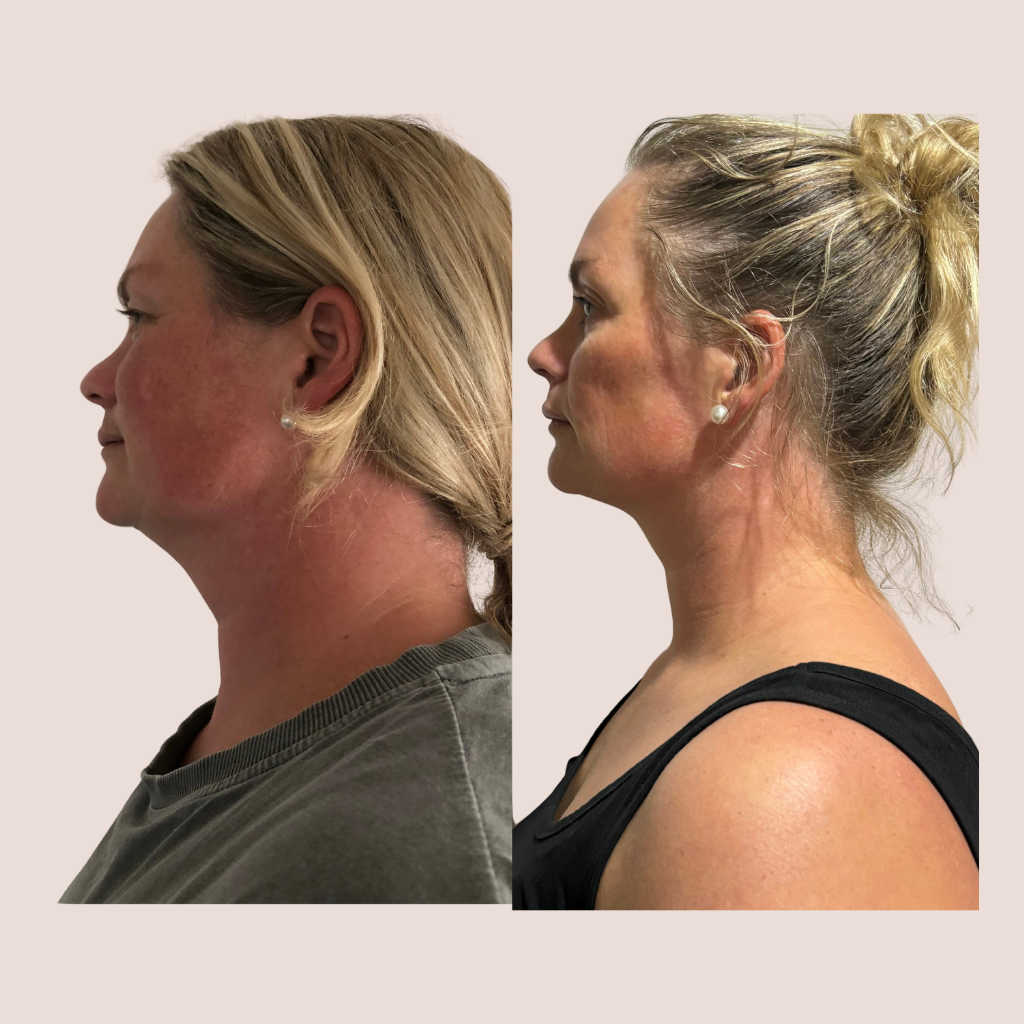
“Women can anticipate a lifted brow, diminished under-eye puffiness, a more defined jawline, firmer skin, and even a visibly elongated-looking neck,” Olga shares. “However, the extent of these results is always influenced by age, initial skin condition, stress levels, and long-term lifestyle habits.”

The Timeline of Transformation: Patience and Consistency
The secret to seeing results from facial massage lies not in intensity, but in consistent application.
“When we integrate both postural work and facial muscle engagement, even for just 10 to 15 minutes daily, the face begins to respond,” Olga notes. Some individuals report a noticeable difference in their skin’s freshness within one to two weeks. For others, more significant structural changes may take anywhere from one to three months to become apparent. “On average, a realistic timeframe for visible structural improvement is around three months,” she adds.
She cautions against the misconception of instant transformations derived from isolated exercises. “The face does not operate in a vacuum. It is profoundly connected to our posture, bodily tension, and daily routines. Without addressing the entire interconnected system, the results will inherently be limited.”
Hands vs. Tools: The Essential Element
With the proliferation of gua sha stones and facial rollers across social media, one might assume that specialised tools are indispensable.
“One of the most beautiful aspects of facial massage is that you truly do not require fancy tools to begin,” Olga reassures. “Your hands are your most effective instruments.” She highlights that hands offer invaluable tactile feedback, allowing individuals to identify areas of tightness and adjust pressure accordingly. “In fact, your knuckles are the original gua sha,” she quips.
While tools can be a beneficial supplement, they are not a substitute for a fundamental understanding of facial anatomy and proper technique. Pressure is paramount.
“Very light, superficial touch… will not achieve a lifting effect,” Olga states. “However, lifting is not achieved through brute force. It emerges from intelligent and targeted release.” Overly aggressive massage can overwhelm the nervous system, paradoxically increasing tension rather than diminishing it. “When the body feels secure, the muscles relax. When muscles relax, circulation improves. And it is only then that visible changes can manifest.”
Beyond Aesthetics: The Self-Care Sanctuary
Beyond its aesthetic advantages, facial massage offers a significant secondary benefit: the calming of the nervous system.
“The face acts as a kind of entry filter for our life experiences,” Olga observes. “All of our accumulated stress leaves its imprint there.” Releasing tension in the facial muscles can profoundly impact one’s overall sense of well-being. Many describe feeling as though they’ve returned from a relaxing holiday – appearing rested and lighter. Olga refers to this phenomenon as the “holiday face” effect.
In the whirlwind of juggling work, family, and countless other responsibilities, this sense of restoration can be as valuable as any perceived lifting effect. “There’s a deeper benefit that transcends mere lifting and sculpting,” she adds. “When individuals dedicate even just 10 minutes a day to themselves, something psychologically shifts. This simple, regular practice becomes a quiet affirmation: ‘I matter too.’”
As more women re-evaluate the appeal of invasive procedures, facial massage is increasingly finding its niche within a broader, long-term strategy for graceful ageing.
“I often explain it this way: working with your deeper bodily systems – fascia, muscles, bones, circulation, and posture – forms your foundation,” Olga says. “Imagine building a beautiful house; you wouldn’t start with the decorations. You’d begin with a robust foundation.” She doesn’t position facial massage as being in opposition to injectables or other treatments, but rather as an alternative pathway. “Occasional treatments can absolutely serve as an enhancement – but they should be a choice, not a dependency.”
“Ageing is not something to be eradicated,” Olga concludes. “It is something to be supported with intelligence and care.”
Embarking on Your Home Facial Massage Journey
For those unable to access professional treatments, a rewarding facial massage experience can be cultivated right at home. Here’s a guided approach:
Initiate with the Neck, Not the Face: While the temptation to immediately address the jawline or eye area is strong, proper preparation is key. “The neck is fundamental for circulation and drainage – it serves as the primary conduit for blood flow and lymphatic movement,” explains Olga.
Begin by applying a small amount of facial oil or balm to ensure gentle slip, but not so much that your hands glide without engaging the underlying tissue. Using your fingertips or knuckles, work slowly down the sides of the neck towards the collarbones with firm yet comfortable pressure. Subsequently, gently massage the sides and back of the neck to release tension before progressing upwards to the face.Apply Sufficient Pressure – But Wisely: A prevalent error is employing pressure that is too light. “If the hands are merely gliding over oil or cream, they are not effectively engaging the muscle beneath,” Olga clarifies. Conversely, applying excessive force can lead to irritation or even bruising. The sensation should feel purposeful and warm – never sharp or painful. Aim for ‘firm and mindful’ rather than forceful.
Work from Bottom to Top for a Lifting Effect: To promote a lifting and sculpting outcome:
- Start along the collarbones and neck.
- Progress upwards to the jawline.
- Continue to the cheeks and the eye area.
- Conclude with gentle scalp work, if possible.
Releasing tension in the jaw area can be particularly beneficial for concerns about jowls or heaviness in the lower face. Utilise your knuckles along the sides of the jaw, pausing on any tender spots and breathing deeply.
Always Conclude with Drainage: Following the lifting-focused movements, employ lighter strokes to gently guide fluid downwards from the face towards the neck and collarbones. This action supports lymphatic drainage and can effectively help reduce facial puffiness.
Maintain Brevity and Consistency: Extended, intense sessions are neither necessary nor potentially counterproductive. “What proves truly effective is a sustainable rhythm – approximately 10 to 15 minutes per session, performed three to five times per week,” Olga advises. Visible changes typically accumulate over one to three months. Much like strength training for the body, gradual and consistent effort yields superior results compared to infrequent, exhaustive sessions.