Australia Faces Major Diphtheria Outbreak
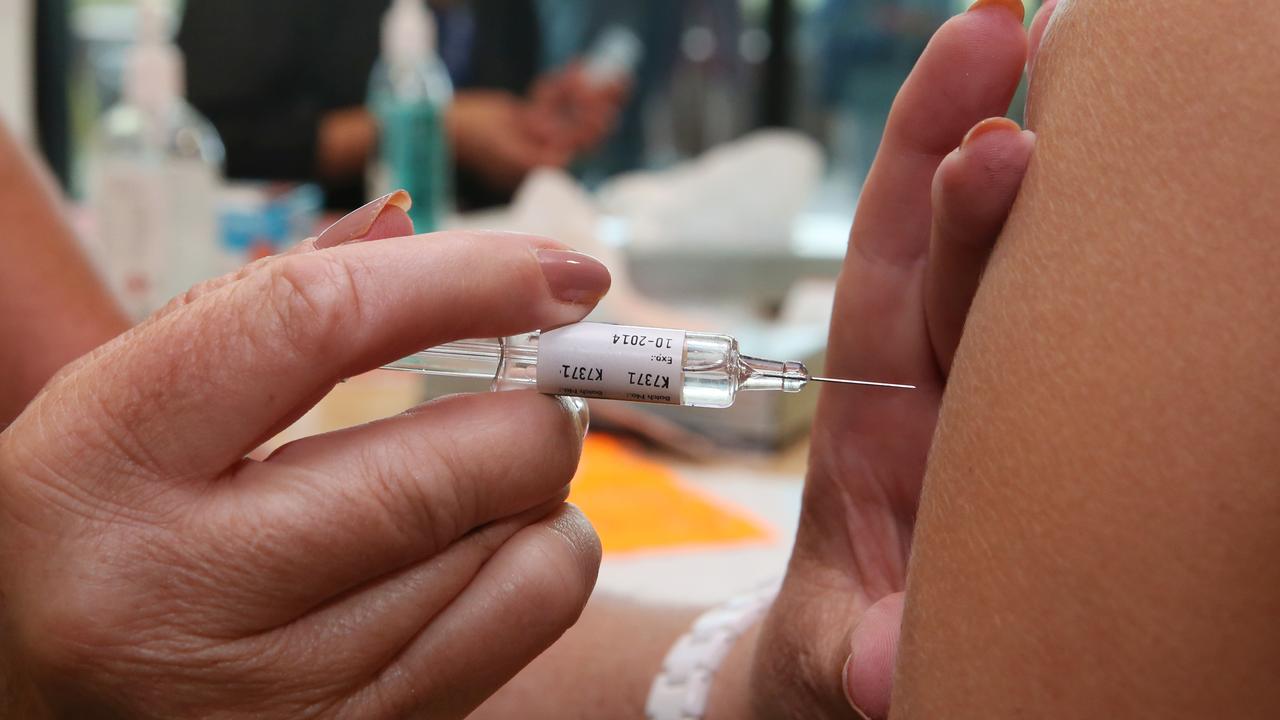
Australia is currently experiencing its worst diphtheria outbreak in decades, with the number of cases continuing to rise across several states and territories. The situation has prompted urgent calls from government officials for at-risk individuals to get vaccinated. The disease, which is typically rare, has seen a significant increase in reported cases, and health experts have linked this surge to declining vaccination rates.
Prime Minister Anthony Albanese has emphasized the importance of vaccination in combating the outbreak. “That is the most important thing that people can do,” he stated during a press conference. “The government’s taking it seriously.”
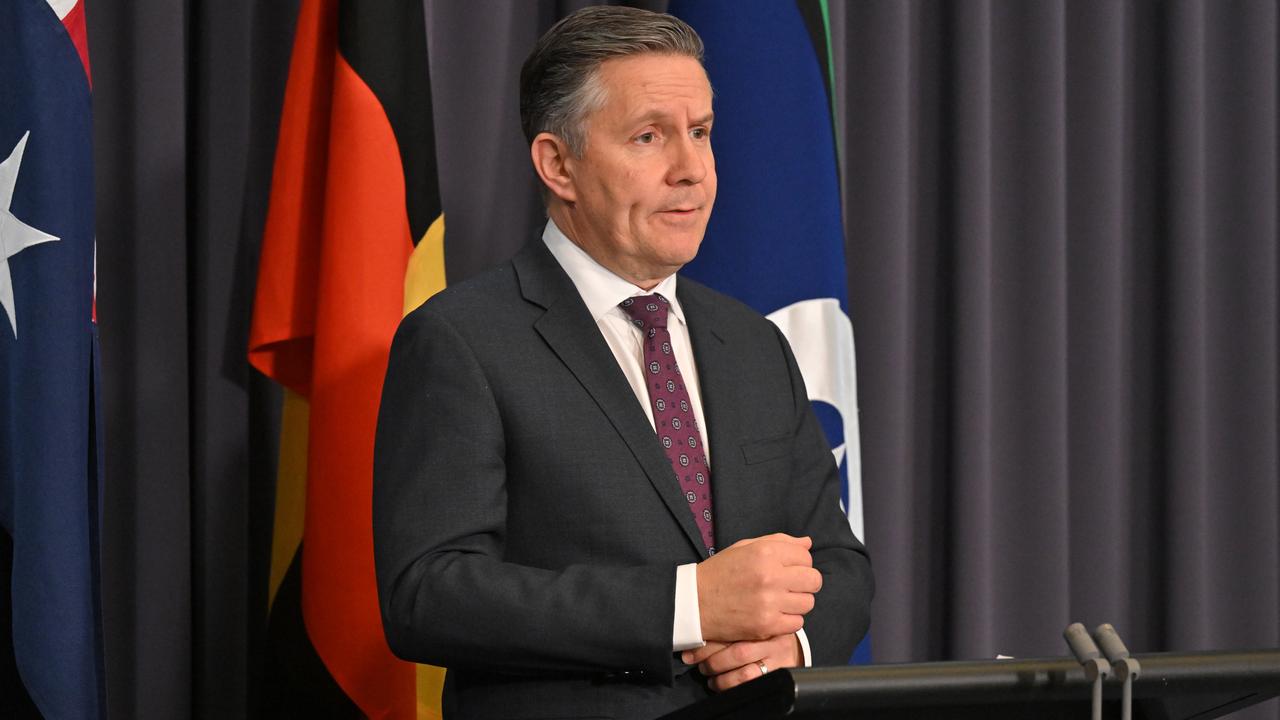
As of Wednesday, there were 226 recorded cases of diphtheria in the Northern Territory, Queensland, South Australia, and Western Australia, an increase from 223 cases the previous day. Federal Health Minister Mark Butler described the current outbreak as about 30 times larger than the average number of cases recorded nationally over the past five years. “It is a very, very concerning outbreak,” he said.
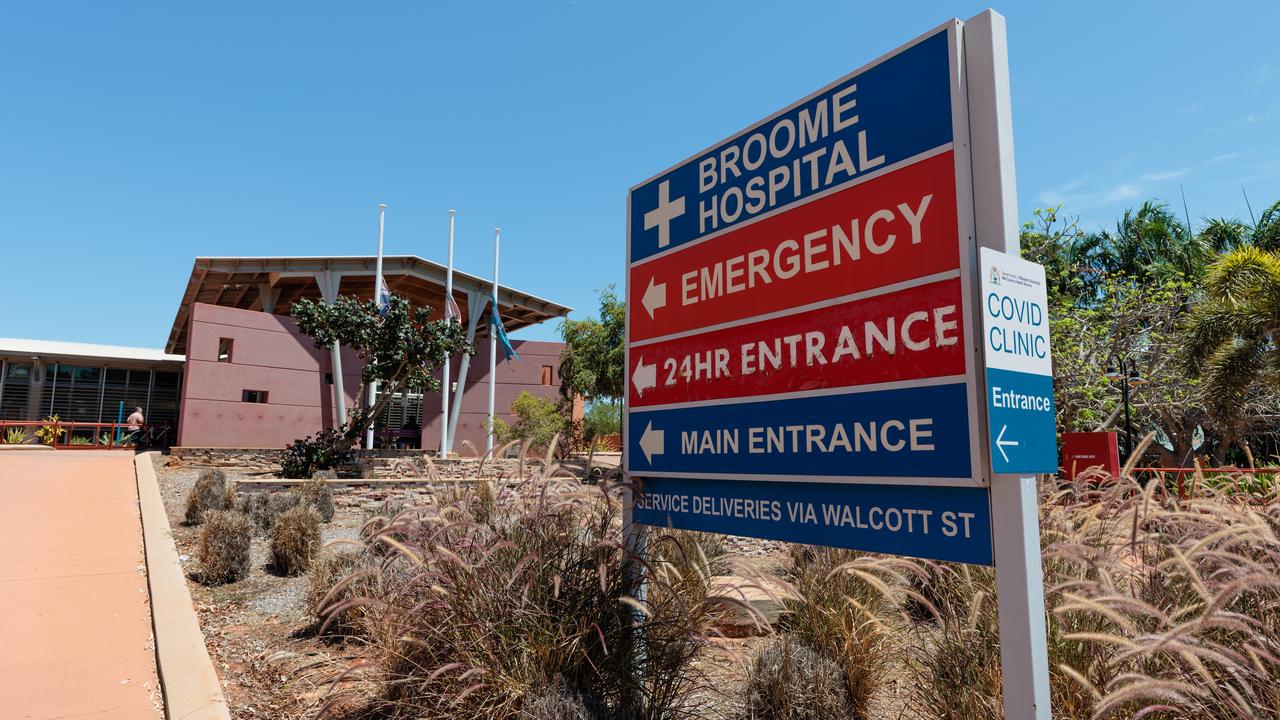
Most of the new cases involve respiratory diphtheria, which initially presents with flu-like symptoms but can lead to severe complications such as airway blockage and suffocation. Approximately 25% of those infected are being hospitalized. “This is obviously a deep concern for people who are exposed to this disease,” Mr. Butler noted. “It’s also starting to place pressure on hospital systems in the NT.”
Government Response and Support
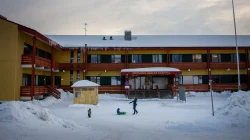
Commonwealth health experts are collaborating with the Northern Territory government, where 133 cases have been recorded. Mr. Butler mentioned that the federal government is working on finalizing a support package focused on vaccination, which is expected to be announced later on Wednesday.
Health authorities have also urged people to ensure they and their families are up to date with their vaccinations. Danielle McMullen, president of the Australian Medical Association, highlighted the risks associated with falling vaccination rates. “When vaccination rates fall, serious diseases, which we had largely eliminated, can make a comeback,” she said. “We are seeing that risk play out with diphtheria.”
Focus on Indigenous Communities
Almost all of the reported cases have involved Indigenous Australians, prompting health authorities to work closely with Aboriginal agencies to address the outbreak. Efforts include the distribution of vaccines and targeted public health initiatives to curb the spread of the disease.
In Western Australia, Health Minister Meredith Hammat noted that the outbreak, which increased by three cases overnight, is centered in the Kimberley region. “We are taking the outbreak in the community very seriously,” she said. Public health officials are actively conducting contact tracing in affected areas to limit further transmission.
“We’re doing everything we can to, in fact, not just limit it, but bring it to an end,” she added.

Ongoing Challenges and Calls for Action
Despite the efforts of health officials, the outbreak continues to pose significant challenges. The rising number of cases has raised concerns about the strain on healthcare systems, particularly in the Northern Territory. Health experts are urging the public to remain vigilant and take preventive measures, including getting vaccinated.
The situation underscores the importance of maintaining high vaccination rates to prevent the resurgence of diseases that were once under control. As the outbreak evolves, ongoing collaboration between federal and state governments, along with community engagement, will be critical in addressing the crisis and protecting public health.