The Ebola Outbreak in Central Africa
A deadly outbreak of the Ebola virus has claimed the lives of 130 people in Central Africa. The situation has escalated to the point where more than 500 suspected cases of the Bundibugyo strain have been reported, prompting the World Health Organisation (WHO) to declare it a public health emergency of international concern.
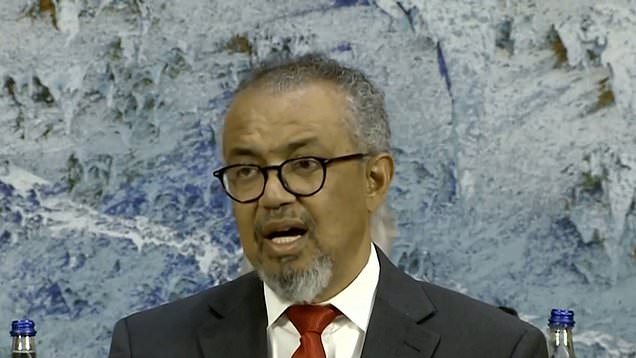
The virus is currently spreading across the Democratic Republic of Congo (DRC) and Uganda, and there is currently no vaccine available to combat it. In a statement released by WHO Director General Dr Tedros Adhanom Ghebreyesus, he confirmed that the declaration of a health emergency was made before convening an emergency committee for the first time ever.
Dr Tedros expressed deep concern about the scale and speed of the epidemic, stating, “I did not do this lightly.” He added, “There are several factors that make us concerned about the potential for further spread and further deaths.”
Key Concerns Identified by WHO
The WHO highlighted several critical factors contributing to the current crisis:
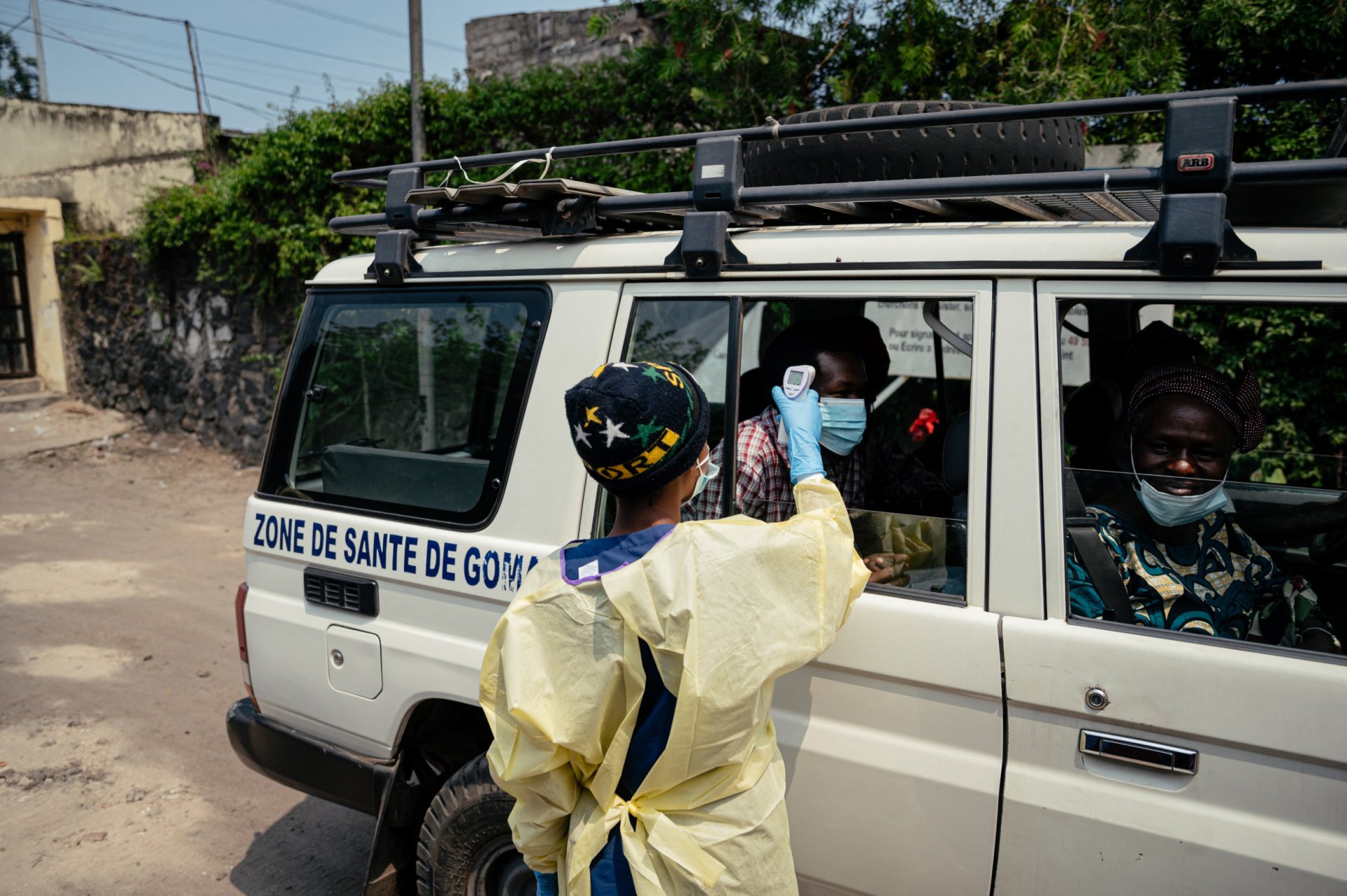
- First, beyond the confirmed cases, there are more than 500 suspected cases and 130 suspected deaths. These numbers will change as field operations are scaling up, including strengthening surveillance, contact tracing and laboratory testing.
- Second, cases have been reported in urban areas, including Kampala, and the city of Goma in DRC.
- Third, deaths have been reported among health workers, indicating healthcare-associated transmission.
- Fourth, there is significant population movement in the area.
Emergency Response and Travel Restrictions
In response to the outbreak, the International Rescue Committee (IRC) has launched an emergency response. Health officials anticipate that the number of cases will continue to rise. An American doctor in DRC is among the newly confirmed cases of the virus.
The United States has implemented travel restrictions, banning anyone who has been in the DRC, Uganda, or South Sudan in the last three weeks. According to the European Centre for Disease Prevention and Control, the likelihood of infection for people in Europe is considered very low.
Challenges in Early Detection
It is understood that the spread of the virus lay undetected for weeks. Matthew M Kavanagh, director of the Georgetown University Centre for Global Health Policy and Politics, explained, “Because early tests looked for the wrong strain of Ebola, we got false negatives and lost weeks of response time. We are playing catch-up against a very dangerous pathogen.”
The Bundibugyo strain is spread through close contact with sick or dead patients’ bodily fluids, such as sweat, blood, faeces or vomit.
WHO Declaration and Pandemic Considerations
An outbreak of Ebola in Congo and Uganda was declared a public health emergency of international concern today after more than 300 suspected cases and 88 deaths. In a post on X, the WHO stated that the outbreak does not meet the criteria of a pandemic emergency like COVID-19 and advised against the closure of international borders.
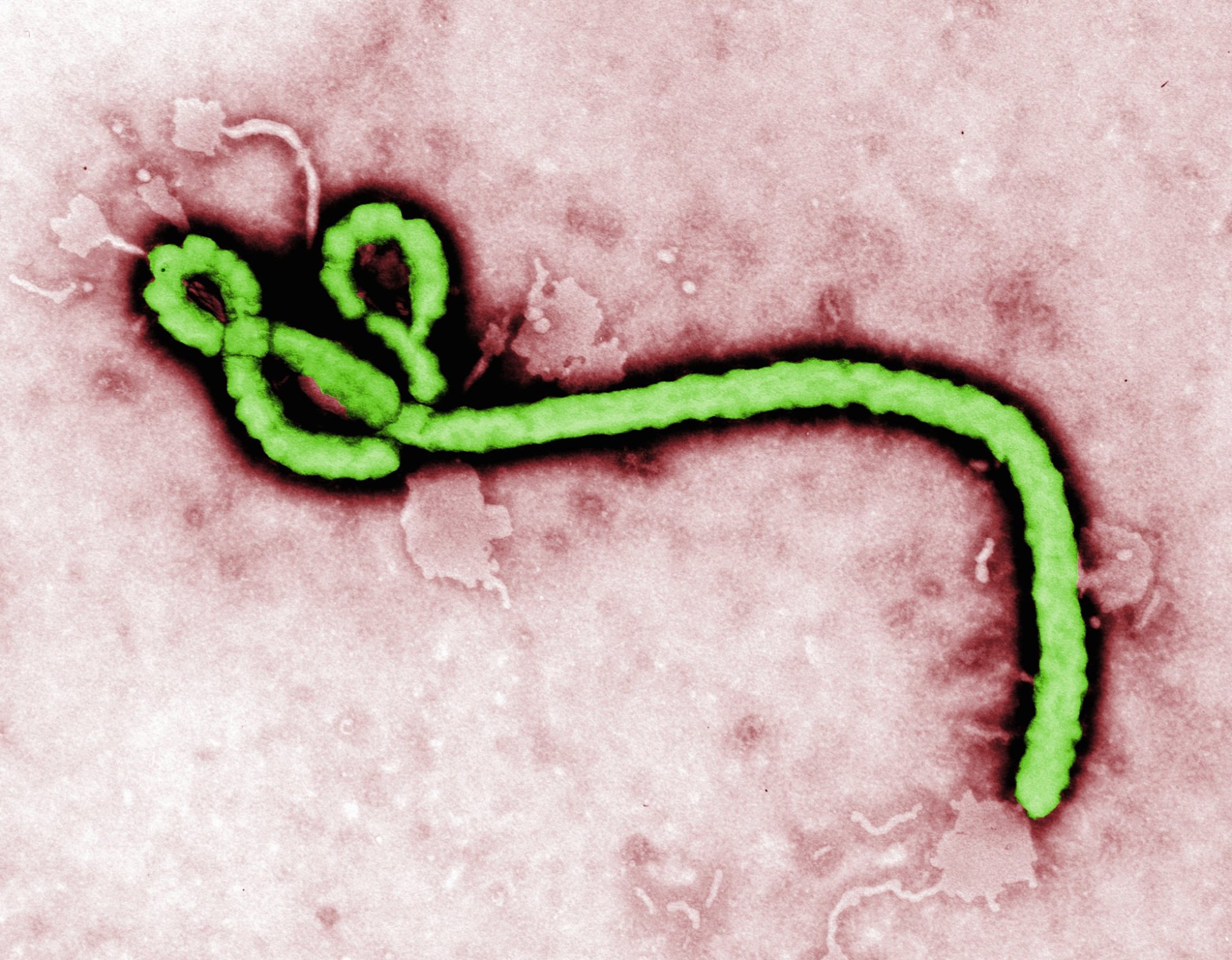
However, authorities have confirmed that the current outbreak is caused by the Bundibugyo virus, a rare variant of the Ebola disease that has no approved therapeutics or vaccines. Although more than 20 Ebola outbreaks have occurred in Congo and Uganda, this is only the third time the Bundibugyo virus has been reported.
Spread of the Virus
Officials first reported the spread of the disease in Congo’s eastern province of Ituri, close to Uganda and South Sudan, on Friday. On Saturday, the Africa Centres for Disease Control and Prevention reported 336 suspected cases and 87 deaths. Congo accounts for all except two of the cases, both of which were reported in neighbouring Uganda, the WHO said.
Uganda confirmed one case it said was imported from Congo, and the patient died at a hospital in Uganda’s capital, Kampala. The WHO also reported a second case in Kampala. The two cases had no apparent links to each other, and both patients had travelled from Congo, it added.
The Bundibugyo virus was first detected in Uganda’s Bundibugyo district during a 2007-2008 outbreak that infected 149 people and killed 37 people.
Understanding Ebola
The WHO states that Ebola virus disease (EVD), formerly known as Ebola haemorrhagic fever, is a rare but severe and often fatal illness in humans. It is transmitted to people from wild animals and spreads in the human population through human-to-human transmission.
The average EVD case fatality rate is around 50 per cent. Case fatality rates have varied from 25 per cent to 90 per cent in past outbreaks.
Transmission and Control Measures
Ebola spreads through human-to-human transmission via direct contact (through broken skin or mucous membranes). A person infected with Ebola cannot spread the disease until they develop symptoms.
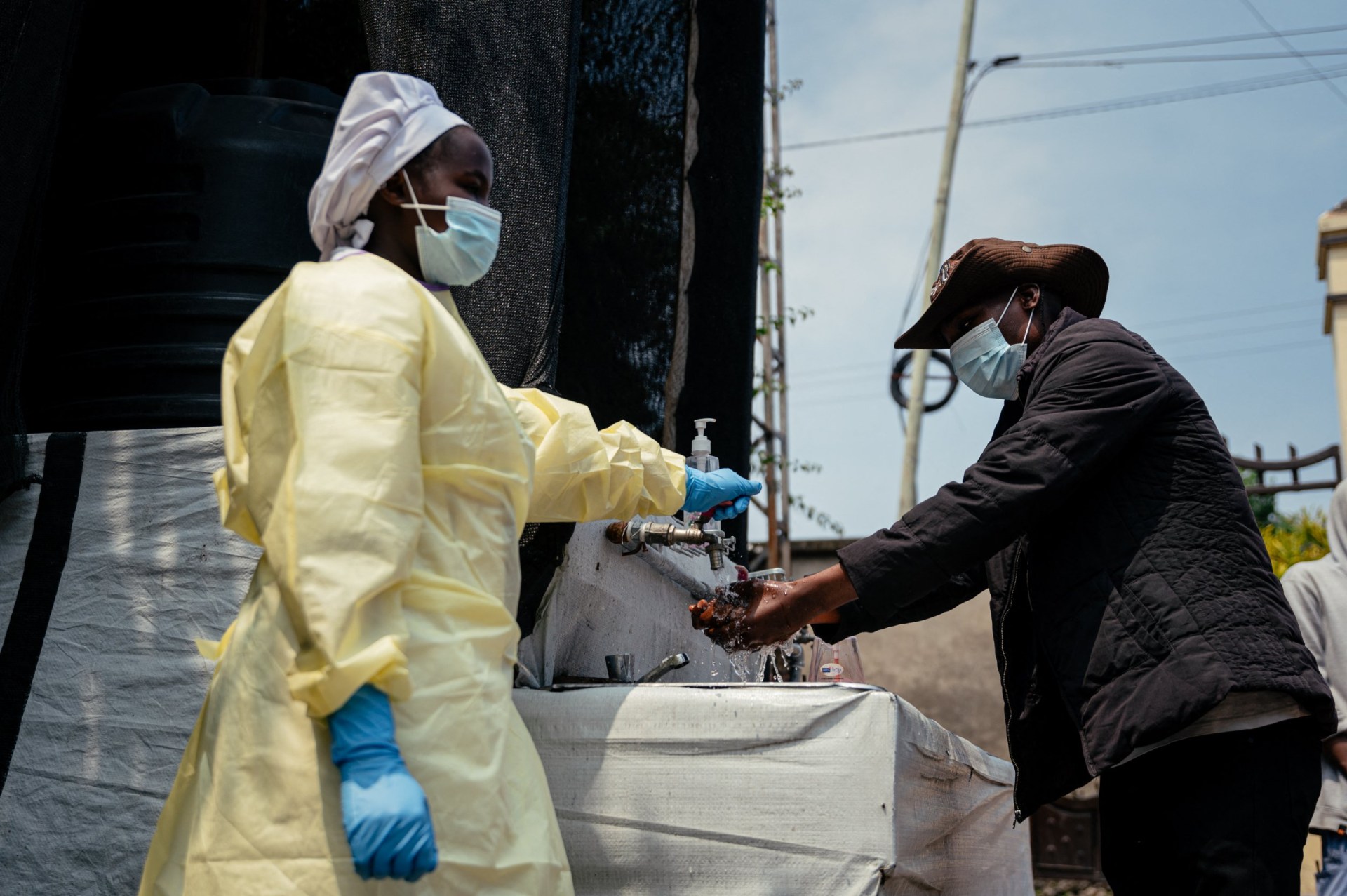
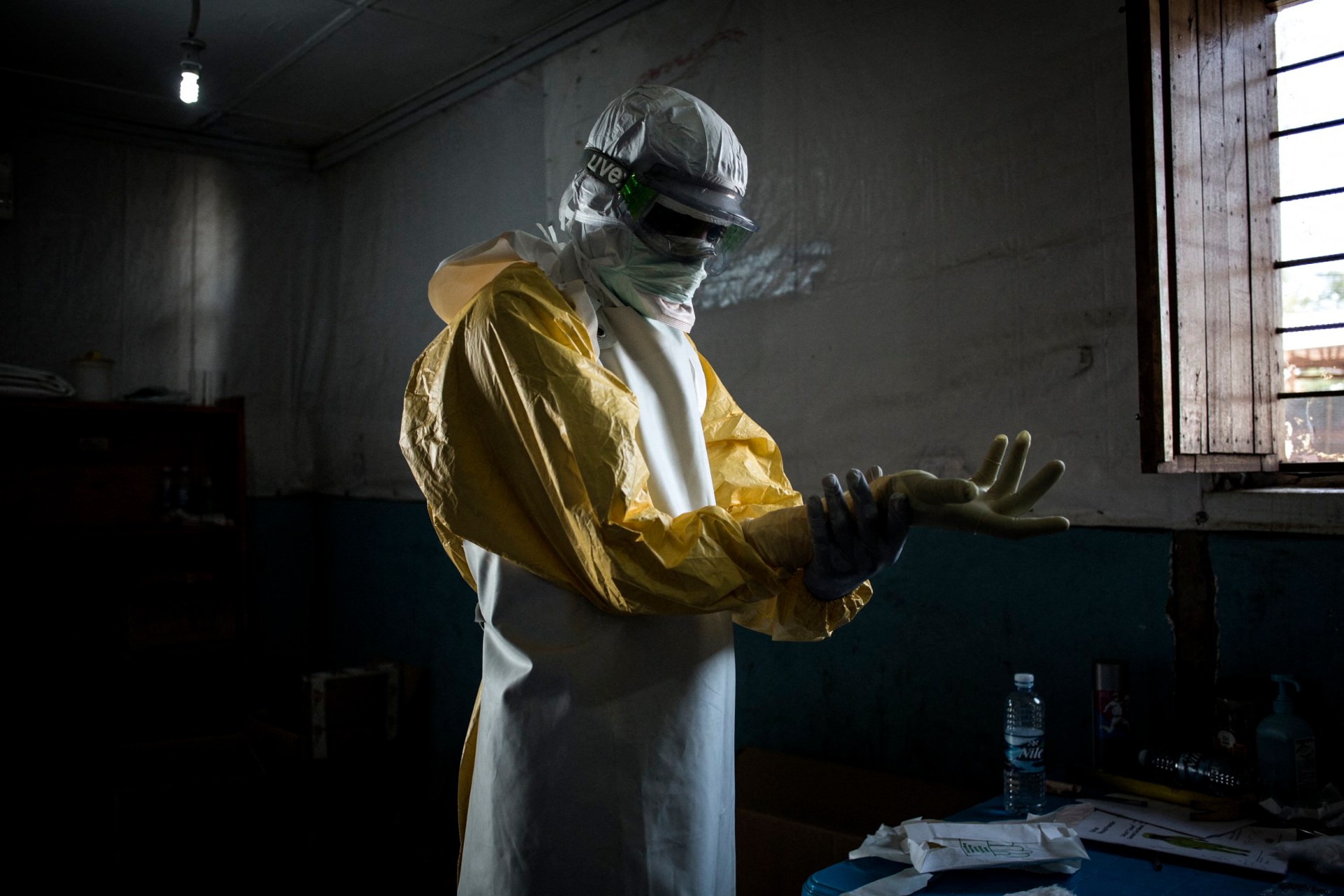
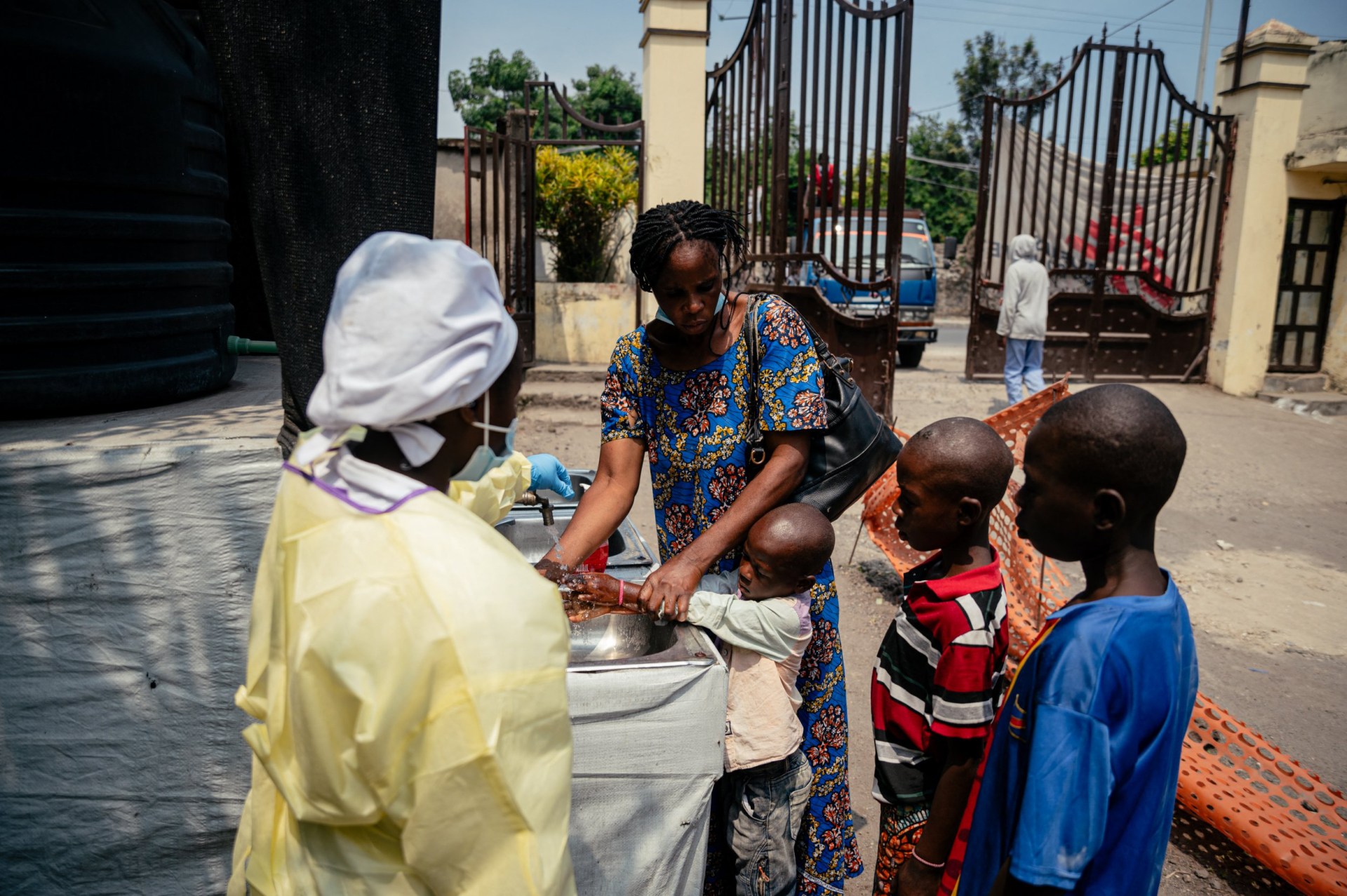
Good outbreak control relies on applying a package of interventions, namely case management, infection prevention and control practices, surveillance and contact tracing, a good laboratory service, safe and dignified burials and social mobilisation. Early supportive care with rehydration and symptomatic treatment improves survival. There is no licensed treatment proven to neutralise the virus, but a range of blood, immunological and drug therapies are under development.
The WHO advises using gloves when dealing with people infected with Ebola and always practising safe sex.