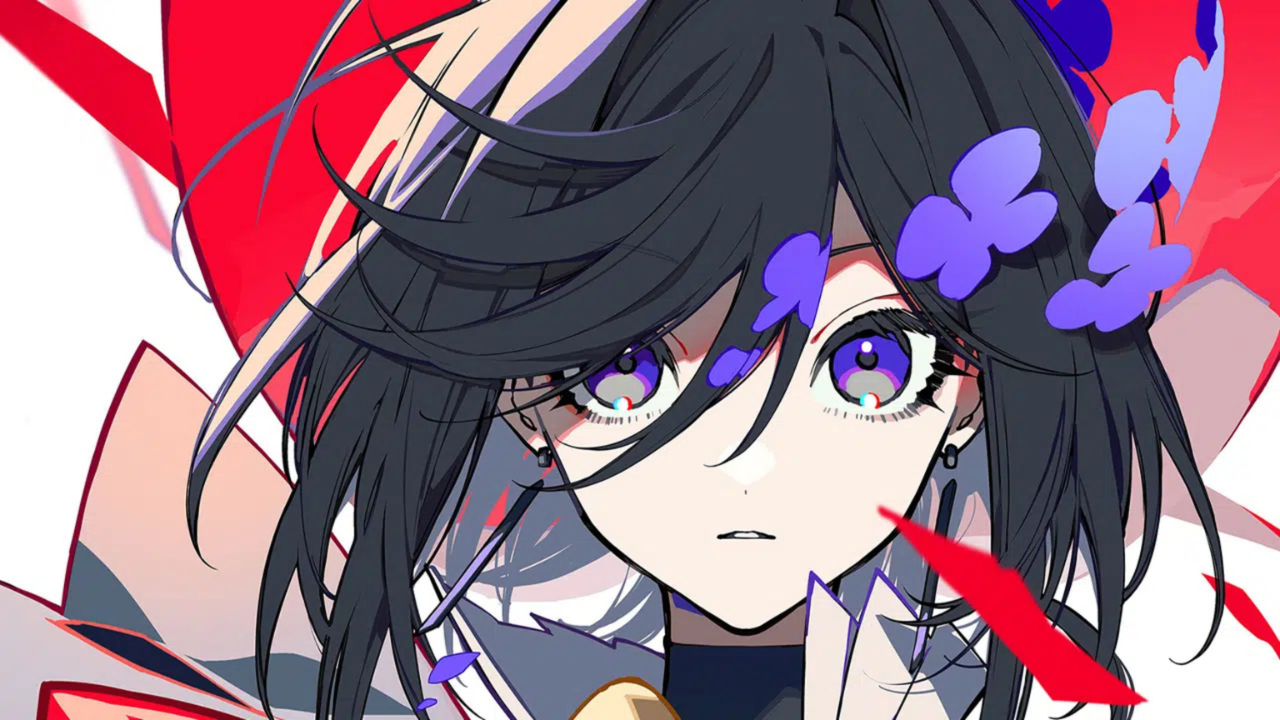
A New Chapter for a Manga Legend
Netflix’s latest project, The Ribbon Hero, is set to premiere on August 8. This film is inspired by the legendary work of Osamu Tezuka, often referred to as the “God of Manga.” His contributions to anime and shōjo storytelling have left an indelible mark, blending bold visuals, emotional depth, and theatrical flair into timeless classics. His influence has shaped the DNA of Japanese animation over the decades, inspiring countless creators.
Now, this legacy is being reimagined in a fresh form with The Ribbon Hero, a new film that draws from one of his most iconic heroines. The movie marks the return of the Princess Knight mythos in a cinematic format. It uses an updated title to signal a shift from faithful adaptation to modern reinterpretation, framing the project as both homage and reinvention.
Visual Style and Storytelling
Early teaser footage suggests a visual style that merges Tezuka’s expressive animation roots with contemporary color design and staging. This approach preserves the theatrical tone of the original while expanding it into something more expansive and filmic. The result is a production that respects its origins without being constrained by them.
The title itself acts as a bridge between eras, connecting Tezuka’s foundational storytelling with present-day branding sensibilities. It carries forward the themes of identity, performance, and heroism that defined the original narrative. At the same time, it opens the door to reinterpretation for a generation discovering the story for the first time.
Exploring the Legacy of Osamu Tezuka
Alongside The Ribbon Hero, there is a renewed spotlight on Tezuka’s creations, particularly through the documentary TEZUKA! God of Manga. This film aims to contextualize the man behind the icon, presenting him as more than just a prolific creator. It highlights how he reshaped storytelling through comics and animation across the globe.
The documentary explores how Tezuka’s work transformed manga into a widely accessible medium for younger audiences. It chronicles his vast creative output, including titles like Astro Boy, Kimba the White Lion, Princess Knight, and Black Jack. These works are framed as milestones that altered the trajectory of visual storytelling.
A Collaborative Effort
Directed by Jason Andrew Cohn and produced by Bread & Butter Films, TEZUKA! God of Manga brings together voices from across the manga and anime industry. Contributors include Katsuhiro Otomo, Riyoko Ikeda, Naoki Urasawa, Go Nagai, and Toshiyuki Tomino. Their insights promise a layered exploration of Tezuka’s creative philosophy and lasting impact.
The Future of Tezuka’s Work
As The Ribbon Hero prepares for its global premiere, it represents a significant step in bringing Tezuka’s legacy to a new generation. The film’s modern reinterpretation of the Princess Knight mythos offers a fresh perspective while honoring the original story. It also reflects a broader effort to celebrate and explore the cultural significance of Tezuka’s work.
The success of these projects could inspire further adaptations and explorations of Tezuka’s stories, ensuring that his influence continues to shape the world of animation and storytelling for years to come.
What Lies Ahead?
With the release of The Ribbon Hero and TEZUKA! God of Manga, the future of Tezuka’s work looks promising. These projects not only honor his legacy but also open new avenues for storytelling and creative expression. As fans and newcomers alike engage with these works, they will discover the enduring power of Tezuka’s vision.
The blend of traditional elements with modern techniques ensures that his stories remain relevant and impactful. This approach allows for a deeper connection with audiences who may be discovering his work for the first time.
In conclusion, the upcoming releases of The Ribbon Hero and TEZUKA! God of Manga signify a vibrant continuation of Osamu Tezuka’s legacy. They serve as a tribute to his contributions and a celebration of the ongoing influence of his work in the world of animation and beyond.