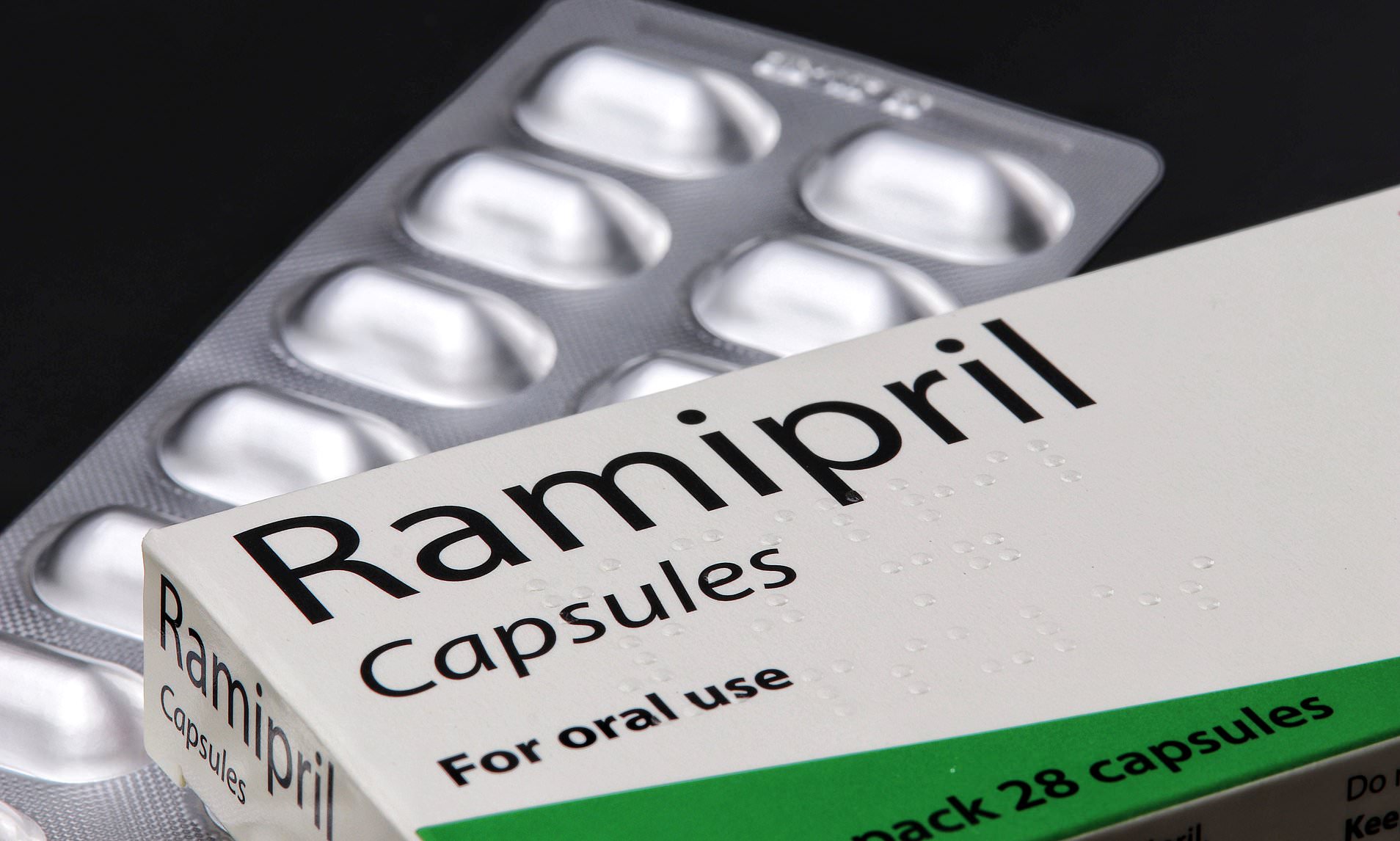
Urgent Recall of Ramipril Medication Due to Safety Concerns
A significant recall has been issued for a popular blood pressure medication, Ramipril, due to concerns about patient safety. This medication is widely used in the UK, with approximately 3 million prescriptions issued each month. It is prescribed for various conditions, including high blood pressure, kidney disease, and heart failure. Additionally, it is often given to patients after a heart attack, as it helps relax and widen blood vessels, improving blood flow through the body.
However, the Medicines and Healthcare products Regulatory Agency (MHRA) has raised alarms over a specific batch of Ramipril 2.5mg tablets manufactured by Crescent Pharma Limited. The affected batch, identified by the code GR155023 on the packaging, may contain strips of a higher dose—specifically, Ramipril 10mg. This discrepancy poses a risk of serious side effects if patients inadvertently take a higher dose than prescribed.
To mitigate this risk, the MHRA has issued an immediate recall of the affected batch. Patients who have received this batch are advised to check the packaging for the batch number and expiry date, which can be found on the outer carton. They should also verify that the medication strength on the carton matches the blister strips inside. If the carton contains blister strips labelled as Ramipril 10mg capsules, patients are instructed not to take the medicine and instead contact their dispensing pharmacy immediately.
Taking a higher-than-prescribed dose of Ramipril can lead to symptoms such as dizziness, lightheadedness, feeling faint, unusual fatigue, or changes in kidney function. These symptoms are particularly concerning for vulnerable patients, and anyone experiencing them should seek medical advice promptly.
Patients who suspect they may have taken an incorrect dose of Ramipril can also contact NHS 111 for guidance. Overdose can result in heart palpitations, where the heart beats unusually fast. The usual starting dose of Ramipril is between 1.25mg and 2.5mg per day, and doctors typically begin treatment at a low dose to minimize initial side effects like dizziness. Dosage may be gradually increased over time if needed.
The maximum dosage of Ramipril is 10mg, which can be taken in two 5mg doses or as a single dose. Dr Alison Cave, MHRA Chief Safety Officer, emphasized the importance of checking the packaging for the correct batch number and ensuring that the medication strength matches the blister strips. She urged patients to seek medical advice if they believe they have taken any Ramipril 10mg capsules that were included in error.
Signs and symptoms of taking a higher dose may include feeling lightheaded, fainting, or being fatigued, as well as altered kidney function. These effects can be more severe for vulnerable patients, and any potential impact should be assessed by a healthcare professional. Patients are encouraged to report any suspected side effects via the MHRA Yellow Card scheme.
The MHRA has also advised pharmacy and healthcare professionals to stop supplying the impacted batch and return all remaining stock to their suppliers. This step is critical in preventing further distribution of the potentially hazardous medication. Patients are reminded to take the leaflet that came with their medicine and any remaining tablets to their pharmacy or GP practice for further guidance.