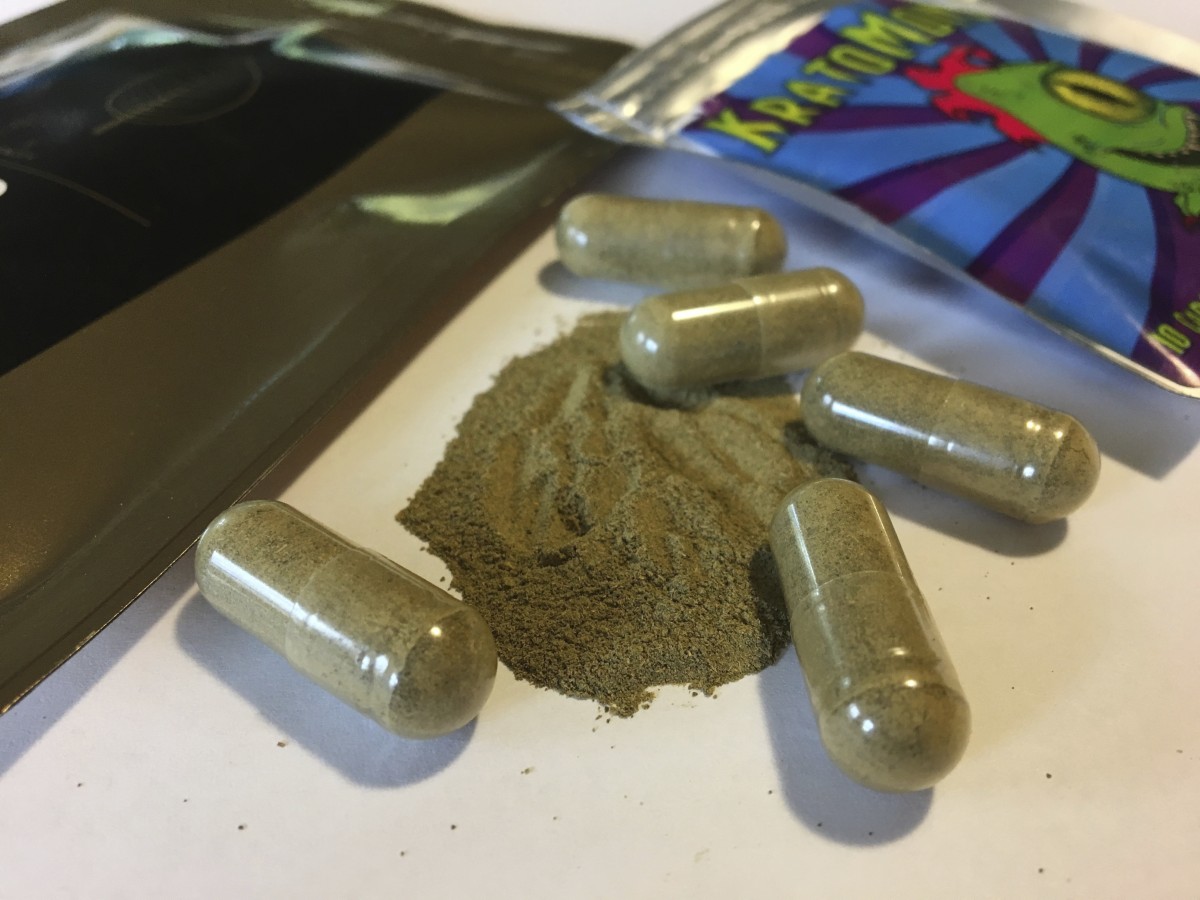
Federal Regulators and Addiction Experts Warn of Emerging Drug Threat
Federal regulators and addiction experts are sounding the alarm about a new drug threat linked to concentrated 7-hydroxymitragynine (7-OH), a kratom-derived compound that some researchers believe may be significantly more potent than morphine. The Food and Drug Administration (FDA) has warned that products containing 7-OH, including tablets, gummies, drink mixes, and shots, are being sold online and in smoke shops and gas stations across the United States. In some cases, these products contain concentrations far beyond naturally occurring levels.
“Concentrated 7-OH products represent an emerging public health concern,” said C. Austin Zamarripa, a professor of psychiatry and behavioral sciences at Johns Hopkins University. He emphasized the difference between these products and traditional kratom products.
Fatal Overdoses Linked to Products
As the federal government tries to crack down on the issue, reports of deaths and adverse reactions linked to concentrated 7-OH products appear to be rising. Three fatal overdoses linked to these products have recently been confirmed in Los Angeles County, and more than 10 patients have required medical ventilation due to respiratory distress following 7-OH exposure in Pennsylvania. Kratom and 7-OH related poison control calls have also surged in Texas and Washington.
“The FDA and [the Department of Health and Human Services (HHS)] believe that 7-OH products are an emerging threat and given that it acts very similarly in terms of addictive potential and risk of respiratory depression as traditional opioids, I strongly agree with their assessment,” said Charles White, a professor of pharmacy practice at the University of Connecticut.
An HHS official stated that the administration is “working to address the dangers posed by synthetic and highly concentrated 7-hydroxymitragynine (“7OH”) products.” The official added that HHS and the Drug Enforcement Administration (DEA) are “collaborating to establish a strong, scientifically grounded regulatory framework targeting dangerous synthetic and artificially concentrated products.”
What Is 7-OH?
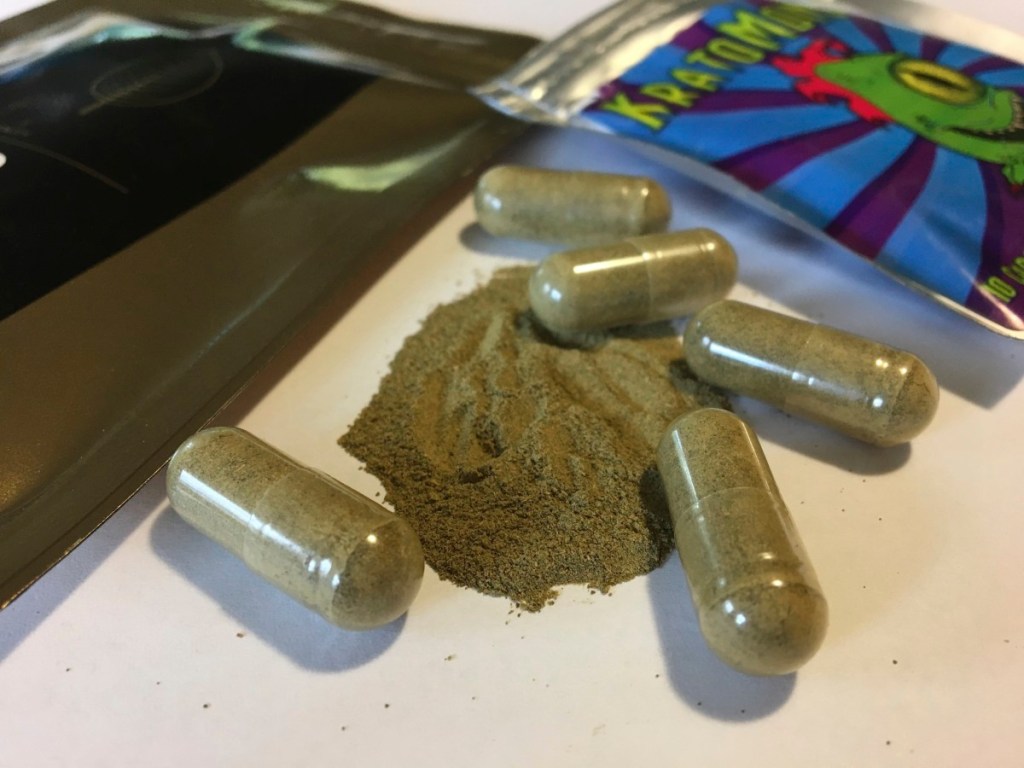
7-OH is an opioid-like compound found in trace amounts in the leaves of Mitragyna speciosa, a tree native to Southeast Asia also known as the kratom plant. The substance forms naturally when mitragynine—the plant’s primary alkaloid—breaks down as kratom leaves dry. According to White, naturally occurring 7-OH typically represents less than 2 percent of the total alkaloid content in kratom leaves.
Synthetic Products Causing Concern
However, experts say the current concerns are not primarily about naturally occurring 7-OH. Instead, regulators are focused on concentrated and synthetic 7-OH products that have appeared on the U.S. market in recent years. According to the Texas Attorney General’s Office, some products contain concentrations as high as 96 percent 7-OH.
The products are also different from traditional whole-leaf kratom products—which do not appear to be as strong, Zamarripa said. He added that “many people use traditional kratom products for pain, withdrawal, or as an alternative to more dangerous substances, and collapsing all kratom products into one category could lead to overly broad policy responses.”
White noted that both the Drug Enforcement Administration (DEA) and the World Health Organization have reviewed natural kratom leaf products and concluded that, while risks exist, the substance should not currently be banned.
Texas Targets Concentrated Products
As concerns have grown, Texas authorities have launched legal action against companies accused of selling highly concentrated products. Attorney General Ken Paxton has sued two California-based online retailers, alleging they deceptively marketed synthetic kratom products containing concentrations of 7-OH reaching up to 96 percent.
“Manufacturers started taking the mitragynine and chemically oxidizing it in a laboratory to create massive amounts of 7-OH and made products where the exclusive effect was an opioid one,” White said. He said companies have marketed the products in forms ranging from gummies and candy to flavored drink mixes and vapes.
White added that some products have been branded with names that evoke opioid use and are marketed in ways designed to appeal to consumers.
A ‘Race to the Bottom’
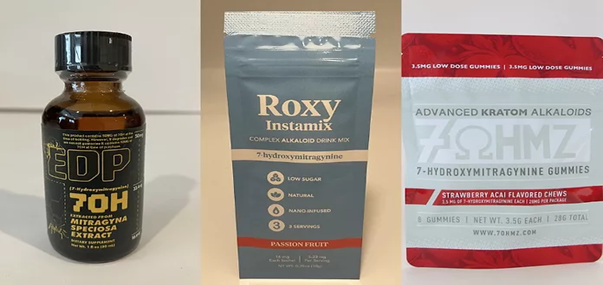
“In this race to the bottom, free samples of 7-OH products were handed out to people who were managing their opioid addiction with the natural leaf and it reignited their addictions again,” White said. “A whole new generation of people started to get hooked on opioids.”
When contacted by the media, the Texas Department of State Health Services referred to a warning it issued in September 2025 advising Texans not to use products containing 7-OH. According to the department, the Texas Poison Center Network received 192 reports involving kratom or 7-OH products during the first nine months of 2025. That compares with 107 reports during all of 2024 and 122 during all of 2023. Nineteen of the 2025 reports involved concentrated 7-OH products, with 11 cases serious enough to require treatment at a healthcare facility.
Concerns About Addiction and Overdose
The FDA has warned that products containing 7-OH are often marketed as treatments for conditions including anxiety, pain, mood disorders and opioid withdrawal despite lacking agency approval. The FDA has also issued warning letters to companies accused of illegally distributing 7-OH products.
According to the agency, exposure to 7-OH may cause addiction, anxiety, depression, insomnia, seizures, gastrointestinal distress and withdrawal symptoms including body aches, fatigue, irritability and cold sweats. Some reports have also suggested a possible connection between 7-OH use and psychosis.
“Concentrated 7-OH products raise real concerns about dependence, withdrawal, adverse events, and use with other substances like alcohol or other sedating drugs,” Zamarripa said. He added that consumers may mistakenly believe they are purchasing a conventional kratom product when they are actually using a much more potent and pharmacologically distinct substance.
White said one concern is the development of rapid tolerance, which can lead users to take increasingly larger doses to achieve the same effects. “People lose the ability to care for themselves, hold down a job, and care for their families. People run the risk of taking too much and stopping breathing,” he said.
He also cited a case involving a 2-year-old child who allegedly consumed a candy-based formulation and required emergency resuscitation. White said that he also didn’t think “a simple ban” on 7-OH products would be “enough” to solve this crisis. “Natural leaf kratom has a trade off between benefits and risks and while I don’t think it should be banned, I do believe strongly that it needs to be sensibly regulated,” he said.
If you or someone you know is considering suicide, please contact the 988 Suicide and Crisis Lifeline by dialing 988, text “988” to the Crisis Text Line at 741741 or go to 988lifeline.org.