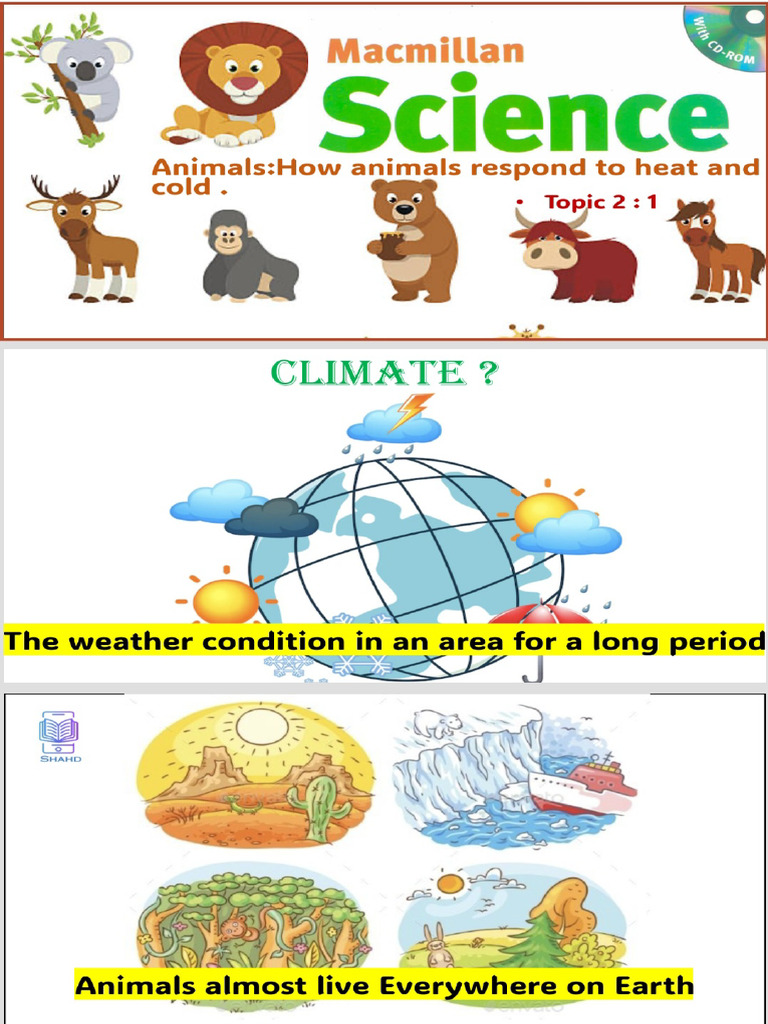
Understanding the Impact of Temperature on Animal Immune Systems
Each animal species has an optimal temperature at which it can metabolise food and its immune system can best fight off pathogens. Recent research highlights that temperature directly affects the immune systems of vertebrates, regardless of how they regulate their body temperatures. Initially, slightly higher temperatures can give many animal immune systems a boost. However, when temperatures become too high, conditions may favor pathogens—organisms that cause disease.
This is a pressing issue, as many pathogens found in warmer areas are likely to expand their ranges as the climate changes. Fortunately, understanding how temperatures affect animal immune systems opens up new possibilities for protecting vulnerable species.
How Do Animals Maintain Body Temperatures?
Different types of vertebrates have distinct methods for maintaining an optimal body temperature. Mammals and birds are endotherms, meaning they can regulate their body temperature internally. In cold conditions, they burn stored fat to maintain a stable internal temperature. For example, reindeer can survive in temperatures as low as -40°C while keeping their core body temperature around 38-40°C.
On the other hand, animals like snakes and lizards are poikilotherms, often referred to as “cold-blooded.” These creatures rely on external sources to regulate their body temperature. If they are too cold, they seek the sun; if too hot, they find shade. Regardless of the method, the goal remains the same: keep body temperature as close to optimal as possible.
Pathogens Have Temperature Preferences Too
Pathogens exhibit a wide range of temperature preferences. Some thrive in hotter conditions, while others prefer cooler environments. For instance, the lethal Ebola virus replicates best at 41°C. Meanwhile, rhinoviruses, which cause the common cold, prefer the slightly cooler temperatures (33°C) found in human airways.
In birds, outbreaks of lethal H5N1 avian influenza have been linked to large sudden drops in temperatures. The fungus causing white-nose syndrome in bats prefers colder temperatures of 12-16°C. During hibernation, when bats’ body temperatures drop, their immune response weakens, allowing the fungus to invade.
Most fish species are poikilotherms. When they move into colder water than their optimal temperature, their immune defenses weaken, making them more susceptible to pathogens such as viral haemorrhagic septicaemia virus or Flavobacterium psychrophilum, which causes coldwater disease.
Amphibians, including frogs, are experiencing global declines, with chytridiomycosis—a disease caused by the chytrid fungus—being a major factor. This fungus lives in water or damp soil and prefers cold environments. As the world warms, the fungus is expected to spread to new water bodies and amphibian hosts.
Researchers observed that leopard frogs (Rana yavapaiensis) living in warmer water were infected less than those in colder water. Australian researchers are now developing “frog saunas” to help infected frogs combat the infection.
How Does Temperature Affect Animal Immune Systems?
When an animal’s body temperature is lower than optimal, it may struggle to mount a strong immune defense against specific pathogens. Interestingly, this effect only seems to impair specific immune defenses, while the animal’s innate defenses remain unaffected.
Ground squirrels and many other species can enter short hibernation periods known as torpor. During this state, their metabolism slows down, body temperature drops, and the number of cells and molecules responsible for specific immune defenses decreases. Typically, the lower body temperature also inhibits pathogen replication. Once the animal exits torpor and its body warms up, its specific immune responses return.
The mechanism behind this involves changes in the physical structure of molecules needed for a specific immune response. For example, the major histocompatibility complex, a key immune molecule found in almost all vertebrates, loses the ability to bind to other immune system molecules in the cold.
Heat acts differently. Humans and other endotherms can induce a fever, which raises body temperature to hinder invading pathogens. Fevers make most pathogens less effective and trigger specific immune responses. However, excessive heat can be harmful, stressing the body or even causing death. Special molecules called heat shock proteins can buffer cells against heat and help restore the proteins needed for a specific immune response.
Lizards, fish, and other poikilotherms cannot increase their own body temperature. Instead, when they get an infection, they use “behavioural fever”—moving to warmer environments to enhance their immune response.
Can We Use This Knowledge to Protect Species?
Understanding how temperature affects animal immune systems allows us to develop new strategies for protecting threatened species. By using heat or cold to alter body temperatures, we can either trigger immune responses or inhibit pathogen replication.
However, as climate change intensifies, rapid temperature changes will bring many challenges for animals. Heat-loving pathogens like malaria may expand their ranges, as will cold-hating parasites such as ticks. Milder winters in Canada and the United States, for example, are enabling winter ticks to survive the cold. These blood-sucking parasites are now killing many young moose.
The more we understand about the intersection of temperature and animal immune systems, the better equipped we are to help animals adapt to future changes.